

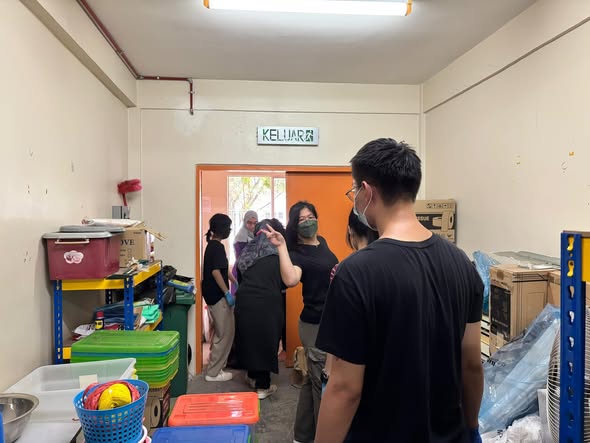
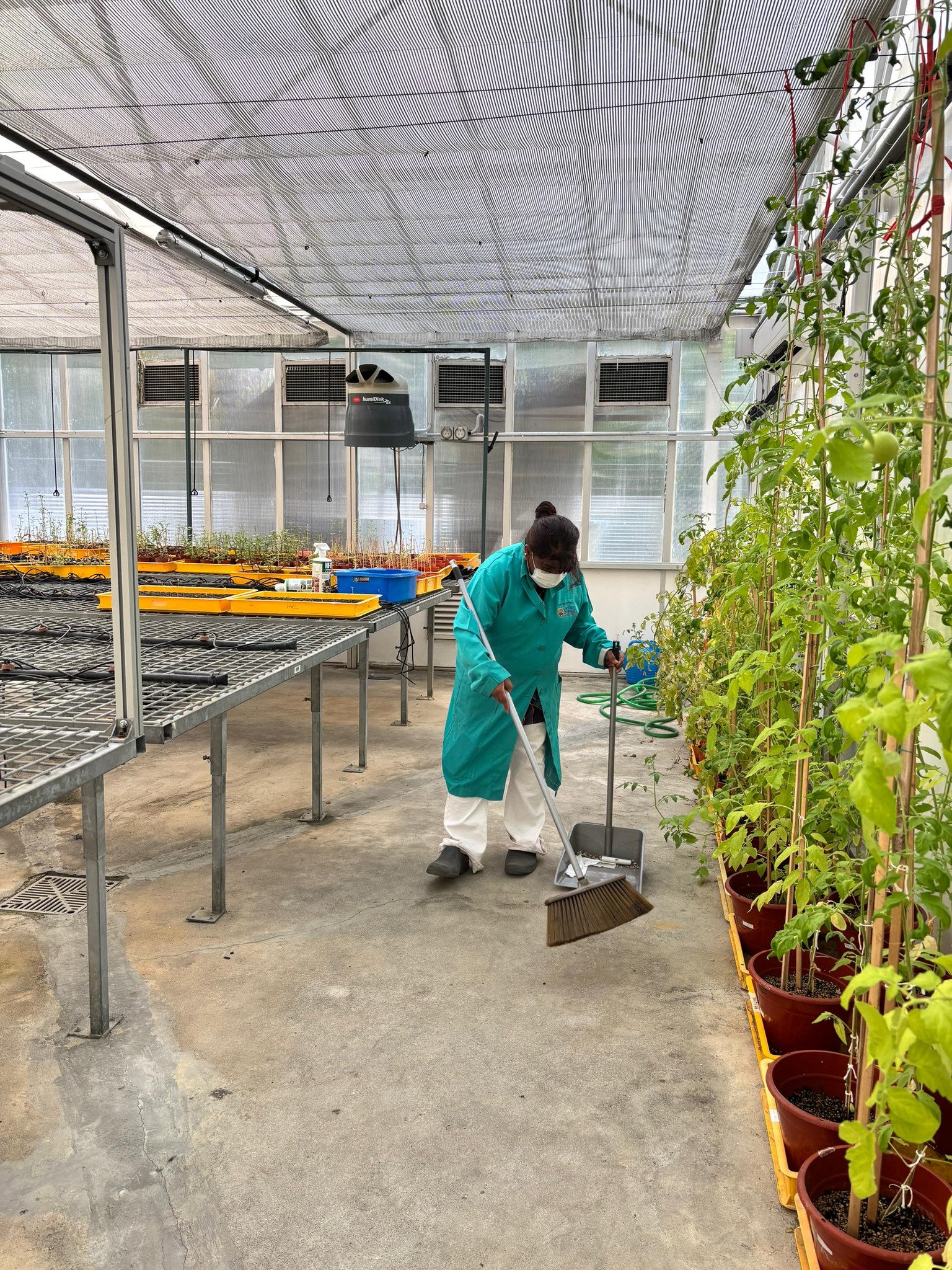
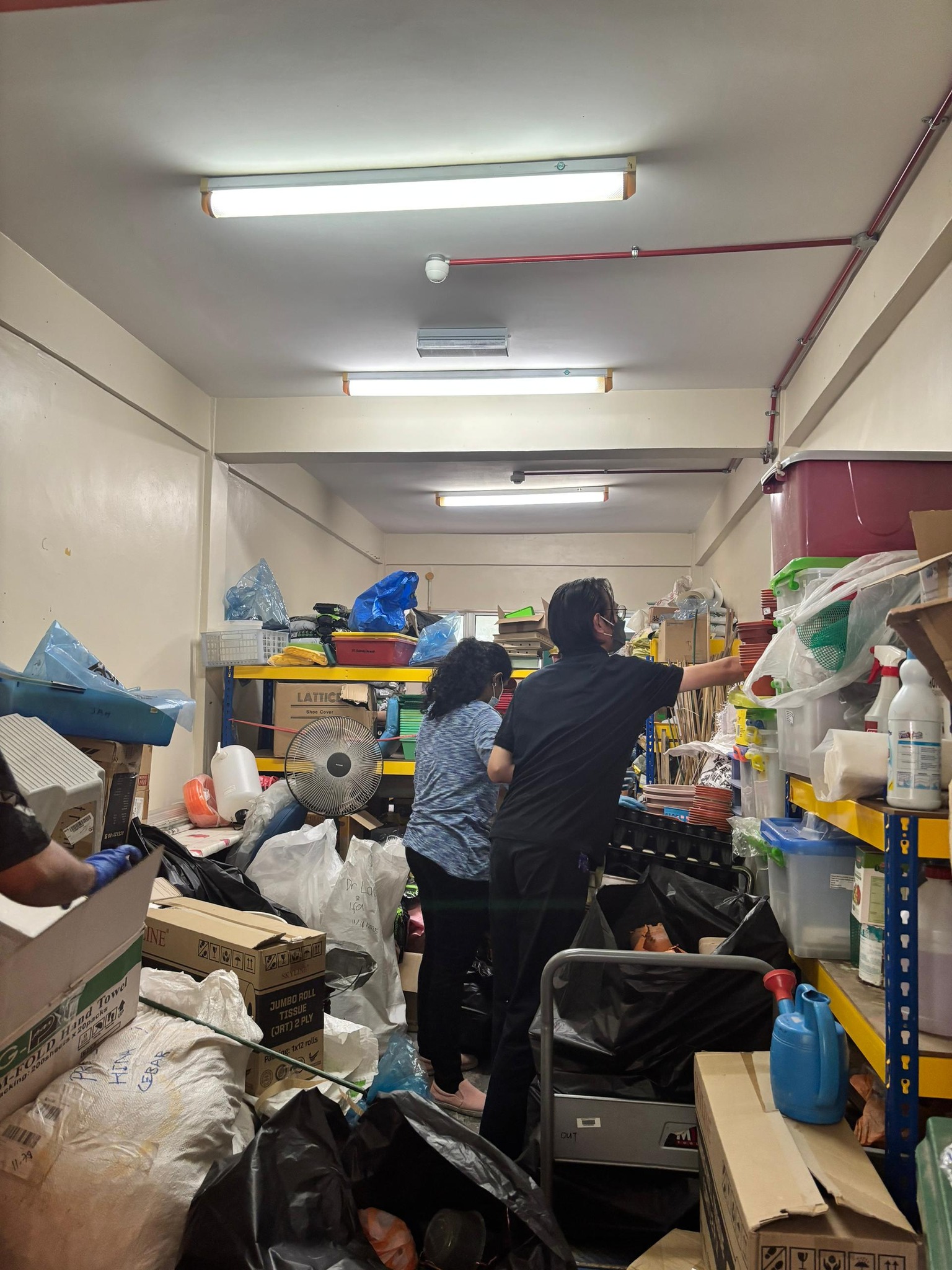
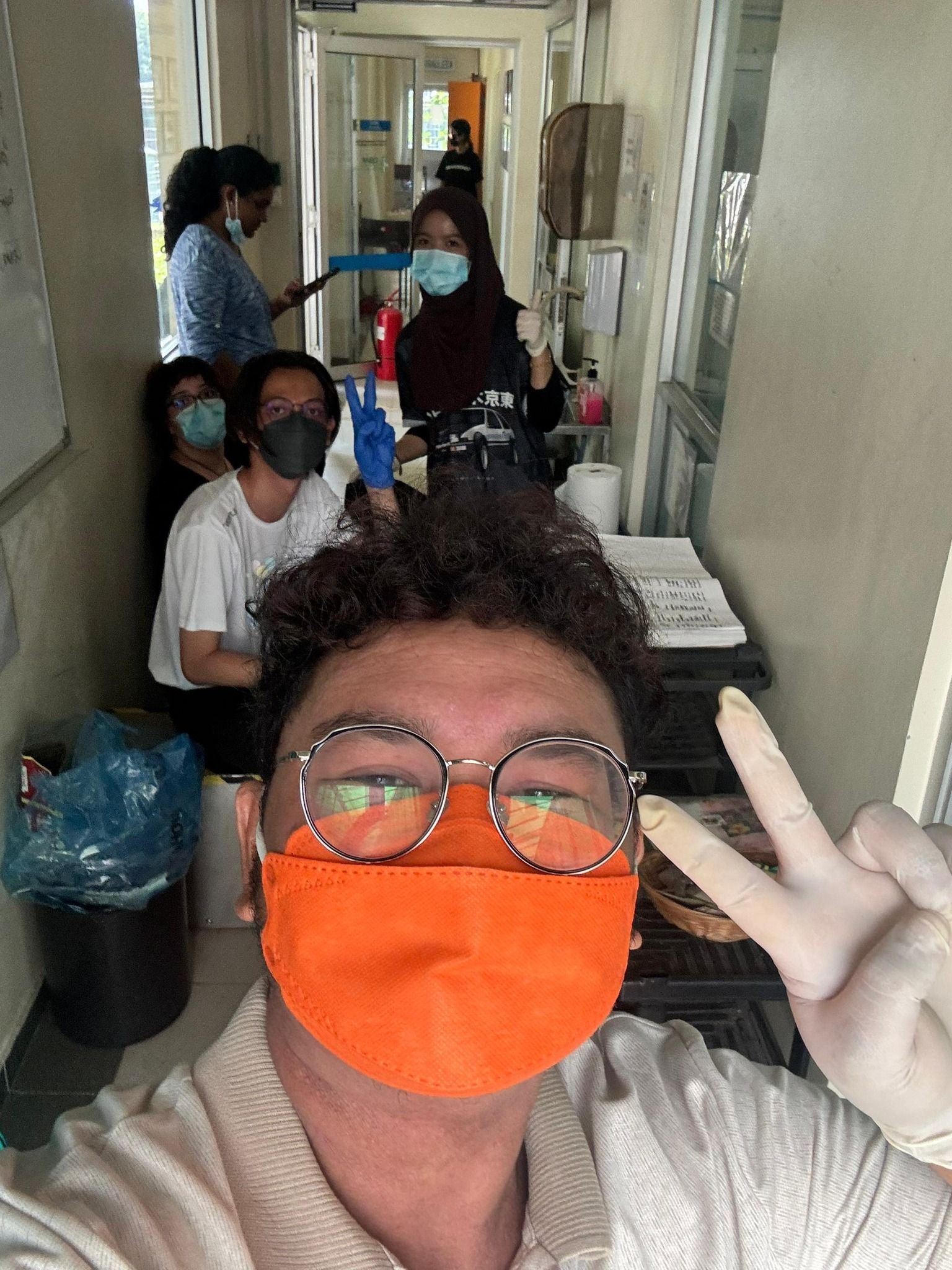
CEBAR carried out a gotong-royong clean-up activity at our Plant Biotech Facility (PBF) in preparation for 2026. The activity saw CEBAR Senior Lecturer, Dr. Chua Kah Ooi, Research Officer, Dr. Lau Su Ee, support staff and postgraduate students pulling up their sleeves and worked together to clear and clean the storage room, growth rooms and spruce up the facility corridors.
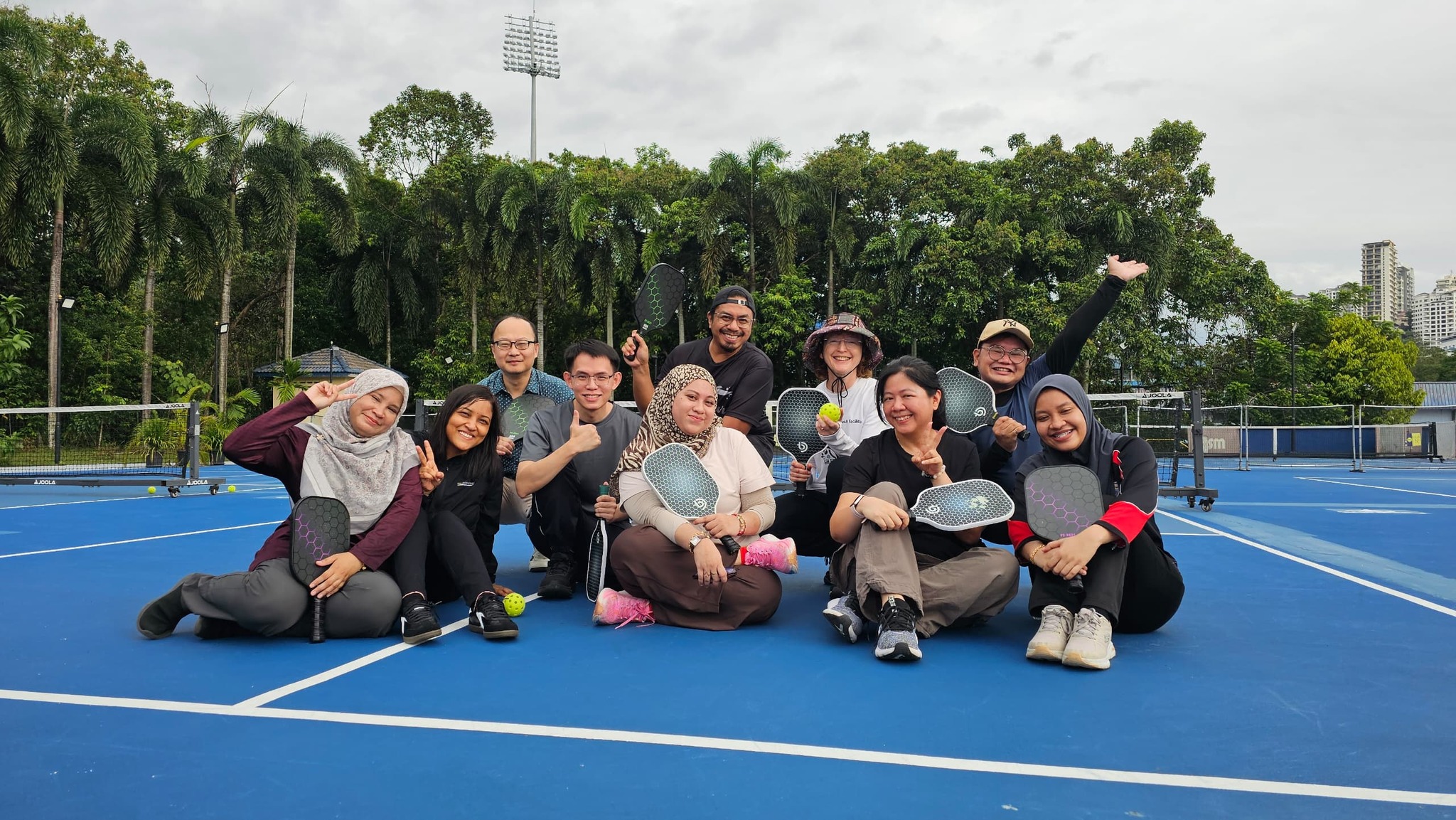
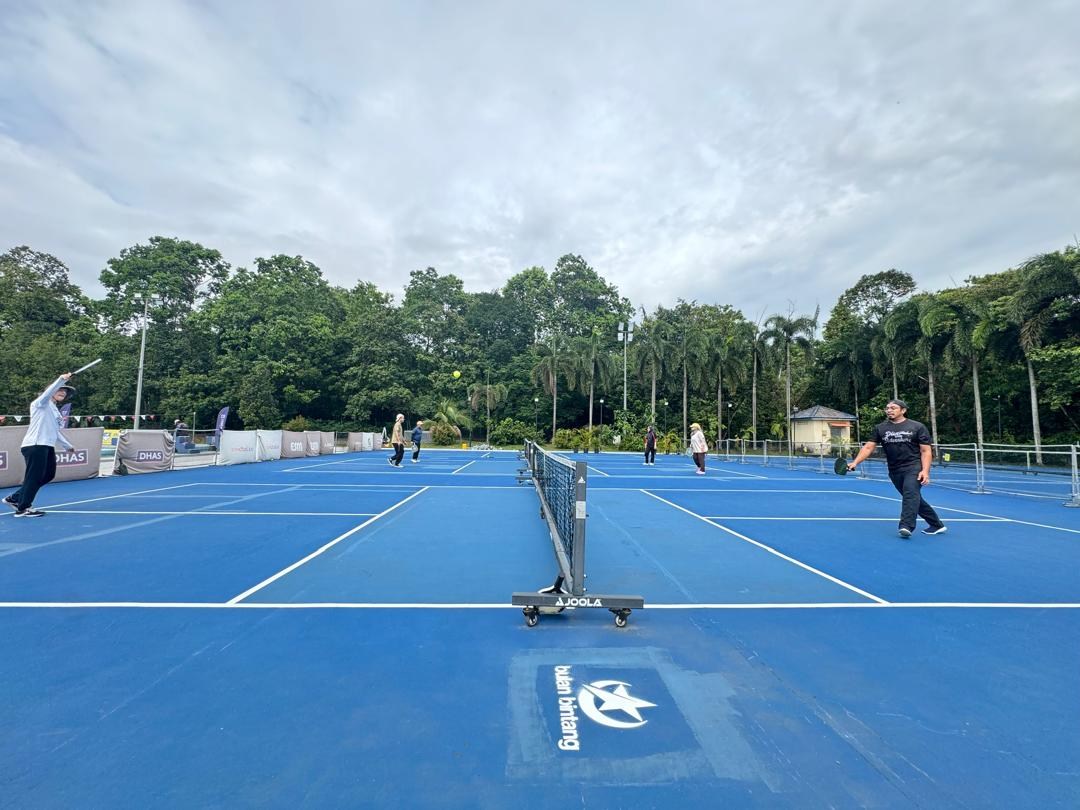
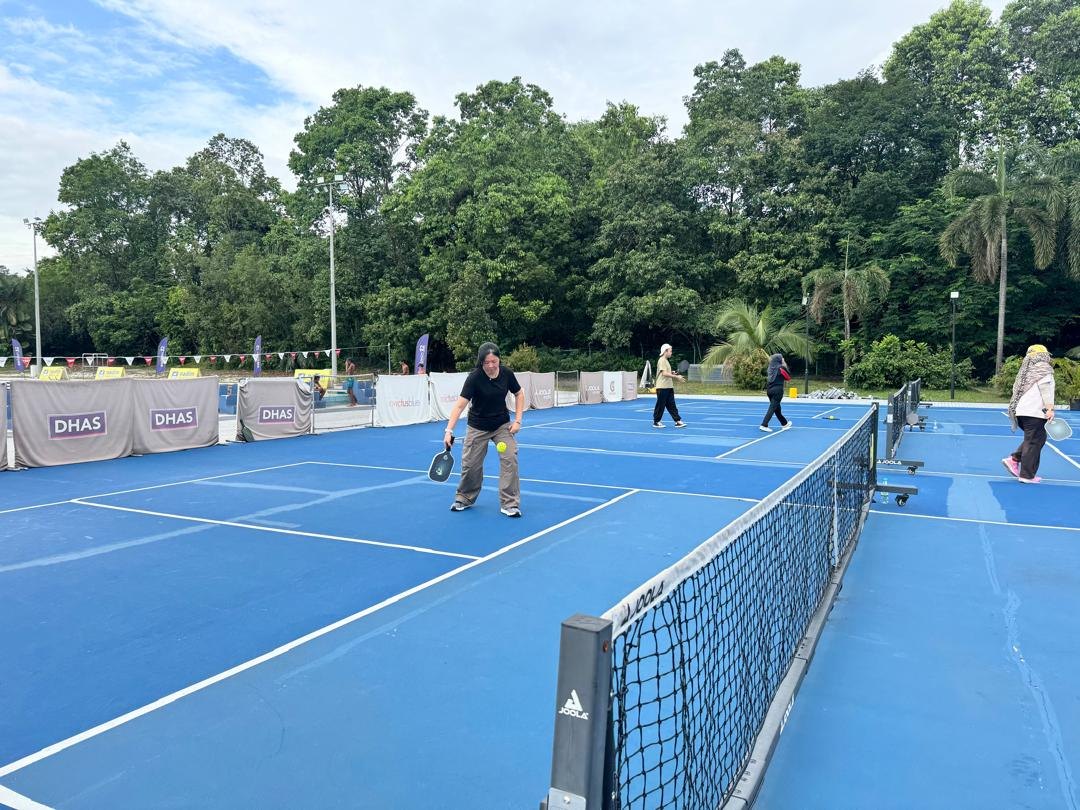
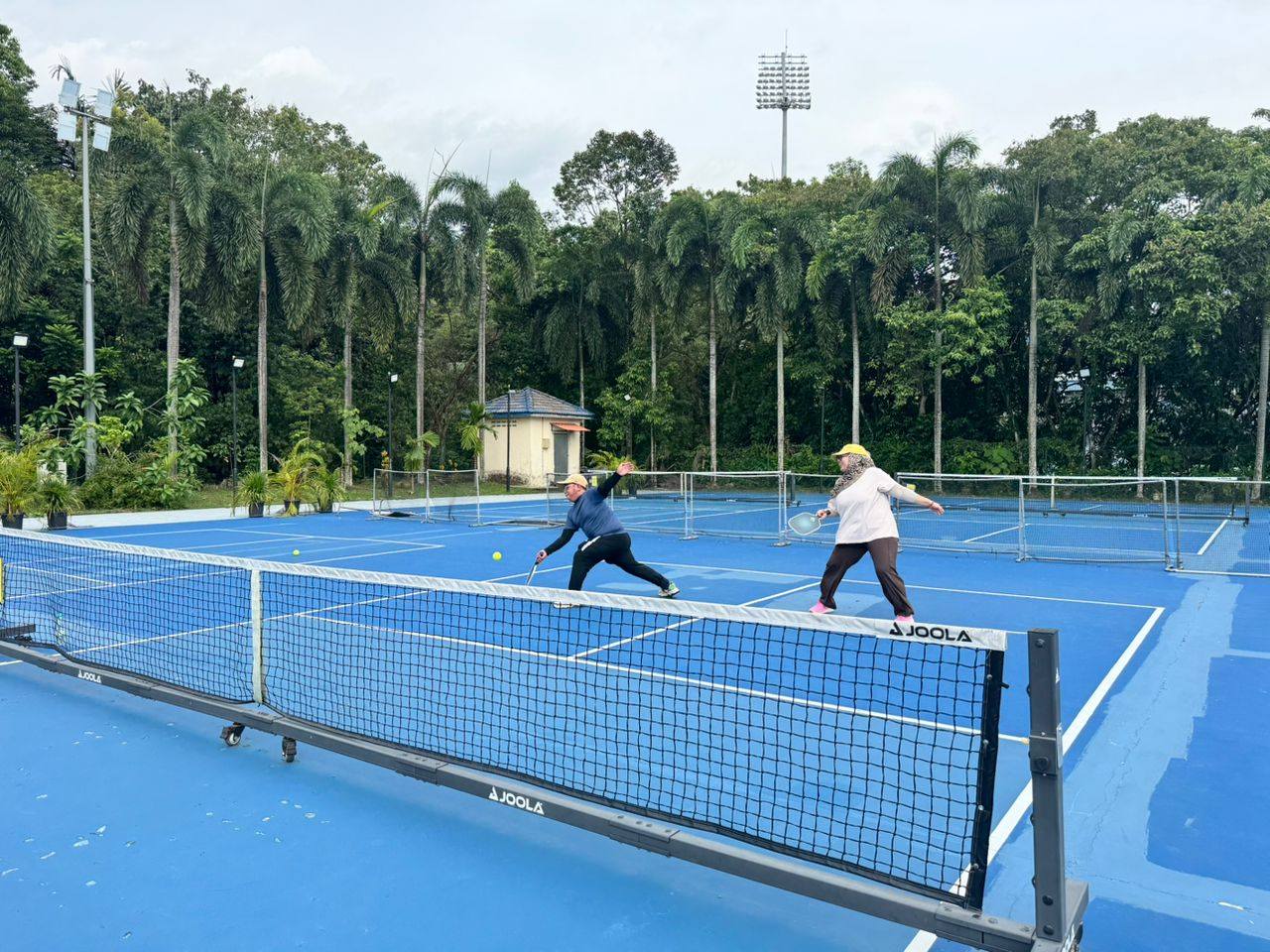
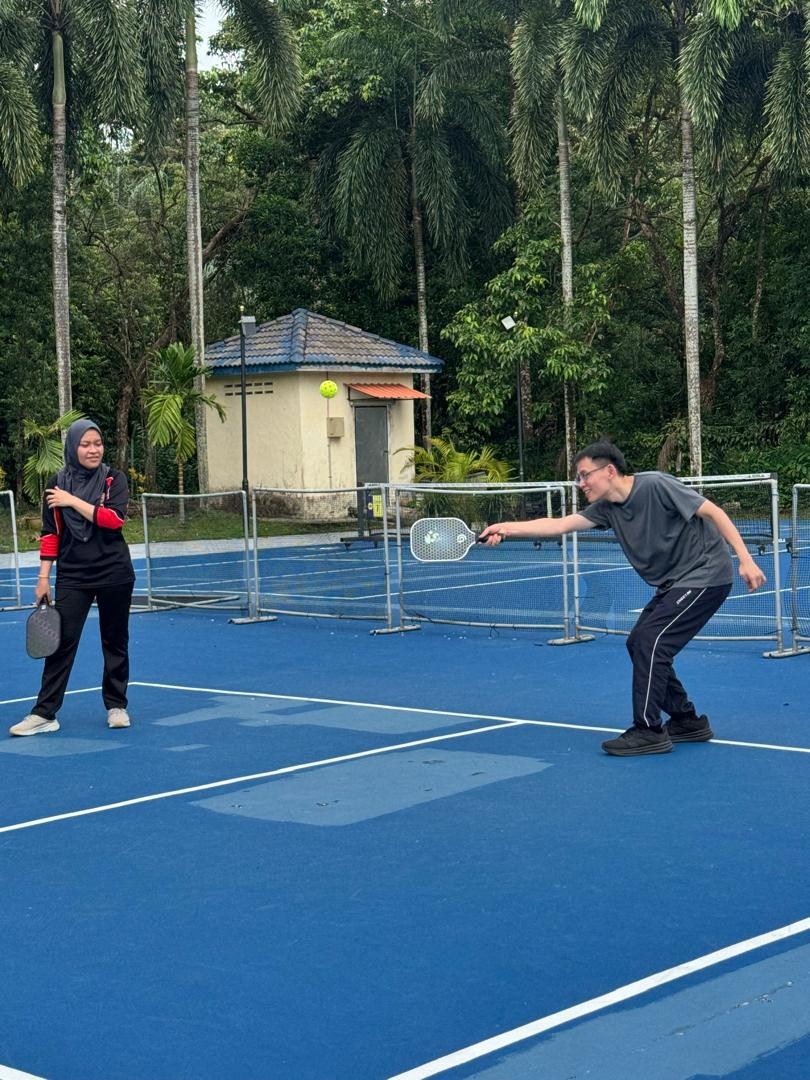
CEBAR members had our first taste of pickleball during our Wellness Day held on 27 November 2025. CEBAR Director, PIs, Postdoctoral Research Fellow, Research Officers and Support Staff eagerly participated in a friendly match at the pickleball facility at UM Sport Centre as part of CEBAR activity to bring members together through sport.
CEBAR Director, Prof. Dr. Jennifer Ann Harikrishna kicked things off with a short opening remark and then led the short but tough warrm up session. Despite feeling thoroughly exhausted at the end of the game, everyone agreed that this was a good introductory session to the sport.
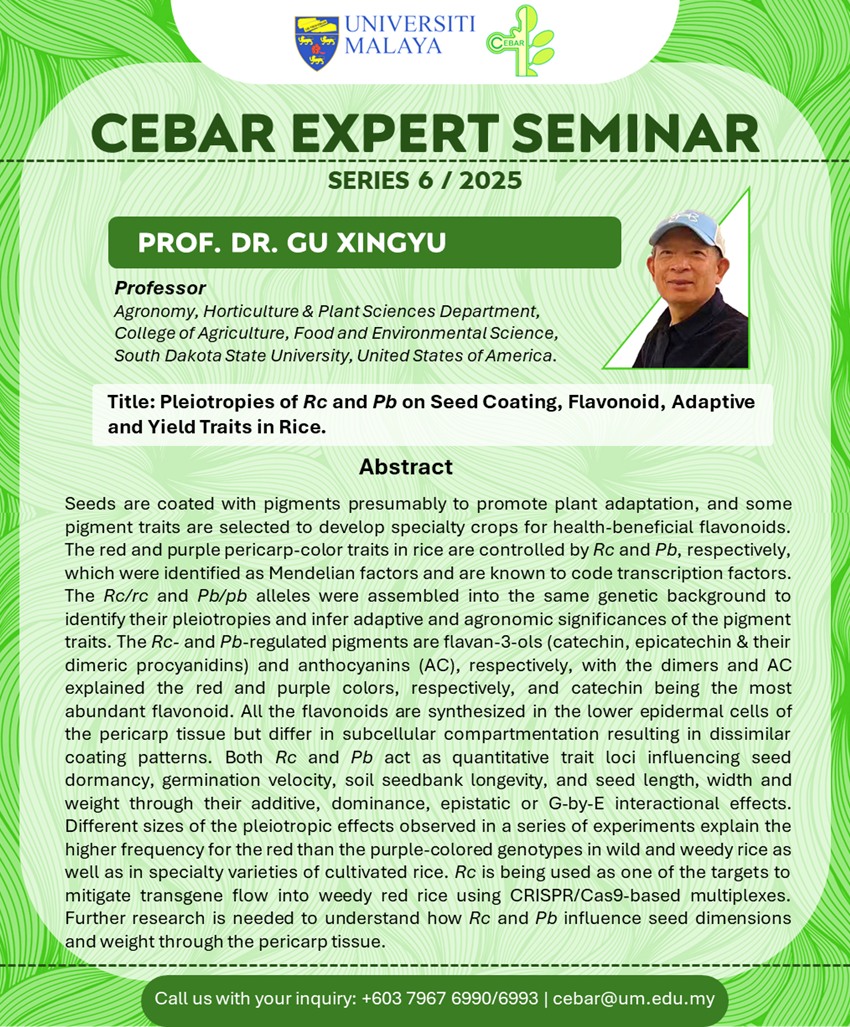
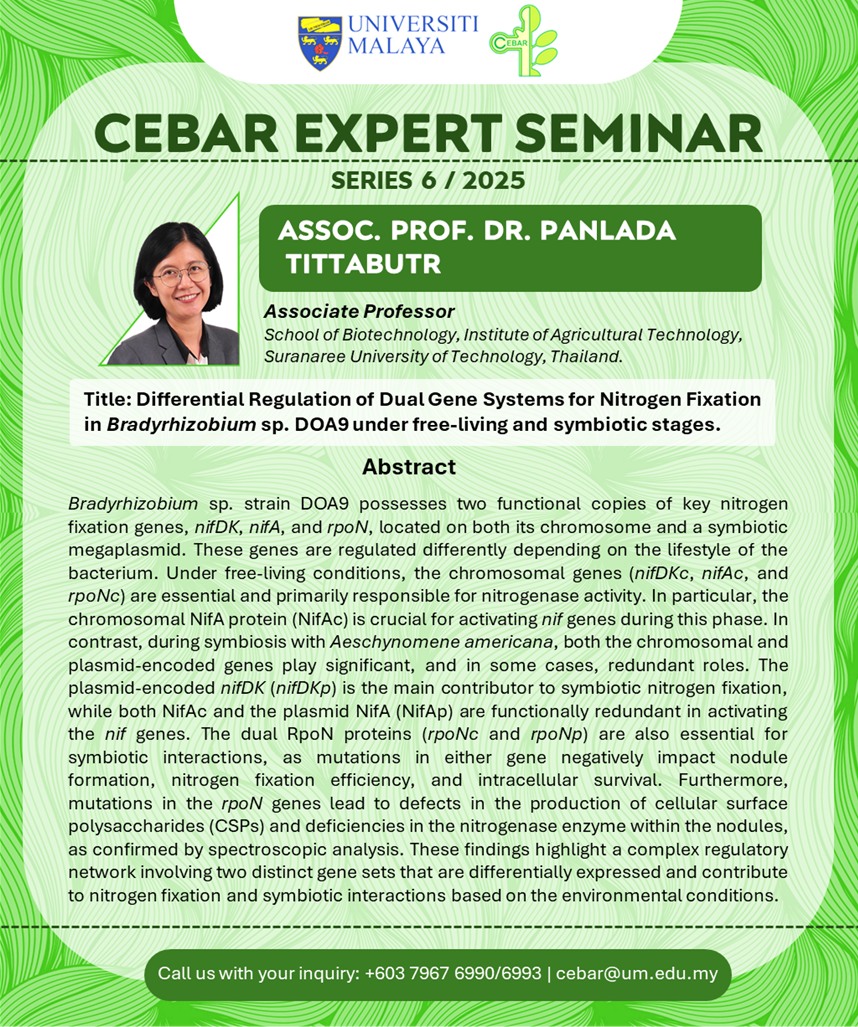
CEBAR conducted the sixth session of its Expert Seminar Series, featuring two distinguished speakers in the field of agricultural biotechnology.
Prof. Dr. Gu Xingyu from South Dakota University, USA presented on the pleiotropic roles of Rc and Pb genes in rice, highlighting their influence on seed coating, flavonoid biosynthesis, adaptive traits, and yield performance.
Assoc. Prof. Dr. Panlada Tittabut from Suranee University of Technology, Thailand delivered a talk on the differential regulation of dual gene systems involved in nitrogen fixation in Bradyrhizobium sp. DOA9, with emphasis on free-living and symbiotic stages.
The session provided valuable insights into genetic regulation and functional mechanisms underpinning crop improvement and sustainable agricultural practices.
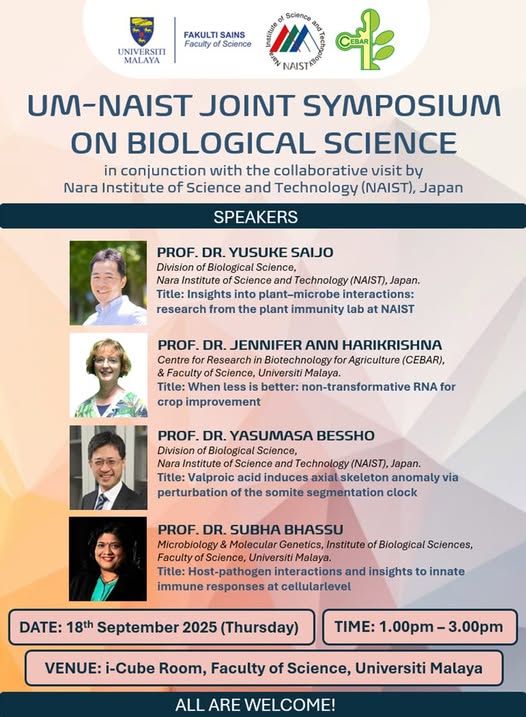
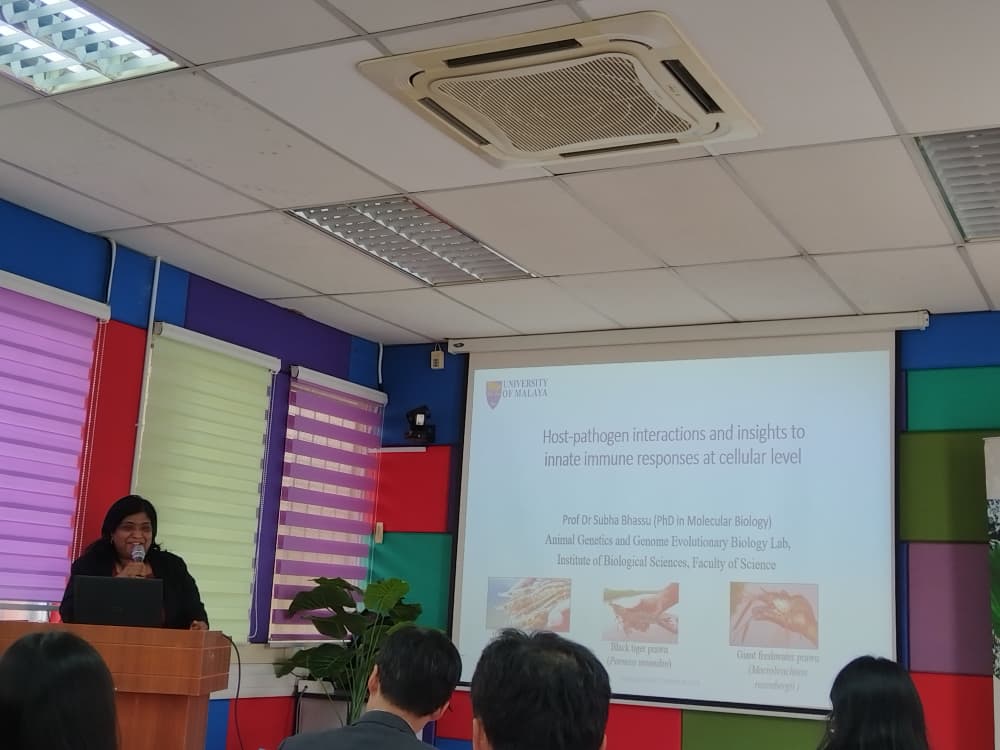
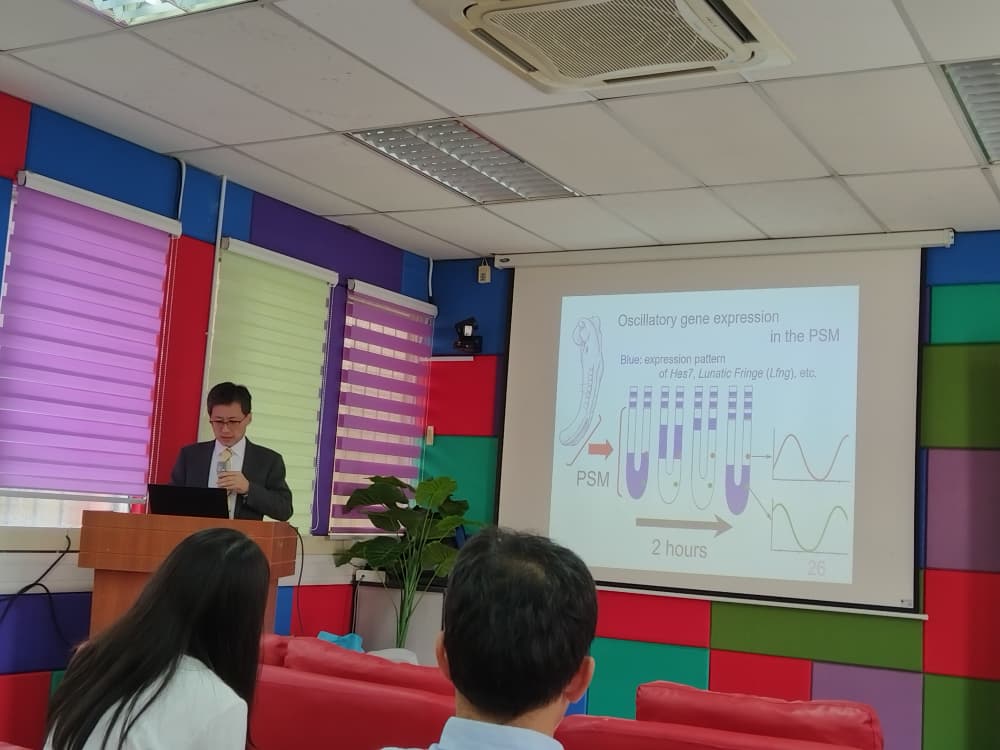
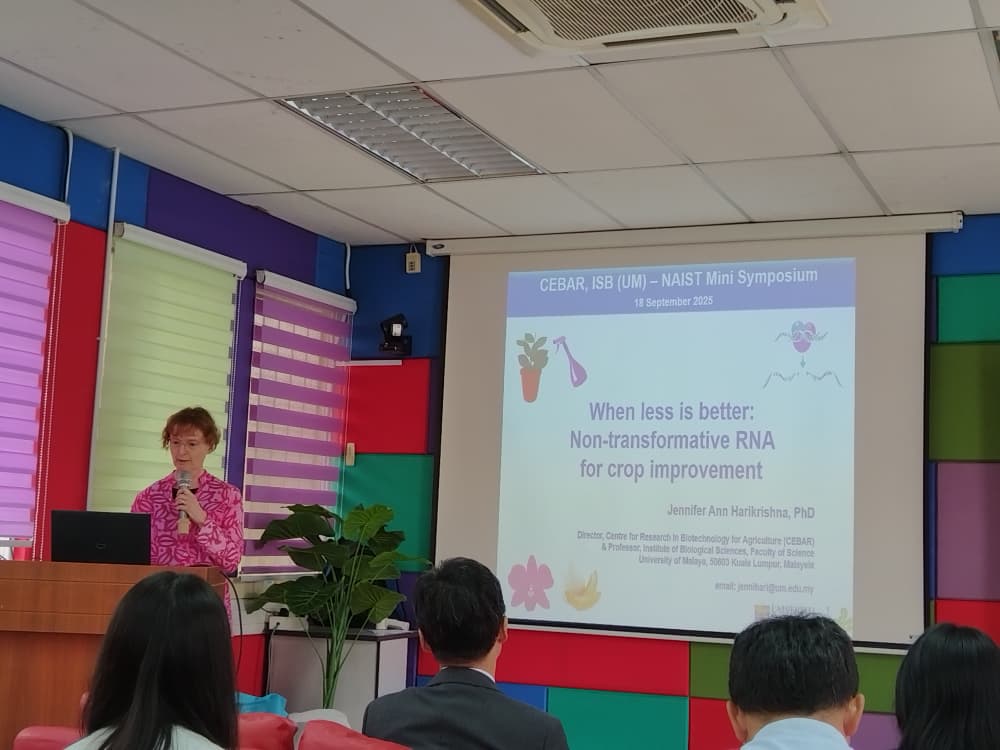
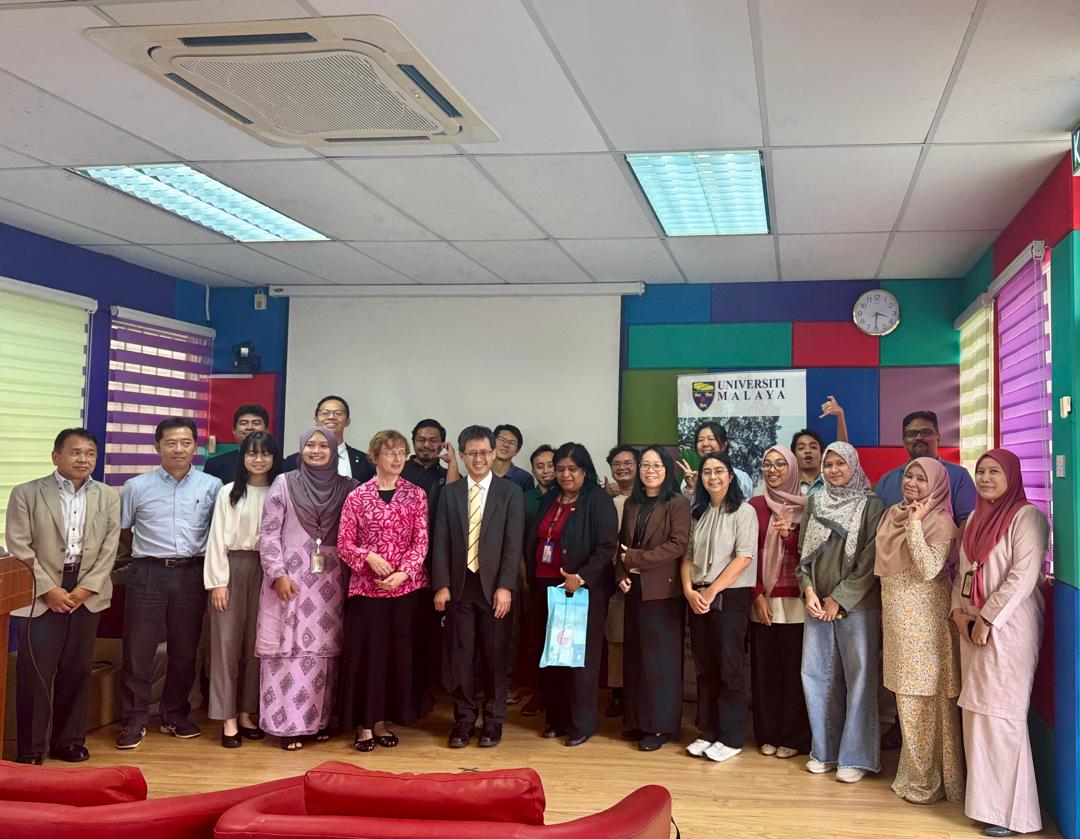
CEBAR and the Faculty of Science, Universiti Malaya successfully organised the UM-NAIST Joint Symposium on Biological Science, held in conjunction with a collaborative visit from the Nara Institute of Science and Technology (NAIST), Japan.
The symposium which was held at the i-Cube Room, Faculty of Science, featured four distinguished professors from NAIST and Universiti Malaya, who shared their latest research in various areas of biological science.
The invited speakers and their presentations were as follows:
1. Professor Dr. Yusuke Saijo from NAIST presented insights into plant-microbe interactions, highlighting research from the plant immunity laboratory at NAIST.
2. Professor Dr. Jennifer Ann Harikrishna from CEBAR and UM Faculty of Science discussed the application of non-transformative RNA approaches for crop improvement.
3. Professor Dr. Yasumasa Bessho from NAIST presented findings on how valproic acid induces axial skeleton anomalies through disruption of the somite segmentation clock.
4. Professor Dr. Subha Bhassu from UM Faculty of Science shared insights into host-pathogen interactions and innate immune responses at the cellular level.
The symposium provided a valuable platform for knowledge exchange and strengthened academic collaboration between Universiti Malaya and NAIST in advancing biological science research.
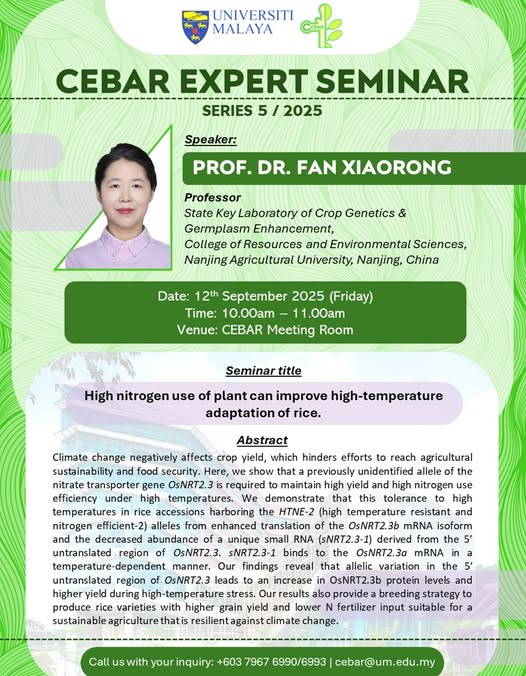
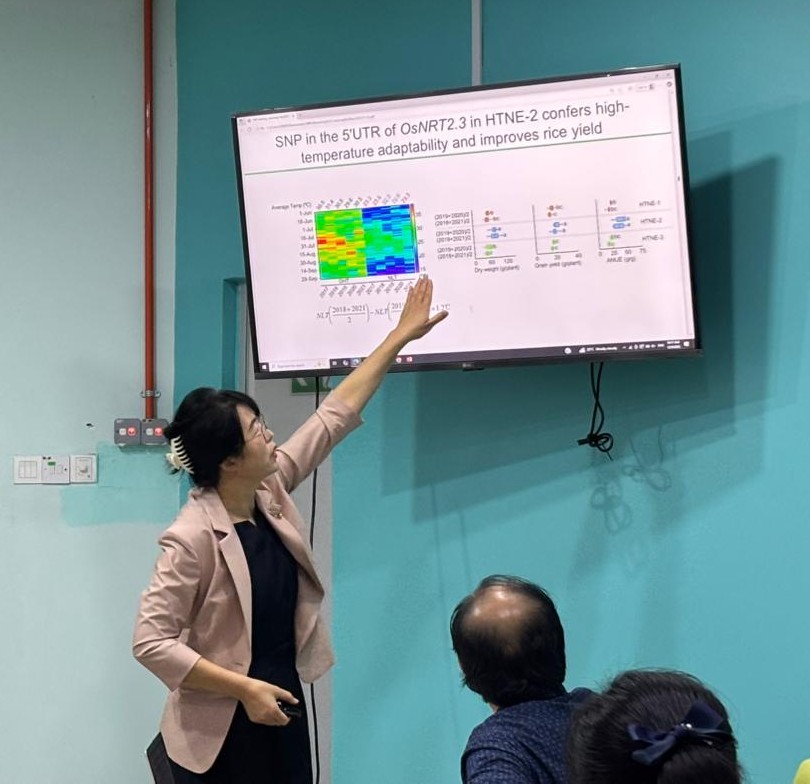
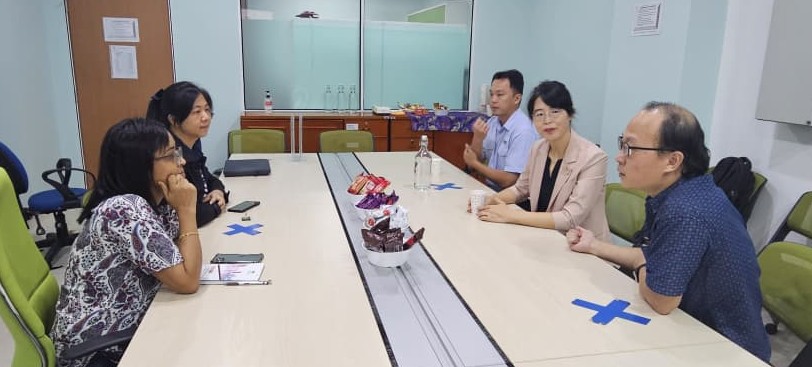
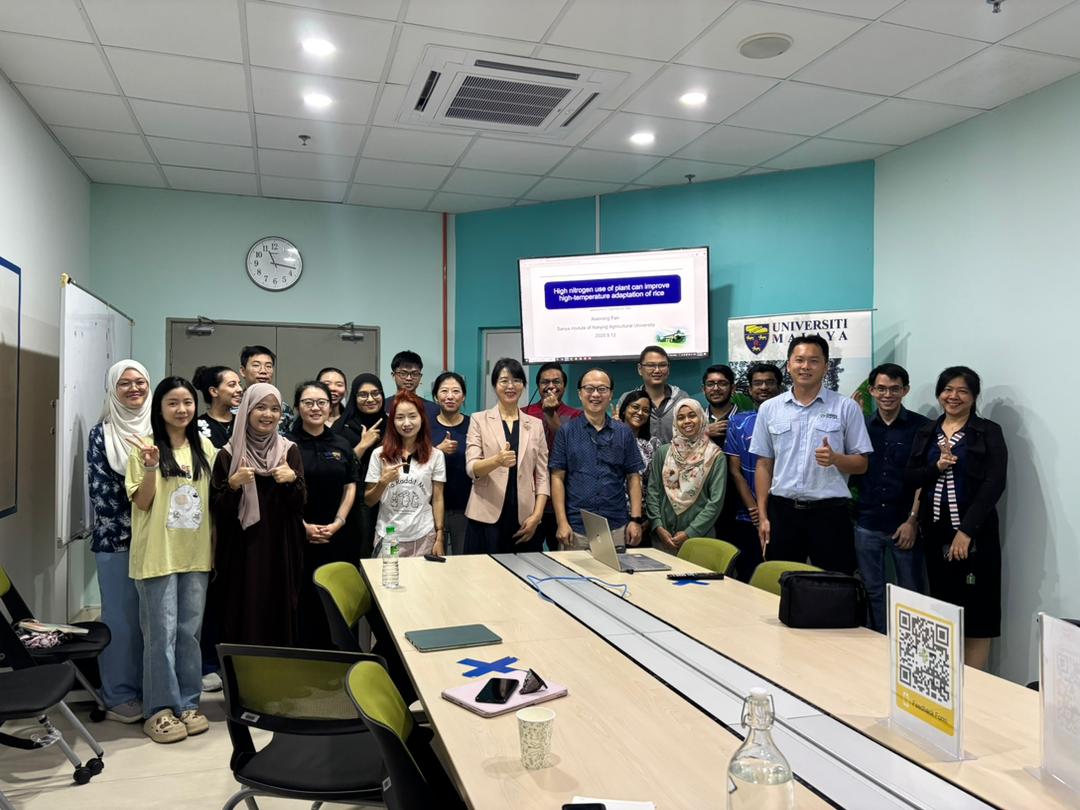
CEBAR hosted a visit from Prof. Dr. Fan Xiaorong from Nanjing Agricultural University, China. She was received by Dr. Teo Chee How and had a group discussion with other CEBAR PI in attendance to explore potential collaborations in the field of nitrogen use in plants, especially in durian.
Later during the CEBAR Expert Seminar, Prof. Fan shared her research work on nitrate transporter gene NRT regulation and its effect on tolerance to high temperature in rice. It was fascinating to learn that such a minute sequence change (single nucleotide polymorphism or SNP) in the promoter region of the NRT gene can afford the rice plant the ability to tolerate higher temperature and can even promote increase in yield. She also shared that the mutation could also indirectly lead to a reduced formation of shoot aerenchyma structures, which would contribute to lower methane emission by the plants.`
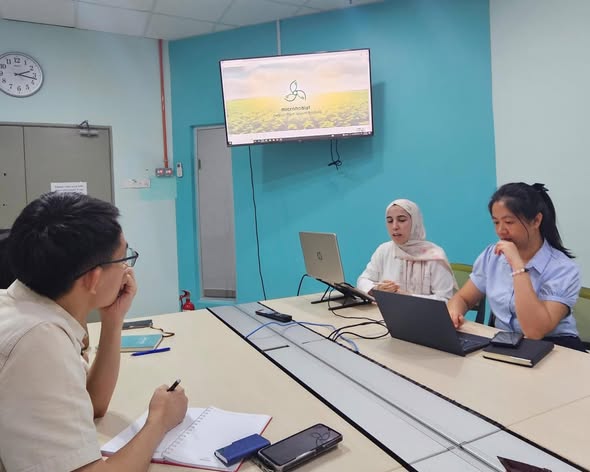
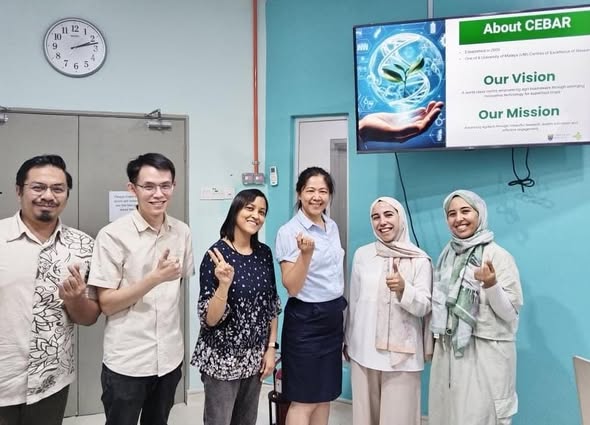
CEBAR received a visit from Ms. Sultan Gül, co-founder of Microhobist Biotechnology Ltd., Türkiye to discuss potential collaborative research opportunities around their product MHOne.
MHOne is a plant biostimulant product formulated from secondary metabolites of beneficial microorganisms in plant roots and soil that has been shown to help boost plant health and yield.
During the meeting, Microhobist Biotechnology also expressed their readiness to be an active industry partner for future collaborative international research grant applications and product development and testing with CEBAR.
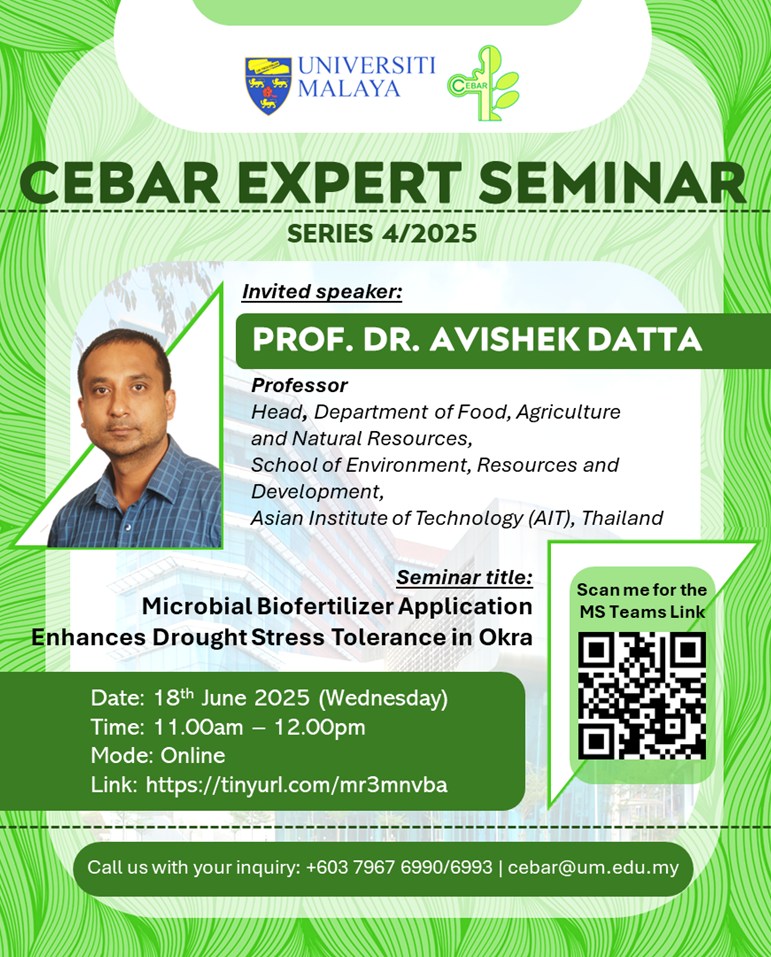
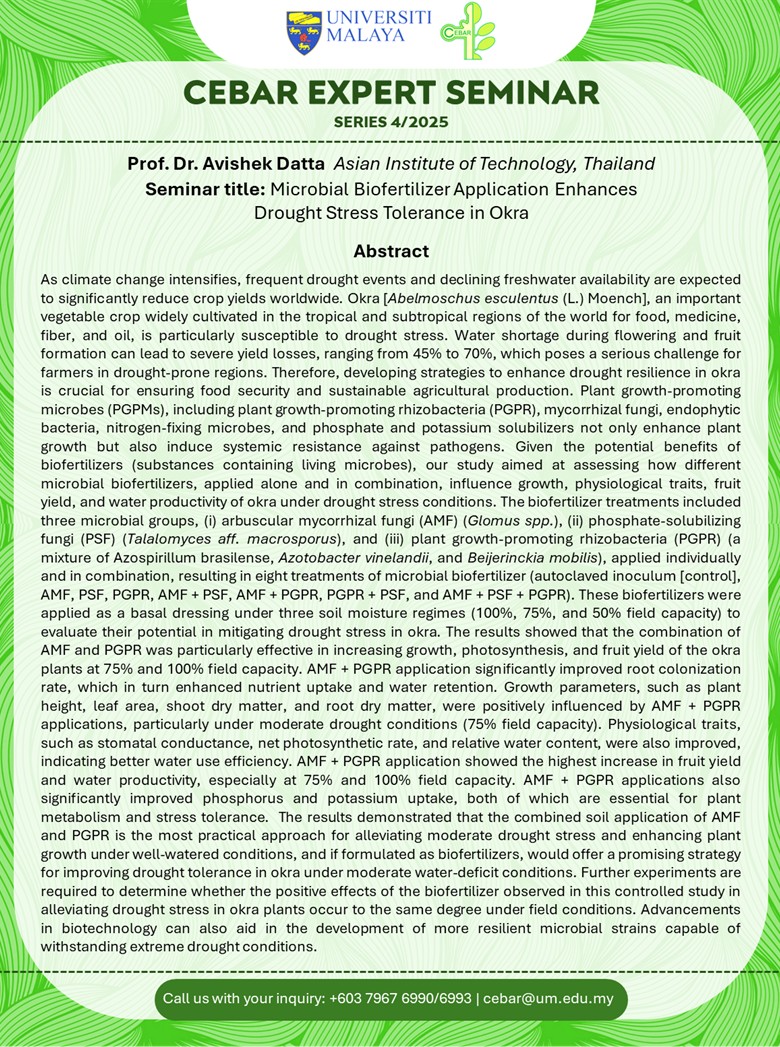
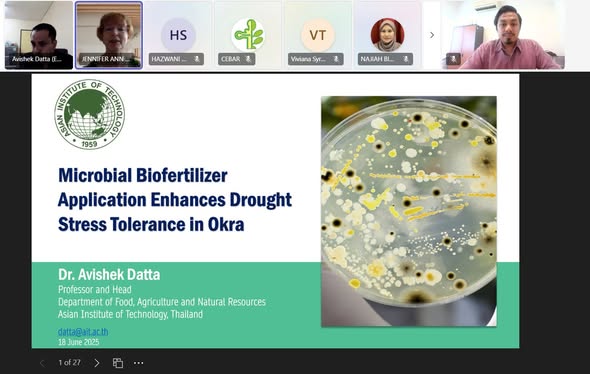
CEBAR Expert Seminar Series 4/2025 was held online on 18 June 2025. Prof. Dr. Avishek Datta from Asian Institute of Tehcnology, Thailand shared his interesting research on the effect of soil microbial consortium, including arbuscular mycorrhizal fungi, phosphate-solubilising fungi and plant growth-promoting rhizobacteria, on tolerance to environmental stresses in okra.
In the seminar, Prof. Datta shared that the combined soil application of AMF and PGPR is the most practical approach for alleviating moderate drought stress and enhancing plant growth under well-watered conditions. He also agreed that there is a need to endure that the quality of the produce should not be affected by the treatment and this would be examined by his team in the future.
Prof. Datta also discussed his views on publishing in paid journals and emphasised the need to prioritise academic integrity by striving to publish in peer-reviewed open journals.
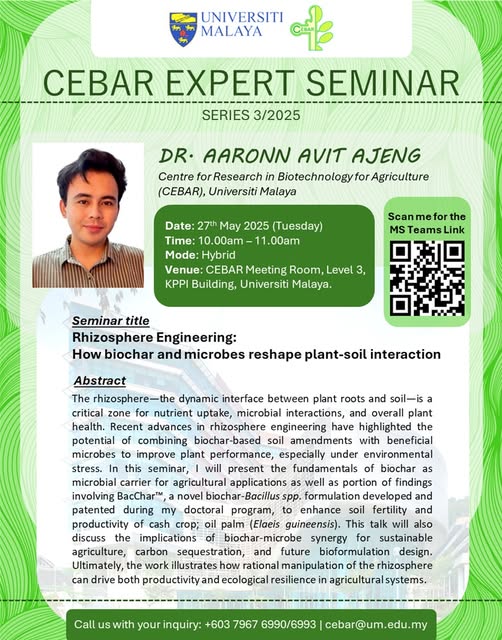
CEBAR successfully organised the third session of its Expert Seminar Series, featuring a talk by Dr. Aaronn Avit Ajeng, our post-doctoral research fellow.
Dr. Aaronn presented on rhizosphere engineering, highlighting how biochar and beneficial microbes can reshape plant-soil interactions to enhance crop productivity and resilience. The session also introduced innovative approaches, including the application of biochar-based soil amendments and microbial formulations to improve agricultural sustainability.
The seminar provided valuable insights into sustainable agricultural practices, particularly in leveraging soil microbiome interactions for improved plant performance.
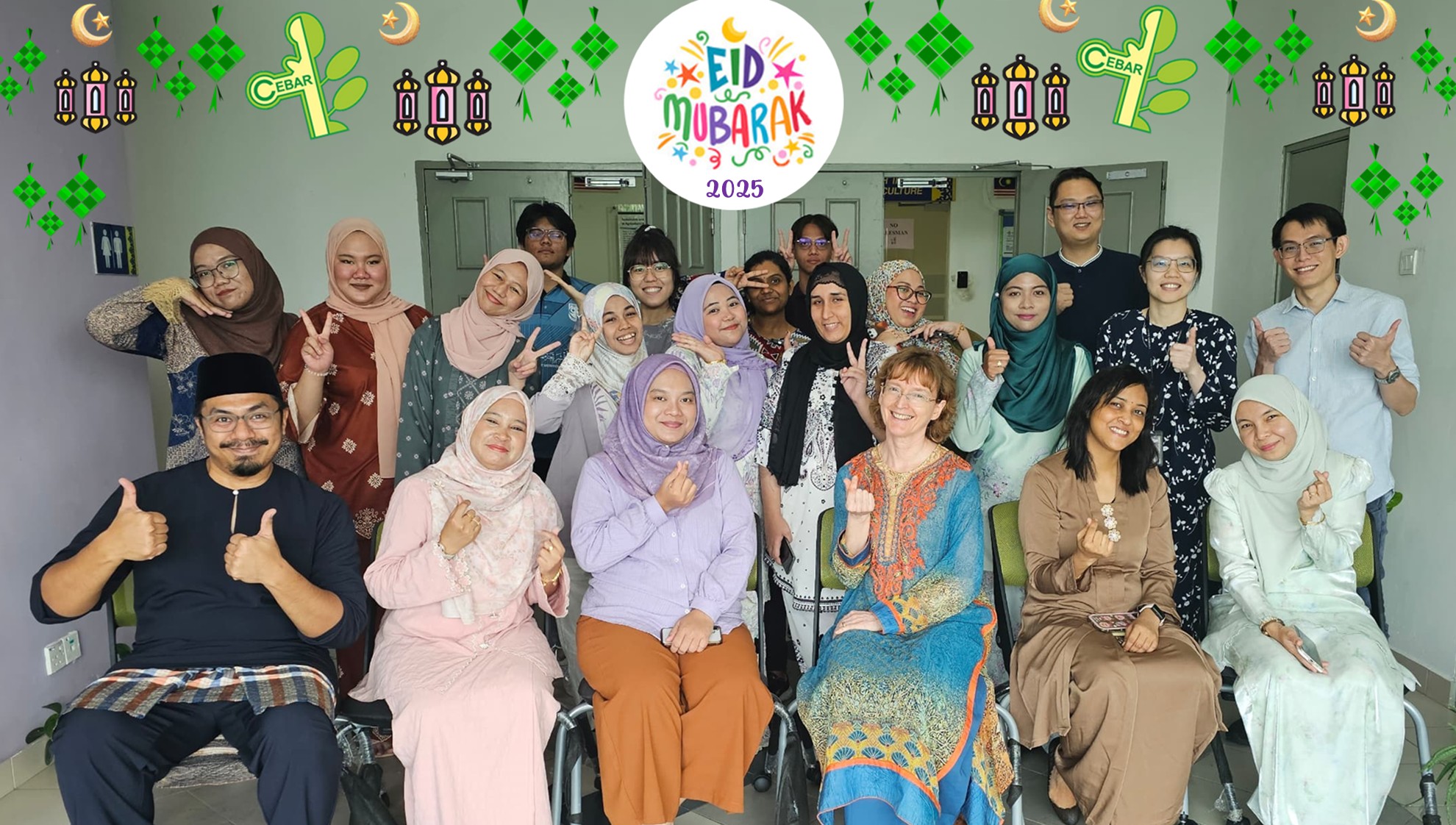
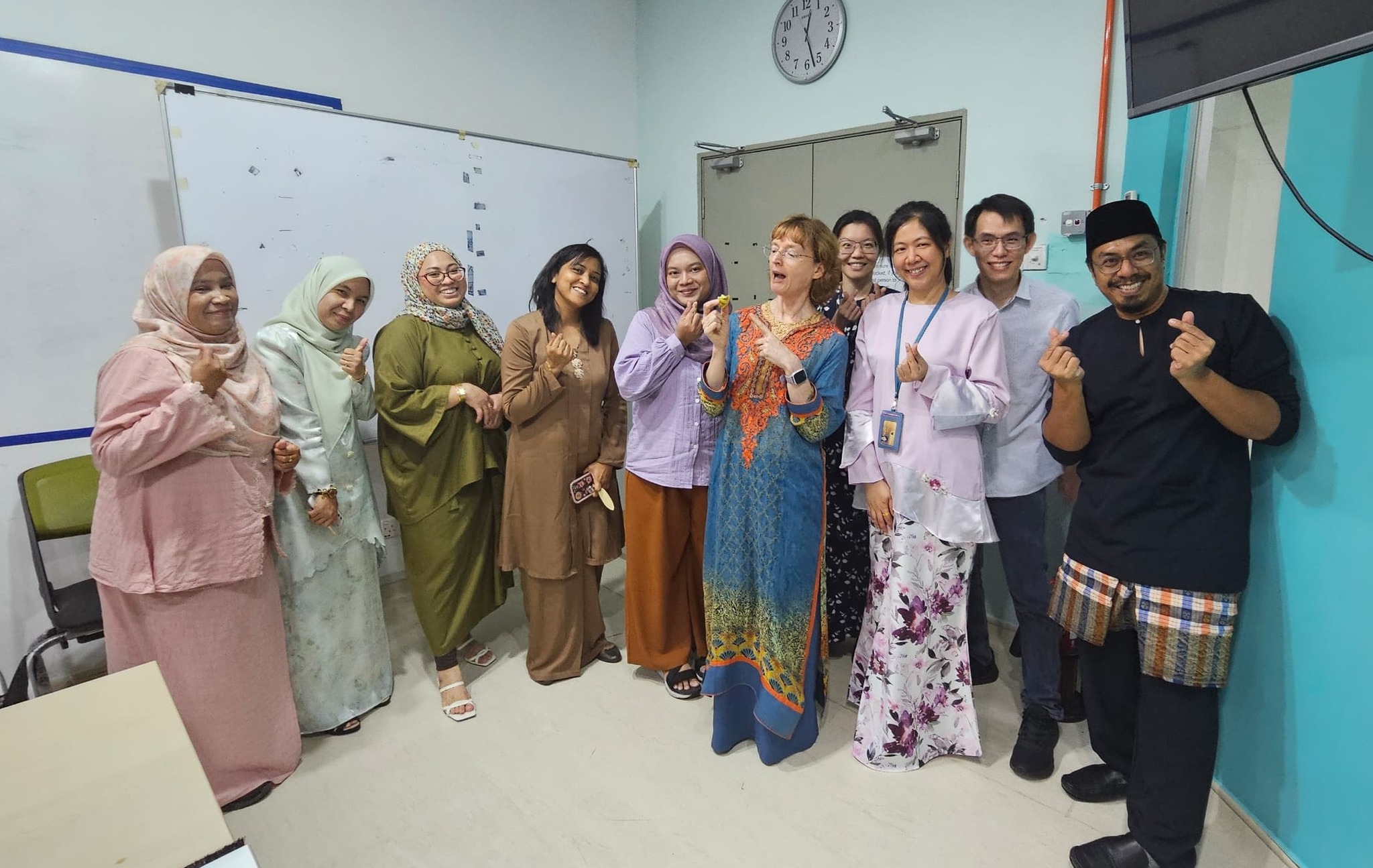
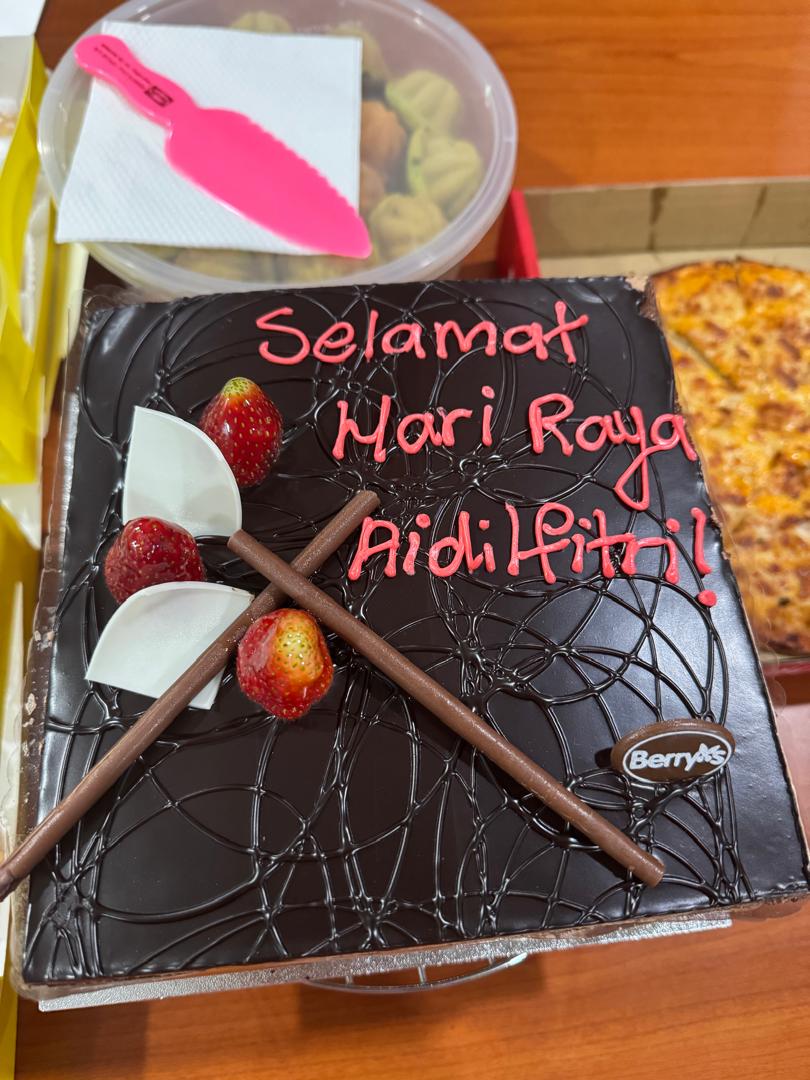
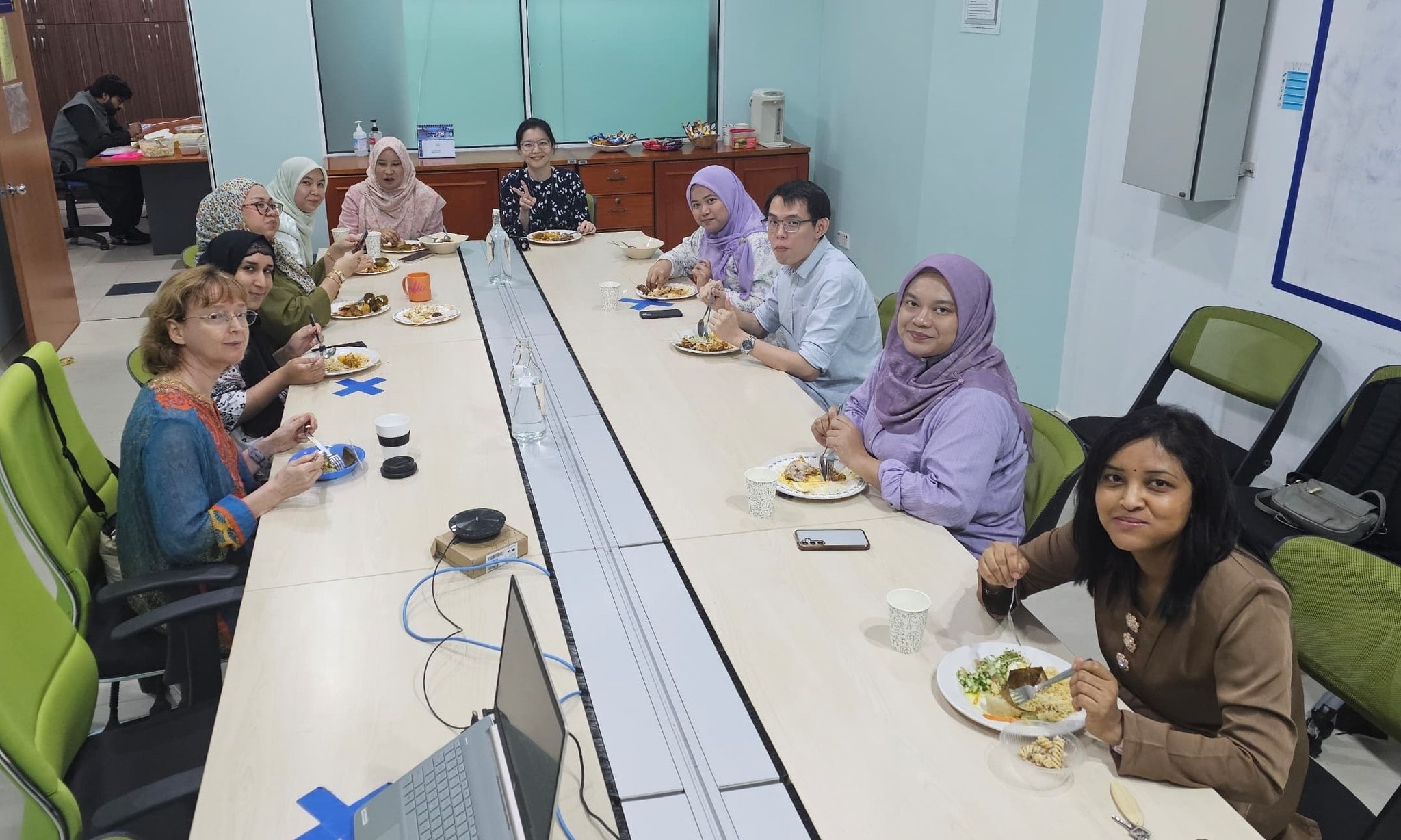
CEBAR held its annual Hari Raya Aidilfitri celebration, bringing together staff and students for a festive potluck gathering. The event featured a wide variety of tradtional and contemporary dishes, including lemand and rendang, nasi impit with kuah lodeh, briyani rice, pasta salad, satay, laksa, as well as an assortment of cakes and desserts.
The celebration provided an opportunity for team members to strengthen camaraderie and enjoy the festive spirit together. Selamat Hari Raya Aidilfitri, Maaf Zahir dan Batin.
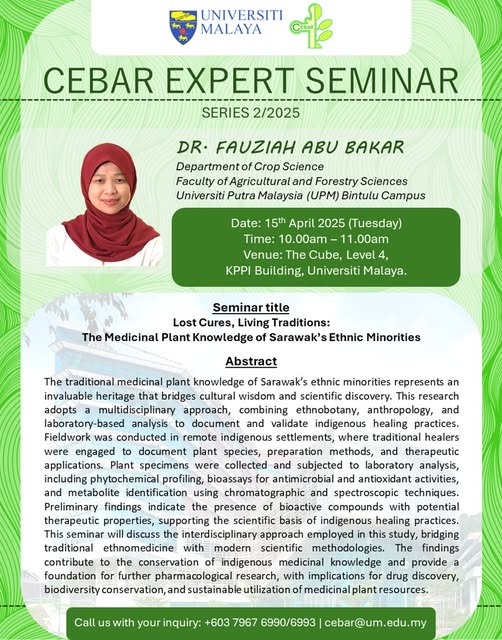
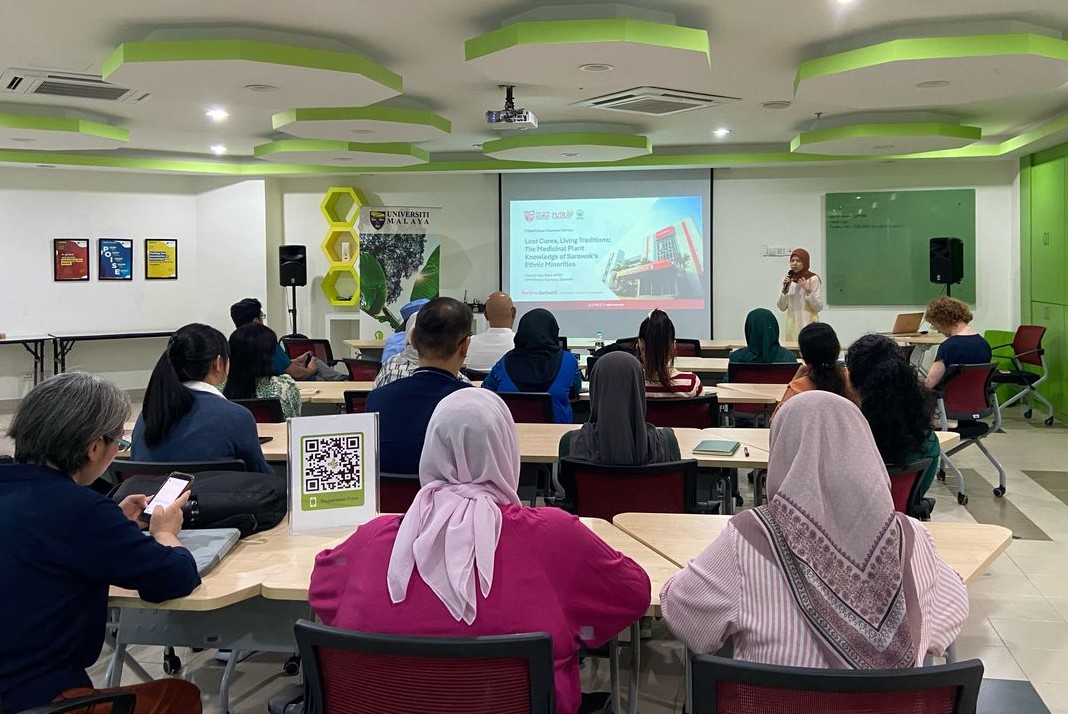
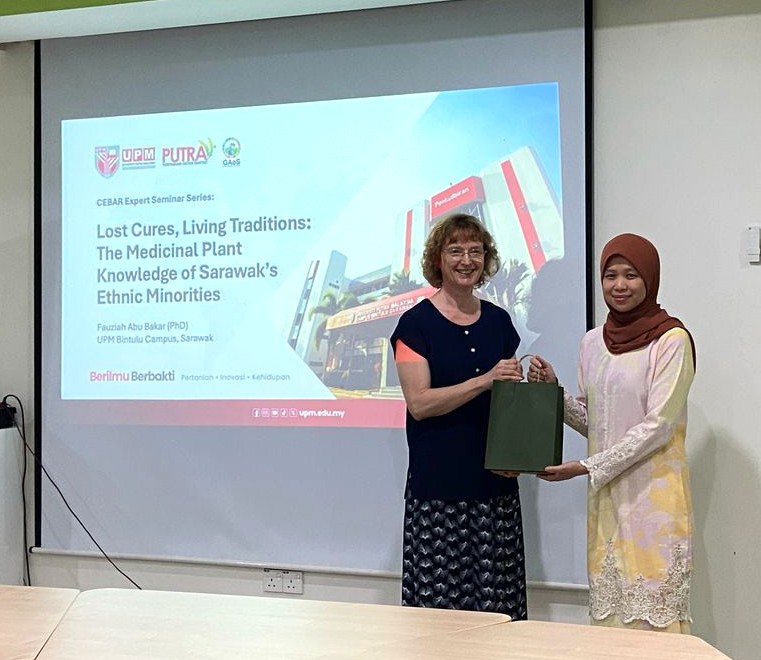
CEBAR Expert Seminar Series 2/2025 featured Dr. Fauziah Abu Bakar from Department of Crop Science, Faculty of Agricultural and Forestry Sciences, Universiti Putra Malaysia (UPM) Bintulu Campus to share her explorative work on the various traditional medicinal plants used by Sarawak ethnic minorities. In attendance at the seminar were Assoc. Prof. Dr. Maulana from the Faculty of Humanities, Management, and Science, UPM and Assoc. Prof. Dr. Najihah Mohd Hashim from the Department of Pharmaceutical Chemistry, Faculty of Pharmacy, UM.
Dr. Fauziah mentioned in her talk that there are more than 30 ethnic minority communities across Sarawak. Although her team has only started to work with seven ethnic groups so far, they have identified at least one unique medicinal plant species that is used exclusively in each ethnic group. Each plant might hold the key to new medicinal compounds that can be studied and developed into effective treatments for serious illnesses.
It will also be interesting to see the diversity of traditional medicinal plants that are known and used by the locals but has yet to be scientifically discovered and studied in the laboratory. Dr. Fauziah's work also highlights the importance of working together with the local indigenous/ethnic minorities to access the untapped resources of generational knowledge kept by the communities to advance scientific discovery.
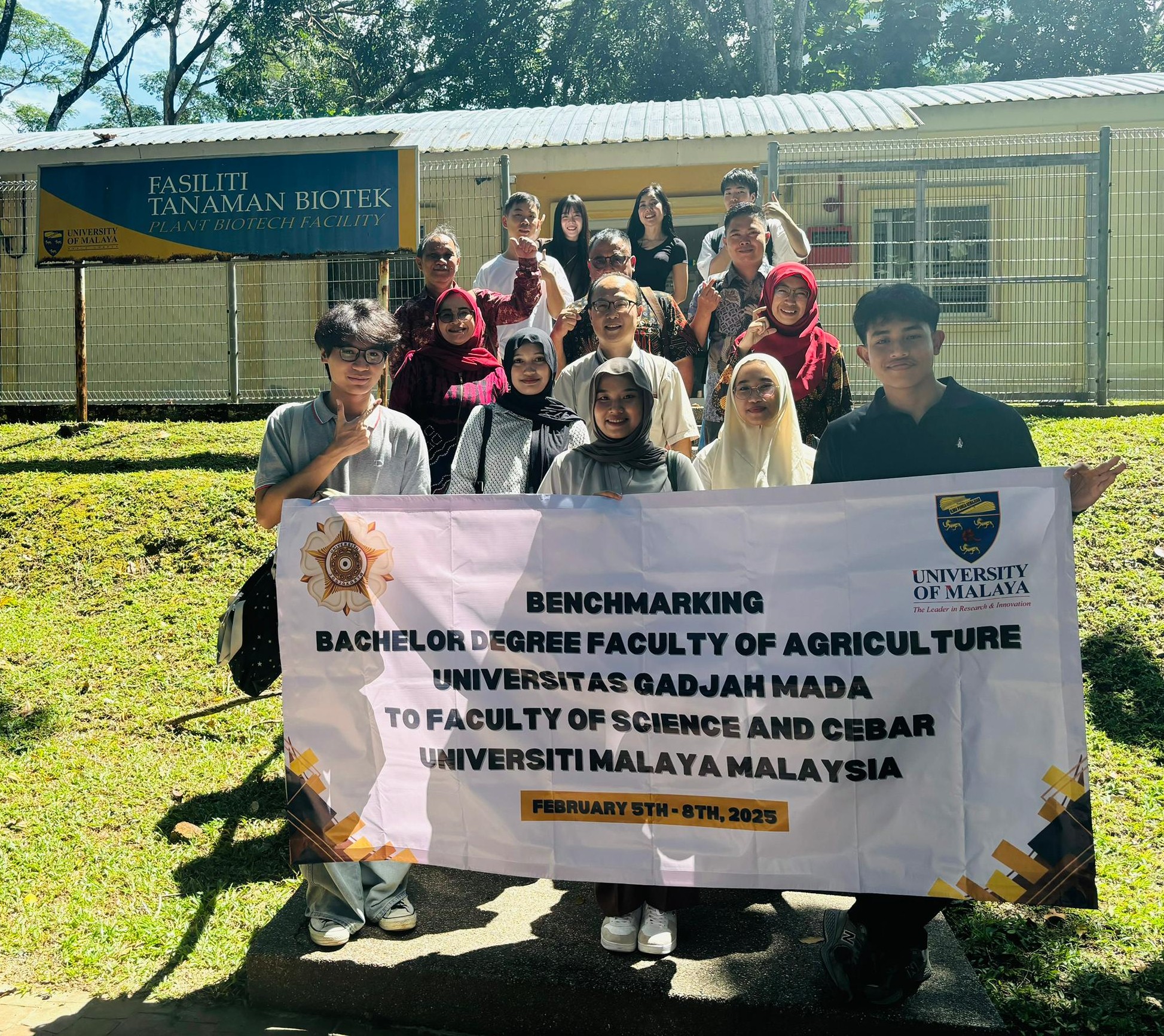
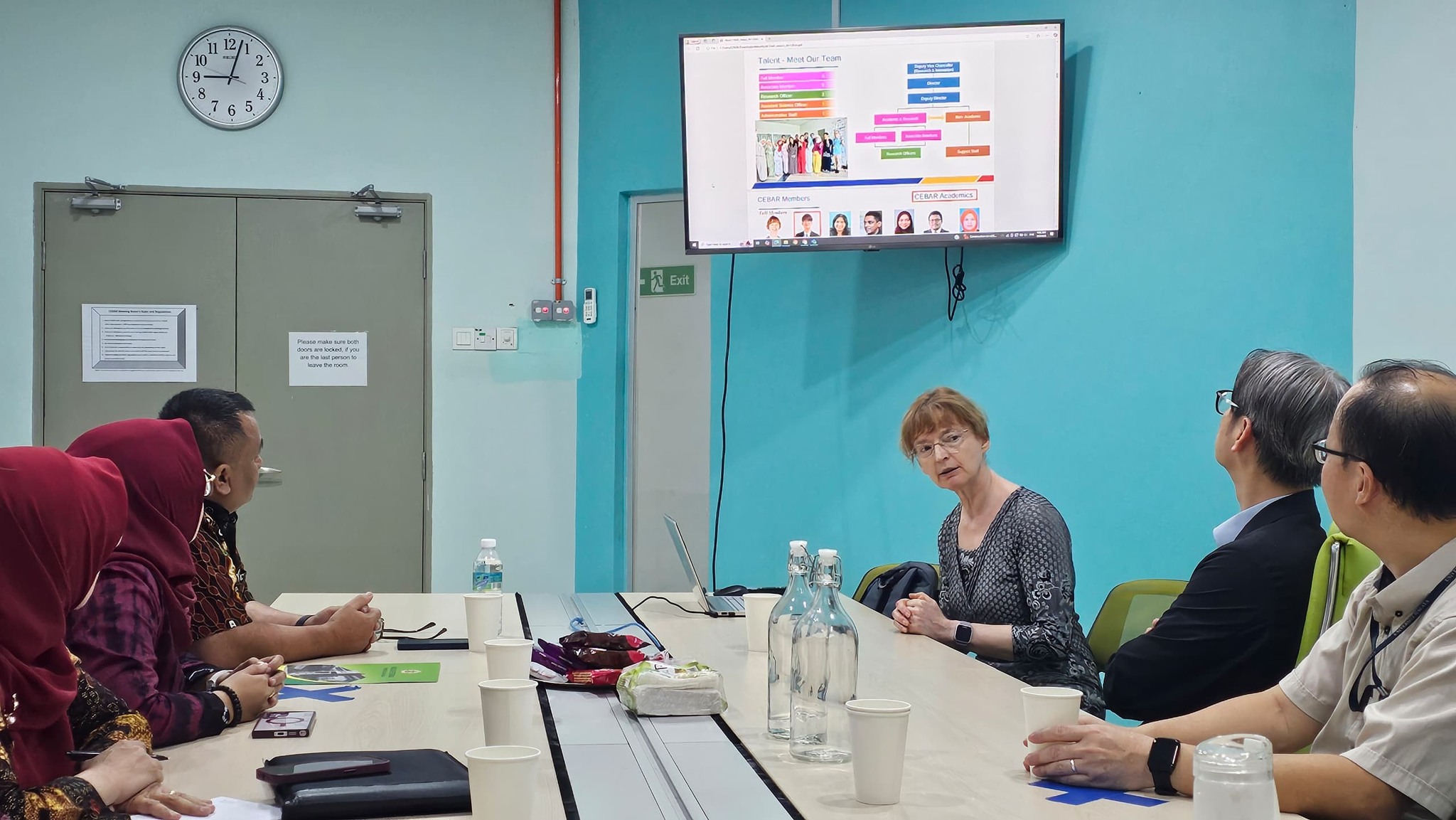
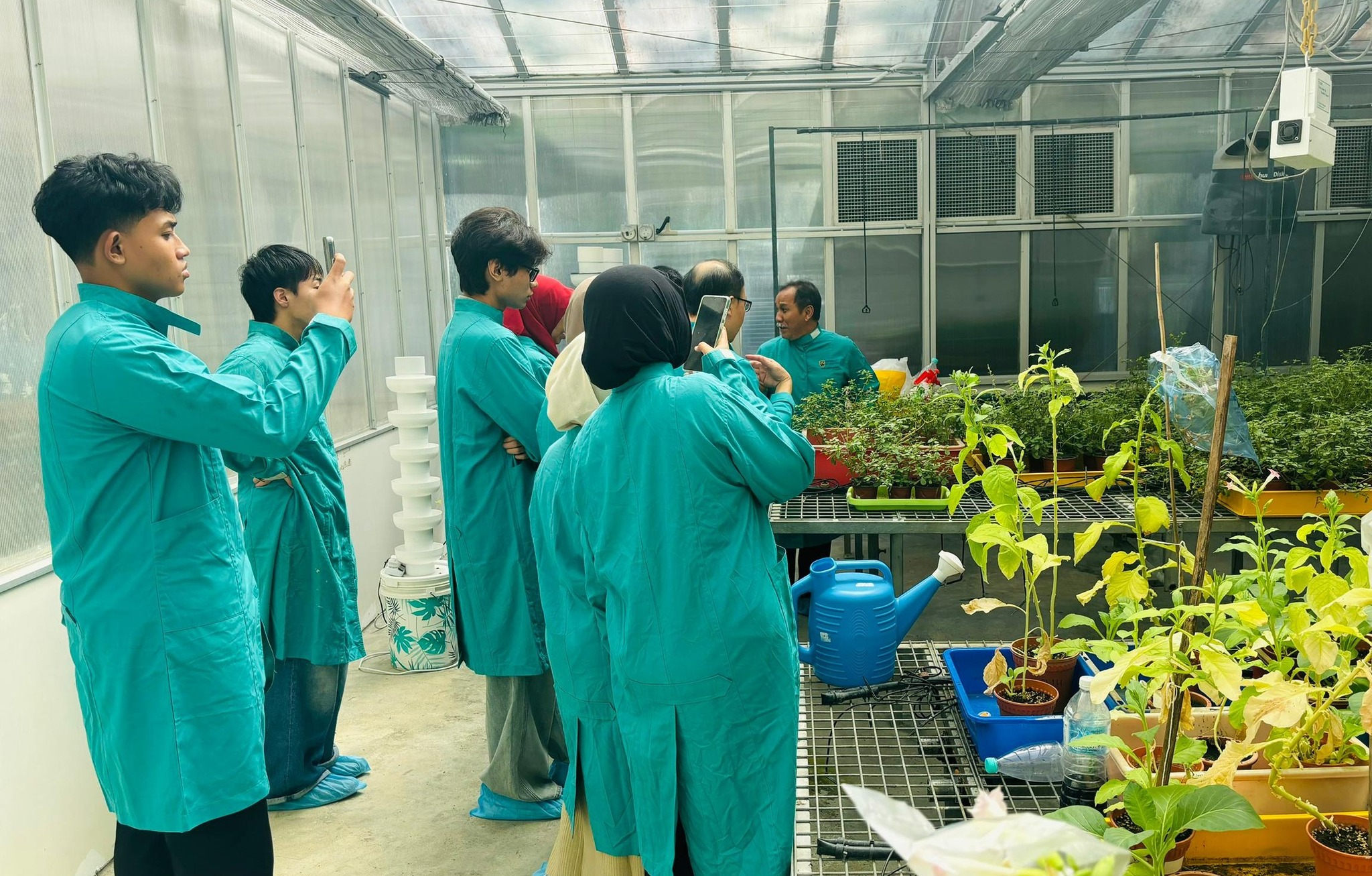
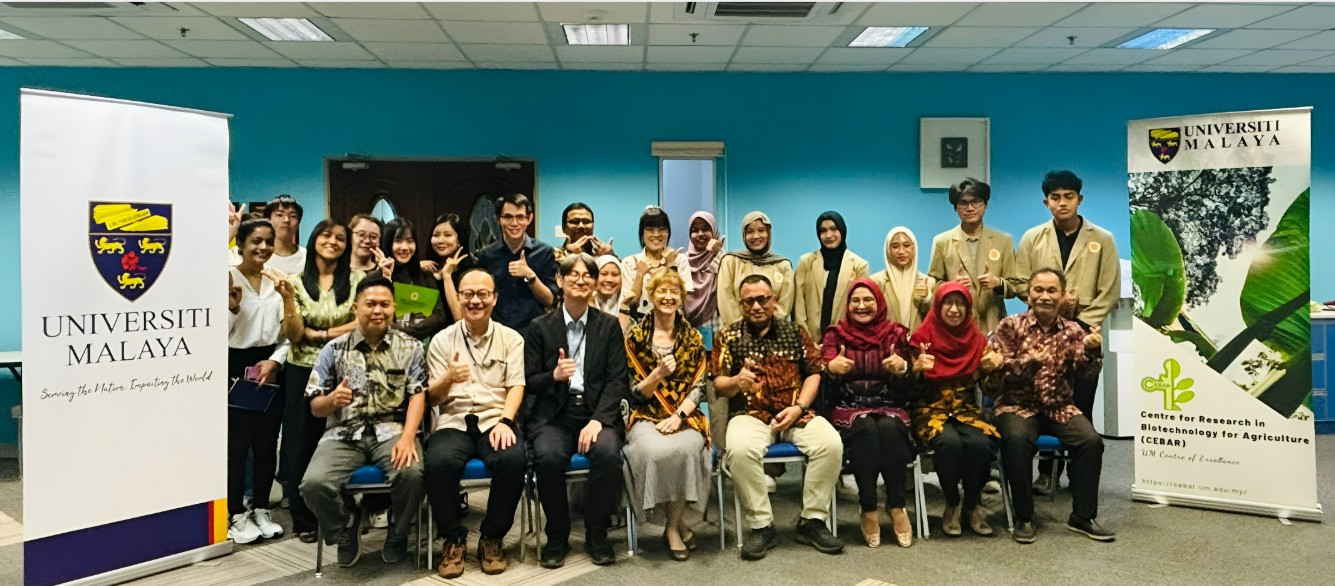
CEBAR was honoured to receive a visit by the delegation from the Faculty of Agriculture, University Gadjah Mada, Yogyakarta, Indonesia. This visit was part of the Faculty of Agriculture UGM benchmarking vsiit to Faculty of Science, University Malaya from the 5th to 8th February 2025.
The main goals of the visit were to foster closer cooperation in academic activities, including student and staff exchanges and research with CEBAR, as well as the establishment of a joint laboratory between CEBAR and the Agrotropical Learning Centre (AGLC) at the Faculty of Agriculture, UGM, with a focus on research activities related to rice and other crops.
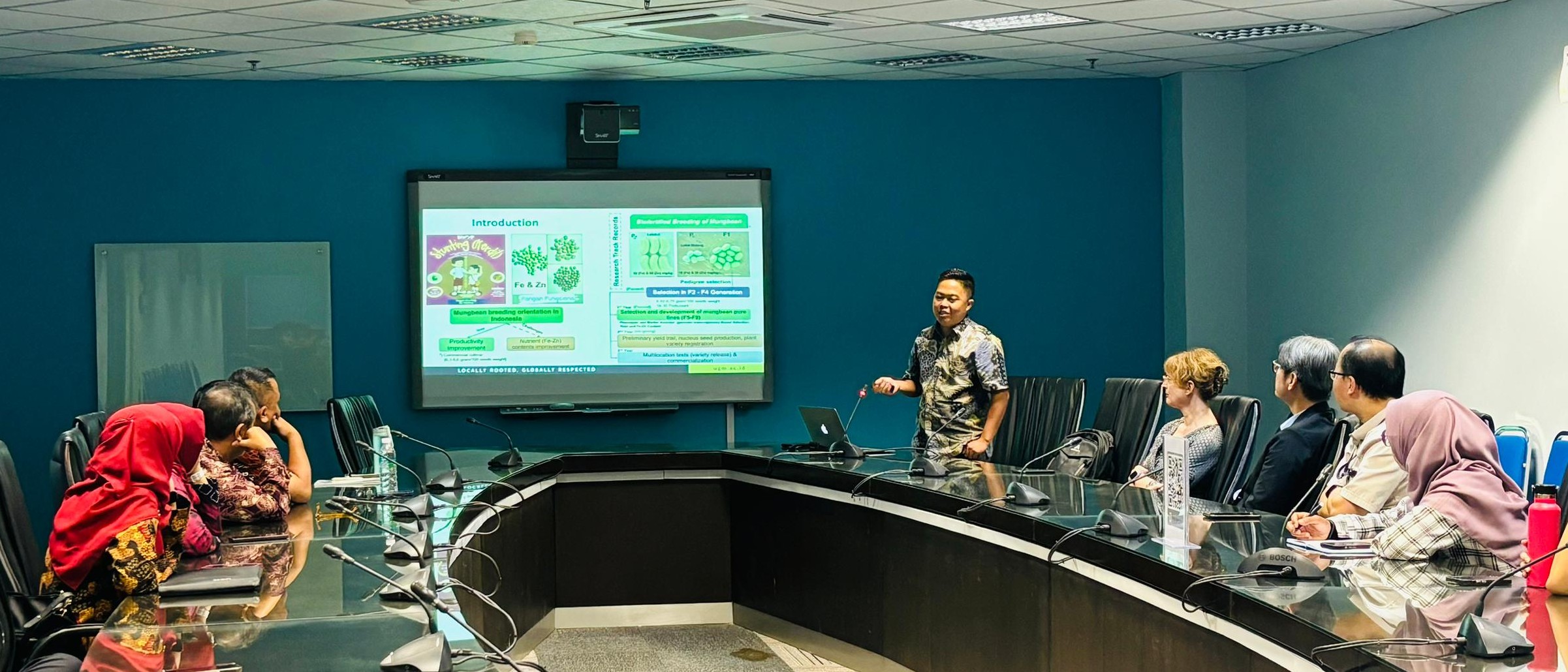
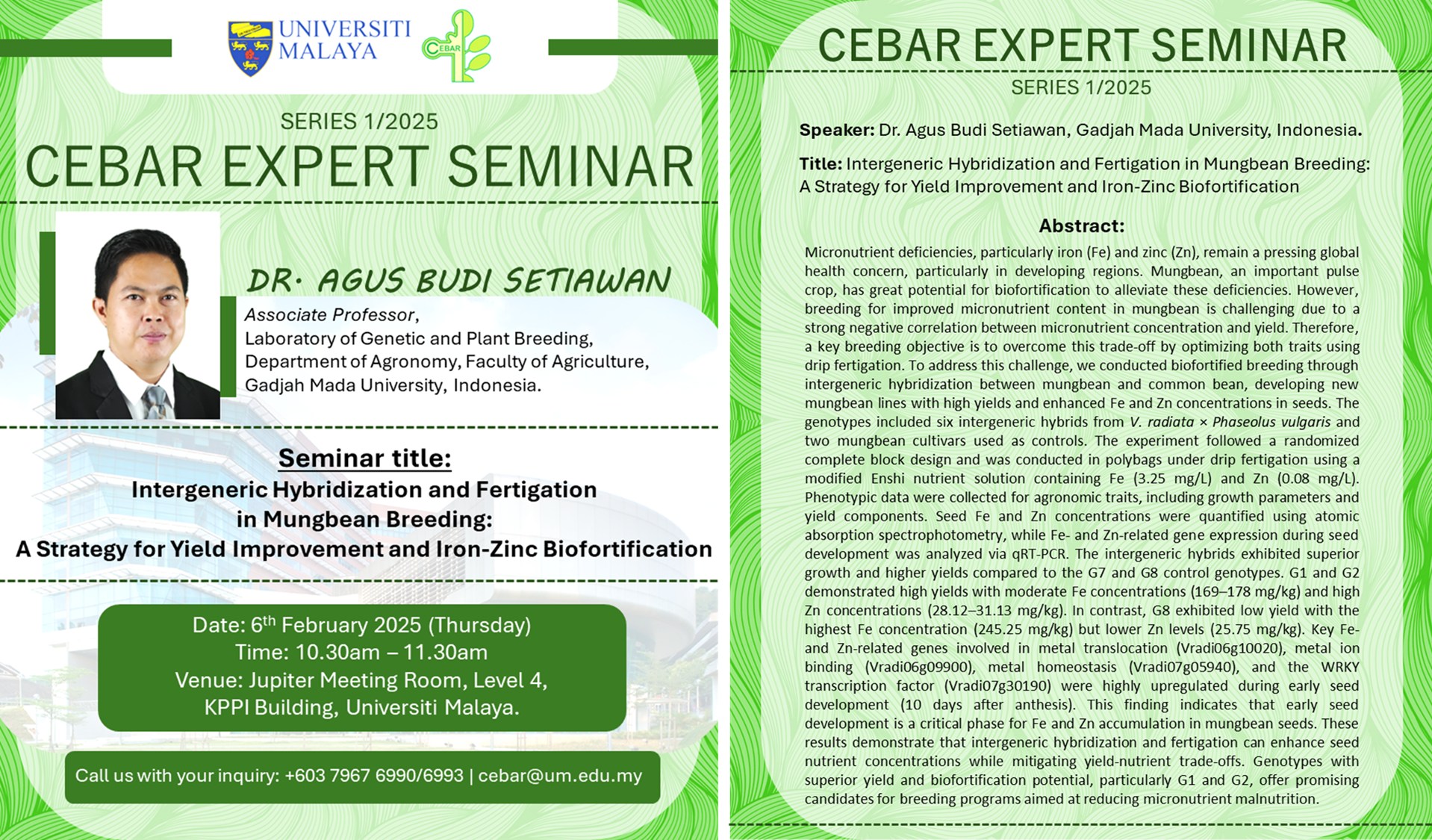
During the visit, Assistant Professor Dr. Agus Budi Setiawan also was gracious enough to spend some of his time to present his fascinating research work on the breeding and biofortification of mungbeans as part of our CEBAR Expert Seminar 2025 series. The delegate was then led by Dr. Teo Chee How and team to have a tour of the CEBAR Plant Biotech Facility.
Last Update: 18/03/2026