

.jpg)
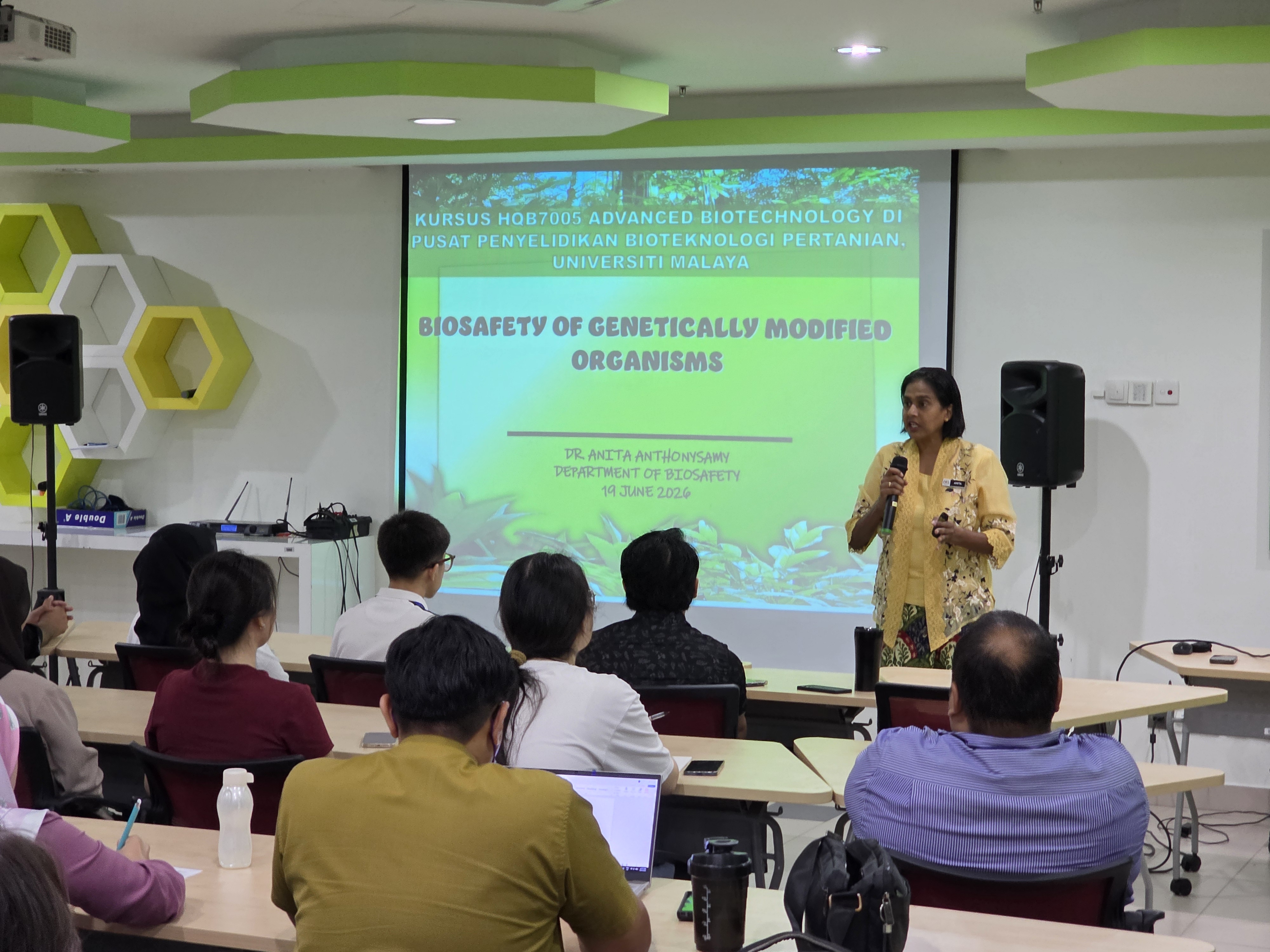
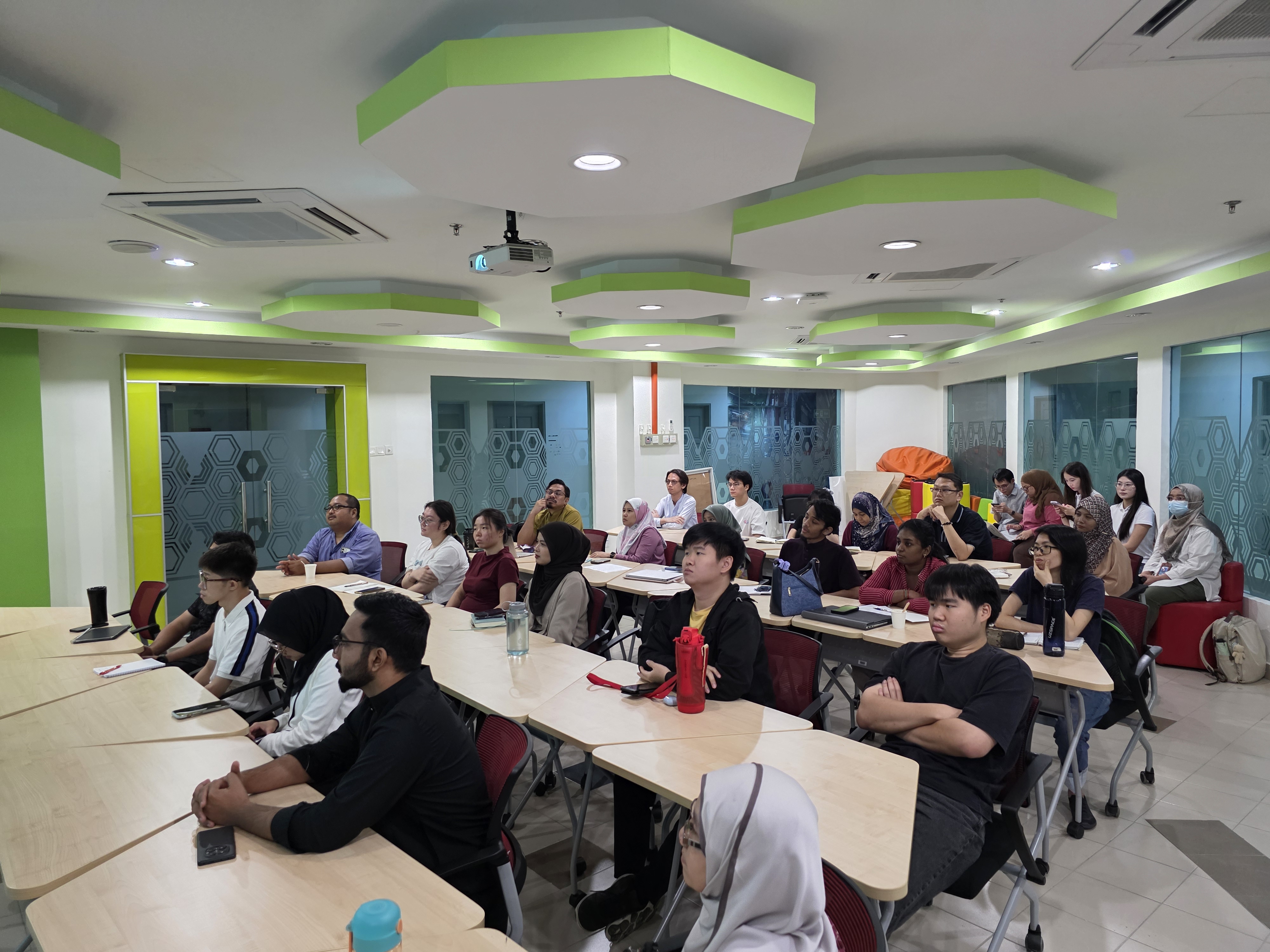
We were delighted to welcome YBrs. Dr Mohana Anita Anthonysamy, Chief Assistant Director from the Department of Biosafety, delivered an engaging session on "Biosafety of Genetically Modified Organisms" to students enrolled in the Advances in Agricultural Biotechnology course under our Master of Agricultural Biosecurity programme.
The session provided valuable insights into Malaysia's biosafety framework, regulatory considerations, and the safe application of modern biotechnology. We sincerely thank Dr Anita for sharing her expertise and enriching our students' learning experience.
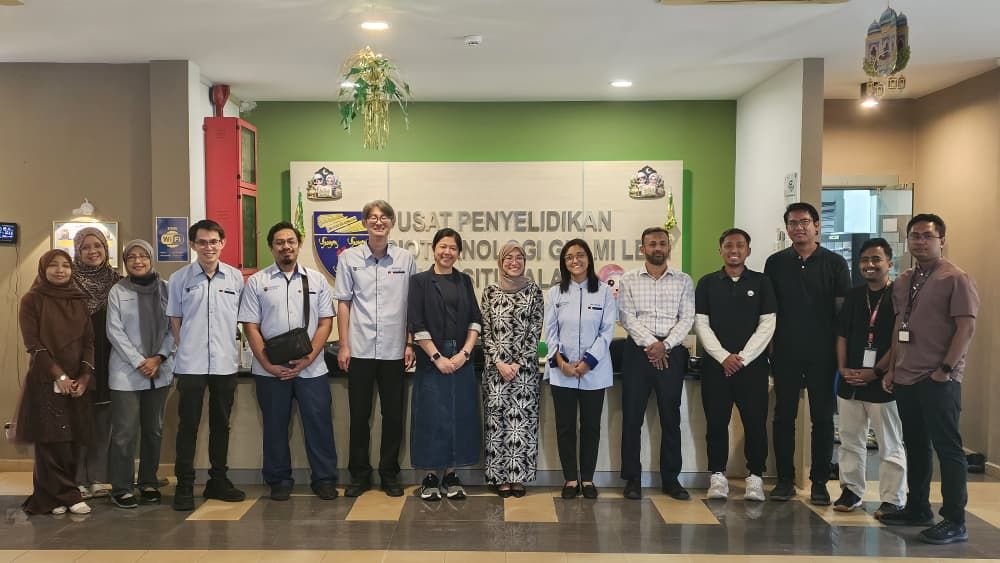
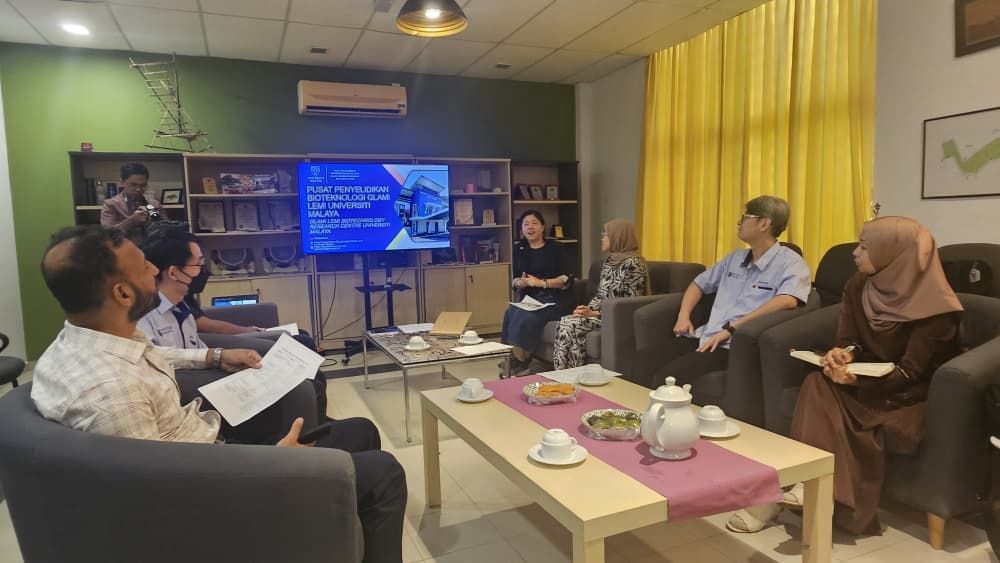
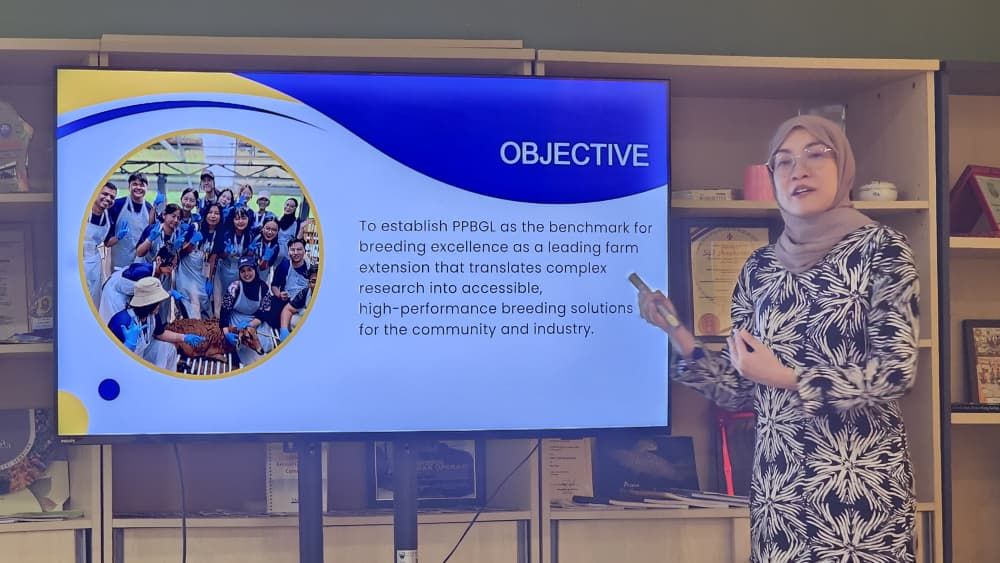
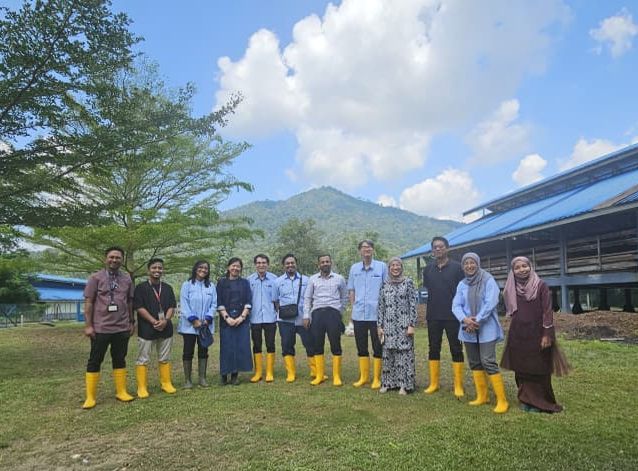
CEBAR had a really fruitful visit to Pusat Penyelidikan Bioteknologi Glami Lemi (PPBGL) Universiti Malaya on 23rd April 2026.
The CEBAR delegation was led by its Director, A/P Dr. Tan Boon Chin, accompanied by several Principal Investigators (PIs). The team was warmly welcomed by PPBGL Director Dr. Nuradilla Mohamad Fauzi, and her team.
During the visit, Dr. Nuradilla provided an insightful introduction to PPBGL, highlighting its vision, research focus, and ongoing initiatives in agricultural biotechnology and animal science. This was followed by an engaging discussion between both teams on potential areas collaboration and strategies to work synergistically in advanced agribiotechnology research at Universiti Malaya and contributing to the development of the field in Malaysia.
The visit concluded on a positive note, with both parties expressing enthusiasm for the promising opportunities for future collaboration between CEBAR and PPBGL.
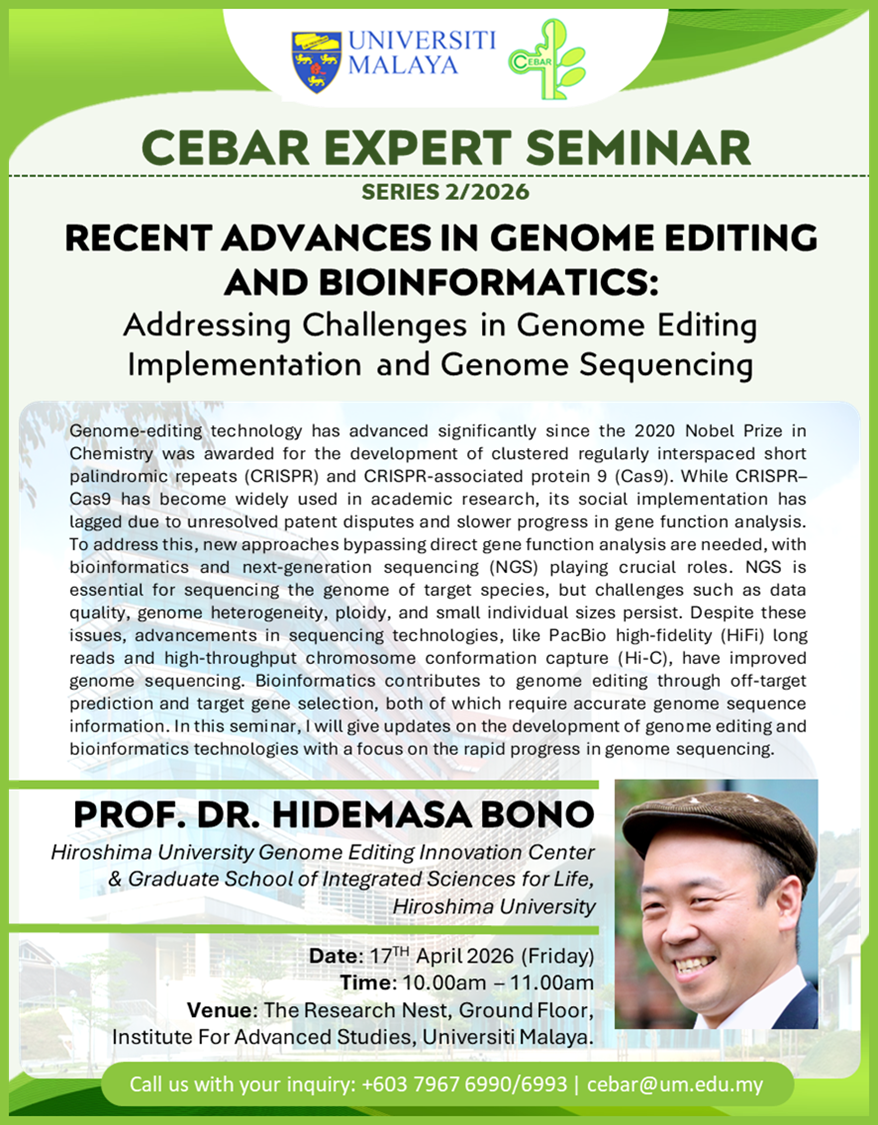
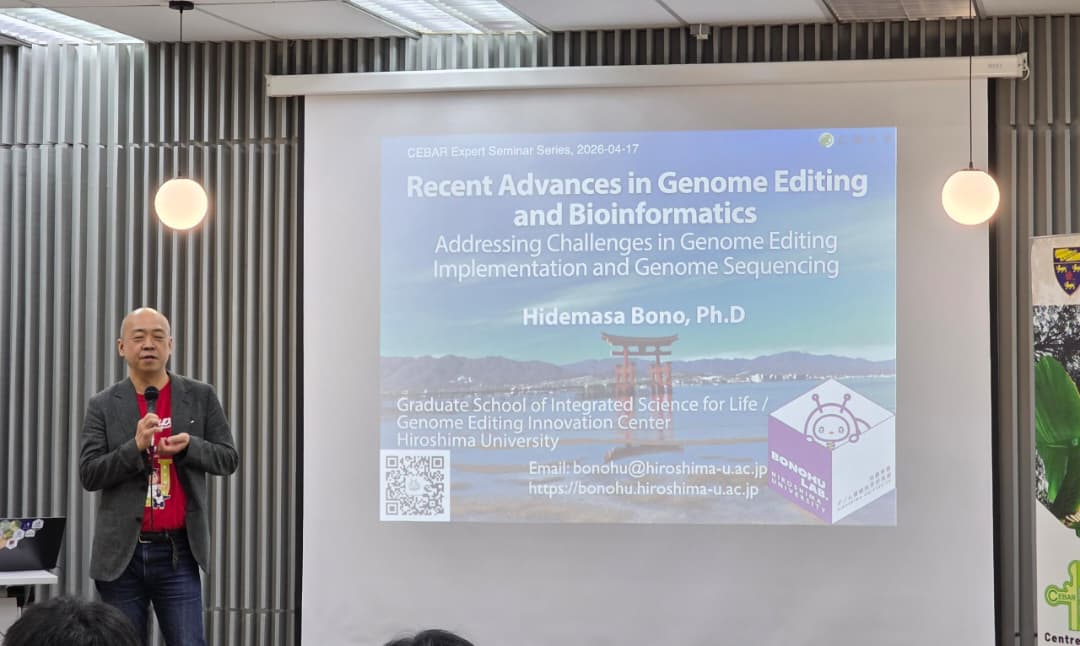
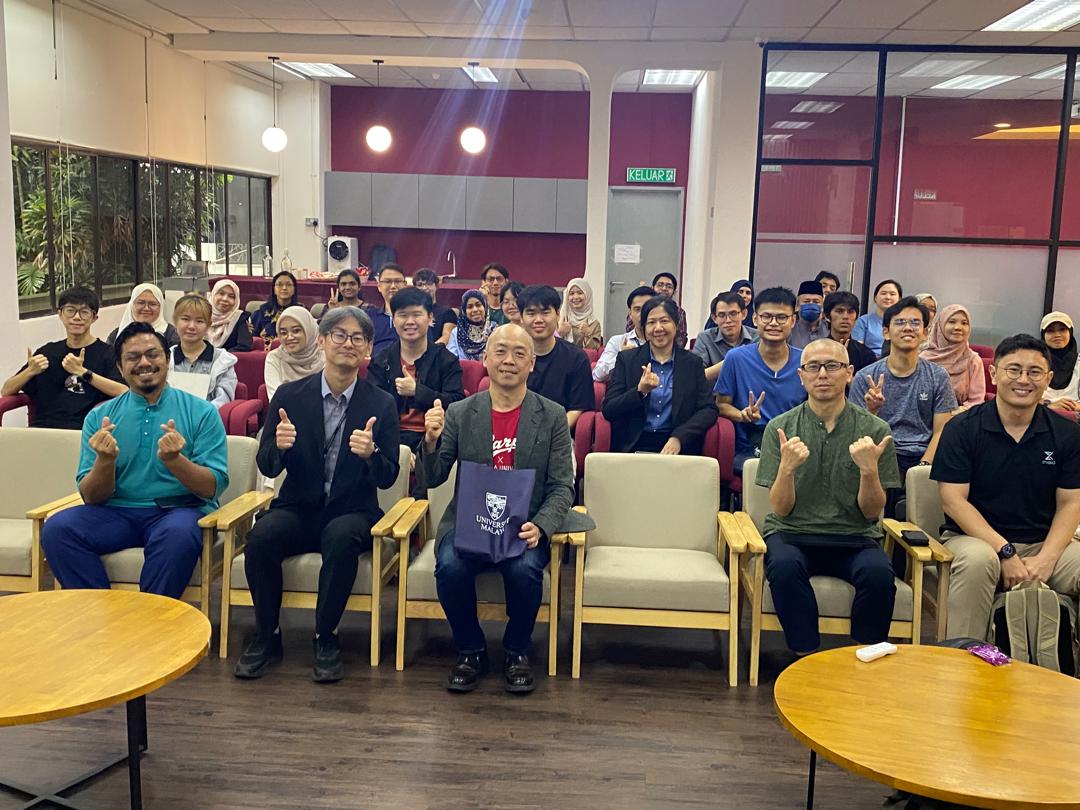
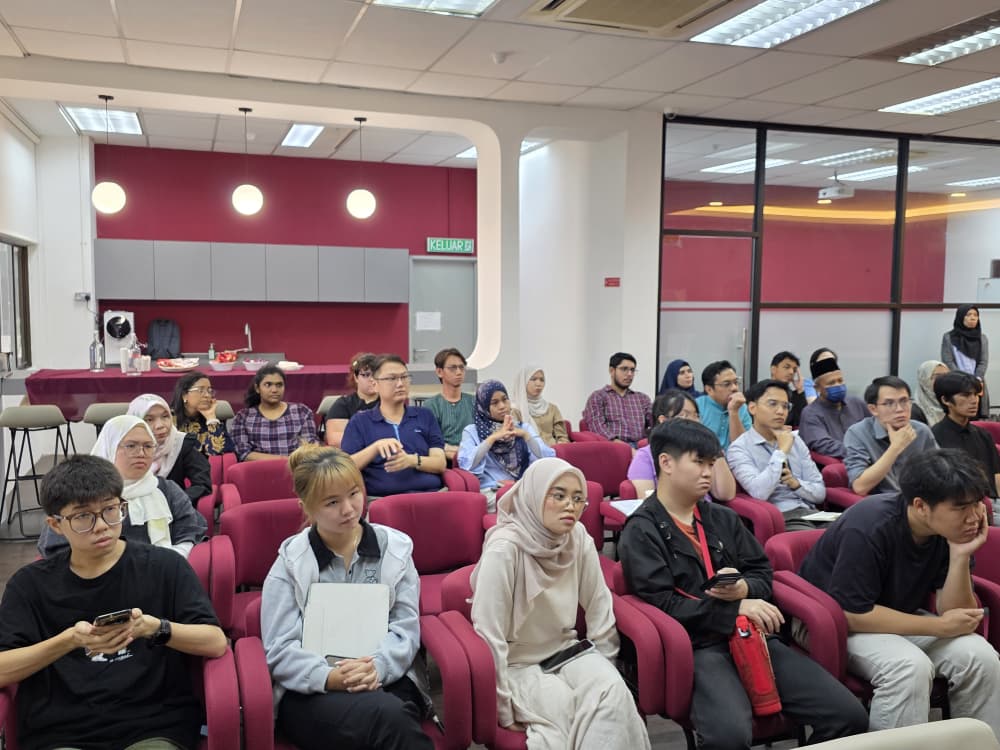
CEBAR continues its 2026 Expert Seminar Series with a distinguished session by Prof. Dr. Hidemasa Bono from the Hiroshima University Genome Editing Innovation Center and the Graduate School of Integrated Sciences for Life, Hiroshima University. A leading expert in bioinformatics and genome sciences, Prof. Bono brings valuable insights into the rapidly evolving landscape of genome editing technologies.
This seminar highlights recent advances in genome editing and bioinformatics, particularly in addressing key challenges in implementation and genome sequencing. While CRISPR-Cas9 has revolutionised research, its broader application continues to face limitations, including patent issues and gaps in gene function analysis. The session explores how emerging approaches, supported by bioinformatics and next-generation sequencing (NGS), are helping to overcome these barriers.
Overall, the seminar emphasises the importance of integrating genome editing and bioinformatics to enhance accuracy, overcome current limitations, and drive innovation in life sciences.
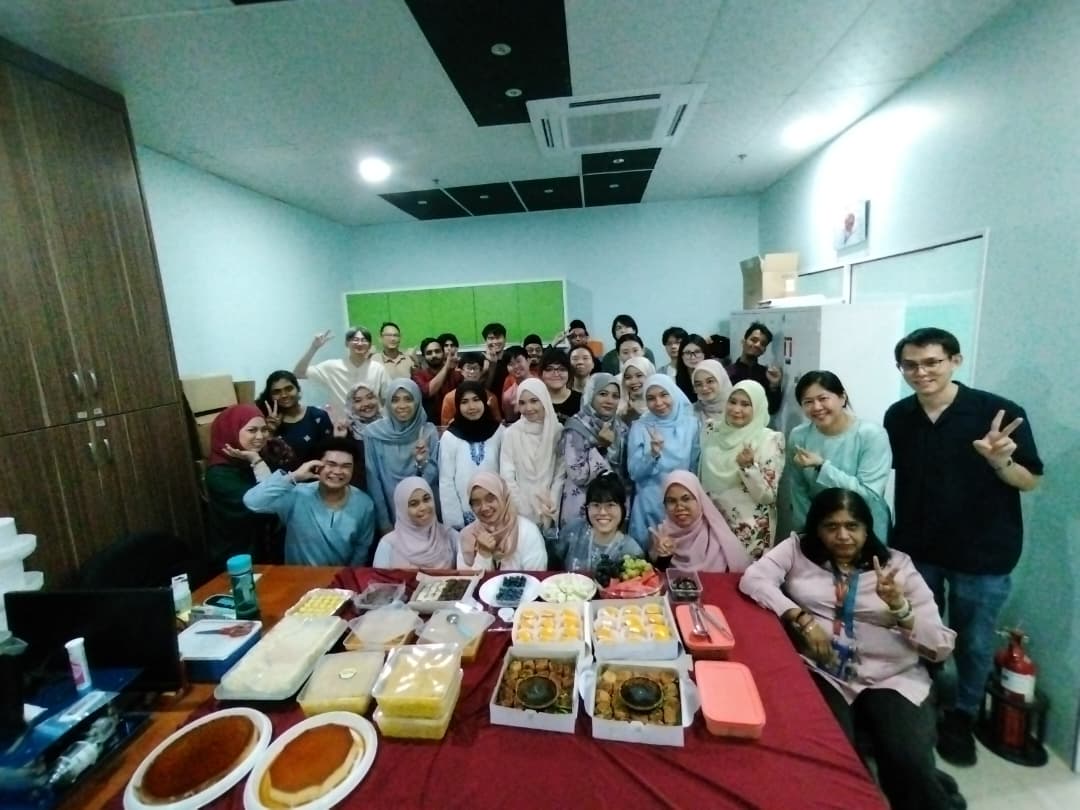
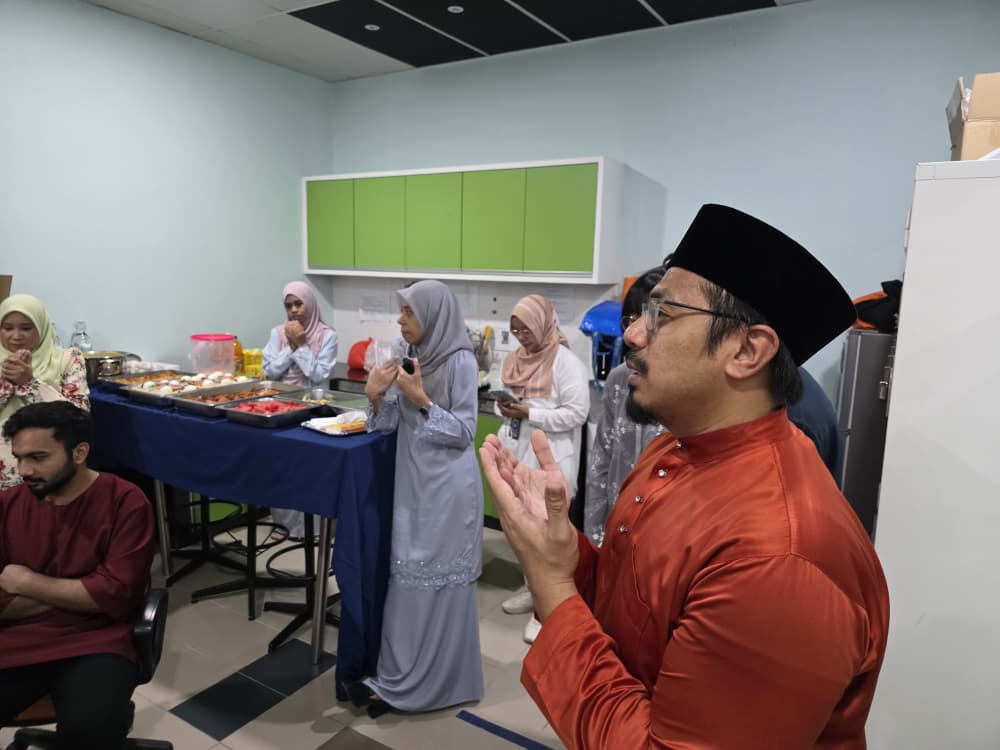
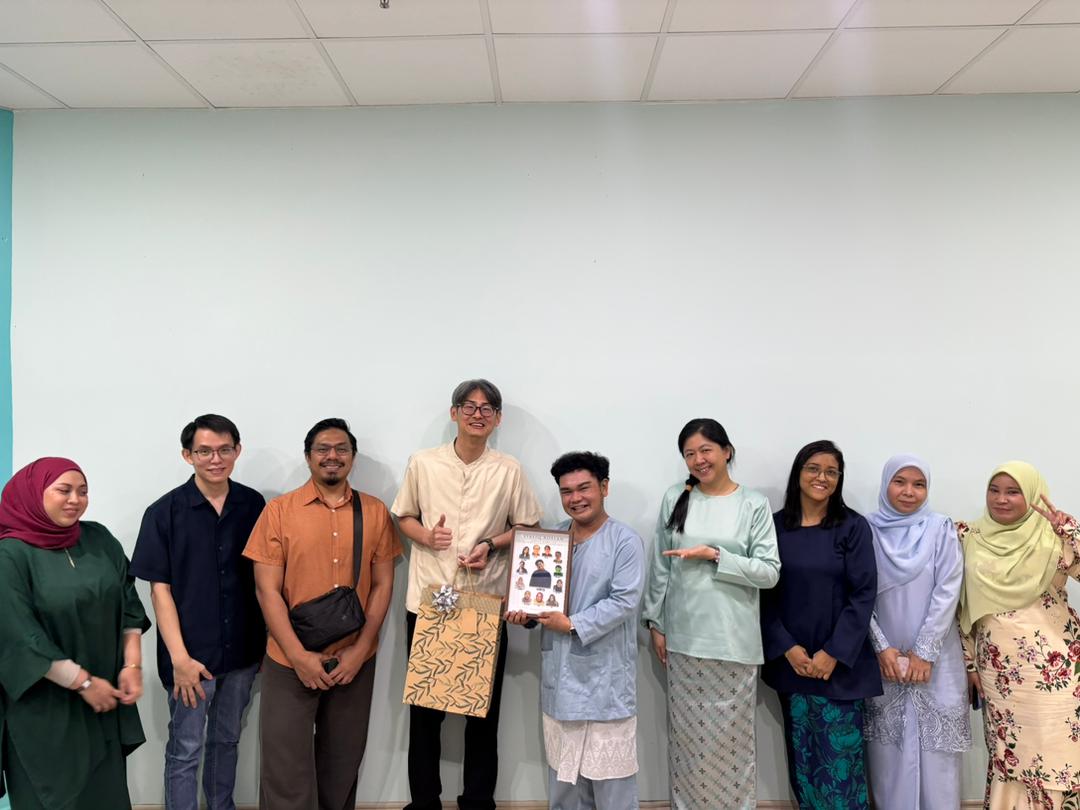
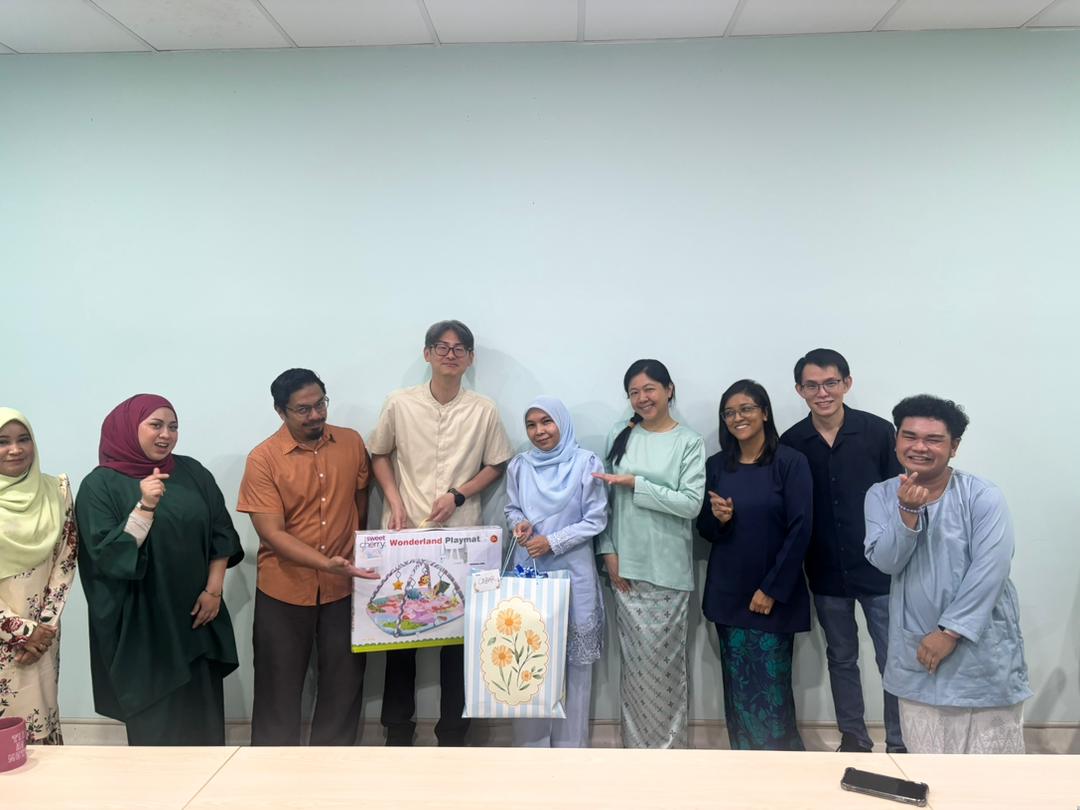
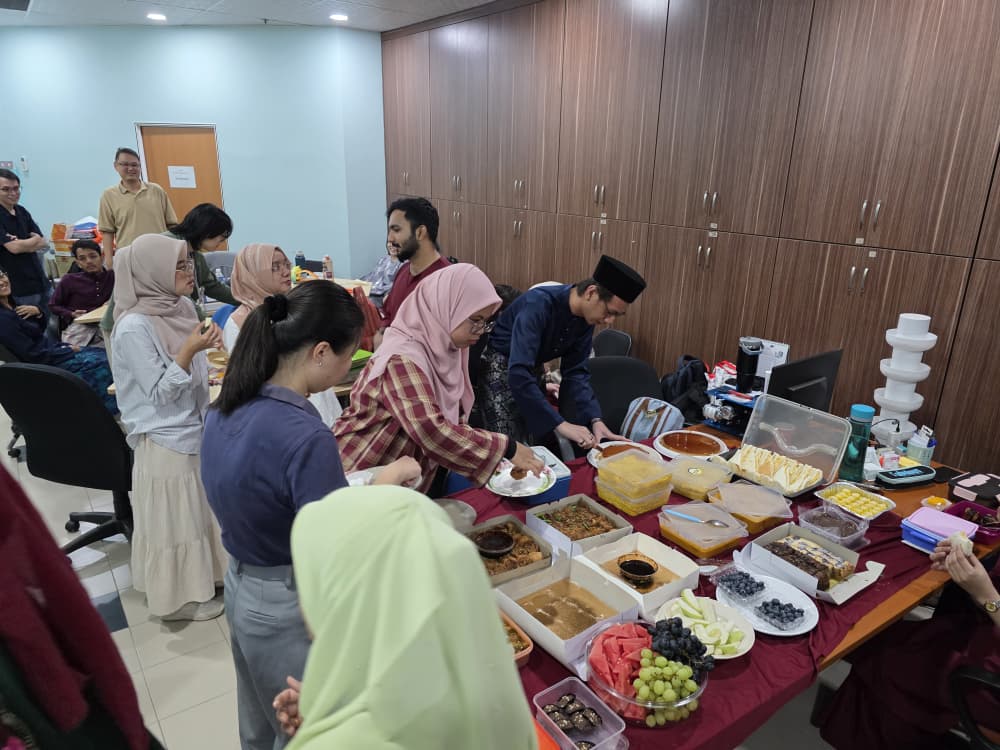
The CEBAR Raya Potluck 2026, brought together staff, students, and members of the CEBAR community in a warm and festive celebration of Hari Raya. The event showcased a vibrant spread of homemade dishes and traditional delicacies, reflecting the diversity and spirit of togetherness within the centre. Attendees embraced the occasion in traditional attire, creating a lively and culturally rich atmosphere.
A special highlight of the gathering was the presentation of a farewell token of appreciation to Mr. Syafiq, who served as a Research Assistant for eight months, in recognition of his valuable contributions. In addition, a maternity gift was presented to Dr. Norhafiza, celebrating this meaningful milestone.
Beyond the food, the potluck served as a meaningful platform to strengthen camaraderie, foster closer connections, and celebrate the values of unity, gratitude, and shared joy within the CEBAR family.
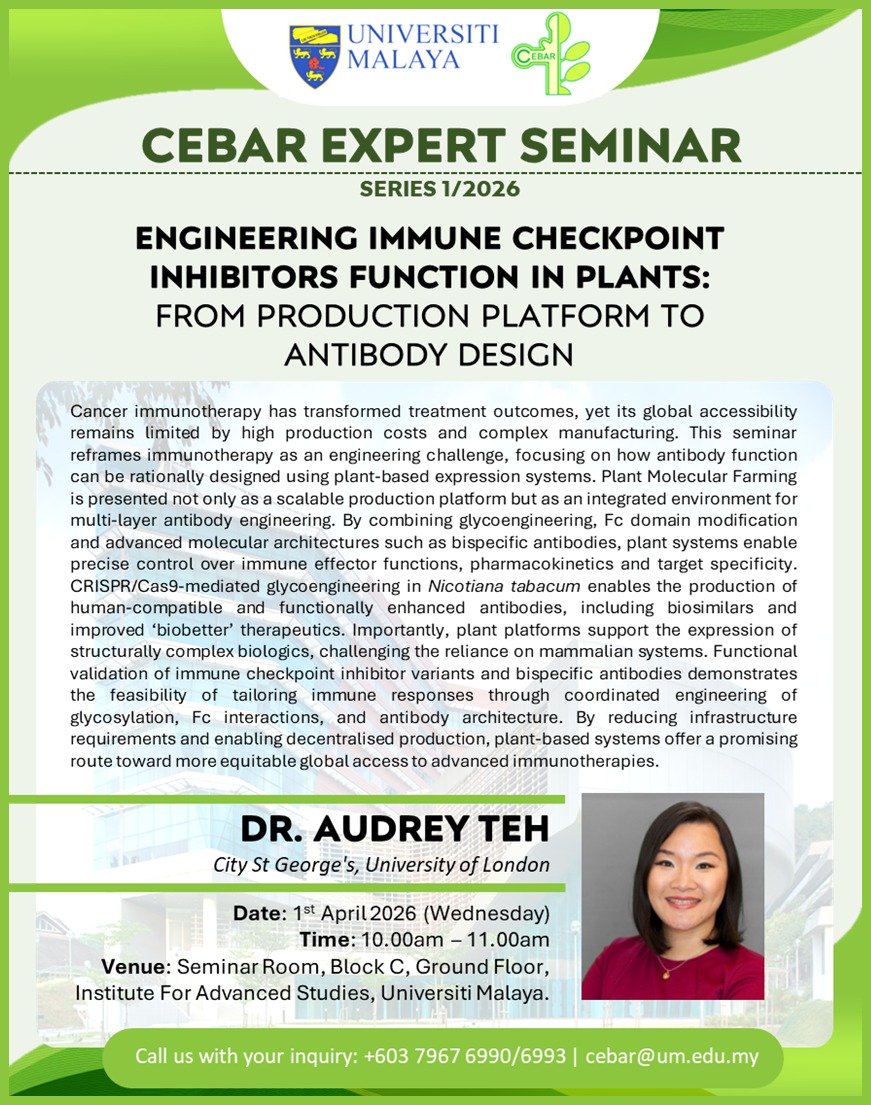
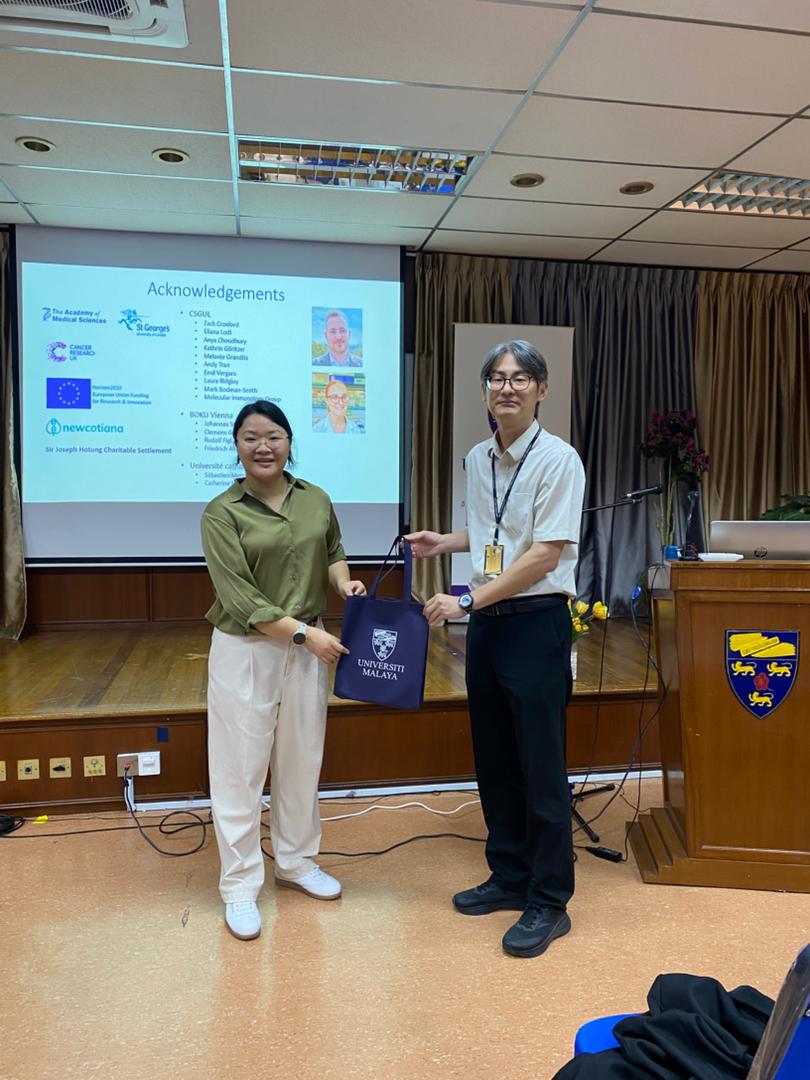
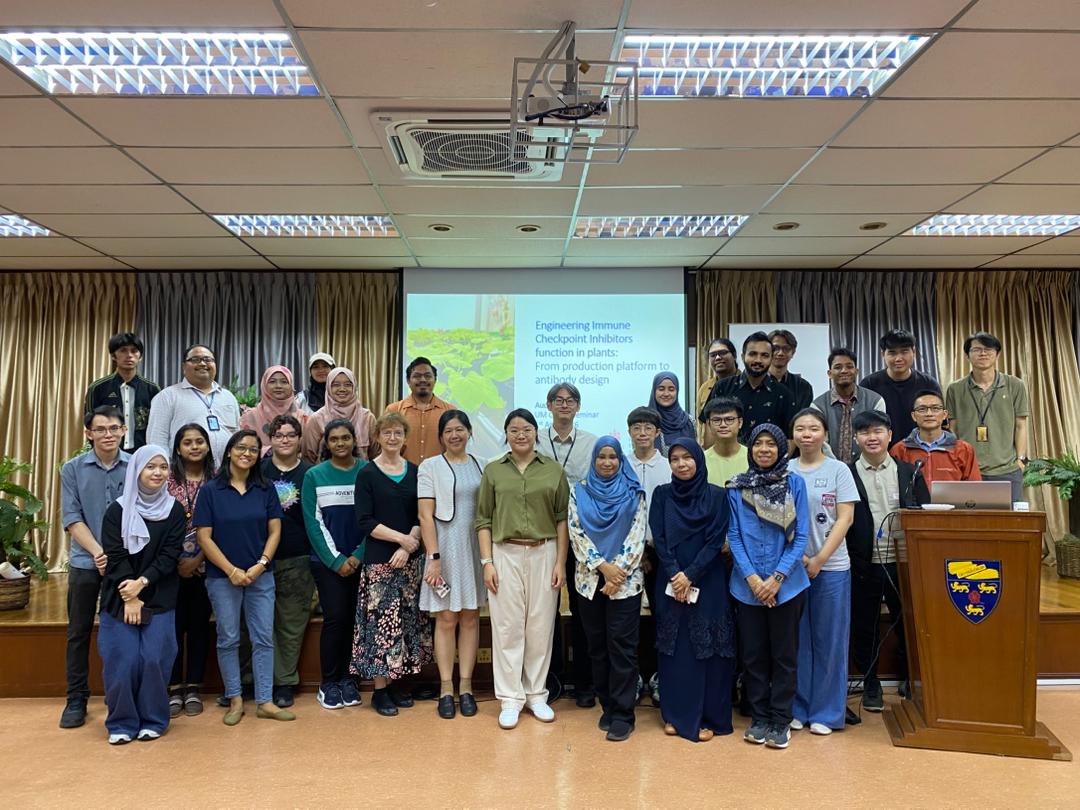
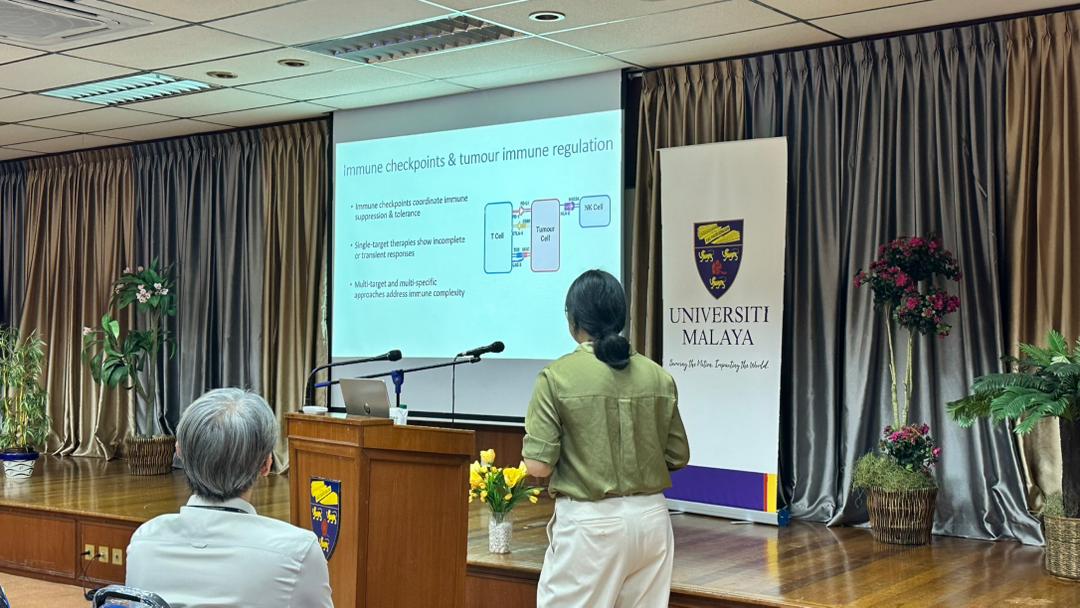
CEBAR is proud to launch its 2026 Expert Seminar Series with the first session delivered by Dr. Audrey Teh from City St George’s, University of London. As the opening speaker of the year, Dr. Teh brings her expertise in antibody engineering and plant-based biotechnology to address current challenges in cancer immunotherapy.
This seminar explores innovative approaches in engineering immune checkpoint inhibitors using plant-based systems. By positioning plant molecular farming as a scalable and cost-effective alternative, the session highlights how antibody functions can be precisely designed through advanced techniques such as glycoengineering, Fc domain modification, and bispecific antibody development.
Using Nicotiana tabacum as a model system, the seminar demonstrates how CRISPR/Cas9-mediated engineering enables the production of human-compatible and functionally enhanced antibodies. These plant-based platforms not only support the development of biosimilars and next-generation therapeutics but also provide a sustainable solution for producing complex biologics.
As the first seminar in the CEBAR Expert Seminar Series 2026, this session sets the stage for impactful discussions on advancing biotechnology solutions and improving global accessibility to immunotherapy.
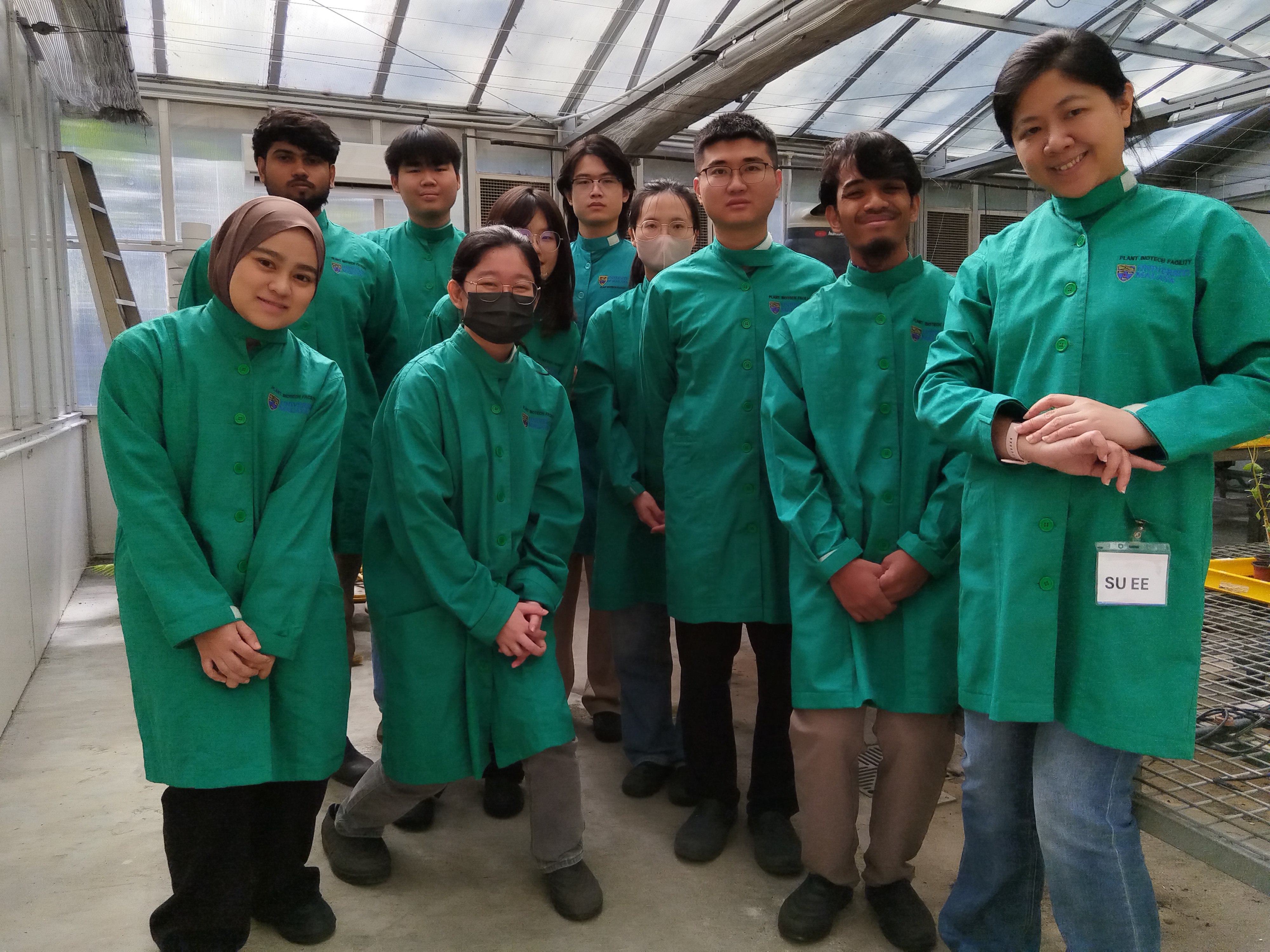
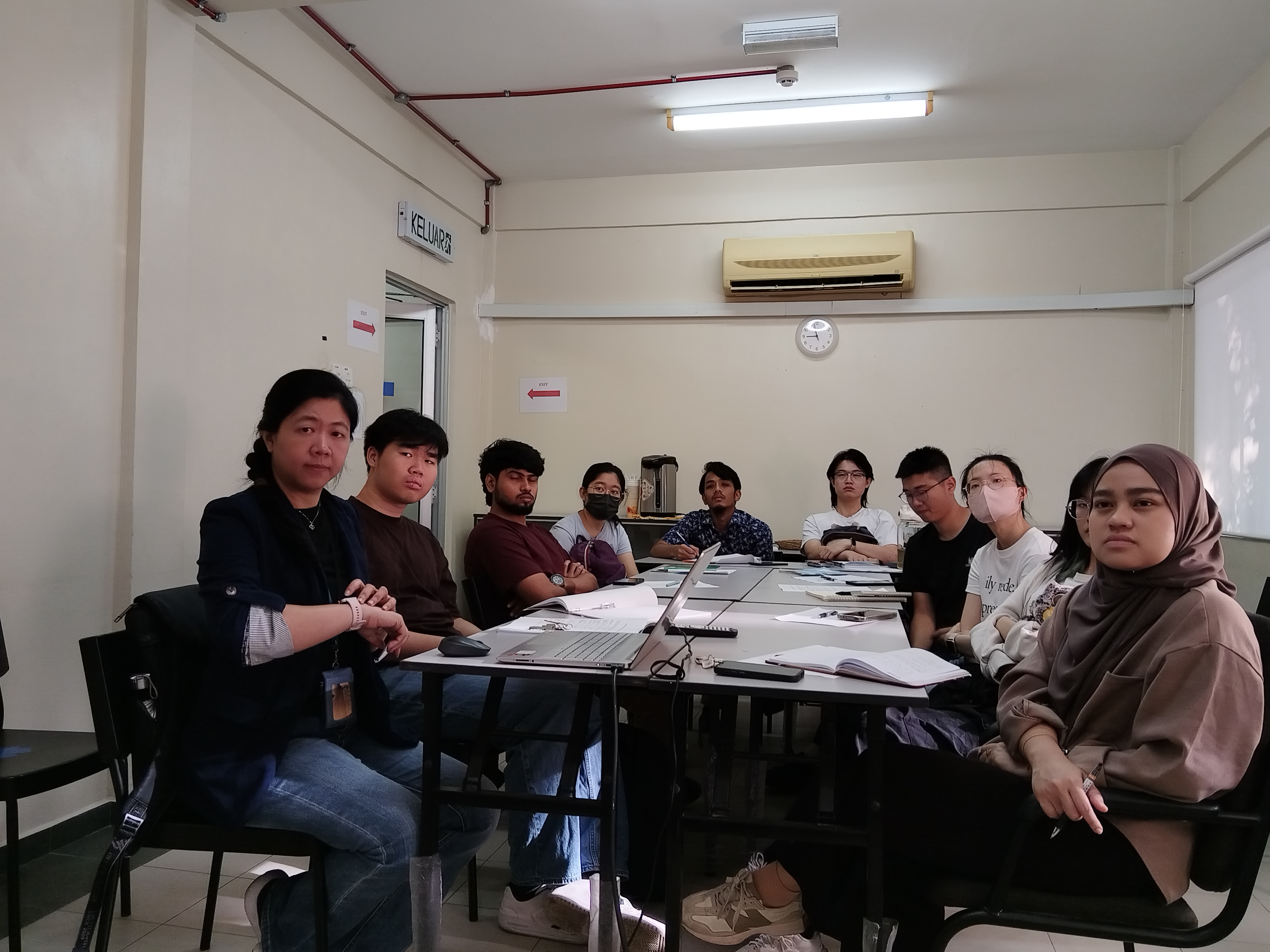
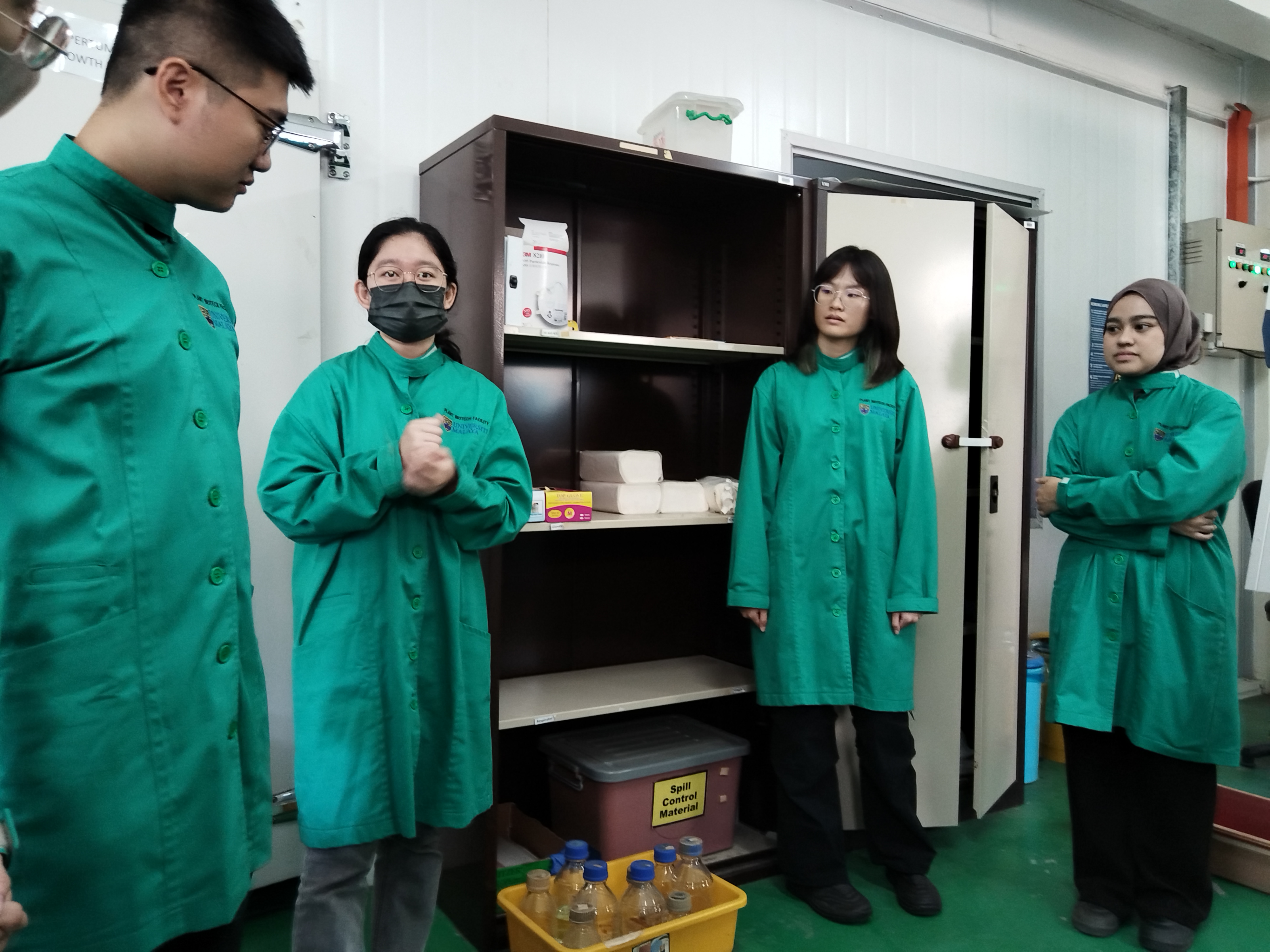
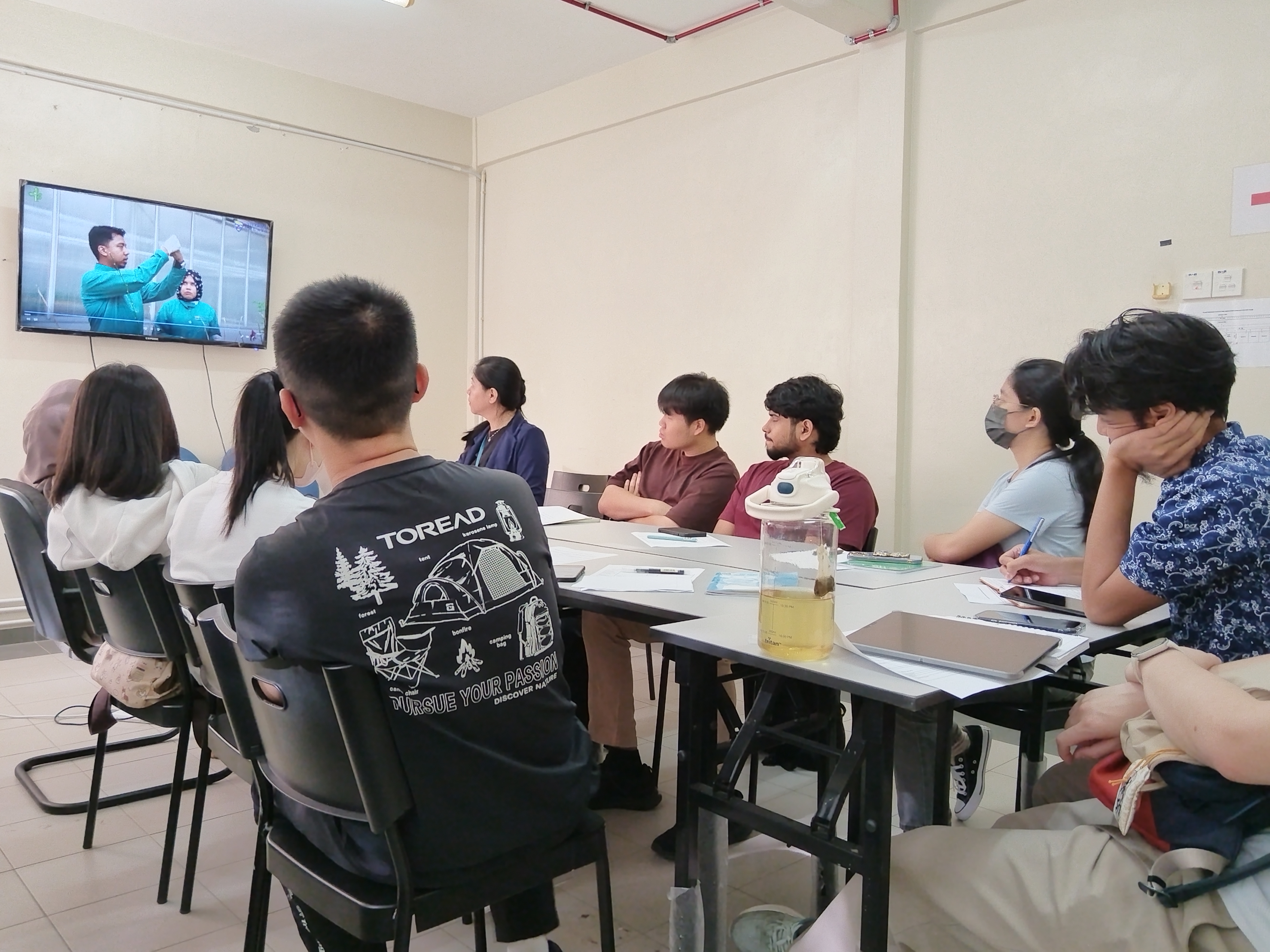
On 19th March 2026, CEBAR hosted a training session on Good Practices in Biosafety Level 2 (GP-BSL2) at the Plant Biotech Facility for our postgraduate students and laboratory personnel. The morning workshop was specifically designed to equip attendees with knowledge of national biosafety regulations, risk assessment protocols, and the safe handling of biological agents and Genetically Modified Organisms (GMOs). By the end of the session, participants demonstrated practical competency in vital BSL-2 laboratory operations, bio-waste management, and emergency response, successfully enhancing our institutional biosafety capacity and reinforcing CEBAR's ongoing commitment to safeguarding the research community through safe, responsible science.
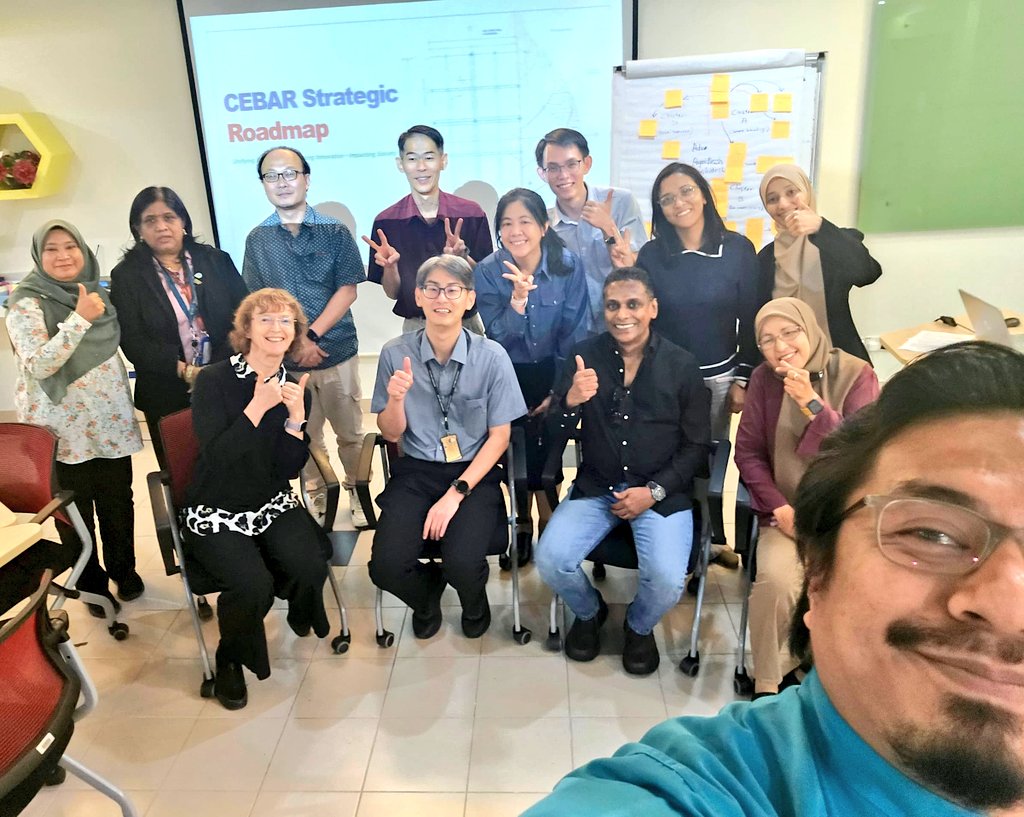
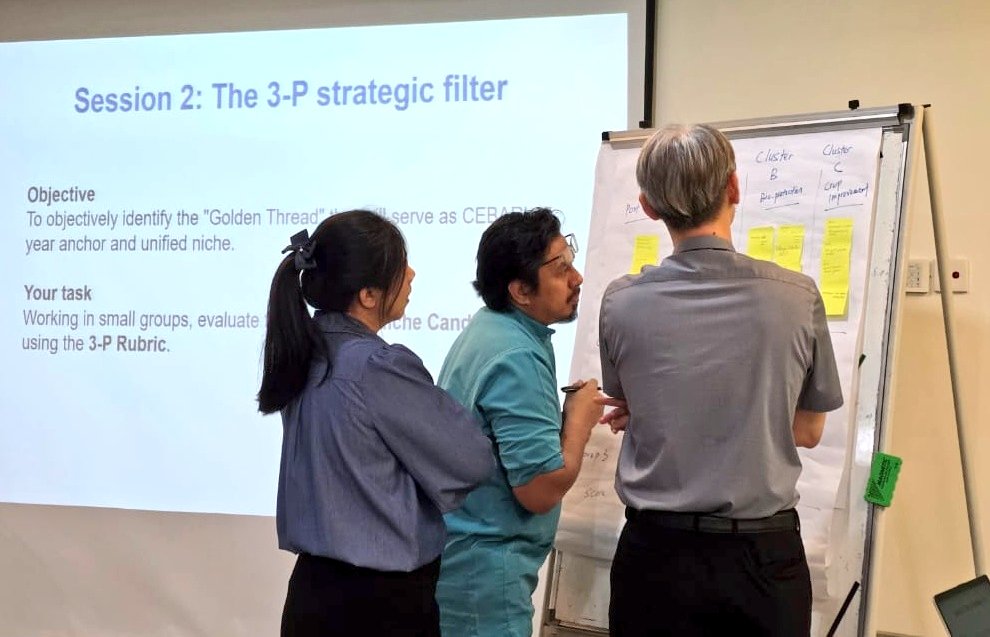
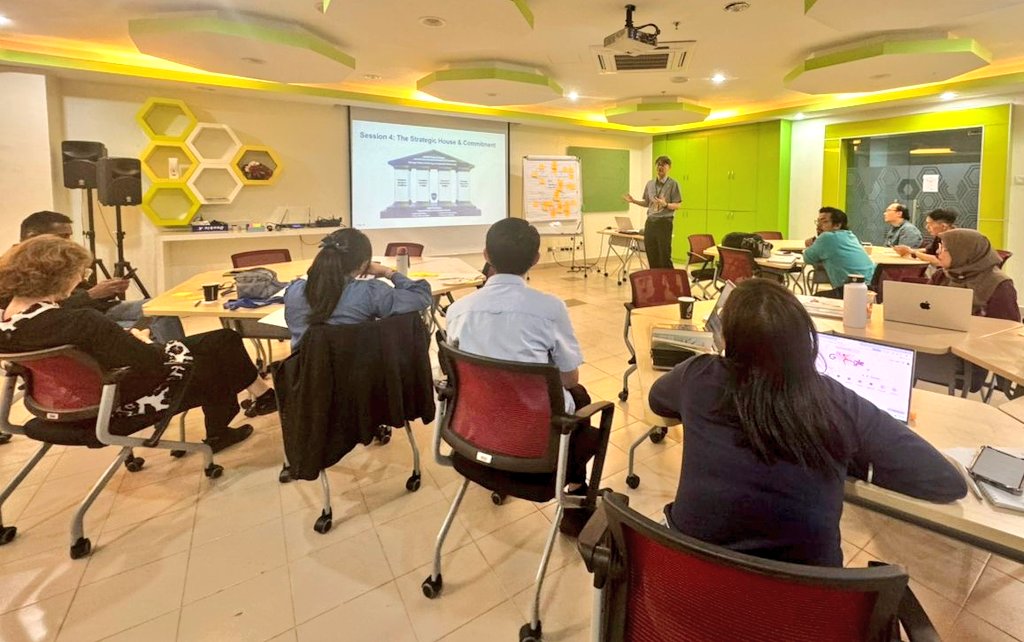
CEBAR successfully conducted a productive strategic brainstorming workshop led by CEBAR Director Assoc. Prof. Dr. Tan Boon Chin, bringing together team members to refine the centre's niche area and establish its strategic direction in advanced agri-biotechnology.
The workshop facilitated in-depth discussions, collaborative idea generation, and alignment of research priorities to strengthen CEBAR's role in agricultural biotechnology research. The outcomes of this session have resulted in a clearly defined strategic roadmap to guide future initiatives and innovations.
CEBAR extends its appreciation to all participants for their valuable contributions and insightful ideas. The centre looks forward to advancing into the next phase of impactful research and development in agri-biotechnology.
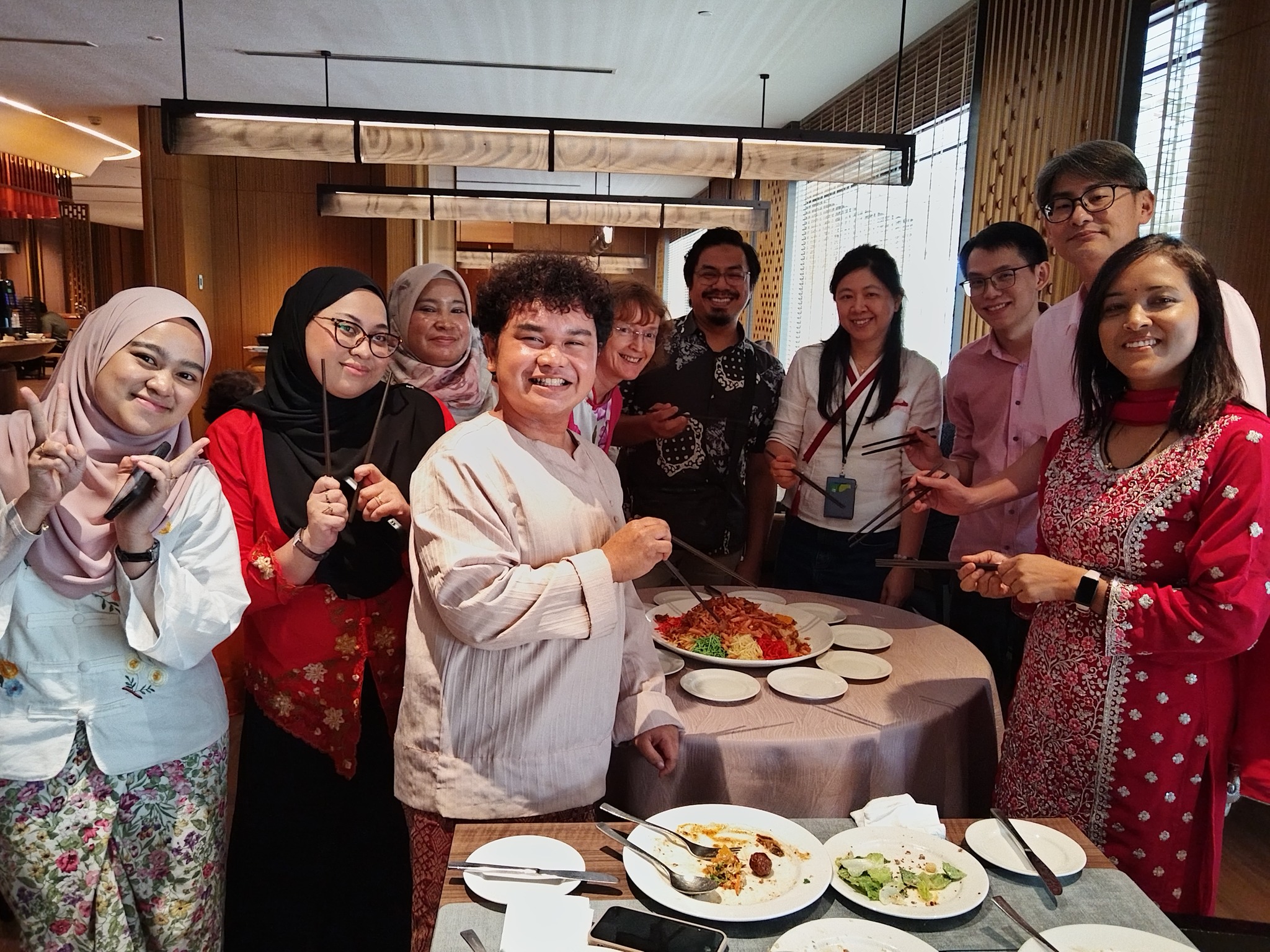
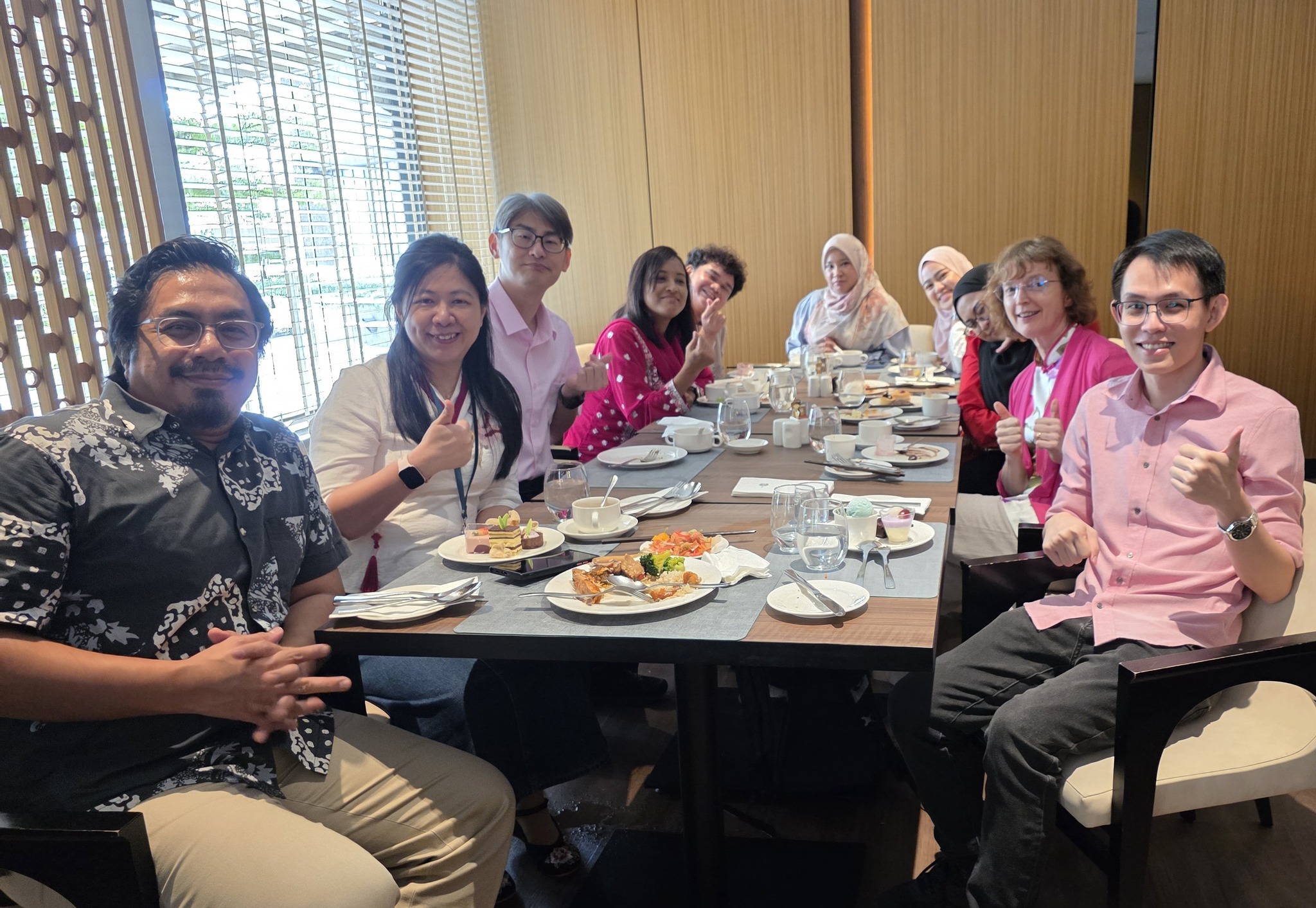
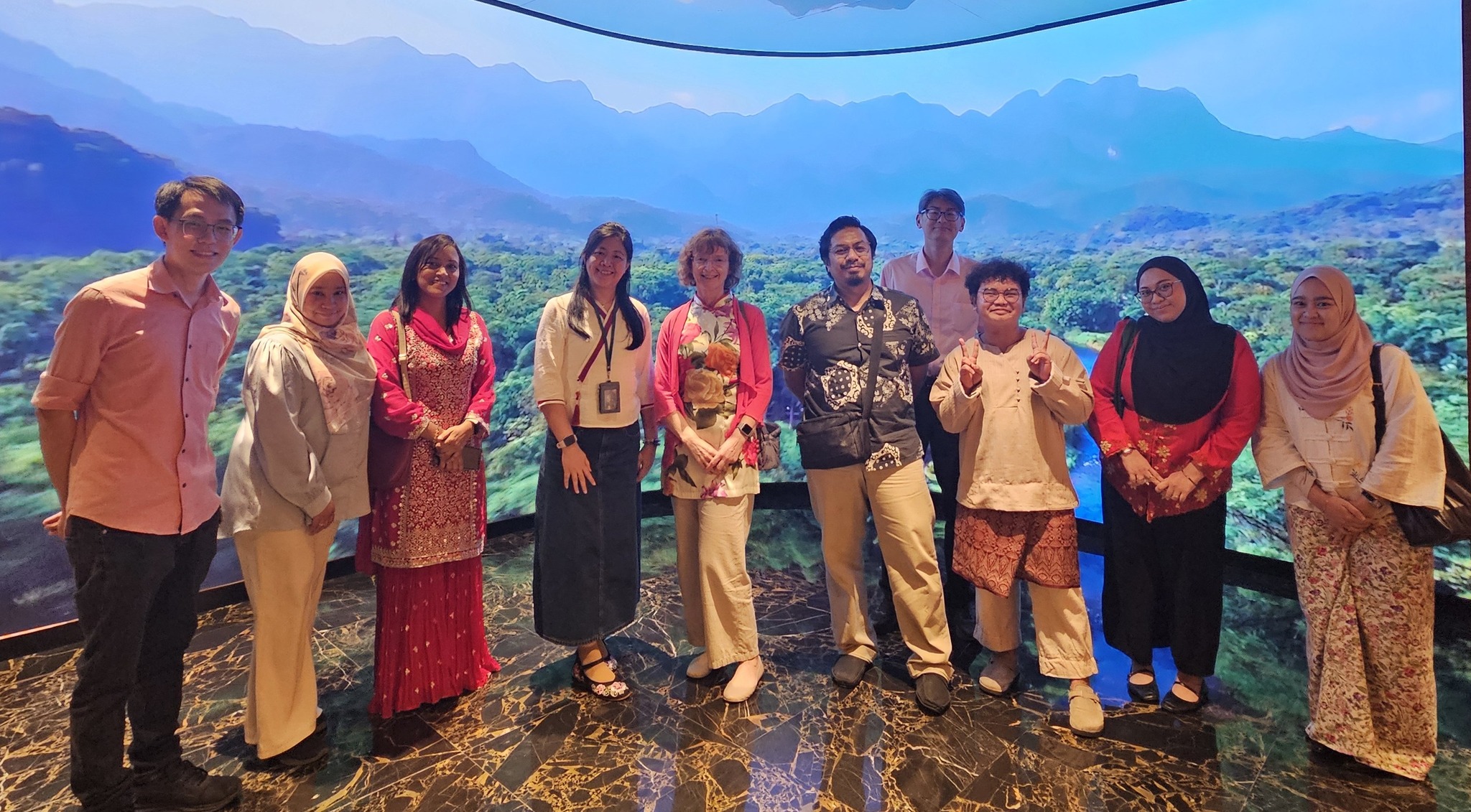
CEBAR staff members gathered for a celebratory lunch in conjunction with Chinese New Year and the upcoming Ramadan, fostering camaraderie and cultural appreciation within the centre.
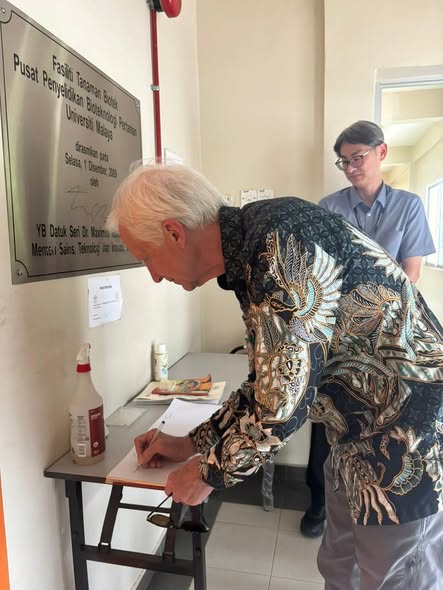
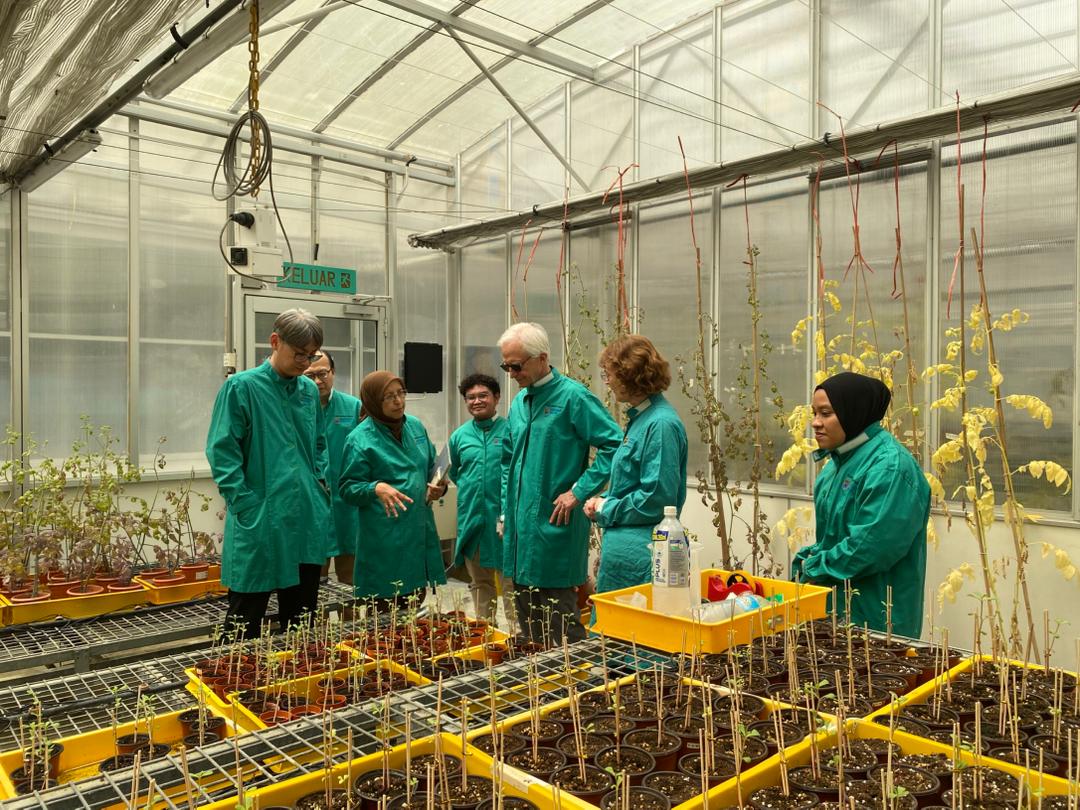
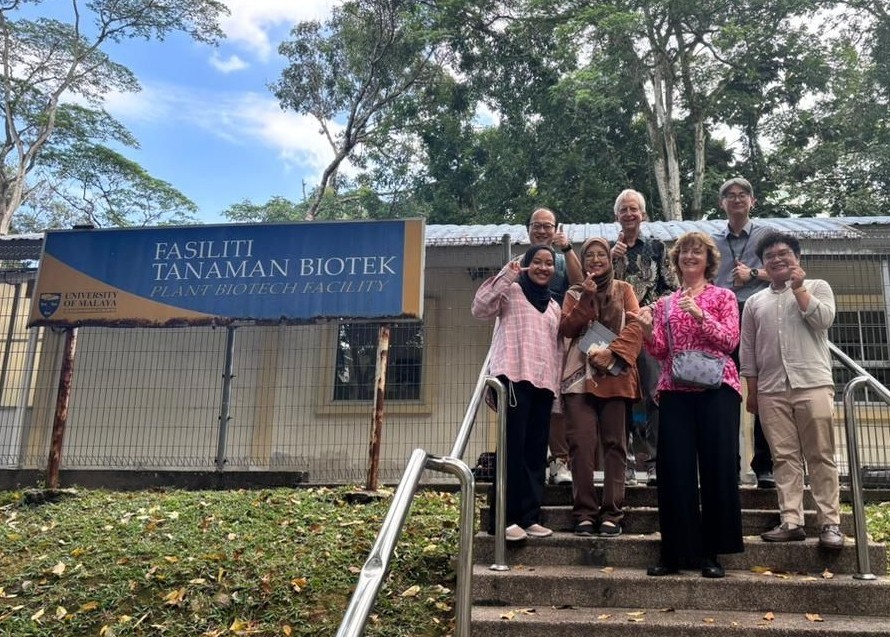
Senior Program Officer for Crops R&D and Agricultural Development from the Gates Foundation, Dr. Jim Lorenzen made a short visit to CEBAR on 3 February 2026. This visit is part of the activity arranged under the Grand Challenges Banana SE Asia Malaysia led by Prof. Dr. Jennifer Ann Harikrishna. Also in attendance were CEBAR team members Assoc. Prof. Dr. Tan Boon Chin, Assoc. Prof. Dr. Yusmin Mohd Yusuf, Dr. Teo Chee How, Project Manager Dr. Nur Syafikah Abdullah, Assistant Science Officer Ms. Noratikah Mohd Zainodin and Research Assistant Mr. Muhammad Syafiq Roslan. During the visit, Dr. Lorenzen was brought to CEBAR facilities for a tour and was also briefed on ongoing CEBAR work.
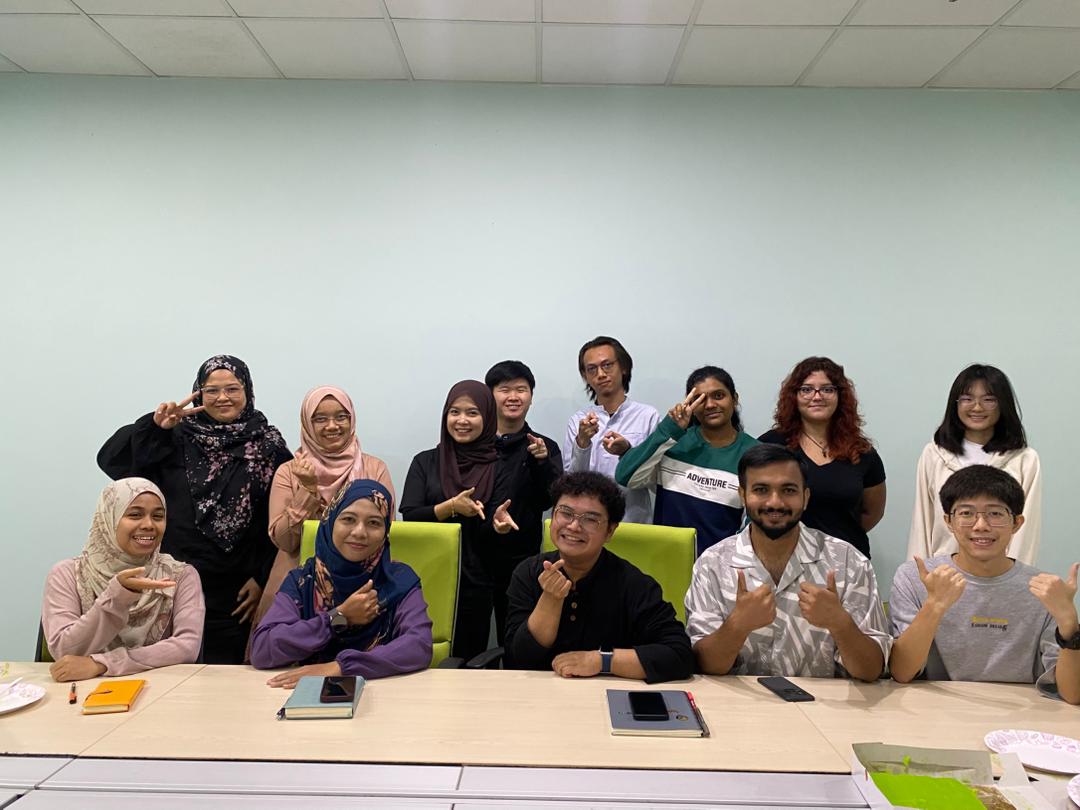
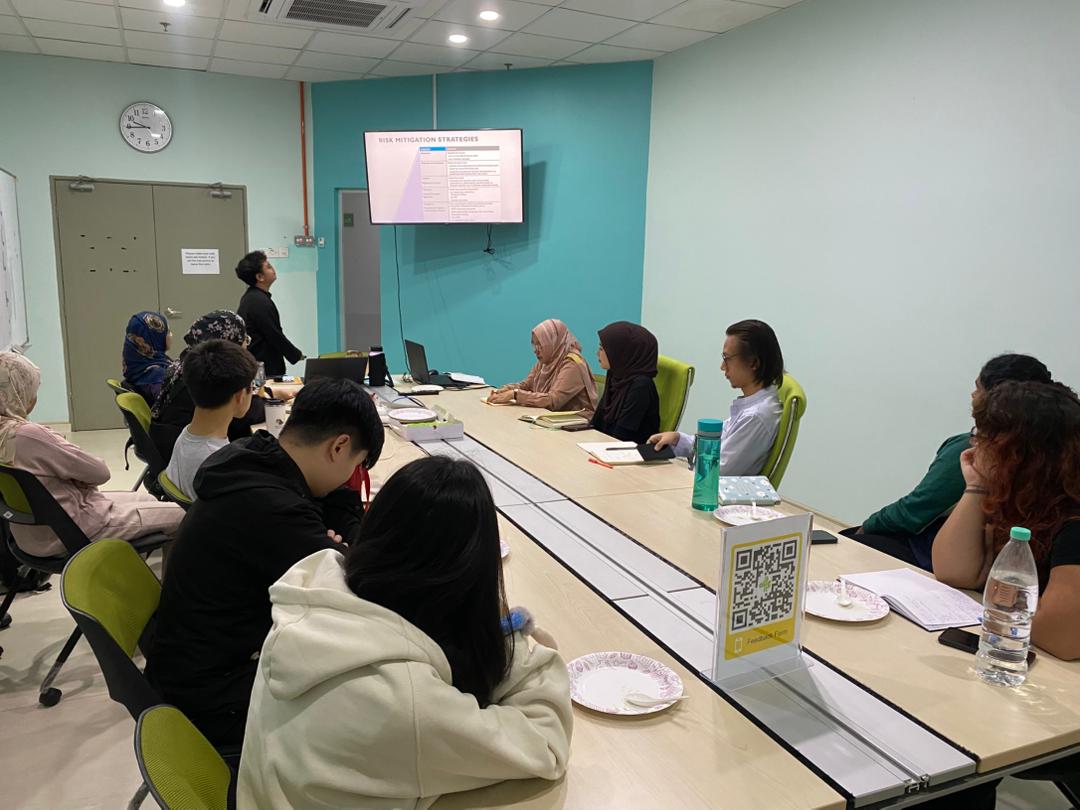
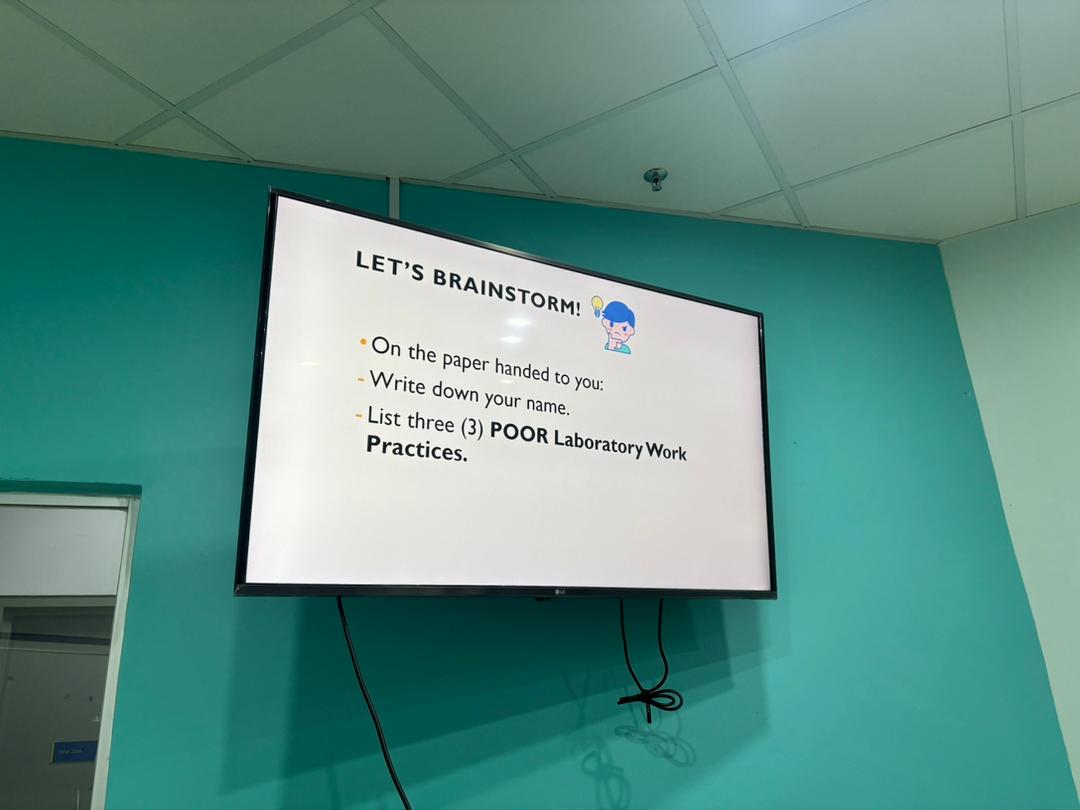
CEBAR held our in-house 'The Basics of Biosafety' workshop on 28 January 2026 to provide updated foundational biosafety knowledge and laboratory safety awareness for all CEBAR laboratory users. The four-hour training was conducted by CEBAR Research Assistant, Mr. Muhammad Syafiq Roslan and was attended by 12 current postgraduate students and industrial trainees from all CEBAR labs.
During the workshop, participants were introduced to biosafety principles and their importance in research laboratory settings, good laboratory practices (GLP) and personal protective equipment (PPE), common biological hazards and risk awareness, proper handling, storage and disposal of biological wastes as well as emergency procedures and basic response measures.
We hope that at the end of the workshop, all participants emerge with a strong culture of safety, able to minimise the risks associated with daily handling of biological materials as well as are able to ensure compliance of their work place with the national and international regulations for biological research.
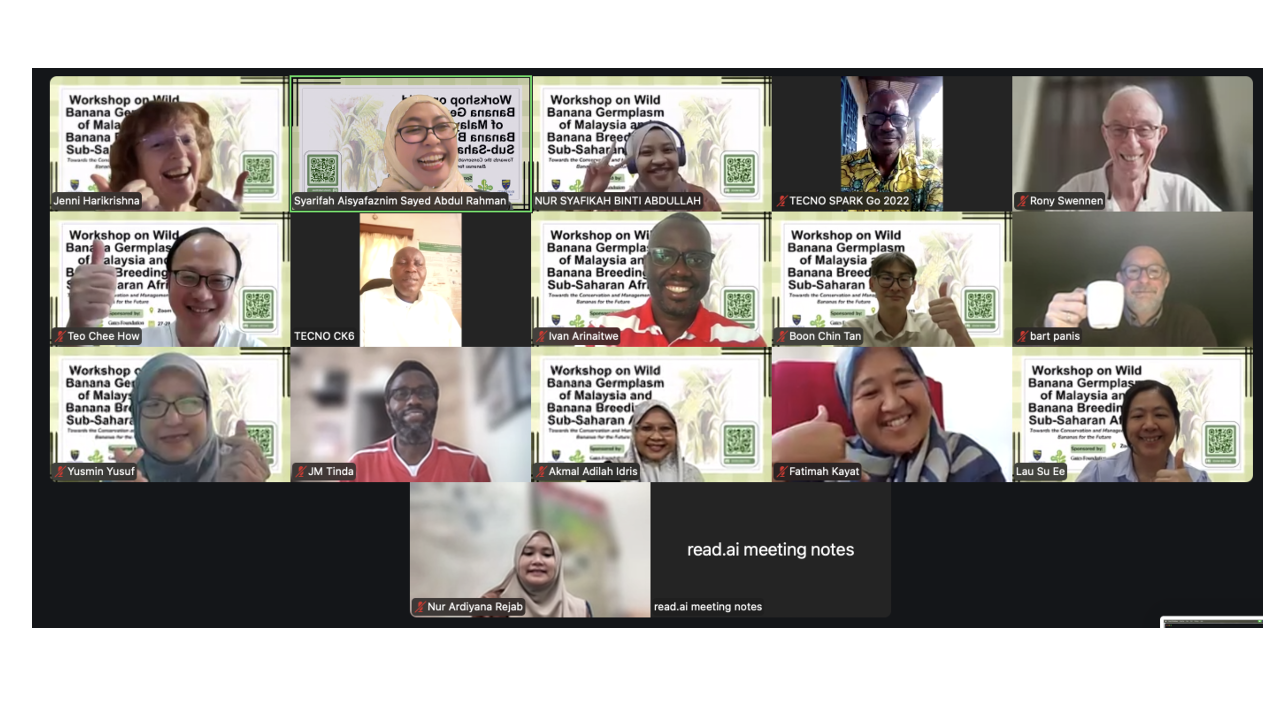
Supported by the Gates Foundation Grand Challenges, CEBAR recently hosted an international virtual workshop to bridge Southeast Asian biodiversity with the agricultural needs of Sub-Saharan Africa (SSA).
The initiative focuses on utilising Malaysia's rich wild banana (Musa acuminata) genetics to develop pre-breeding pools and enhance climate resilience in African crops.
Key workshop highlights:
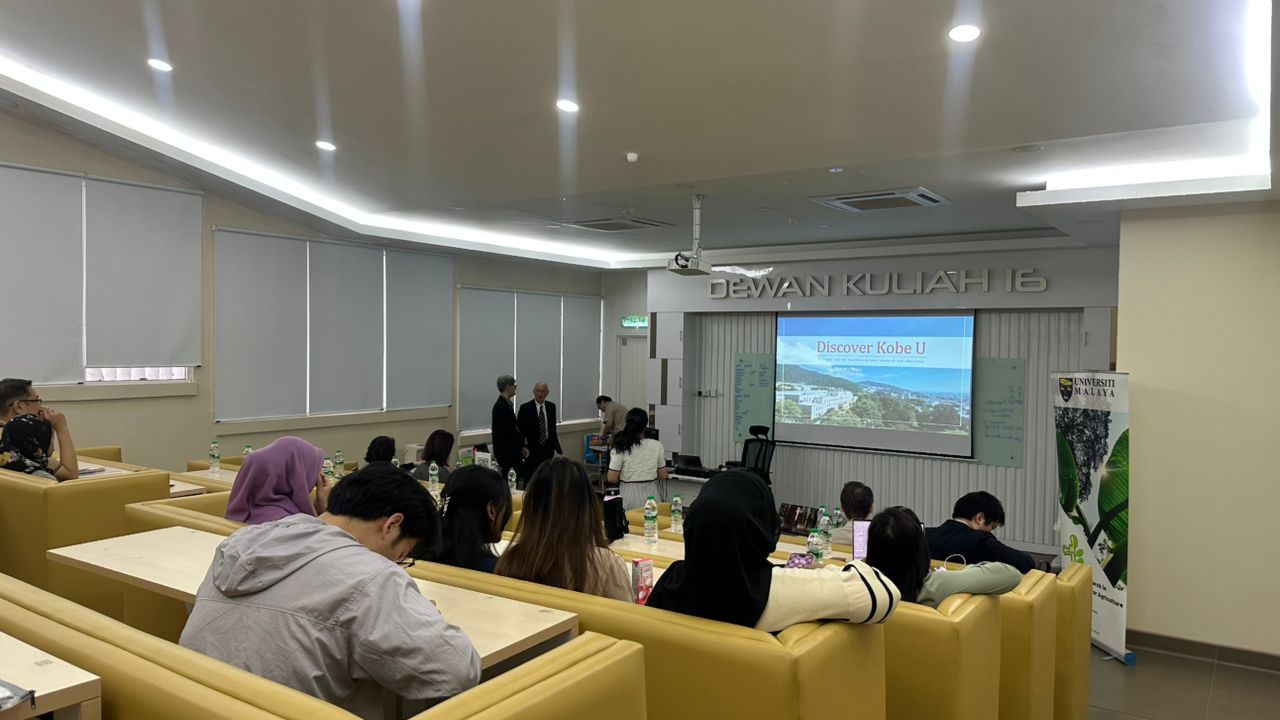
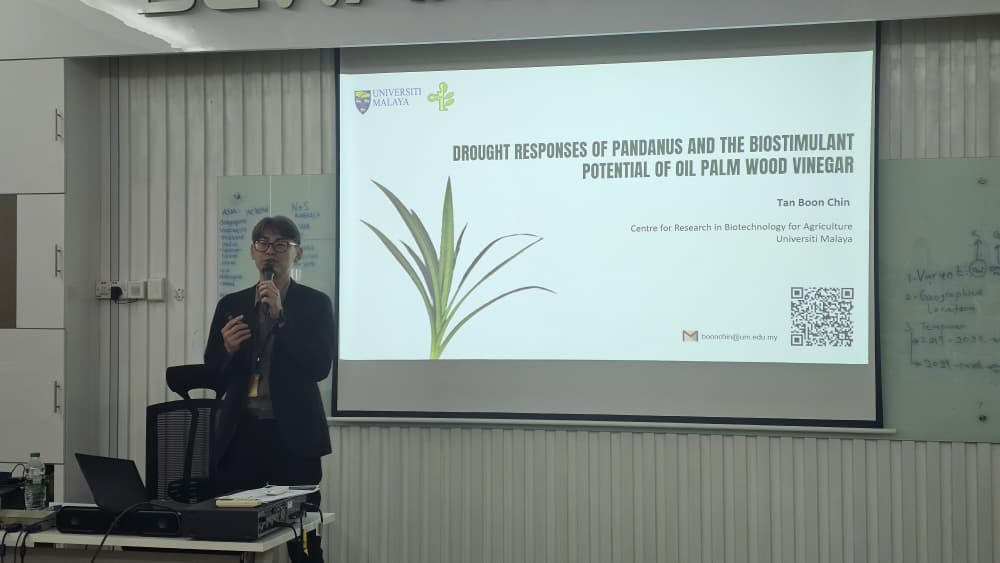
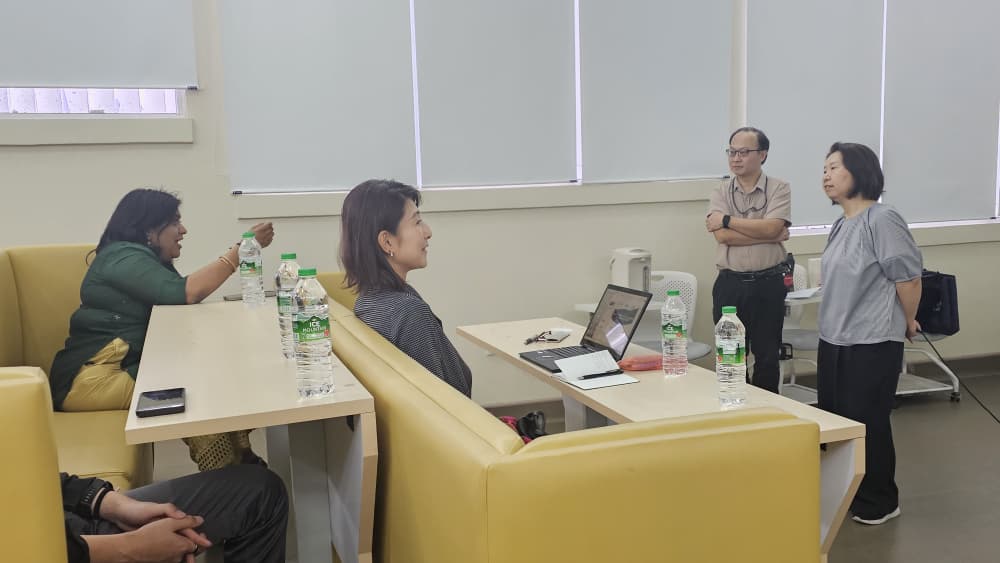
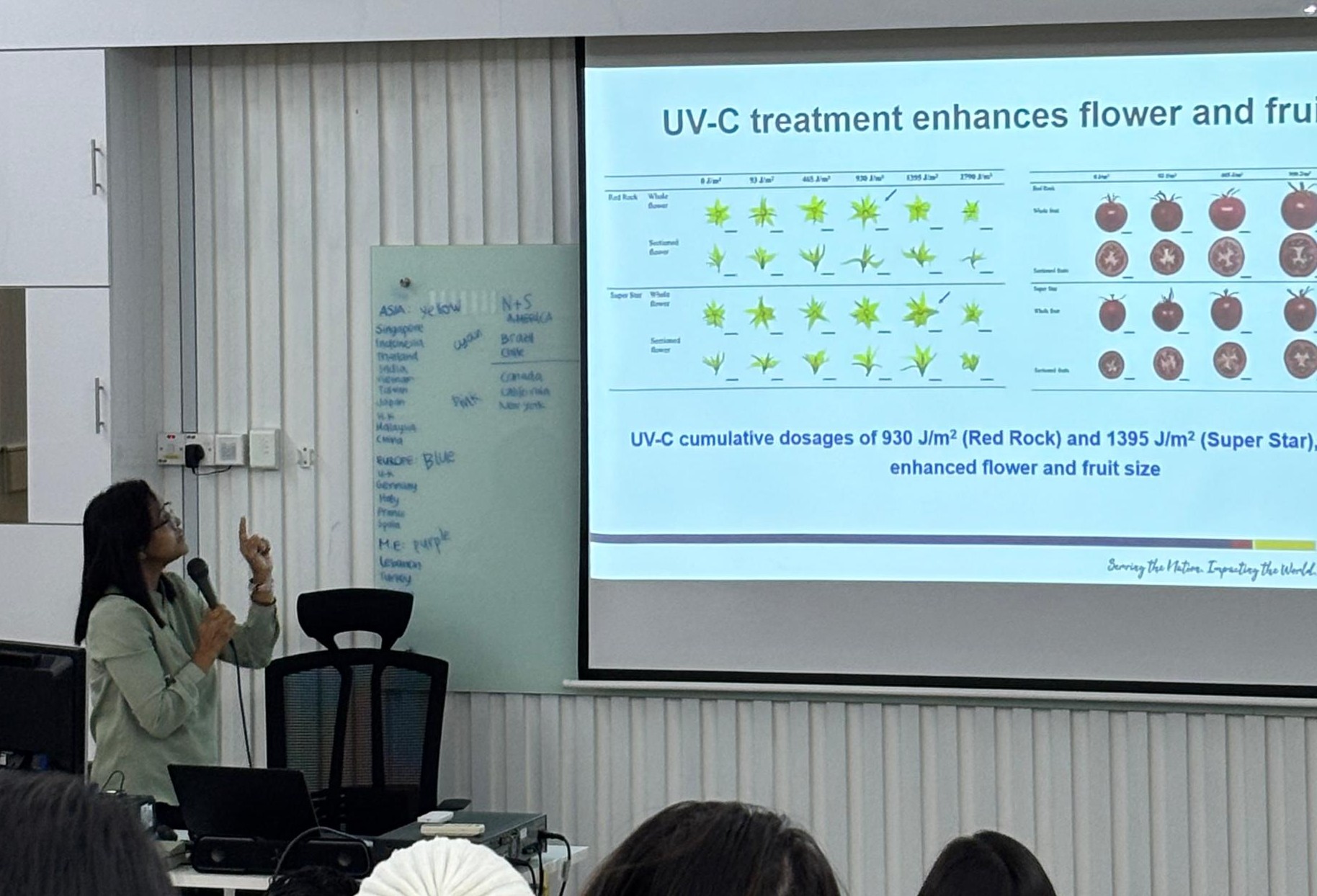
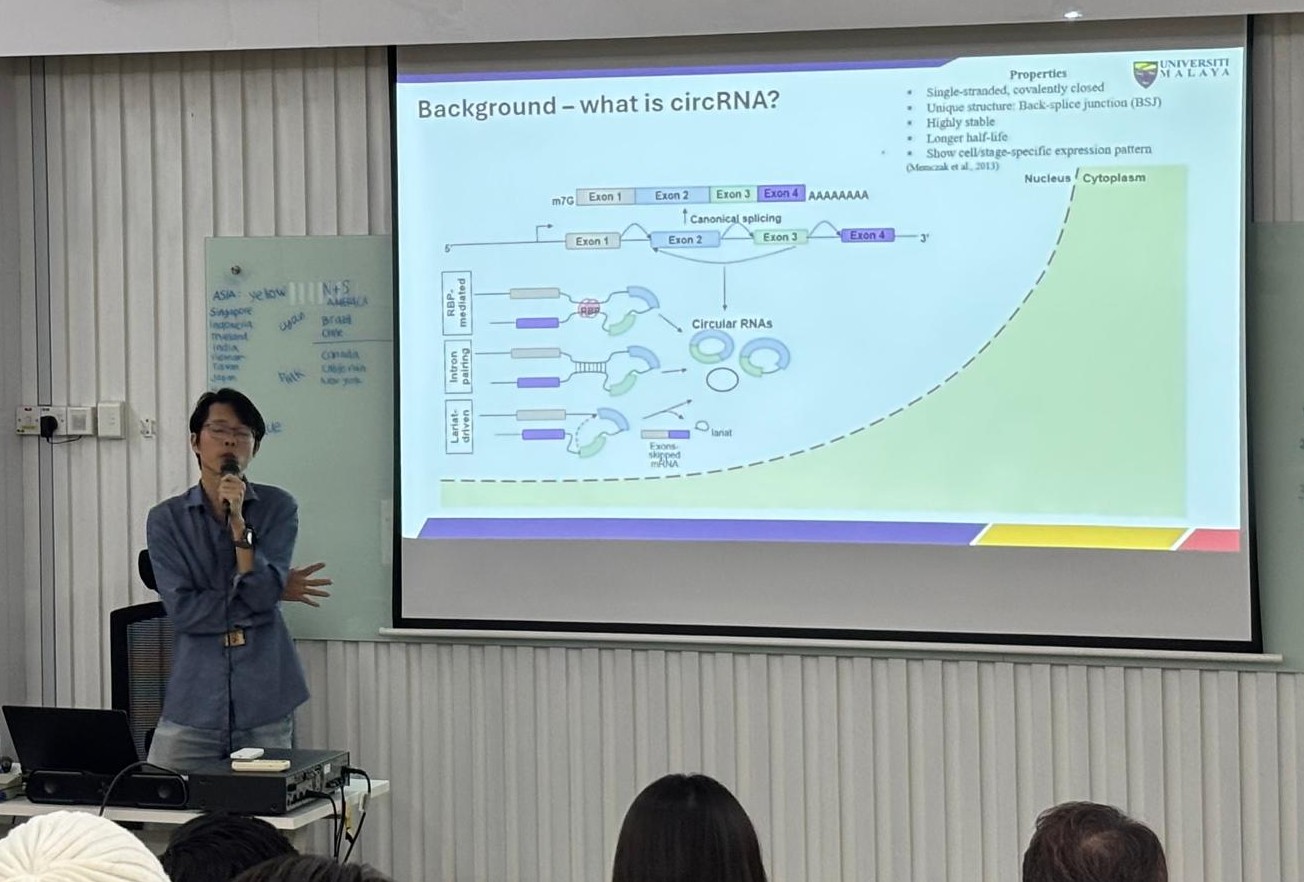
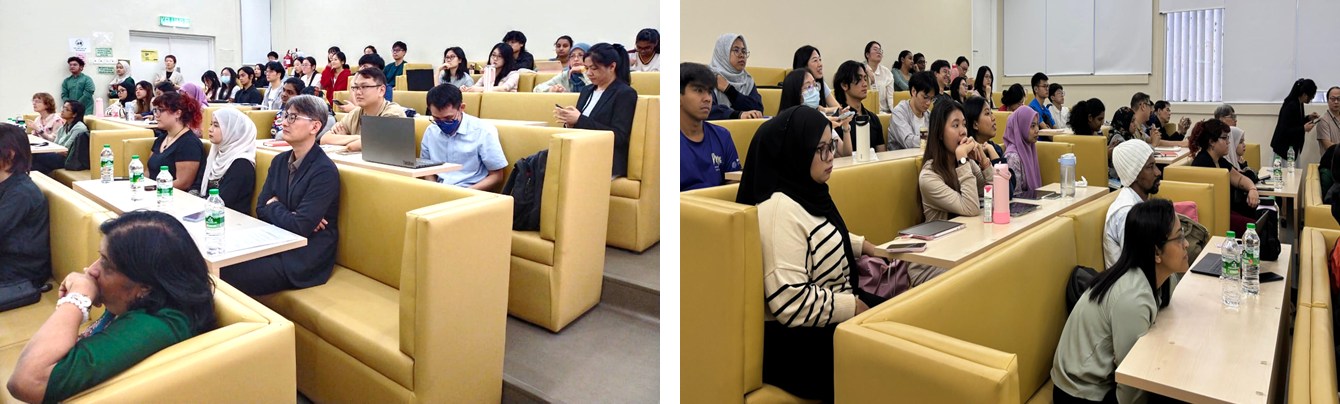
CEBAR with the support from Faculty of Science, Universiti Malaya successfully organized Universiti Malaya – Kobe University Research Symposium on Biological Sciences 2026 in conjunction with the visit by Kobe University delegation.
This symposium was held on 23rd January 2026 at Microbiology and Molecular Genetics Department, Institute of Biological Science, Faculty of Science and was attended by more than 40 participants comprised of mostly faculty members, researchers, undergraduate and postgraduate students.
Research themes presented include plant breeding of ornamental flowers, specifically looking at the role of chromosomal arrangement and diversity in influencing desirable traits in hydrangea flowers, diversity of the oral microbiome and how it can positively or negatively influence food taste, metabolic regulation and health, drought stress response in Pandan plants through proteomics analysis, UV-C treatment that improves stress tolerance, quality and yield in tomato, as well as genetic mutation profiling of Moyamoya disease in Malaysian population and genome-wide profiling of host circular RNAs in Influenza A virus-infected human macrophages and airway epithelial cells.
The presentation ended with a vibrant Q&A session, where the audience engaged deeply with the speakers through a series of thought-provoking questions and insightful contributions. We would like to thank all the attendees for their time and interest in this programme and hope that they find the symposium fruitful and inspiring.
Last Update: 19/06/2026