

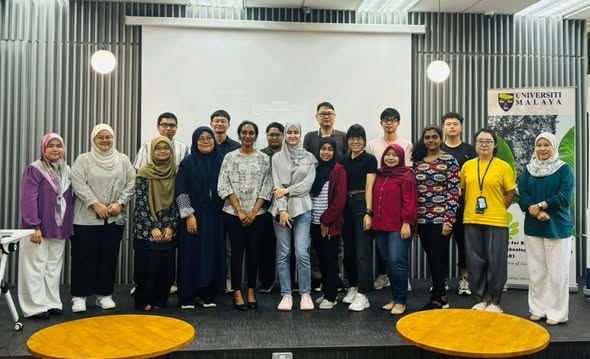
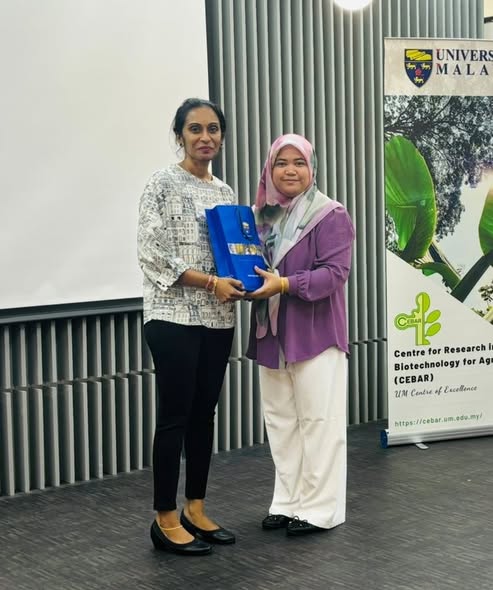
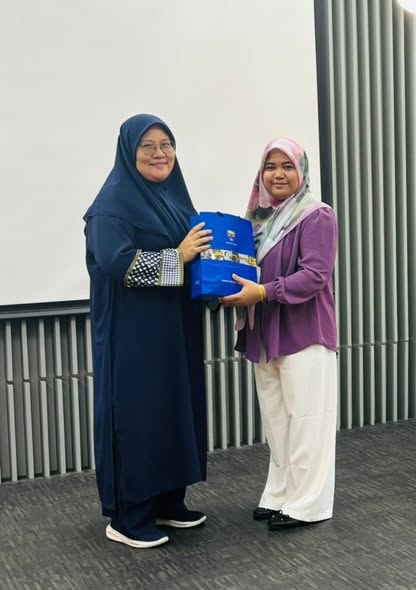
CEBAR organised the Laboratory Biosafety Workshop at The Research Nest, Institute for Advanced Studies, Universiti Malaya. The workshop was facilitated by Ms. Thibashini Nair Sathasivan and Pn. Noor Farah Hani Amir from Central Research Laboratories, Faculty of Medicine and was attended by UM undergraduate and postgraduate students.
During the program, Ms. Thibashini shared with the participants up-to-date information, expert knowledge and her insights on Biosafety and Biosecurity in the laboratory settings. This training not only helps to keep those working in the lab and the samples safe and secured, but also protects anyone else that would come into contact with the researchers and research materials.
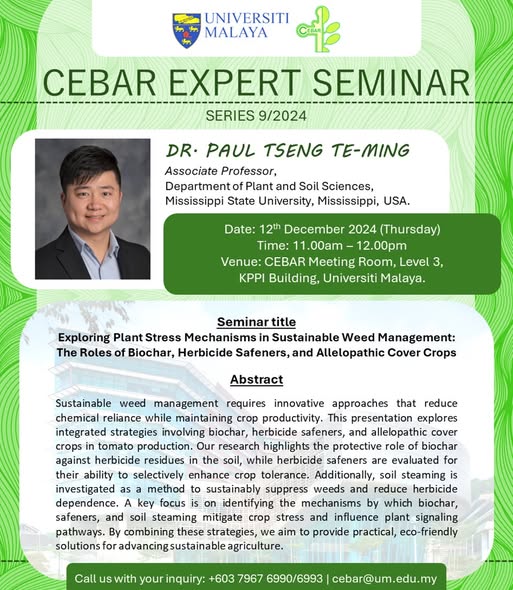
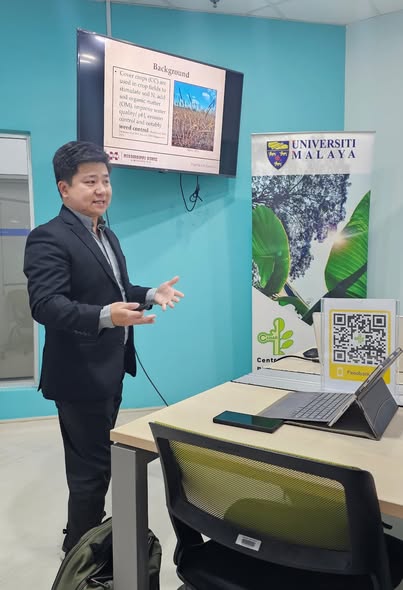
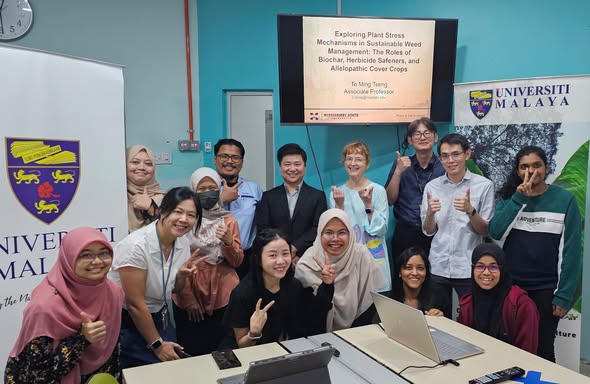
CEBAR held our last Expert Seminar of 2024 and were excited to have Dr. Paul Tseng from Department of Plant and Soil Sciences, Mississippi State University, United States to share his interesting research work on crop protection.
In his work, Dr. Paul Tseng explores the use of allelopathic cover crops, safeners and biochar to improve crop resilience against weeds and subsequent herbicide-induced damage. Each of the approaches showed promising results and when asked, Dr. Tseng concurred that these approaches can potentially be combined to confer better synergistic protection to crop.
It is interesting to note that according to him, the exploration of biochar application and benefit in Malaysian agricultural sector is well ahead compared to the US and therefore presents a good opportunity for research collaborations between the two Institutions in this area.
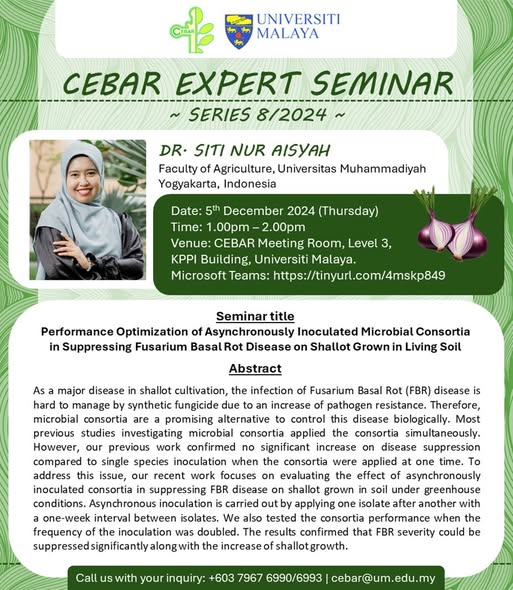
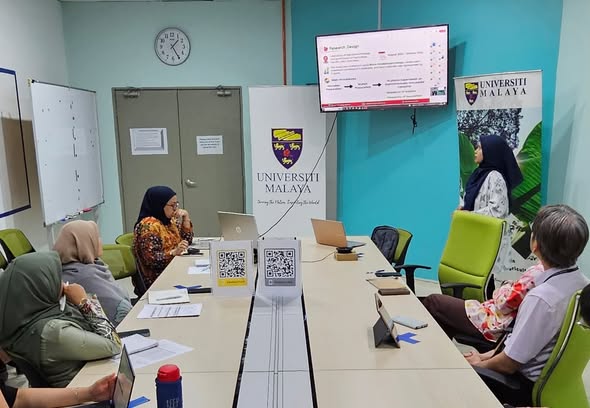
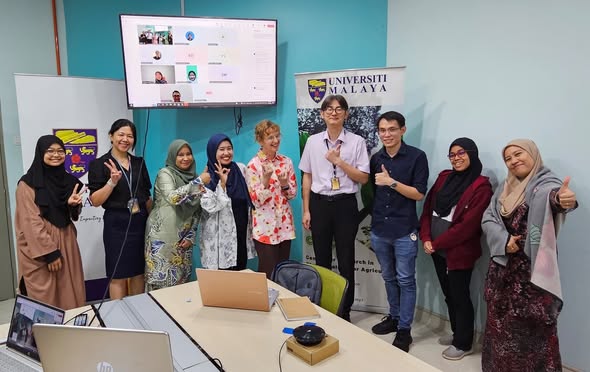
CEBAR held our Expert Seminar on December 5th, 2024 and this time we were delighted to have Dr. Siti Nur Aisyah from Faculty of Agriculture, Universitas Muhammadiyah Yogyakarta, Indonesia to share her interesting research work on plant-microbe interaction.
In her work, Dr. Siti Nur Aisyah found that consecutive treatments of shallots with three beneficial microbes gave a significant protective effect against basal rot caused by Fusarium infection, particularly when Trichoderma is introduced to the crop first.
The results suggest that while the introduction of multiple microbe types to crops might be more beneficial compared to a single microbial strain, sequential microbial exposures to crops offer better disease protection compared to when multiple microbes are introduced simultaneously.
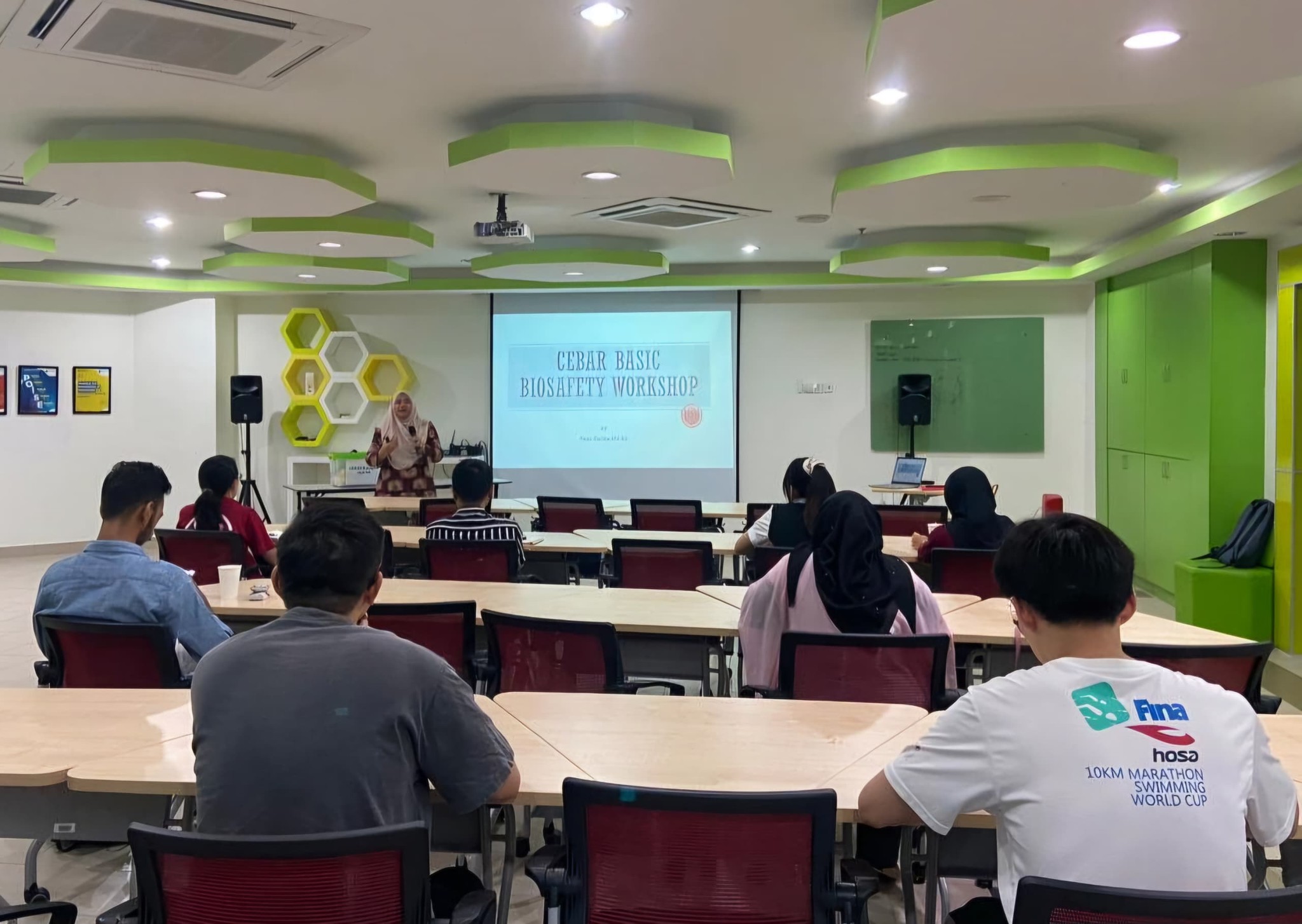
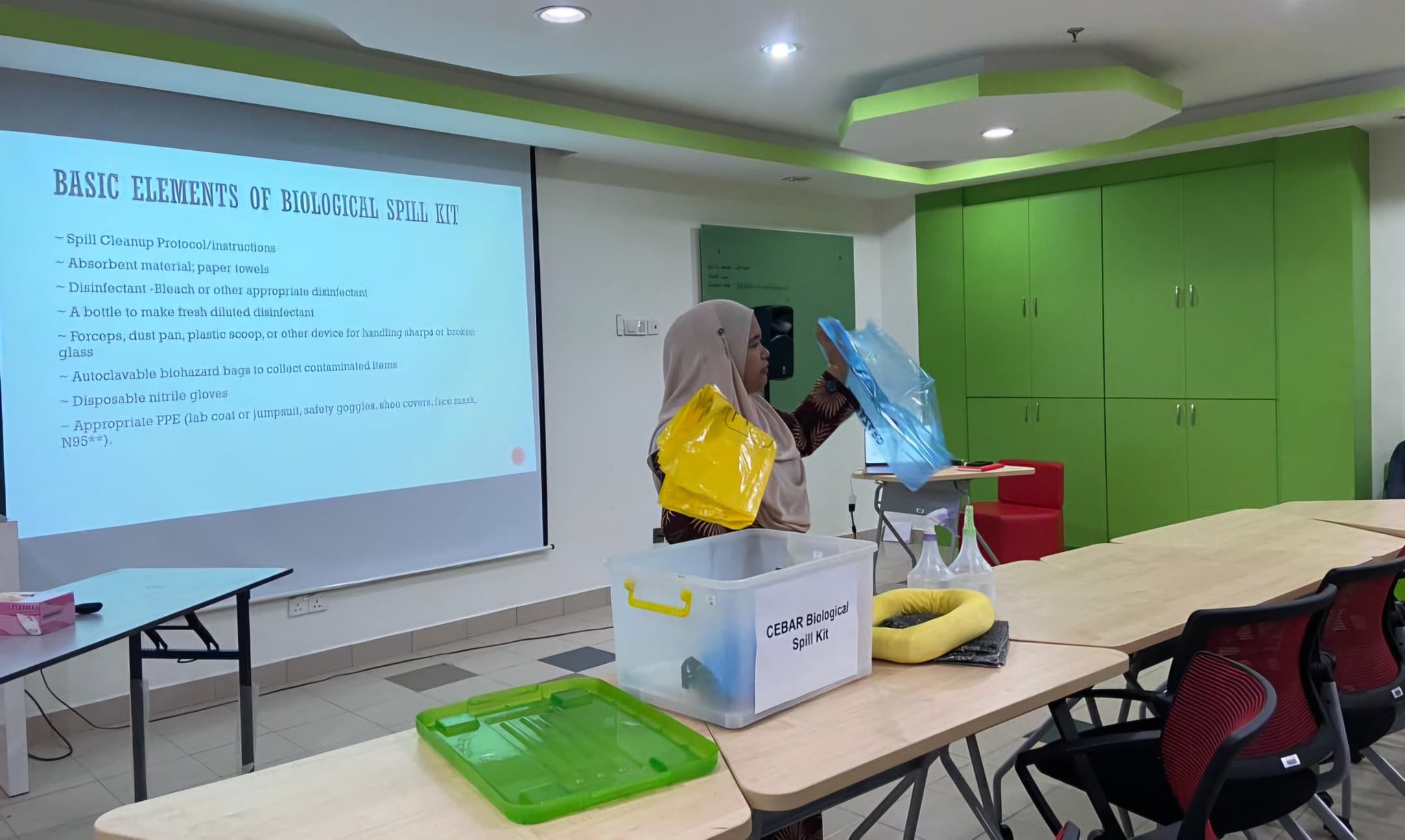
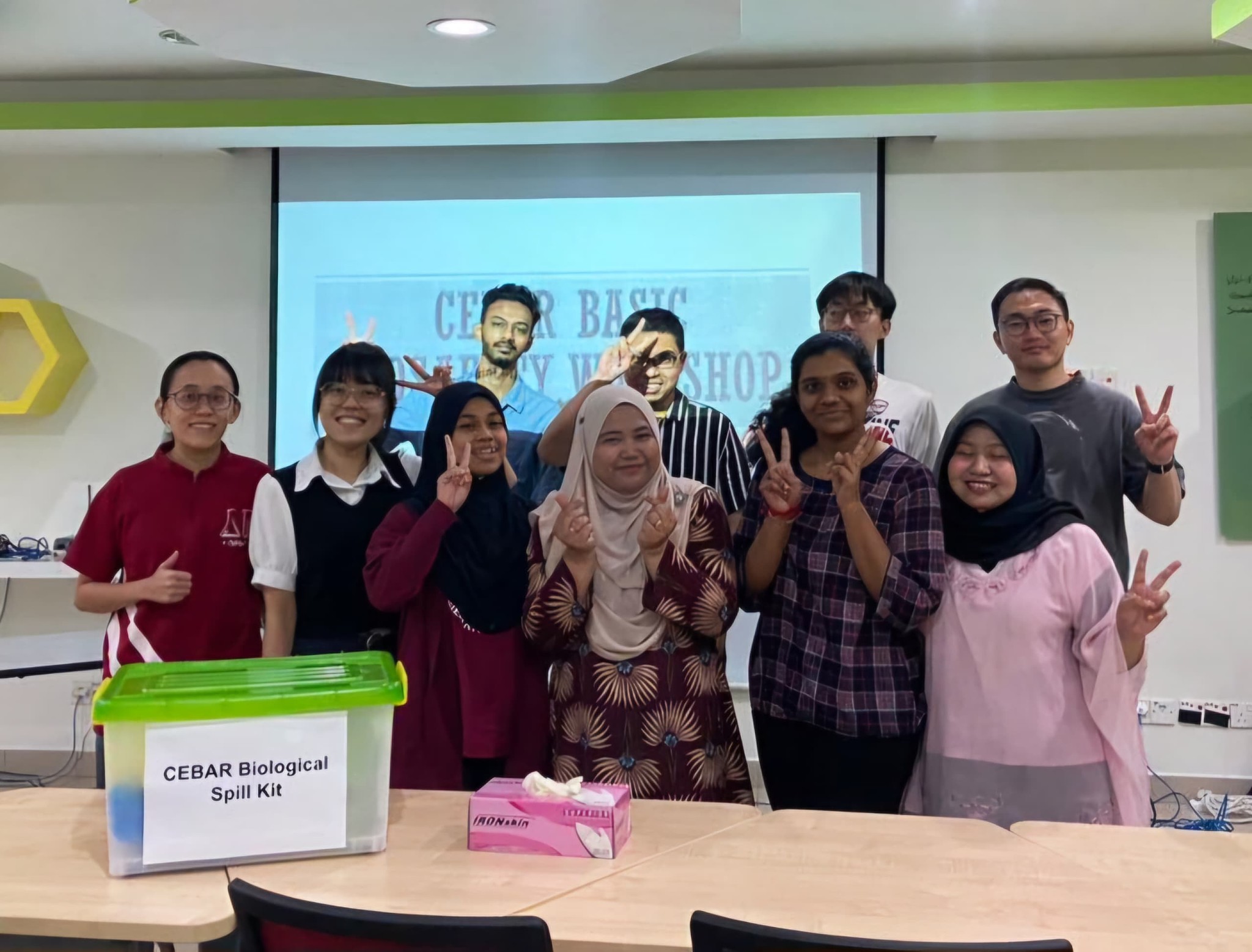
CEBAR conducted a ‘Basic Biosafety’ workshop, helmed by Mdm. Zarina binti Md Ali, Assistant Science Officer of CEBAR and Universiti Malaya Institutional Biosafety Committee (IBBC) member and was attended by postgraduate students under CEBAR.
This annual workshop was carried out with the aim to disseminate up-to-date information and refreshers on the appropriate ways to work in the laboratory setting as well as to inculcate awareness on the importance of safety mindfulness while working in the laboratory.
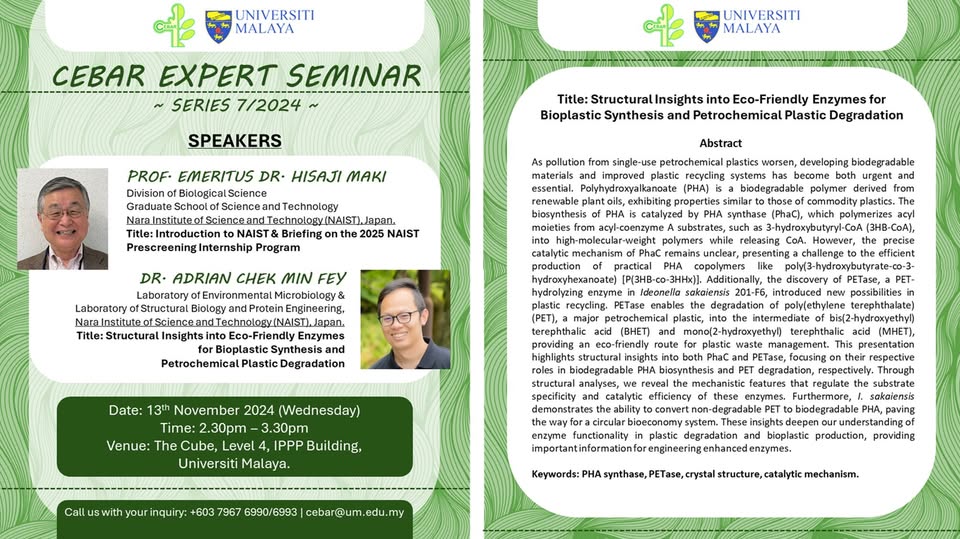
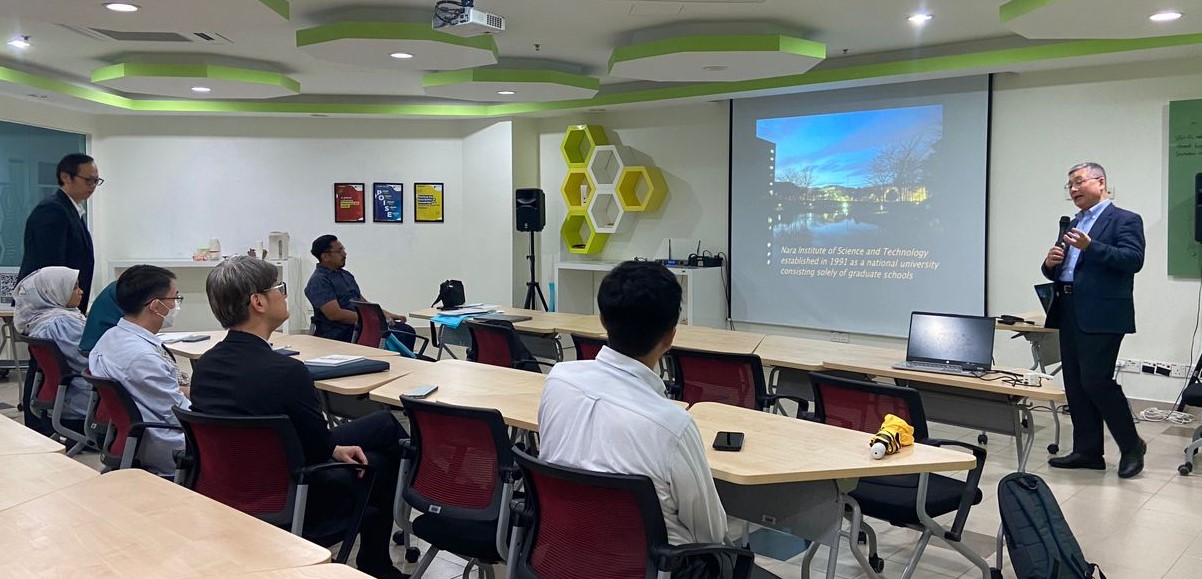
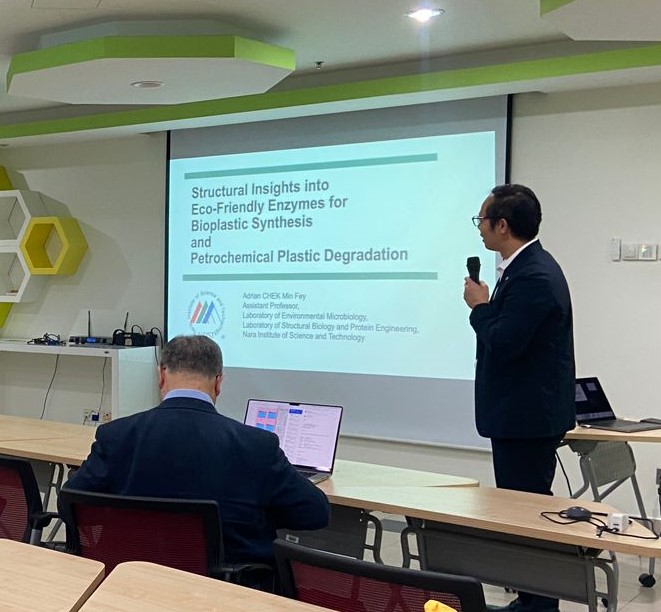
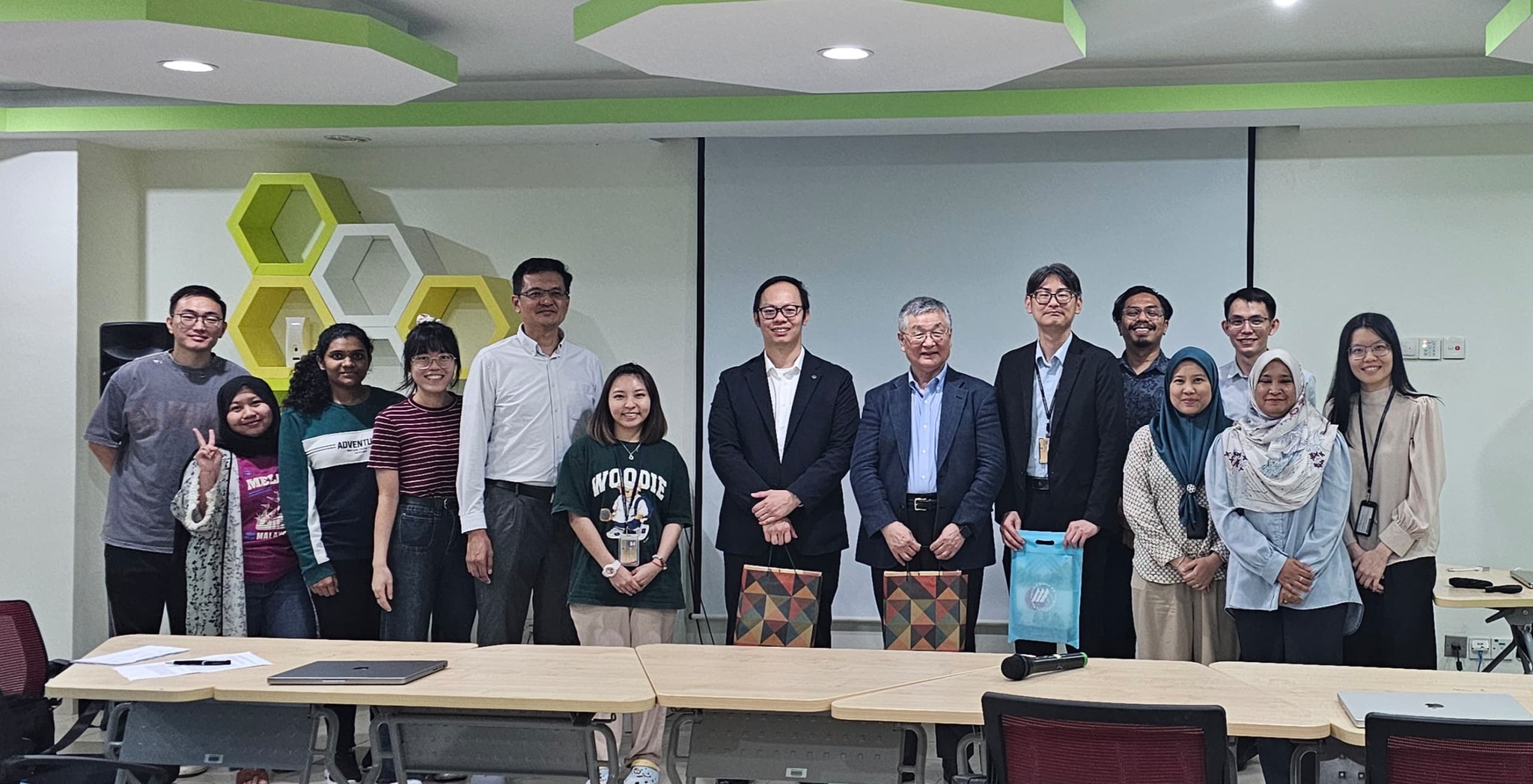
CEBAR Expert Seminar series 7/2024 was held on 13 November 2024 and we had the pleasure to have Prof. Dr. Hisaji Maki and Dr. Adrian Chek from NAIST for this session. Prof. Maki introduced us to NAIST and its interesting postgraduate programs, while Dr. Adrian enthralled us with his work on protein structure analysis of bacterial enzymes that can synthesize biodegradable plastic as well as enzymes that can degrade petrochemical-derived plastics.
It is awe-inspiring to learn and realize that there are still so many that we do not know about microscopic members of our biosphere and what specialized processes each of them can do. More work need to be done to explore the huge potential of these plastic-processing enzymes to help our environment recover from the prolonged use of plastic.
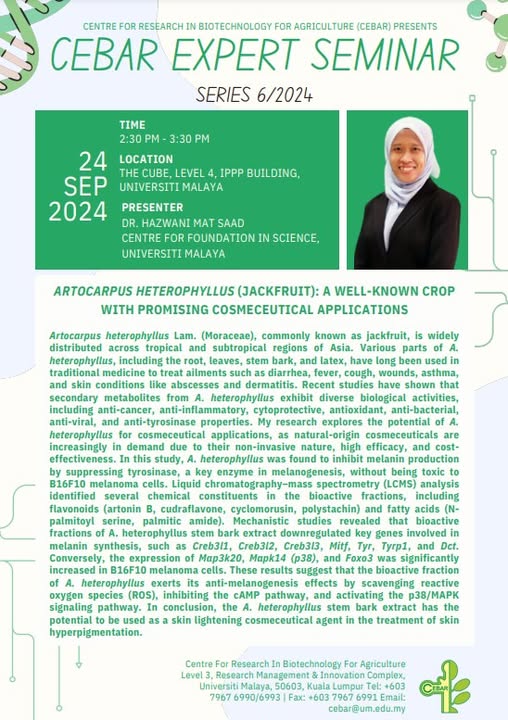
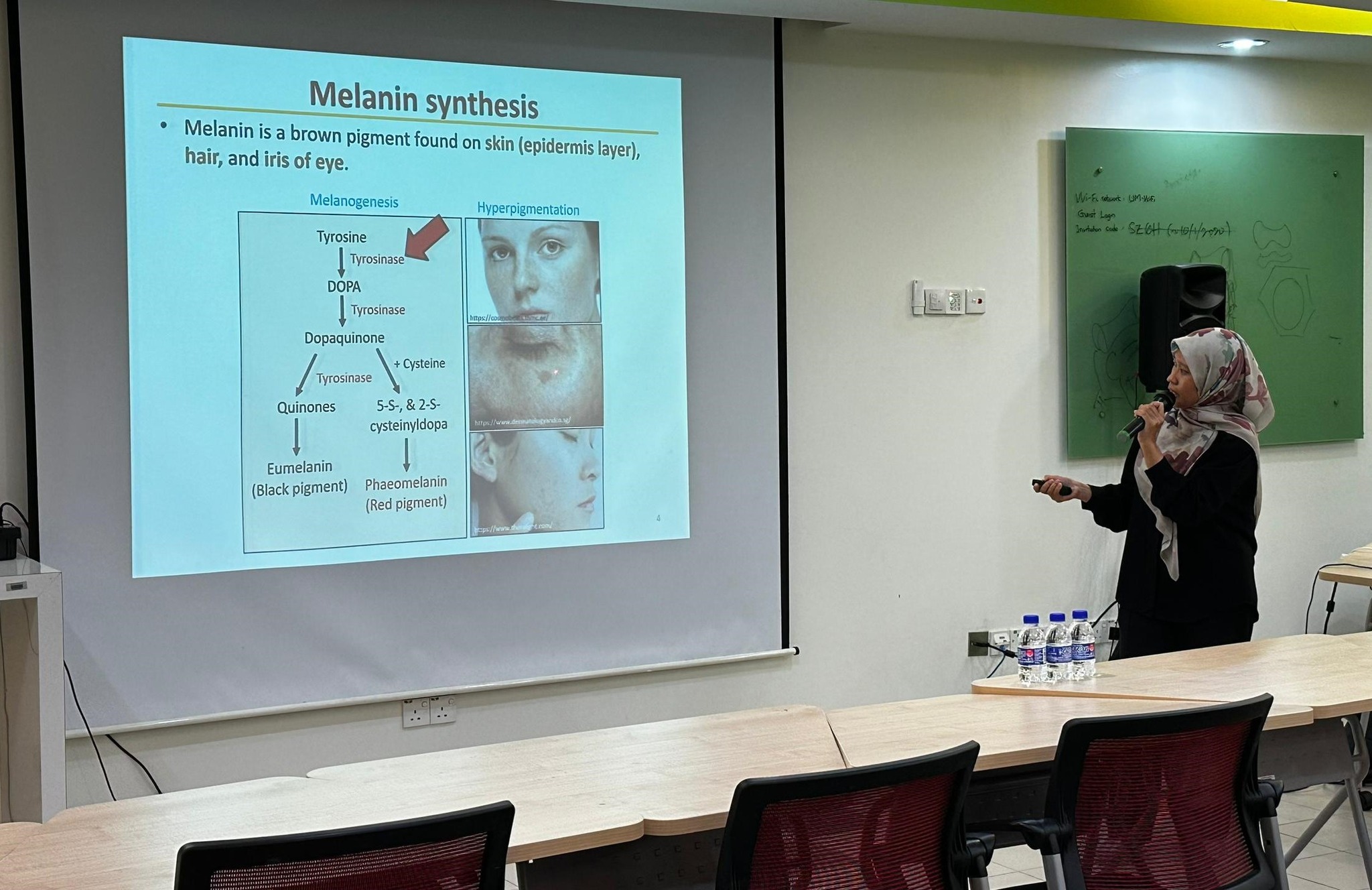
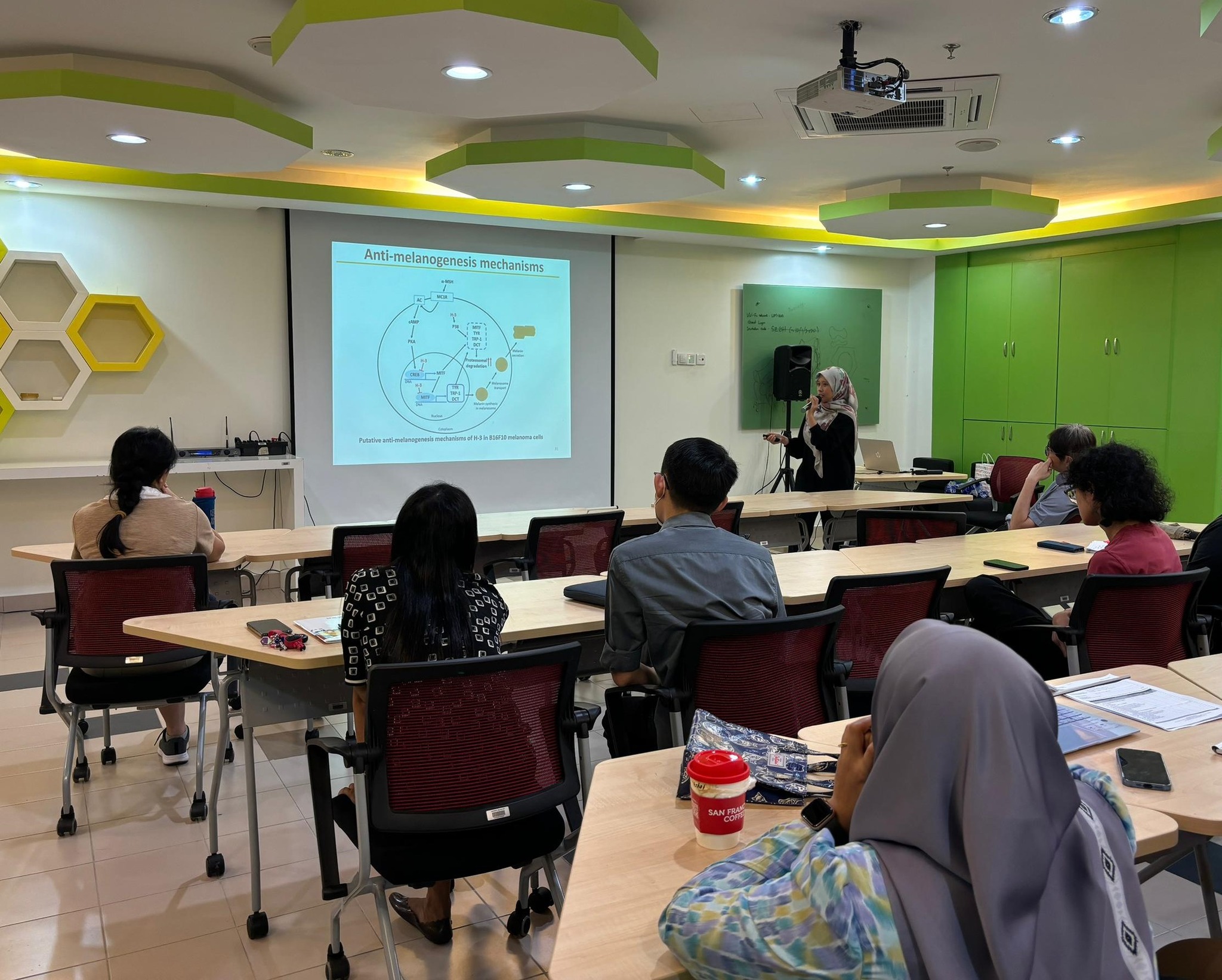
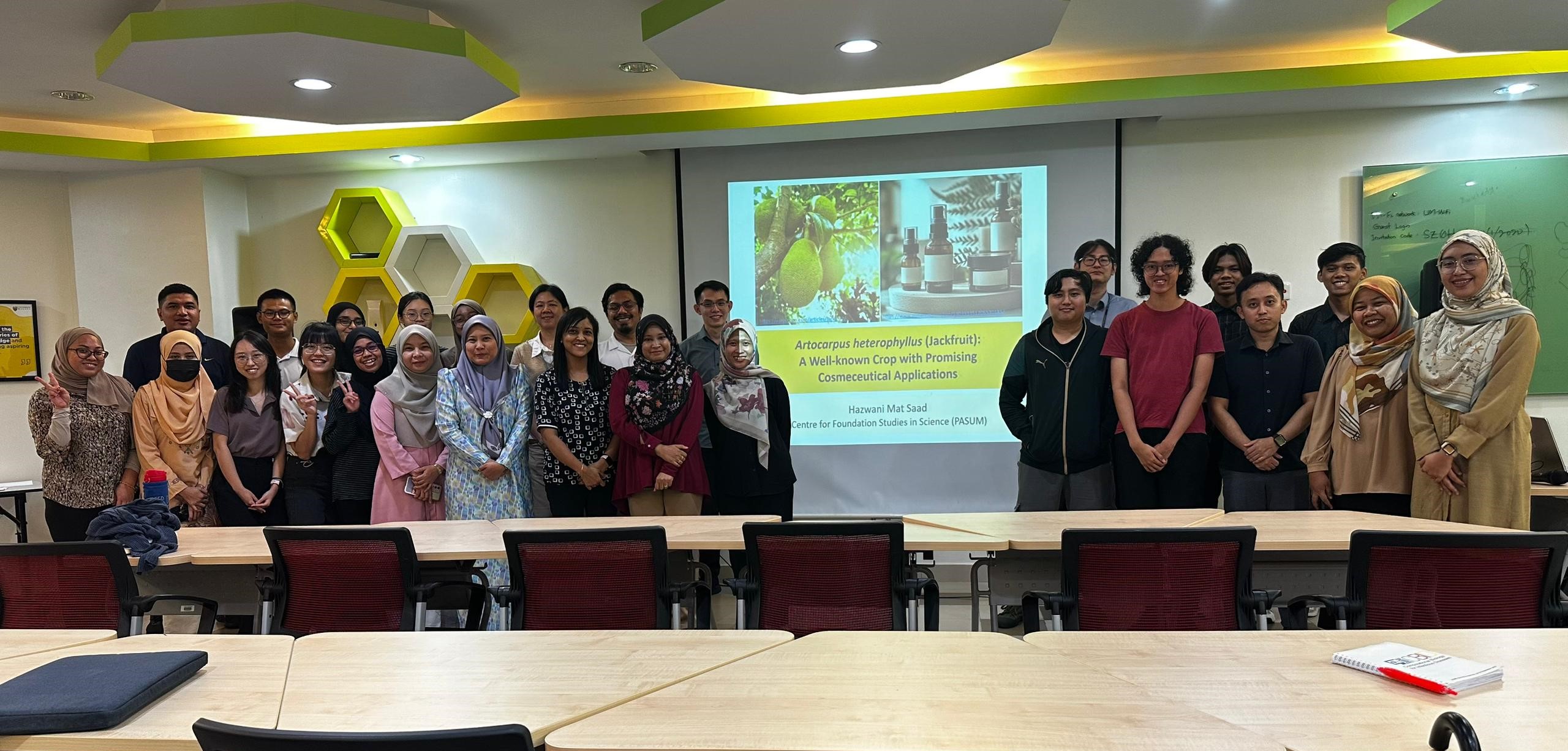
CEBAR held the sixth series of our Expert Seminar, this time with Dr. Hazwani Mat Saad from Centre for Foundation Studies in Science (PASUM) sharing her research work on identifying potential natural anti-tyrosinase compounds from jackfruit plant extract and its anti-melanogenesis activity.
Tyrosine is the enzyme that is responsible for melanin production. So by identifying natural compunds that can inhibit this enzyme, such compounds can be incorporated into topical skincare that could help control melanin level.
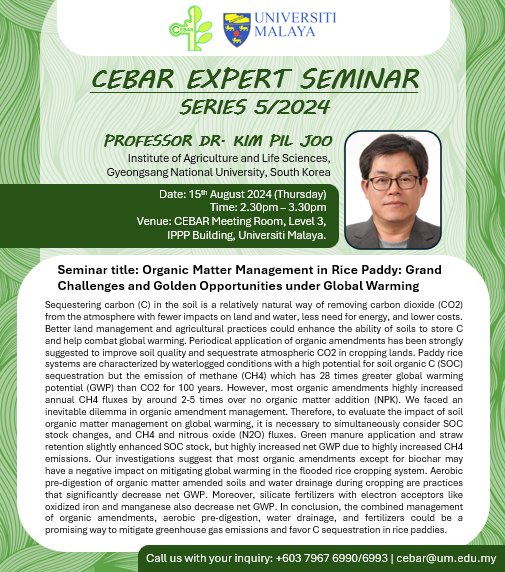
CEBAR successfully conducted the fifth session of its Expert Seminar Series, featuring a talk by Professor Dr. Kim Pil Joo from Gyeongsang National University, South Korea.
In this seminar, Prof. Kim presented on organic matter management in rice paddy systems, discussing both the challenges and opportunities under changing climate conditions. The session highlighted the role of organic amendments in improving soil quality and carbon sequestration, while also addressing their potential contributions to greenhouse gas emissions.
The seminar provided valuable insights into sustainable rice cultivation practices, particularly in balancing productivity with environmental impact through improved soil and nutrient management strategies.
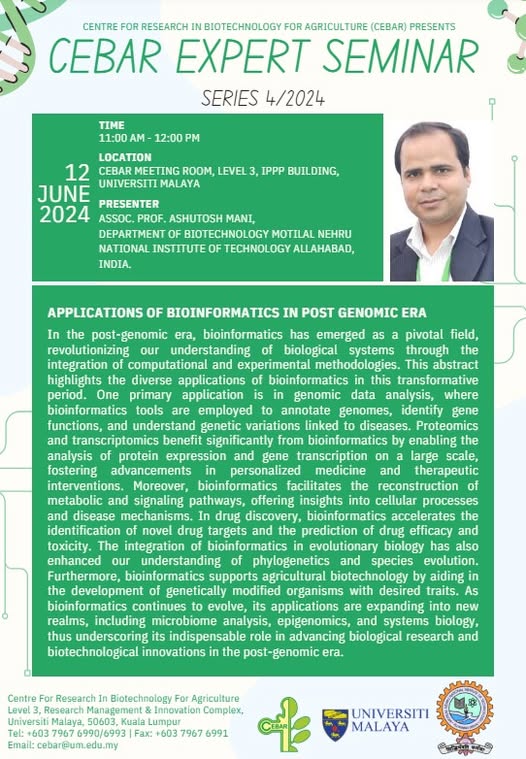
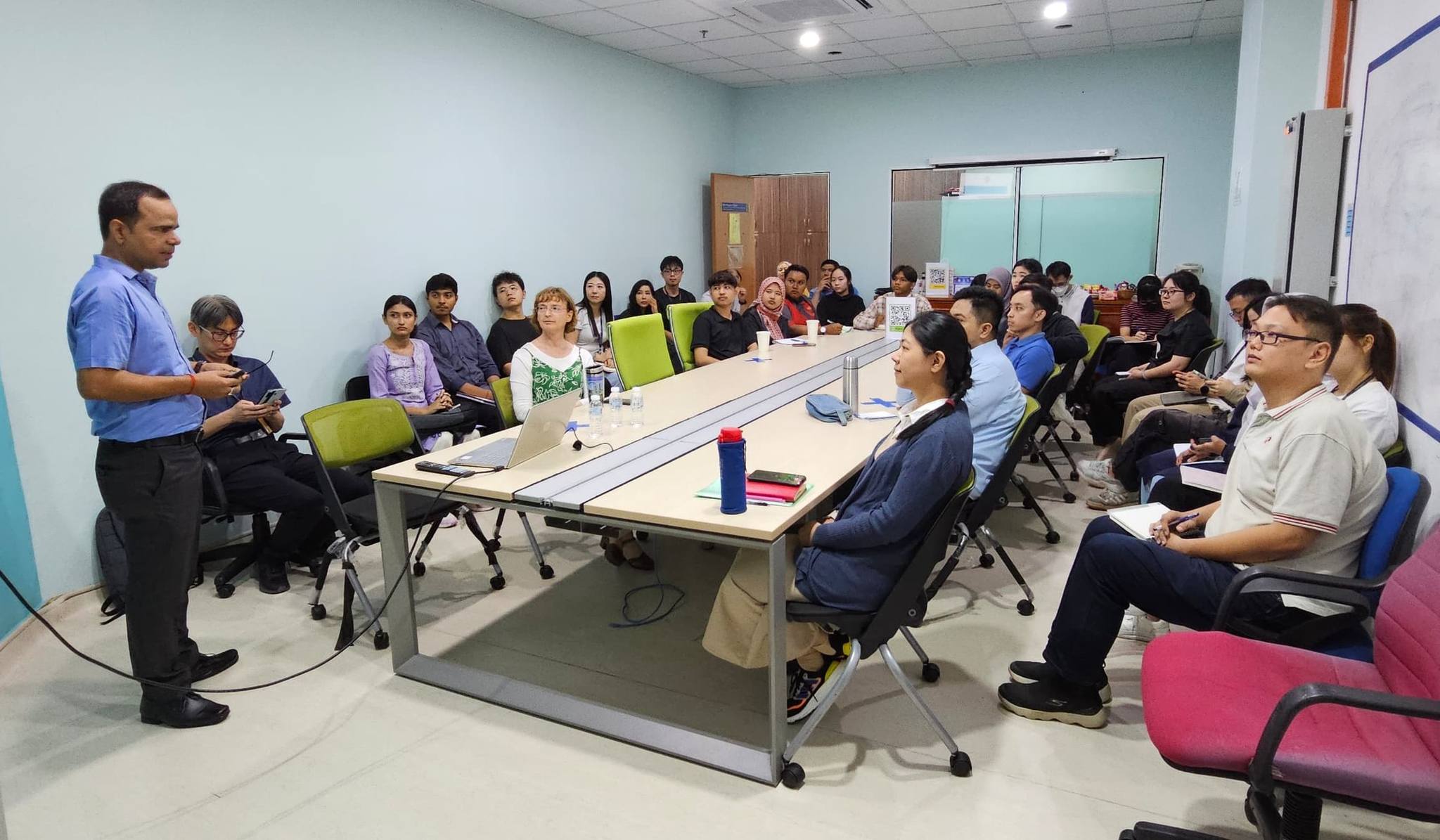
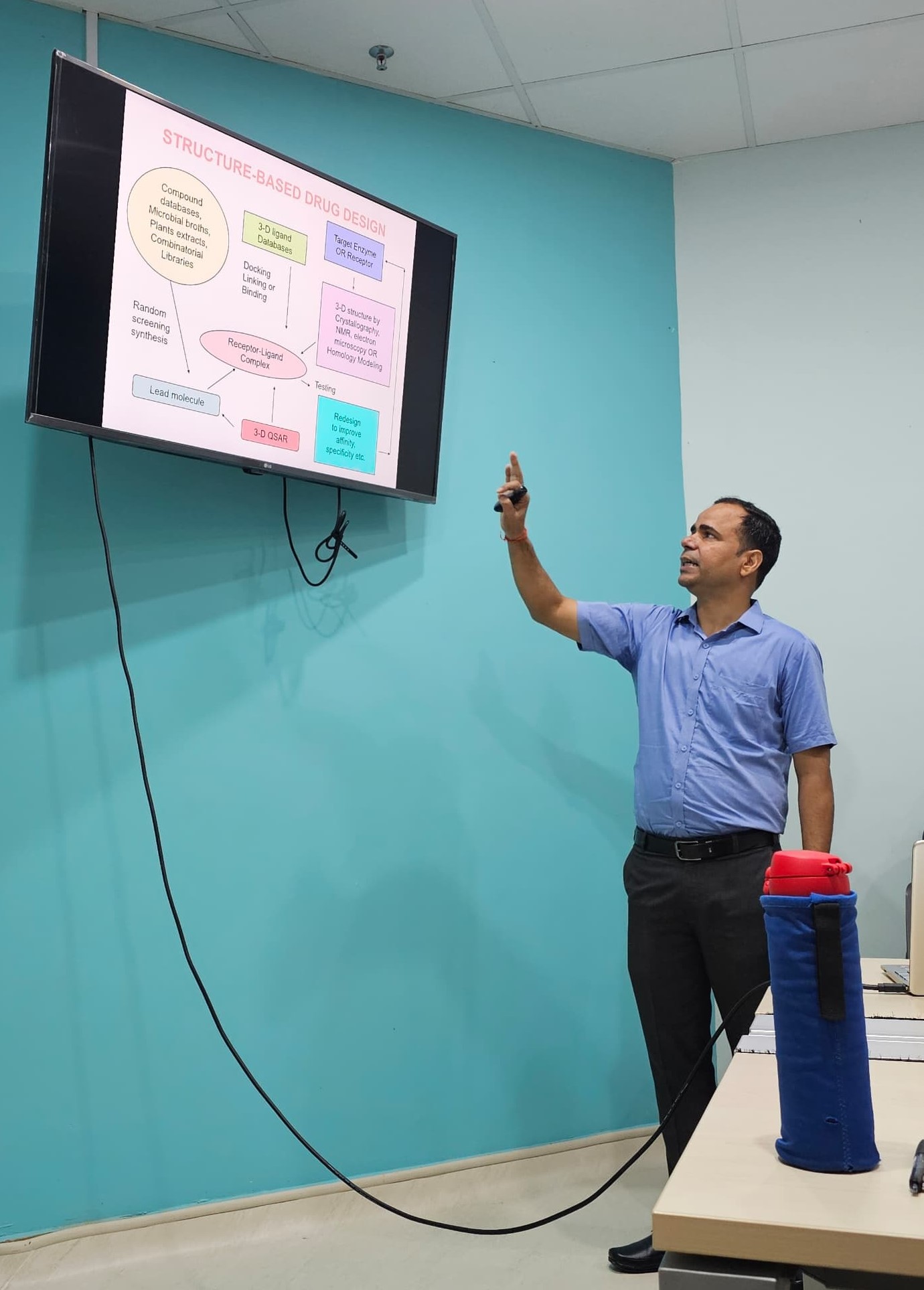
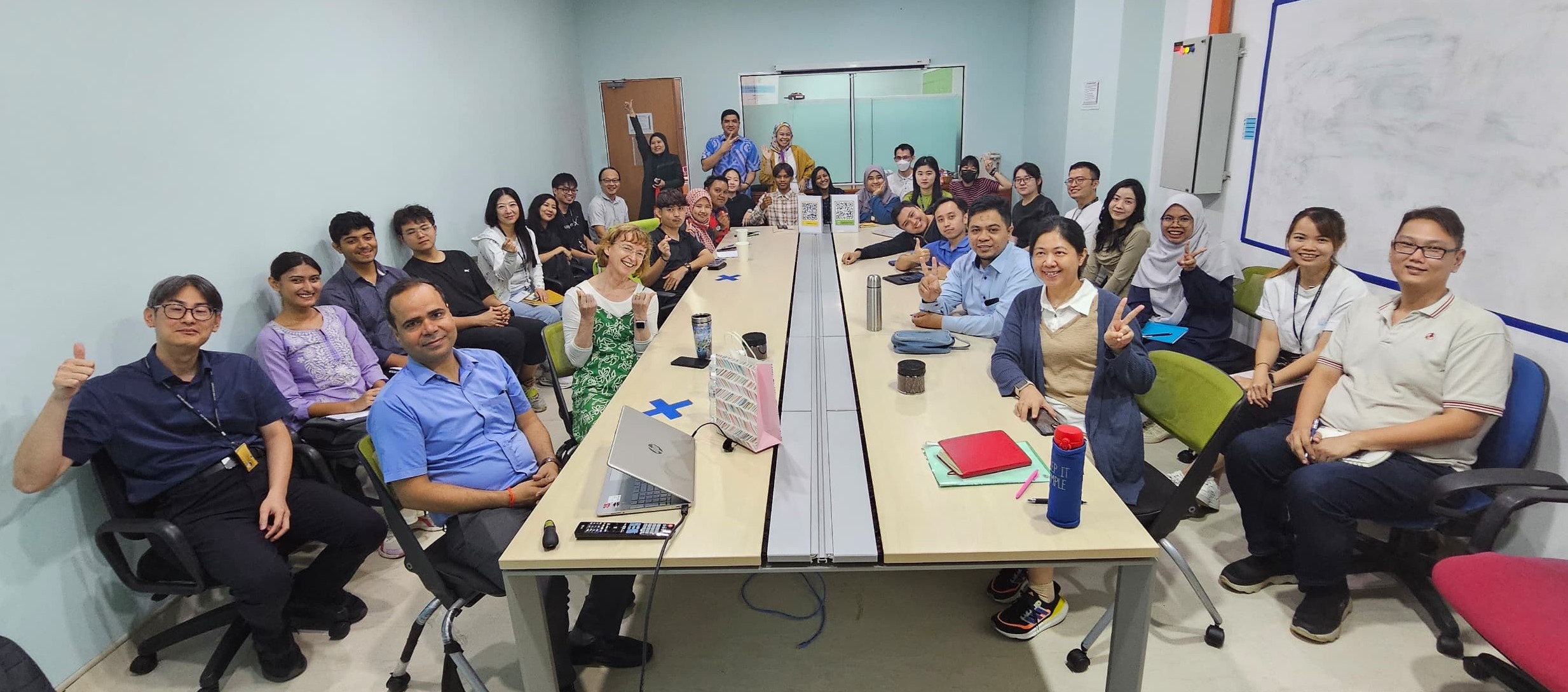
CEBAR hosted Dr. Ashutosh Mani from Motilal Nehru National Institute of Technology (MNNIT) Allahabad, India from 5-15 June 2024. Dr. Ashutosh Mani is a research fellow and collaborator under the ASEAN-India Collaborative R&D Scheme that encourages and promotes cooperation in science, technology and innovation, including through joint research activity, and development on cross-sectoral areas between institutions in India and the ASEAN countries. During his short time in CEBAR, Dr. Ashutosh Mani engaged in discussions with CEBAR Director Prof. Dr. Jenni and Dr. Tan Boon Chin on potential research work and future exchange/mobility activities between CEBAR and MNNIT.
As part of the programme, Dr. Ashutosh Mani also delivered a seminar on the application of bioinformatics during our CEBAR Expert Seminar Series 4/2024 on 12th June 2024. The informative seminar was attended by researchers and students and the audience had a good discussion with the speaker during the Q&A session.
We hope that Dr. Ashutosh Mani finds the visit to CEBAR to be beneficial and we look forward to the exciting fruits of this collaboration.
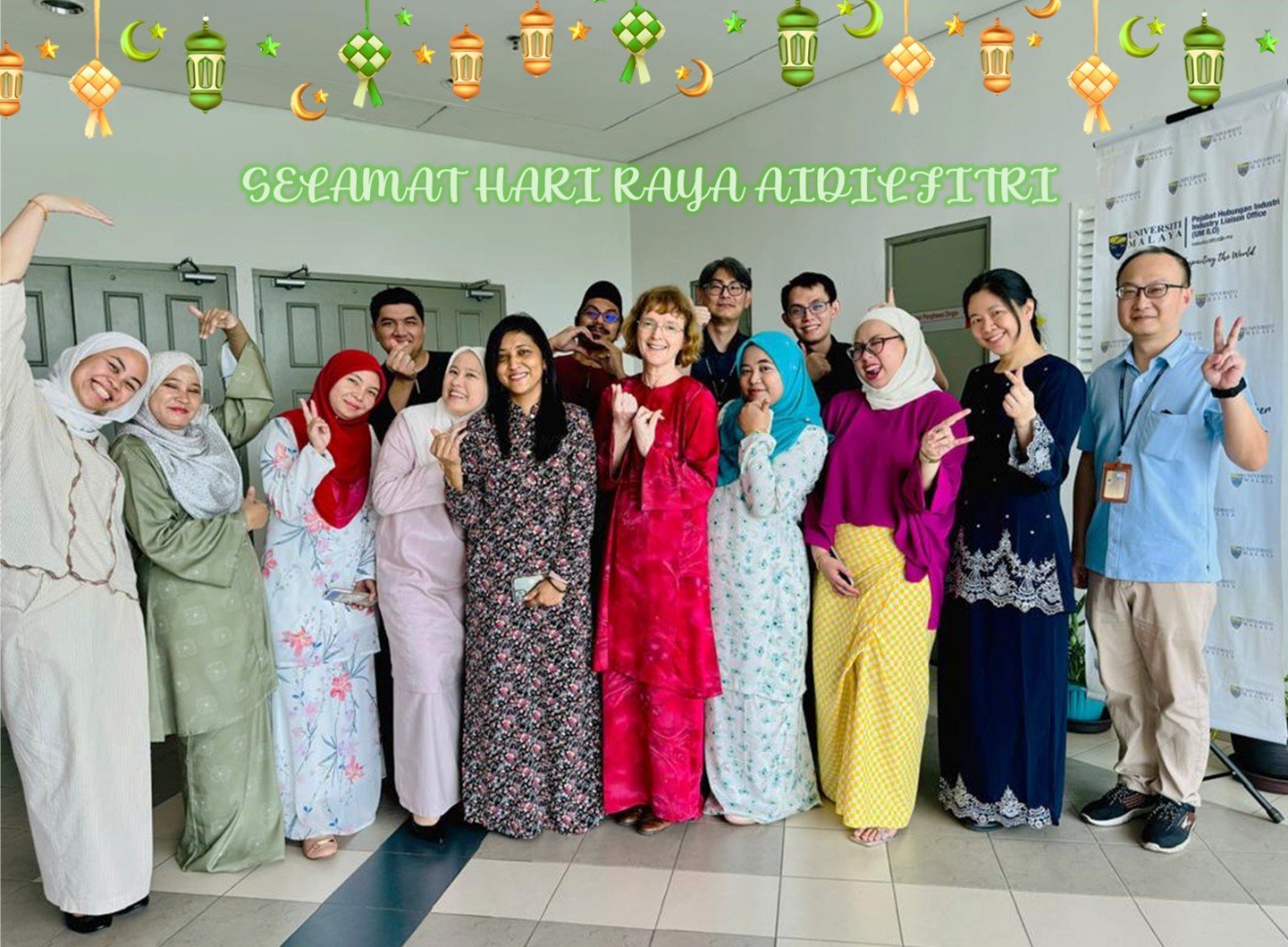
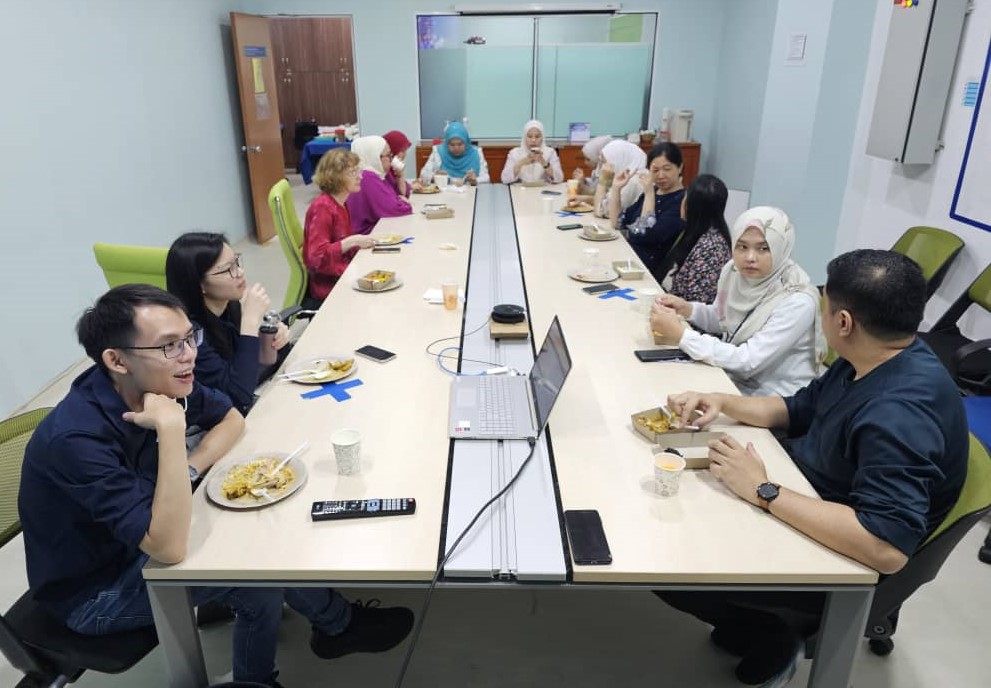
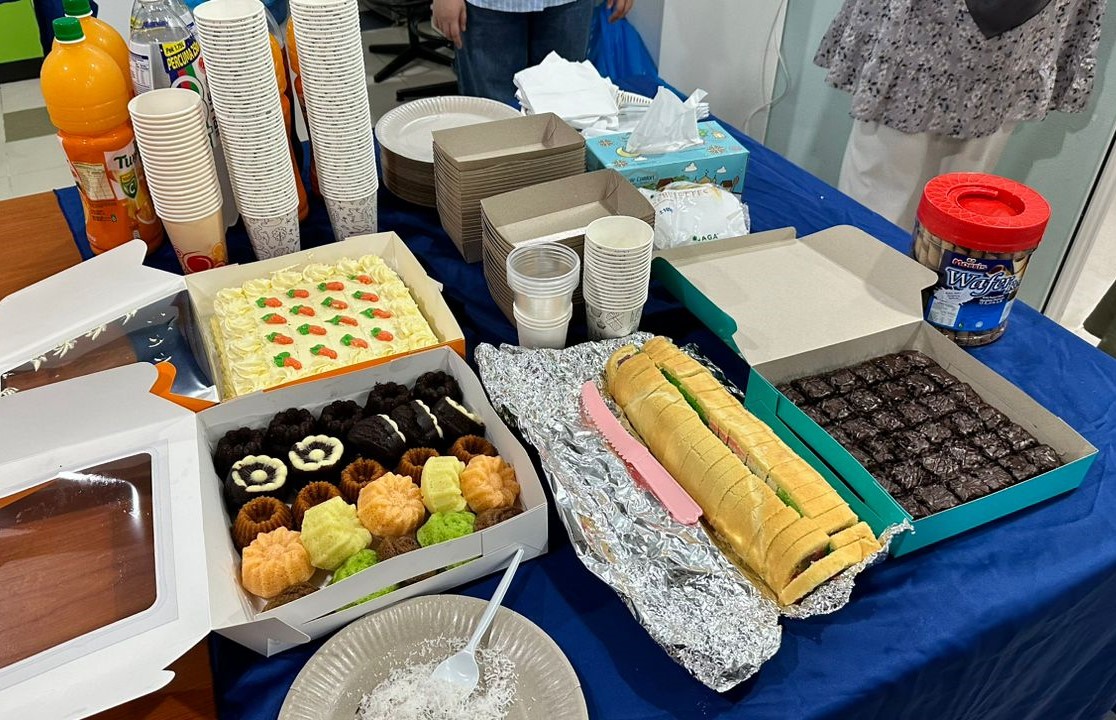
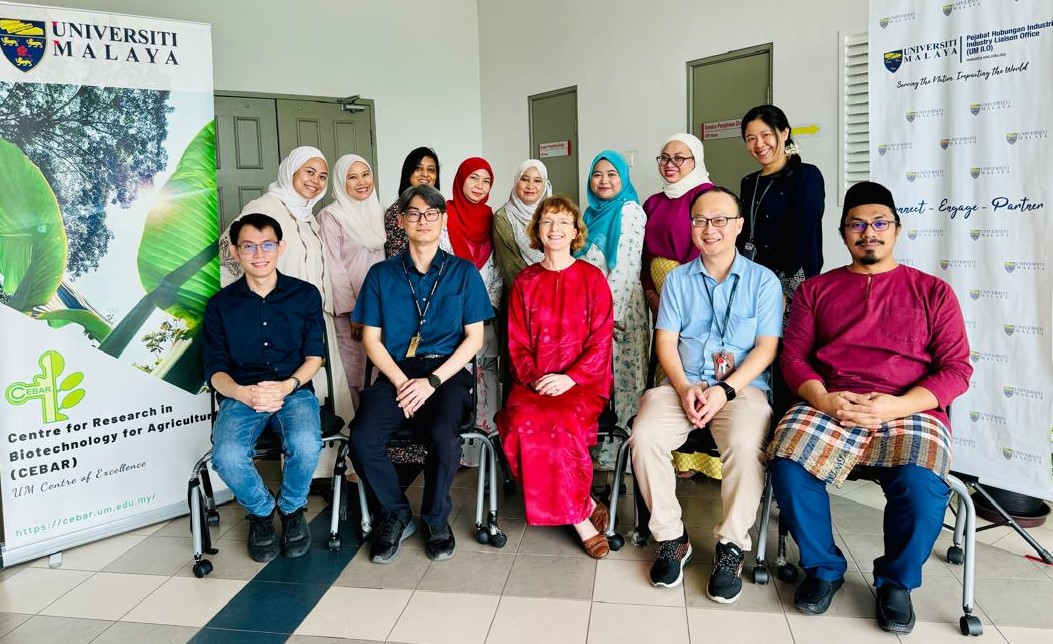
Alamak, Raya Lagi!
CEBAR organised our annual pot luck to celebrate Hari Raya Aidilfitri in a spirit of festivities. Thanks to everyone who attended, contributed food and drinks, as well as putting time and efforts to make this happen.
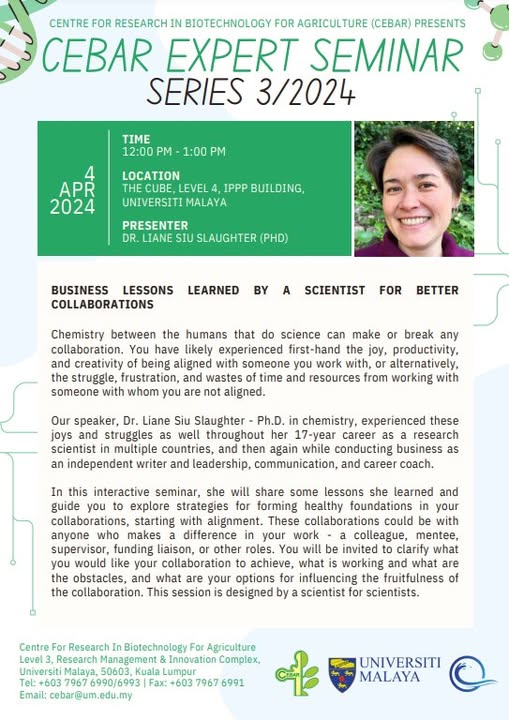
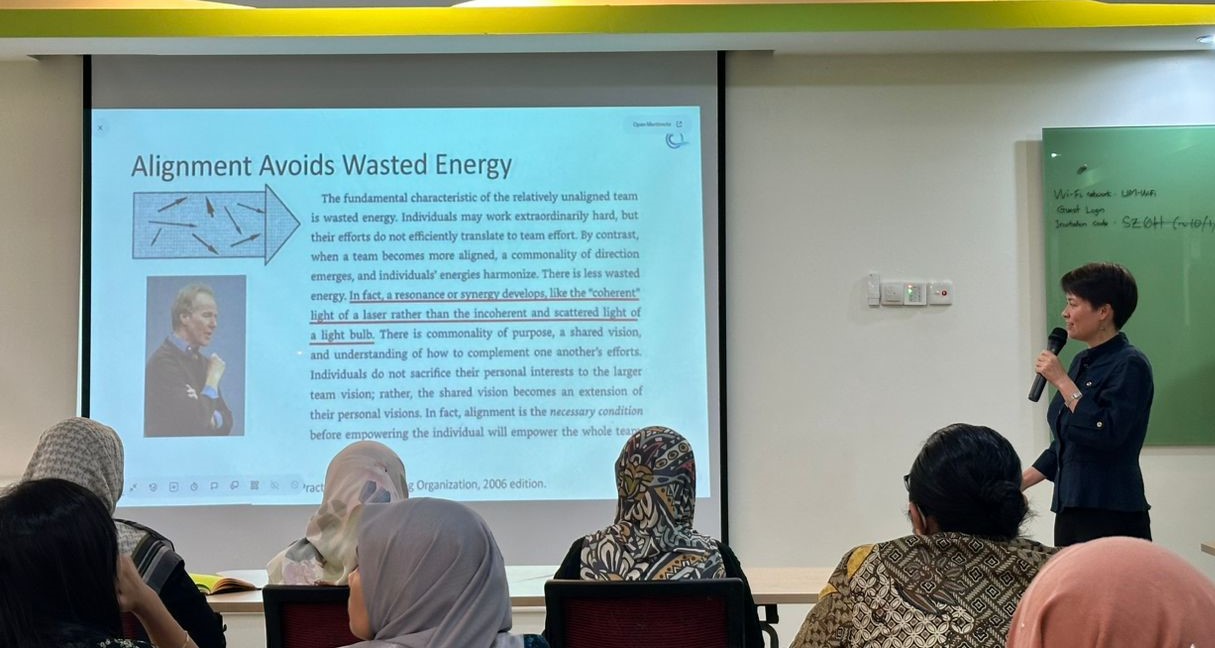
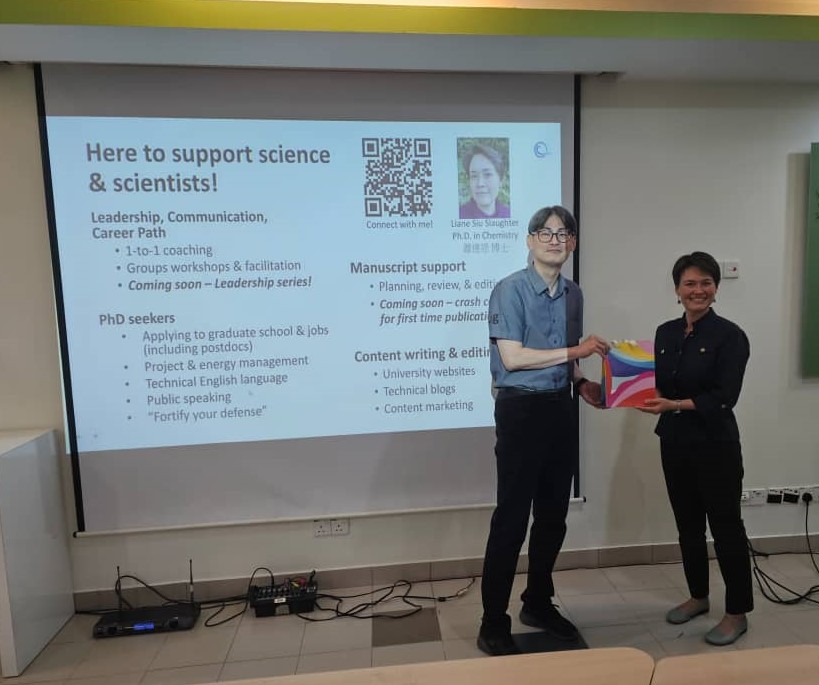
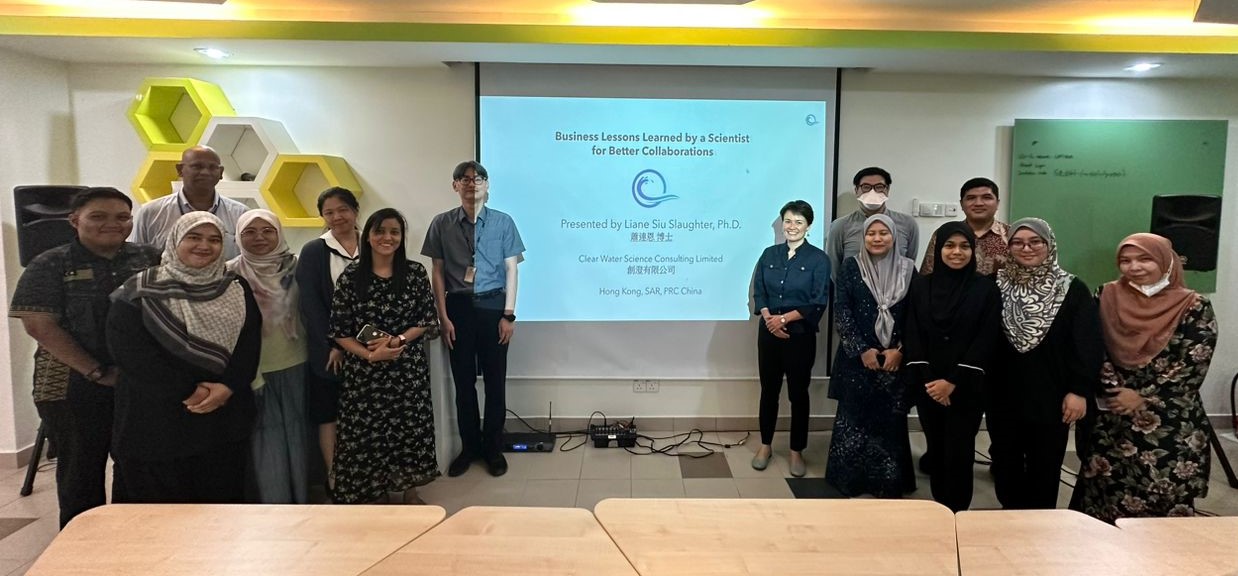
Our CEBAR Expert Seminar Series 3/2024 was held on April 4th, 2024 featuring guest speaker Dr. Liane Siu Slaughter (Ph.D.) from Clear Water Science Consulting Limited, Hong Kong. Entitled "Business Lessons Learned by a Scientist for Better Collaborations", Dr. Liane Siu Slaughter introduced to us the concept of ‘alignment’ in a collaborative setting. She emphasised that alignment of each member’s goals and visions in a team is important as it can create commonality in team direction and purpose and can avoid wasted energy. And the first step in achieving alignment is through effective communication between team leaders and members. Participants were also paired up for a guided activity on effective communication before the seminar was closed with a Q&A session.
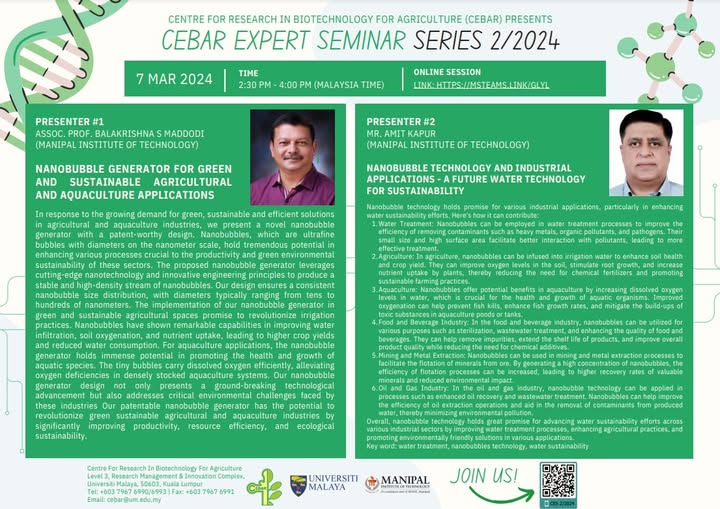
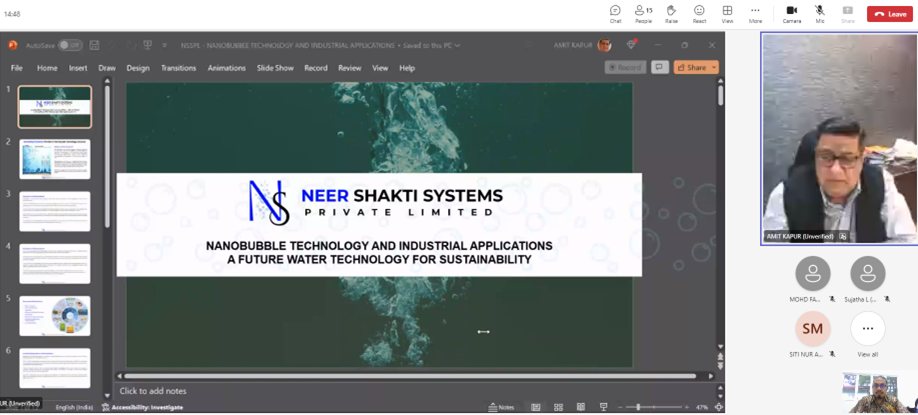
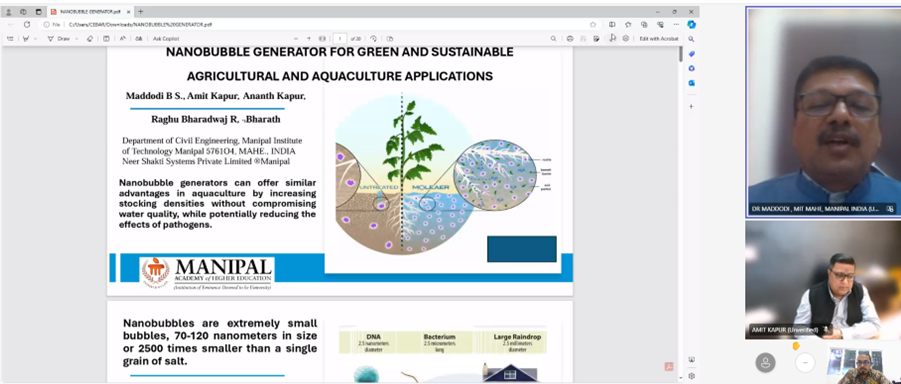
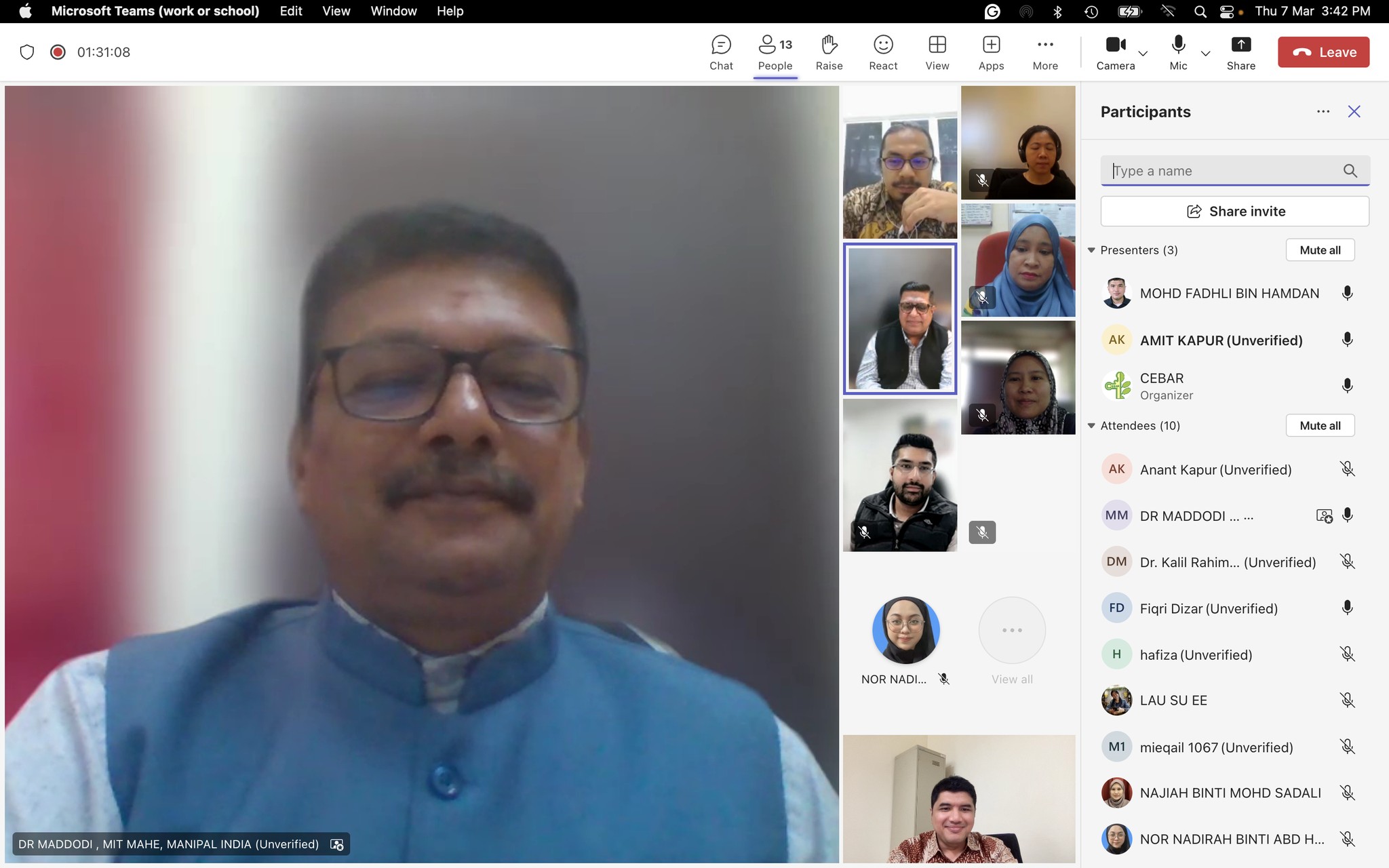
We had the chance to listen to two guest speakers; Associate Professor Dr. Balakrishna S. Maddodi from the Department of Civil Engineering, Manipal Institute of Technology (MIT), India and Mr. Amit Kapur from Neer Shakti Systems Pvt. Ltd. who shared their insights on the advancement of nanobubble technology and its potential application in agriculture during our second CEBAR Expert Seminar series (2/2024) session.
Mr. Amit Kapur delved into the diverse benefits of nanobubbles in various applications and industries such as oil and gas, food and beverages as wells as water quality management. In particular, he highlighted the potential use of nanobubbles on the agriculture sector where it can be used to improve oxygen levels in the soil & stimulate root growth which could, in turn, reduce the reliance on chemical fertilizers and promoting sustainable farming practices. Similarly, water aeration using nanobubbles also has the potential to improve seaweed cultivation and aquaculture by increasing dissolved oxygen levels in water, promoting health and growth. Nanobubbles carrying ozone gas, on the other hand, also has the potential be used as sterilization technology, for example during post-harvest processing, to minimize the risk of spoilage and to extend the shelf life of produce.
Dr. Balakrishna S. Maddodi then took the audience through the history and general background of the technology used in aeration of liquid especially involving micro-and nanobubbles and the latest advancements in nanobubble generator development using nano-based technology, to ensure consistent size distribution and increased stability of the nanobubbles produced.
Through this sharing session, it is becoming more evident that nanobubble technology has a huge range of potential application that can be explored and improved. We are excited and are looking forward to more and innovations, advancements and collaborations in the field of nanobubble technology in the future.
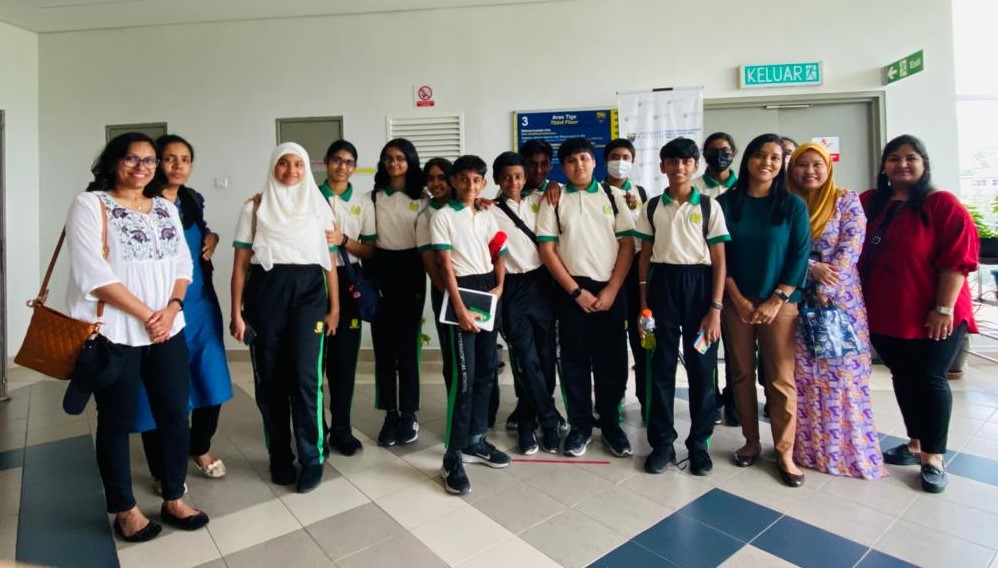
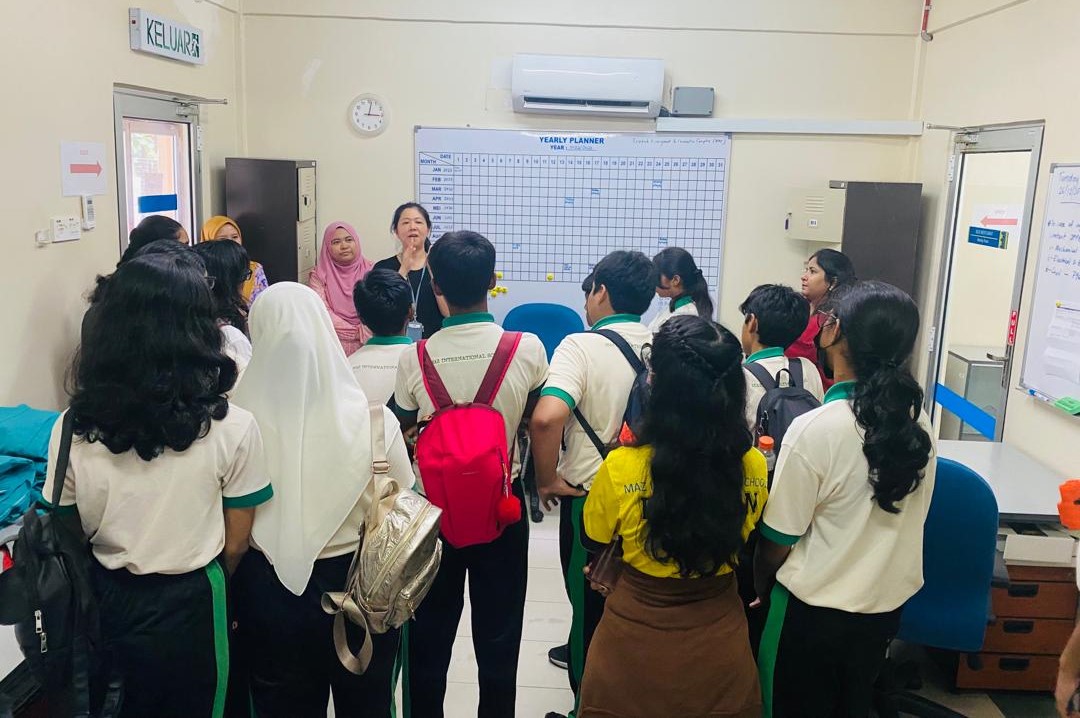
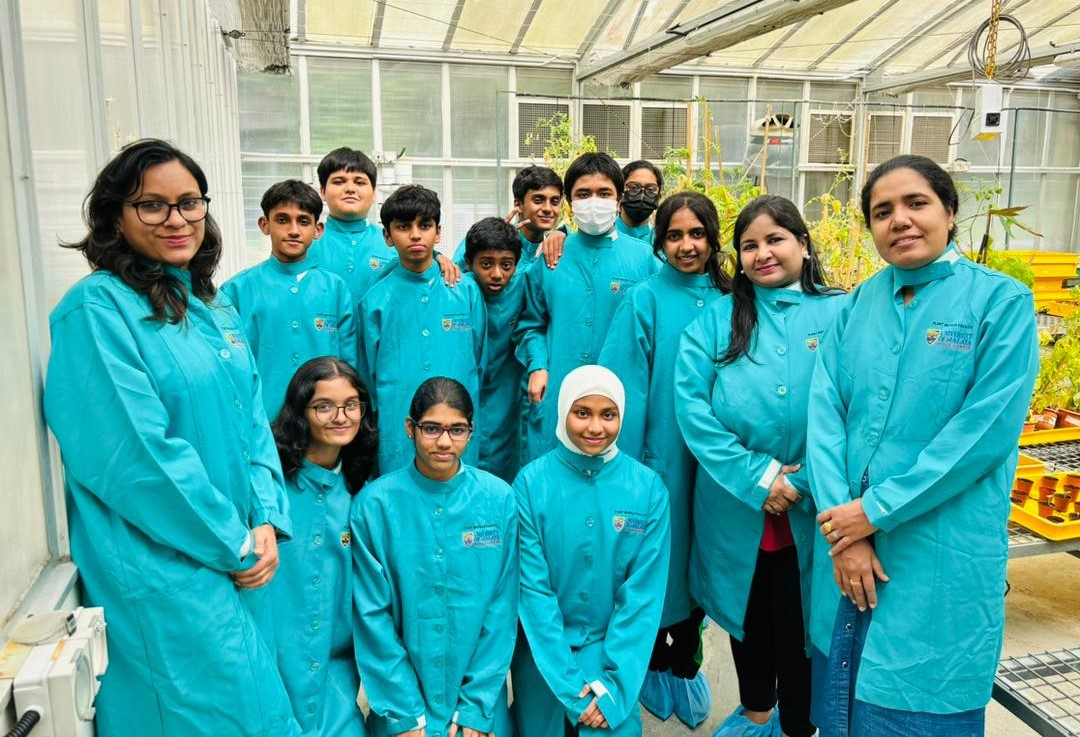
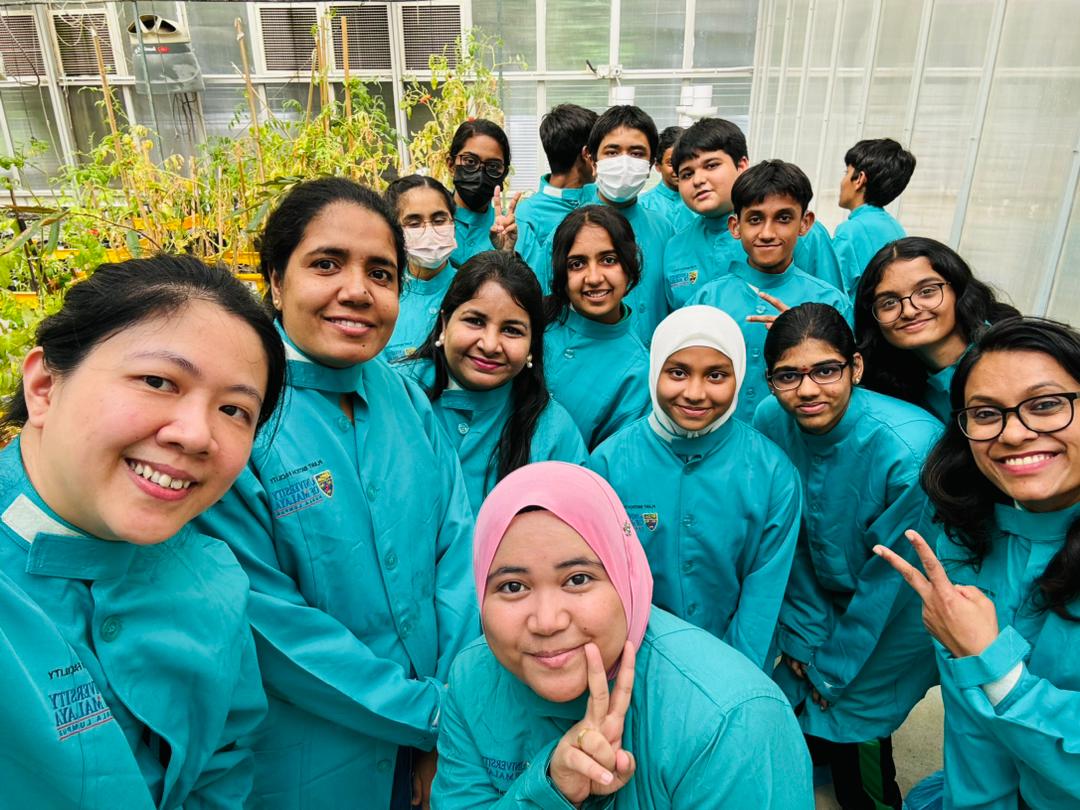
CEBAR hosted a group of aspiring students from the Eco School Club of MAZ International School for a tour activity of CEBAR facilities. The aim of the activity was to expose the students first-hand what a research facility looks like and also the kind of plant biotechnology research work that are/can be conducted in a research facility.
The group, consisting of 12 students accompanied by 3 teachers, was welcomed by CEBAR PI Dr. Purabi Mazumdari, CEBAR Research officers Dr. Najiah and Dr. Lau Su Ee and CEBAR Assistant Science Officer Pn. Zarina Md Ali. The guests went on a guided tour of CEBAR Molecular lab and growth room as well as the Plant Biotech Facility building.
It was always nice to host eager school pupils for learning visits like this to CEBAR. We sincerely hope that this short visit is able to further spur in the young participants bigger aspiration and interest in STEM, particularly in plant sciences.
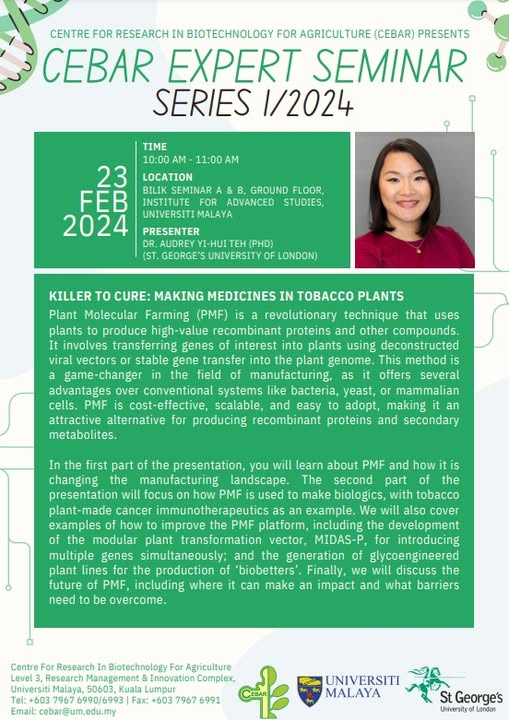
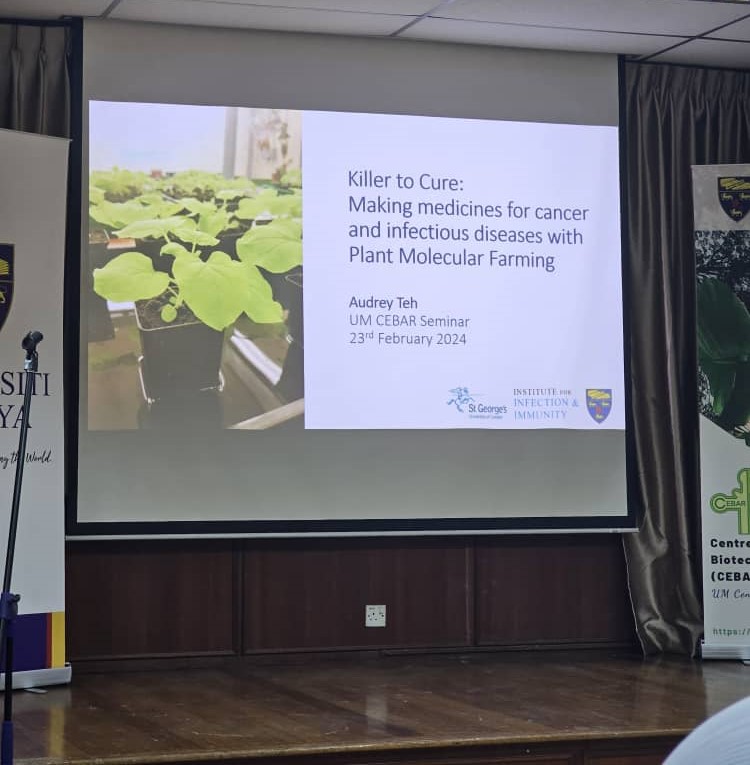
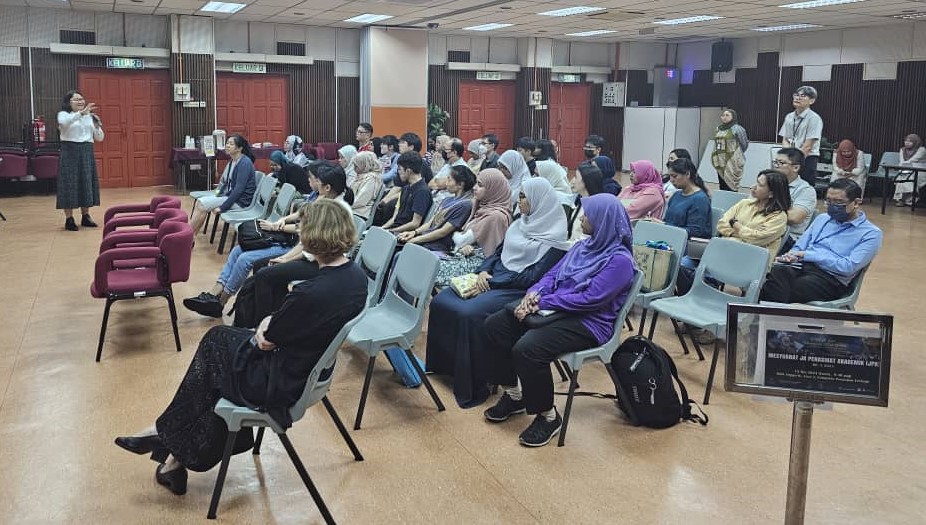
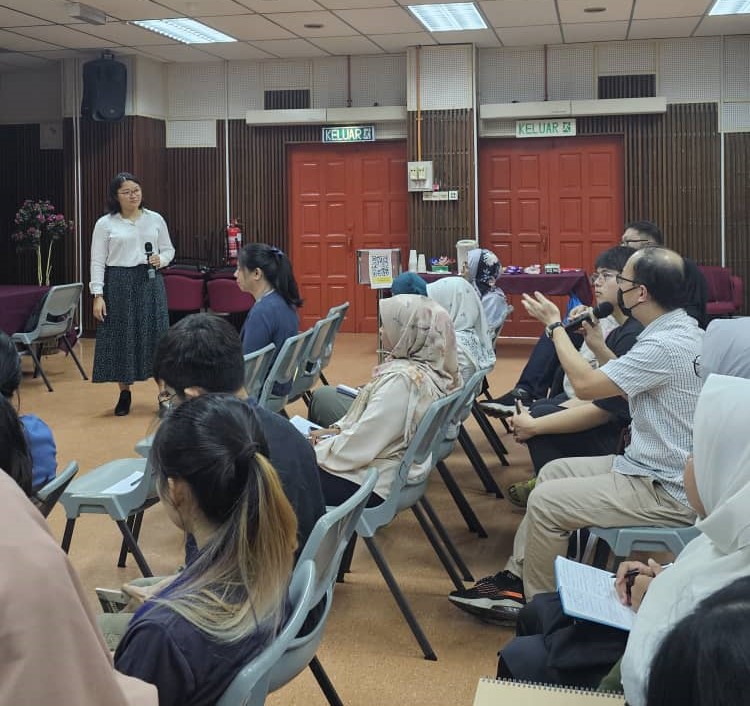
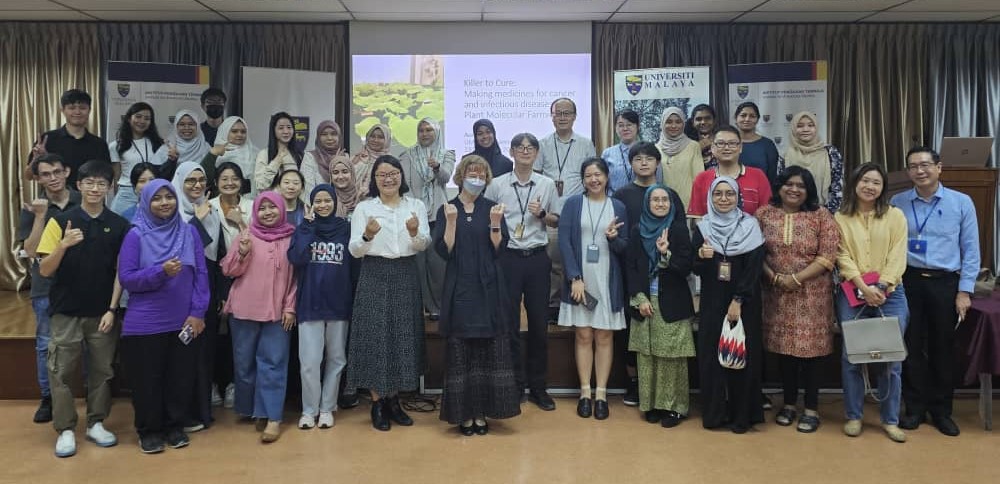
CEBAR held our first Expert Seminar Series for 2024 and we were honoured to have Dr. Audrey Teh from Institute for Infection and Immunity, St. George's, University of London to spend some time to talk about her work in the field of plant molecular farming.
It was interesting to learn about the potential and advantages of using plants to synthesise high-value recombinant proteins and other compounds especially for medical application such as the COVID-19 vaccines. Dr. Audrey also highlighted the latest glycoengineered plant lines and improved cloning constructs in use in plant molecular farming that have enabled better production of these compounds.
Synthesis of novel therapeutics in plants is a promising alternative method towards producing medicines and vaccines that are affordable and accessible to everyone, especially to combat cancer and infectious diseases. We hope to hear more great news and development from Dr. Audrey and the field of plant molecular farming in the future.
Last Update: 19/03/2026