

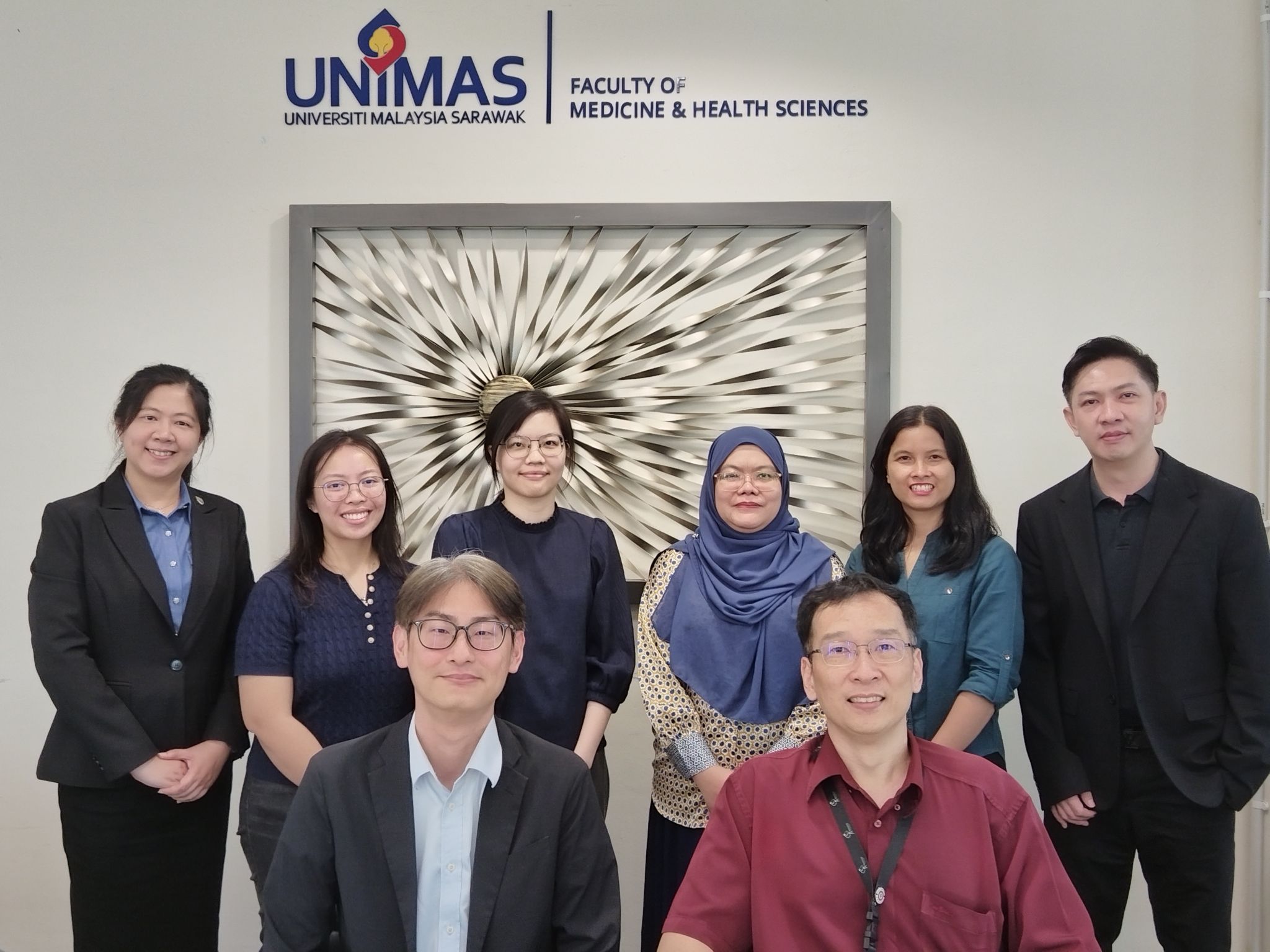
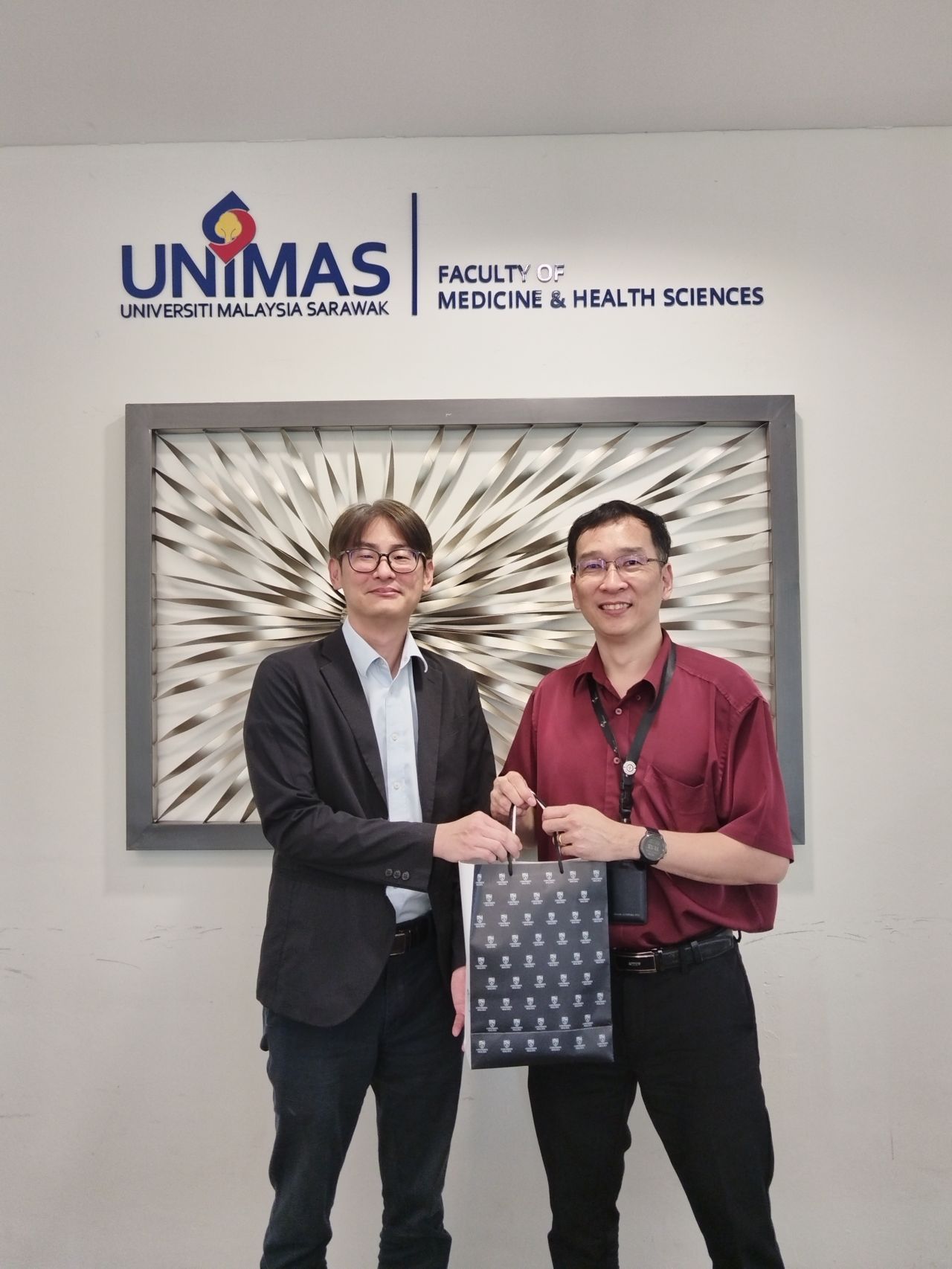
Researchers from CEBAR, Universiti Malaya (UM) visited the Faculty of Medicine and Health Sciences, Universiti Malaysia Sarawak (UNIMAS) on 17–18 September 2026 as part of an ongoing collaborative research project.
Led by Associate Professor Ts. Dr Tan Cheng Siang (UNIMAS) and co-led by Associate Professor Dr. Tan Boon Chin (UM), the visit provided an opportunity for the research teams to review project progress, exchange updates, discuss ongoing experimental work, and plan the next stages of the collaboration.
The engagement brought together researchers from both institutions to strengthen collaboration in plant molecular biotechnology and recombinant protein production, while supporting knowledge exchange and researcher development.
CEBAR looks forward to building on this collaboration and advancing the project towards meaningful scientific outcomes.
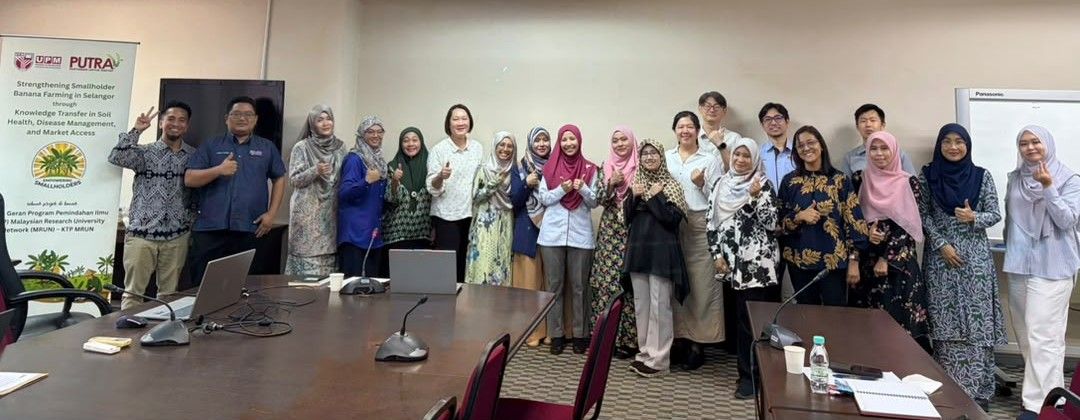

CEBAR researchers Assoc. Prof. Dr. Tan Boon Chin, Dr. Nurzatil Sharleeza Mat Jalaluddin, and Dr. Nur Ardiyana Rejab were invited to deliver talks at the Workshop on Banana Technology Mapping and Research Direction for Smallholder Farmers, held at Universiti Putra Malaysia (UPM).
The workshop brought together researchers and stakeholders to exchange expertise, map existing technologies, and discuss future research directions for the banana sector, particularly in addressing the needs of smallholder farmers.
The engagement provided an opportunity to share CEBAR’s expertise in banana and plant science, while exploring potential research and collaboration opportunities to address practical challenges in banana production.
CEBAR thanks Dr. Baity and her team for organising the workshop and providing a valuable platform for knowledge exchange and collaboration.
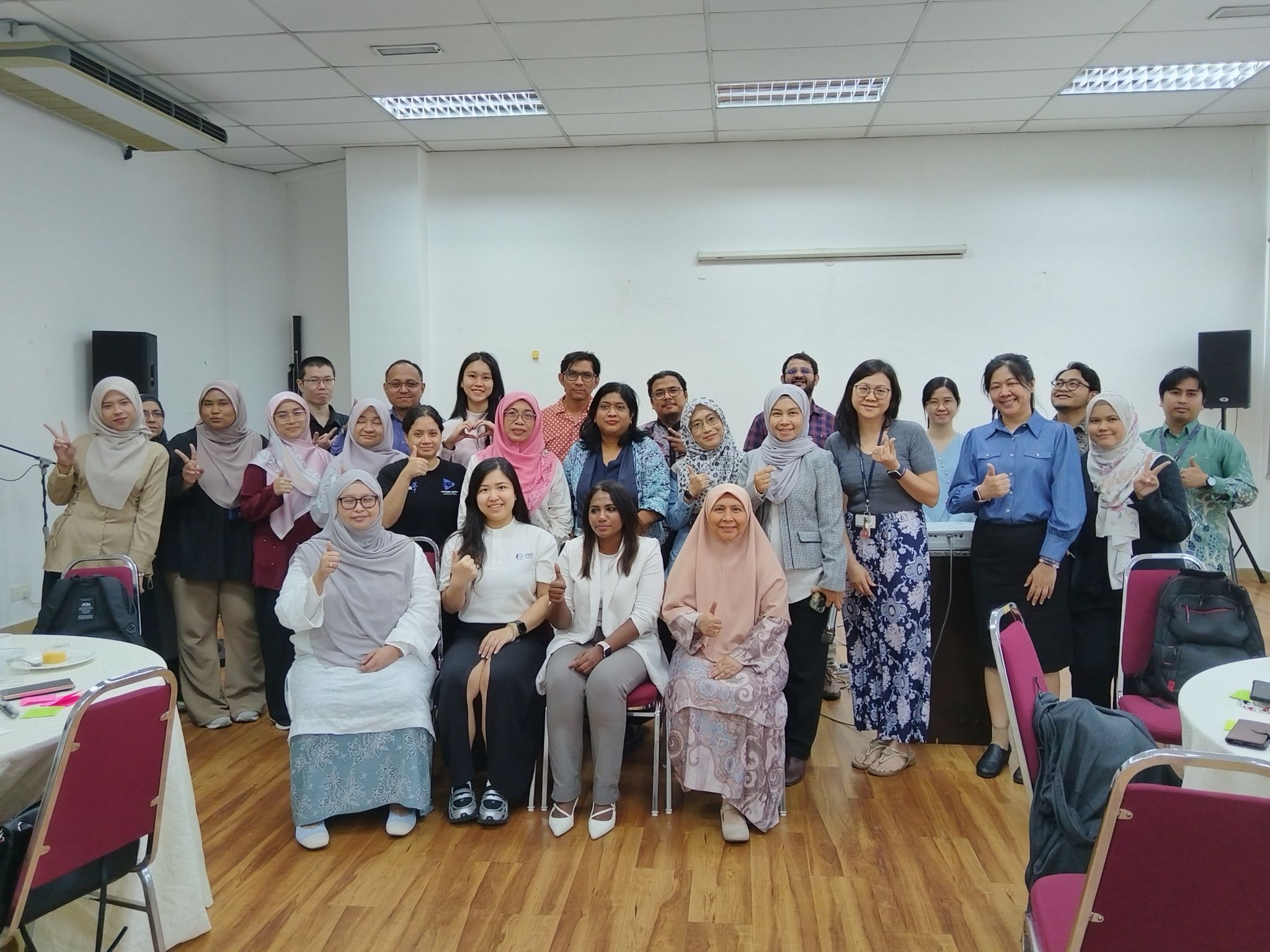
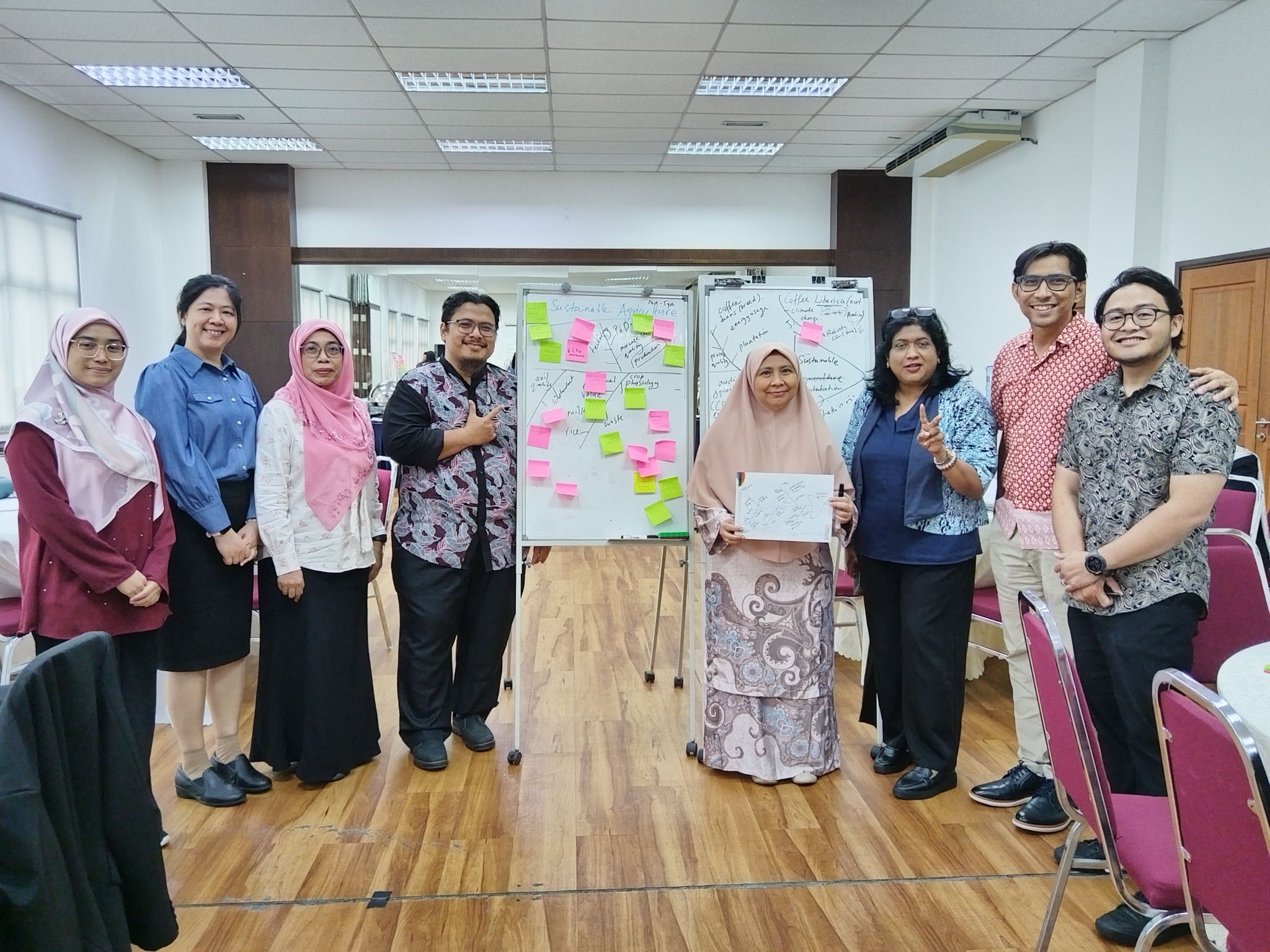
CEBAR researchers Prof. Subha Bhassu, Associate Prof. Dr Muhamad Shakirin Mispan, Dr. Su-Ee Lau, Dr. Adibi M. Nor, Dr. Muhammad Asyraf Mohd Amnan, and Ms Hidayah attended the Mission-Oriented Research Session, “Feeding Tomorrow: Building a Sustainable Food System,” held on 10 September 2026 at the PAUM Clubhouse.
The session provided a platform to explore challenges and opportunities in building a sustainable and resilient food system, while encouraging knowledge exchange and cross-disciplinary collaboration.
CEBAR remains committed to contributing its expertise in biotechnology, plant science, and sustainable agriculture towards addressing food security and sustainability challenges.
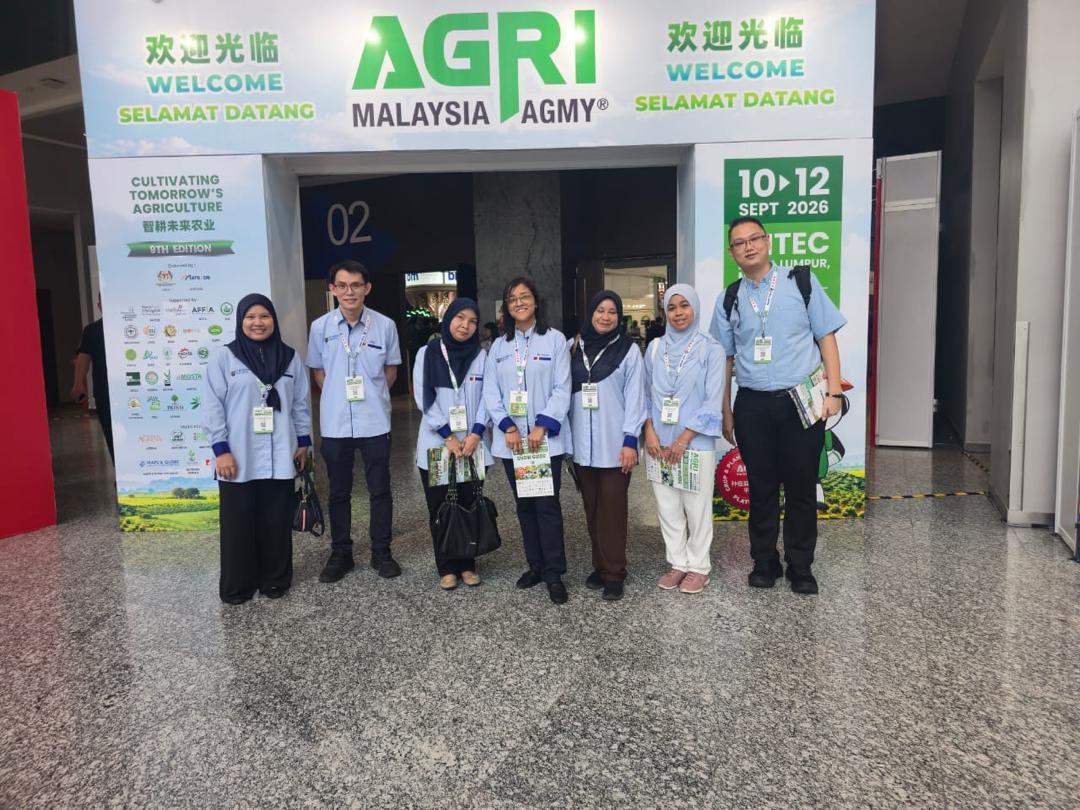
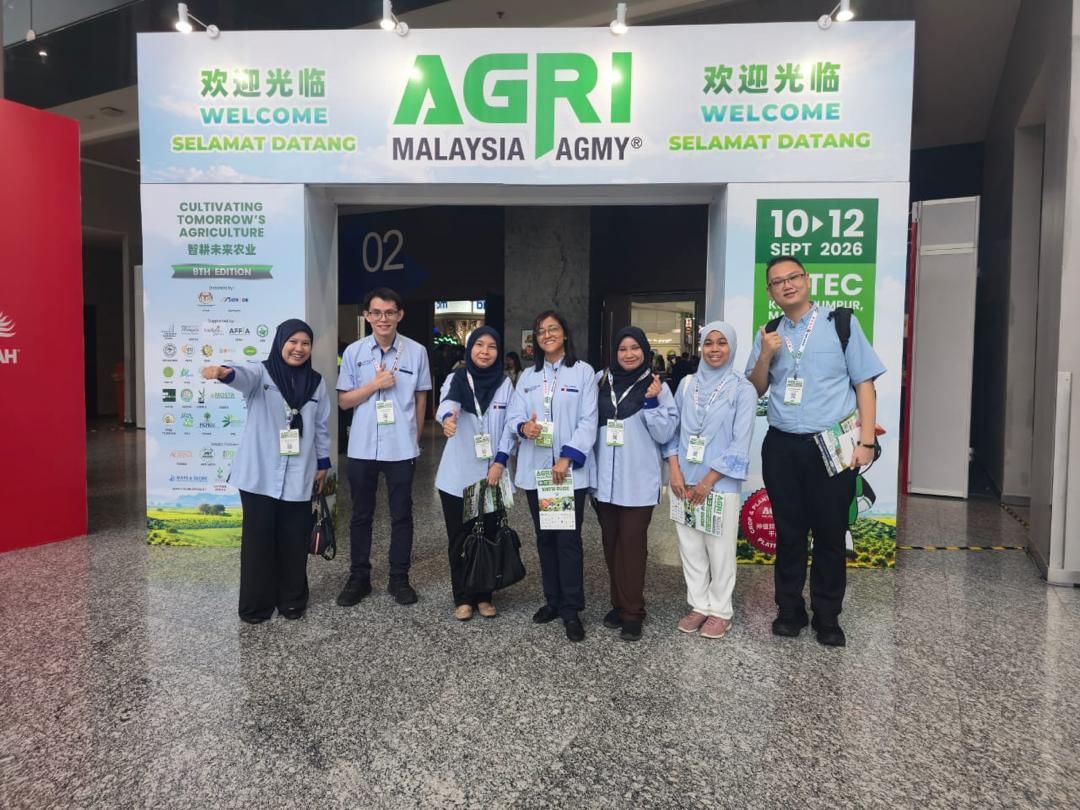
The CEBAR team visited Agri Malaysia 2026 – Malaysia International Agriculture Technology Exhibition, held from 10–12 September 2026 at MITEC, Kuala Lumpur.
The visit provided an opportunity to explore emerging agricultural technologies, engage with industry players, and identify potential opportunities for research, innovation, and industry collaboration.
CEBAR thanks Dr. Purabi Mazumdar, Dr. Kah Ooi Chua, Dr. Norhafiza Arshad, Dr. Najiah Mohd Sadali, Siti Nur Akmar, Aida, and Ron Wong Gwo Rong for representing the Centre at the event.
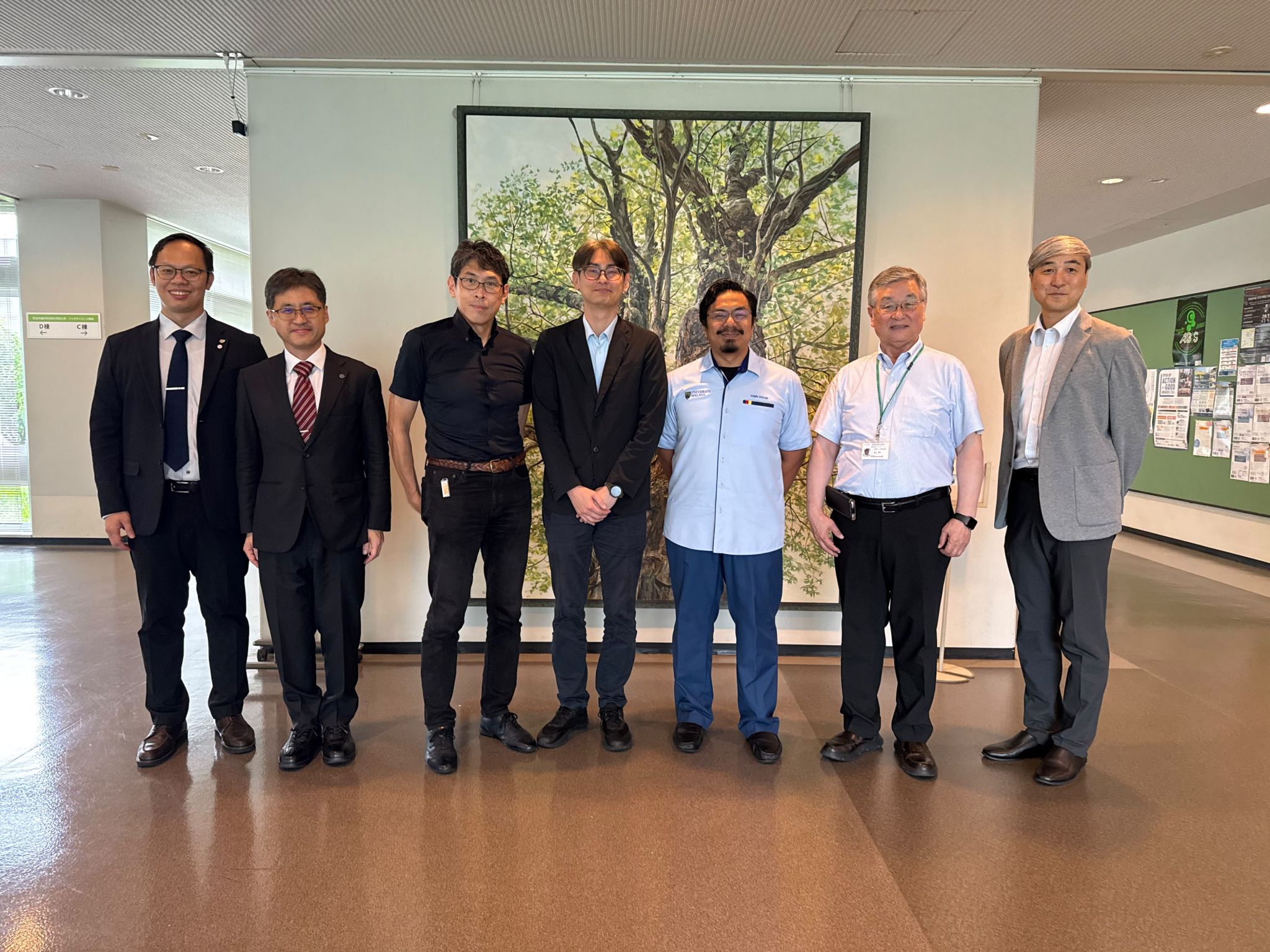
CEBAR Director Assoc. Prof. Dr. Tan Boon Chin and Head of Global Partnership Dr. Fiqri Dizar Khaidizar visited the Nara Institute of Science and Technology (NAIST), Japan, on 9 September 2026 to explore opportunities for international academic and research collaboration.
The visit included discussions with NAIST representatives on potential initiatives such as student internships, joint symposia, and online seminars, as well as tours of research laboratories and shared facilities.
The engagement provided valuable opportunities to exchange expertise, strengthen research networks, and explore future collaboration between CEBAR and NAIST.
CEBAR thanks the NAIST team for their warm welcome and constructive discussions.
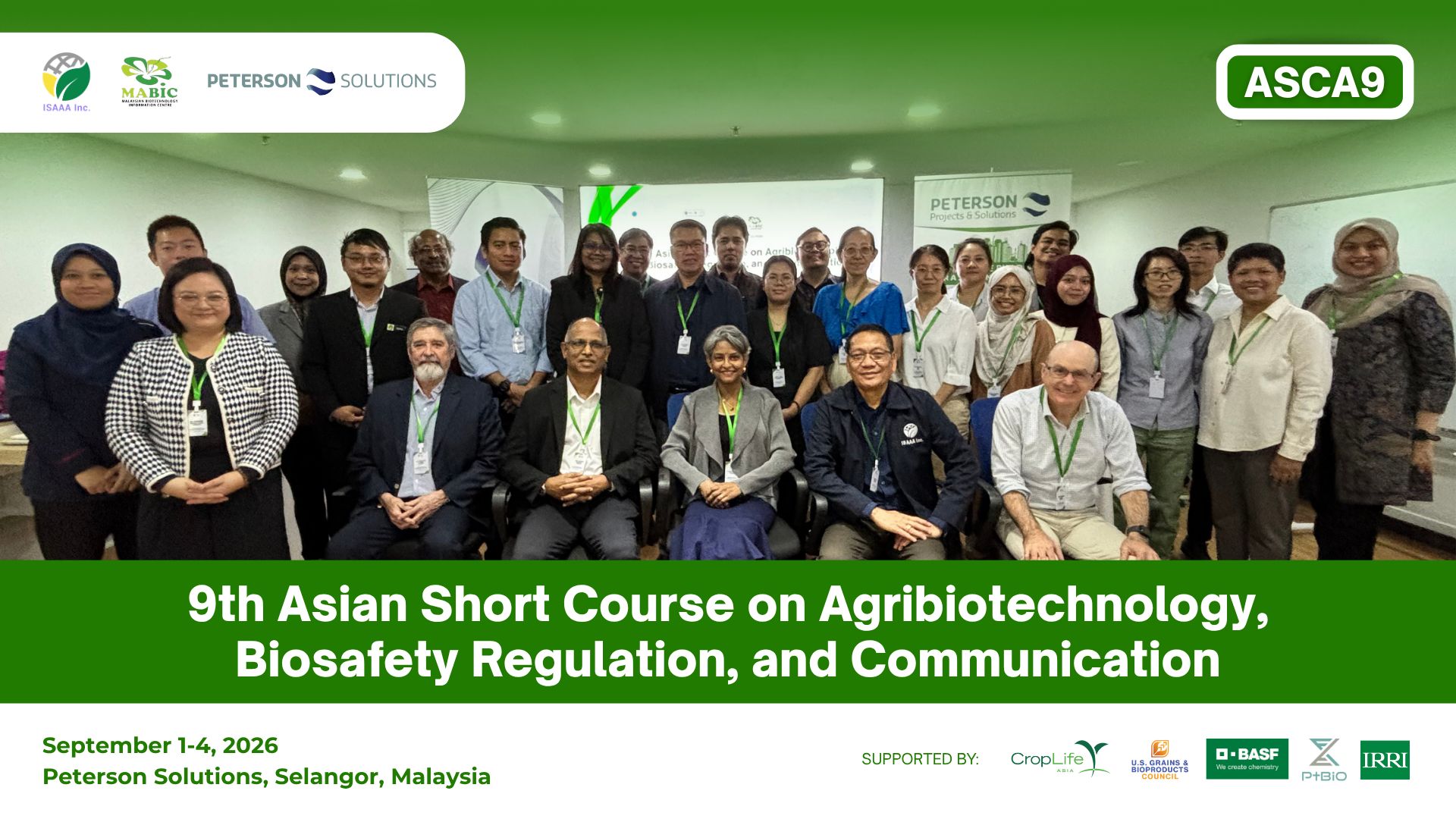
CEBAR researcher Dr. Nurzatil Sharleeza Mat Jalaluddin and Master’s student Yong Jiun Ting participated in the 9th Asian Short Course on Agribiotechnology, Biosafety Regulation, and Communication (ASCA 2026), held from 1–4 September 2026 in Selangor, Malaysia.
The short course provided a platform for learning and knowledge exchange on agricultural biotechnology, biosafety regulation, and science communication, with participants and experts from across the region.
Their participation supported professional development, regional networking, and knowledge exchange, while providing valuable exposure to perspectives beyond their immediate research areas.
CEBAR is pleased to support the continued development of its researchers and postgraduate students through regional capacity-building initiatives.
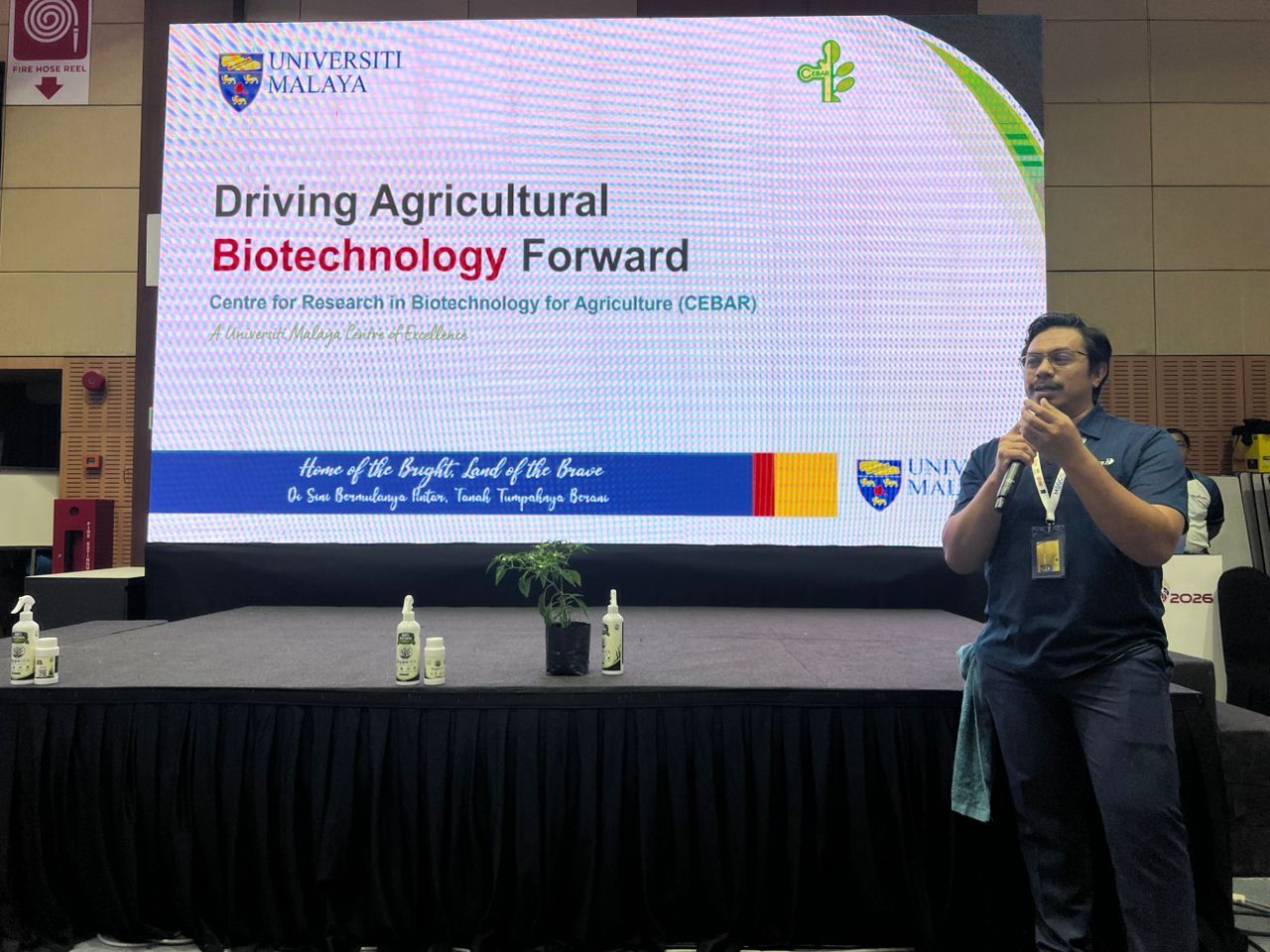
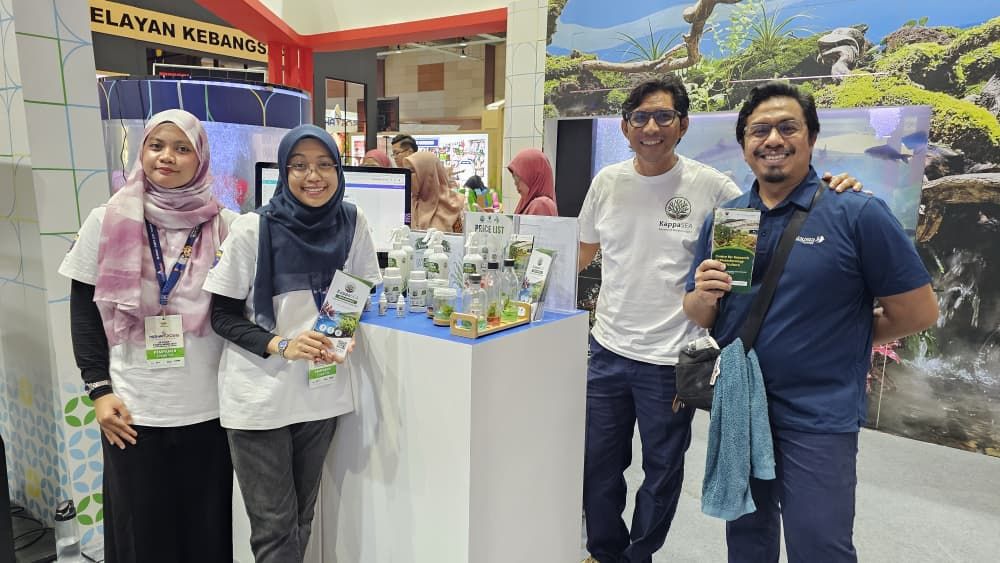
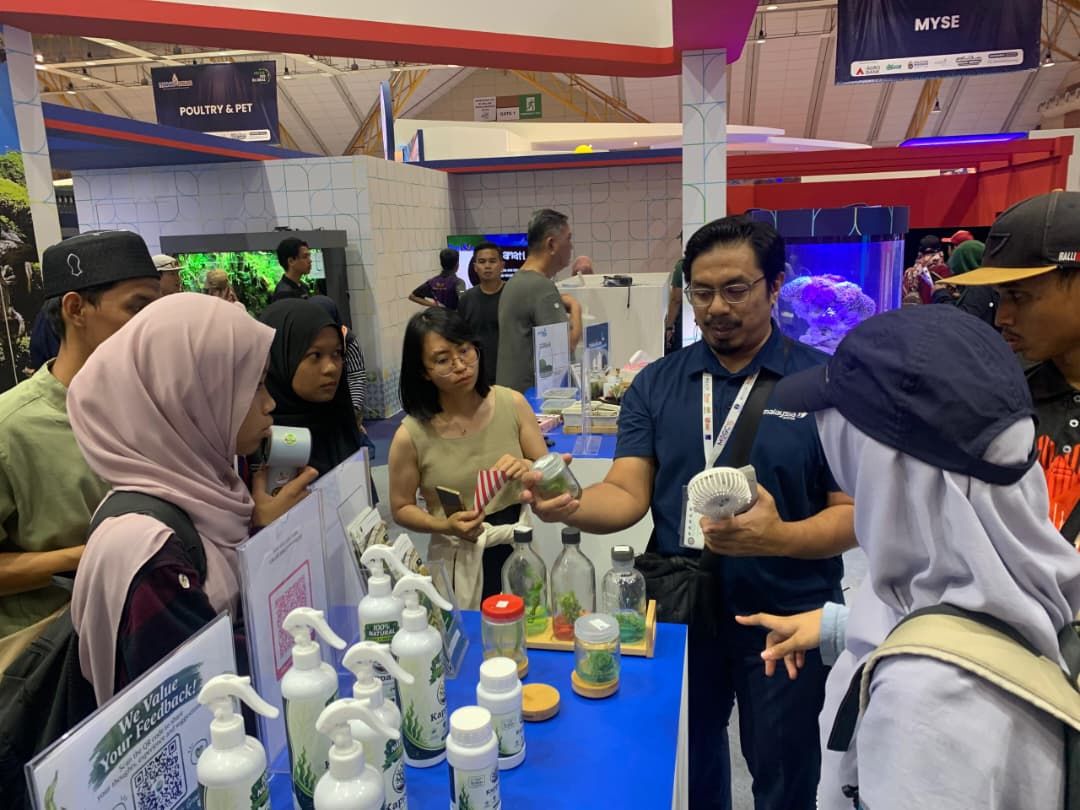
CEBAR, Universiti Malaya, was pleased to participate in the Malaysia Agriculture, Horticulture and Agrotourism Exhibition (MAHA) 2026 at MAEPS Serdang.
Representing CEBAR, Dr. Fiqri Dizar Khaidizar engaged with visitors and shared information on the Centre’s research, innovations, and products in agricultural biotechnology.
Under the theme “Value Creation for Food Security,” MAHA 2026 highlights the role of technology and innovation in strengthening Malaysia’s agri-food ecosystem.
CEBAR is proud to contribute to this platform by promoting research-driven solutions towards more productive, resilient, and sustainable agriculture.
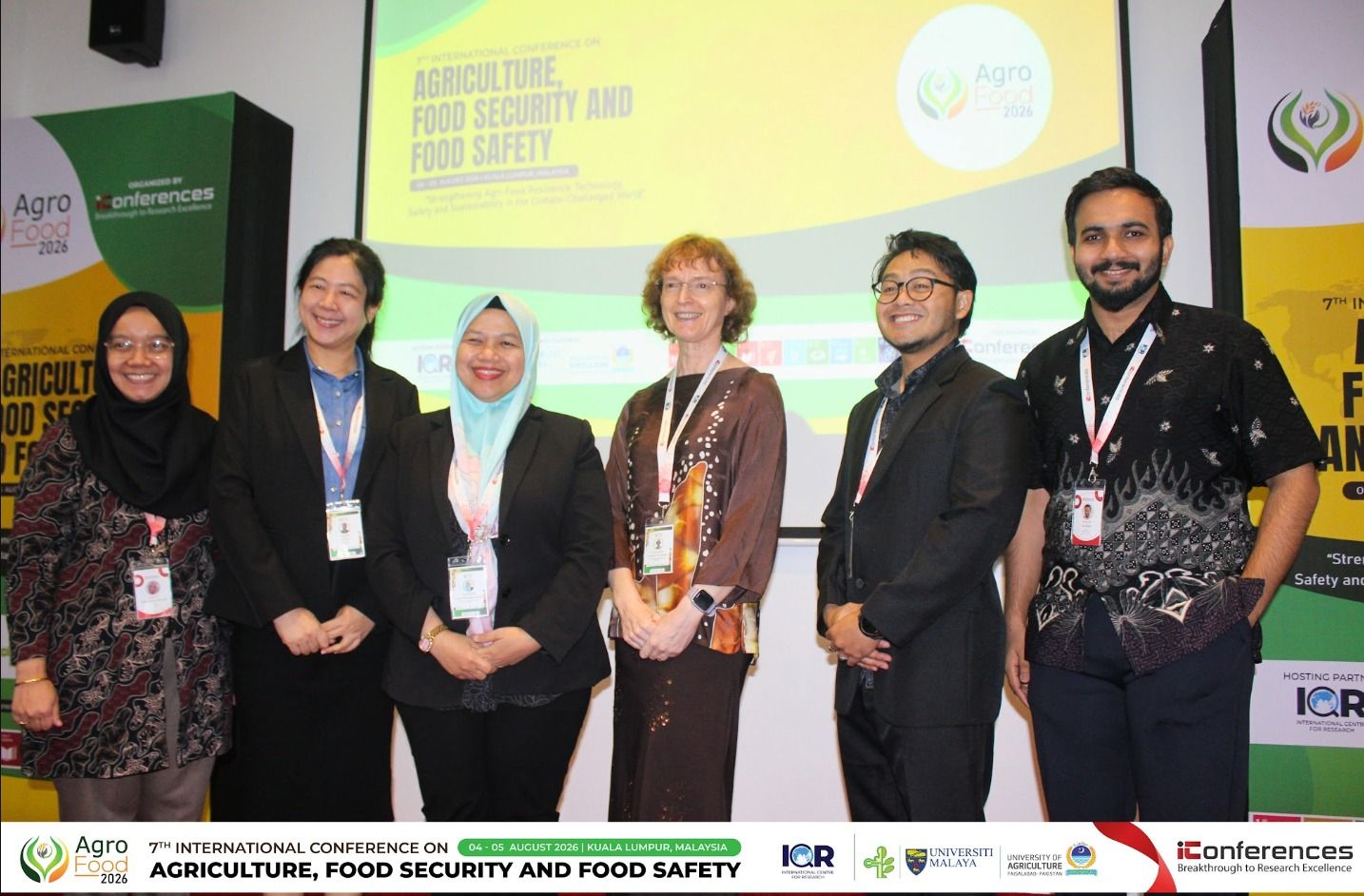
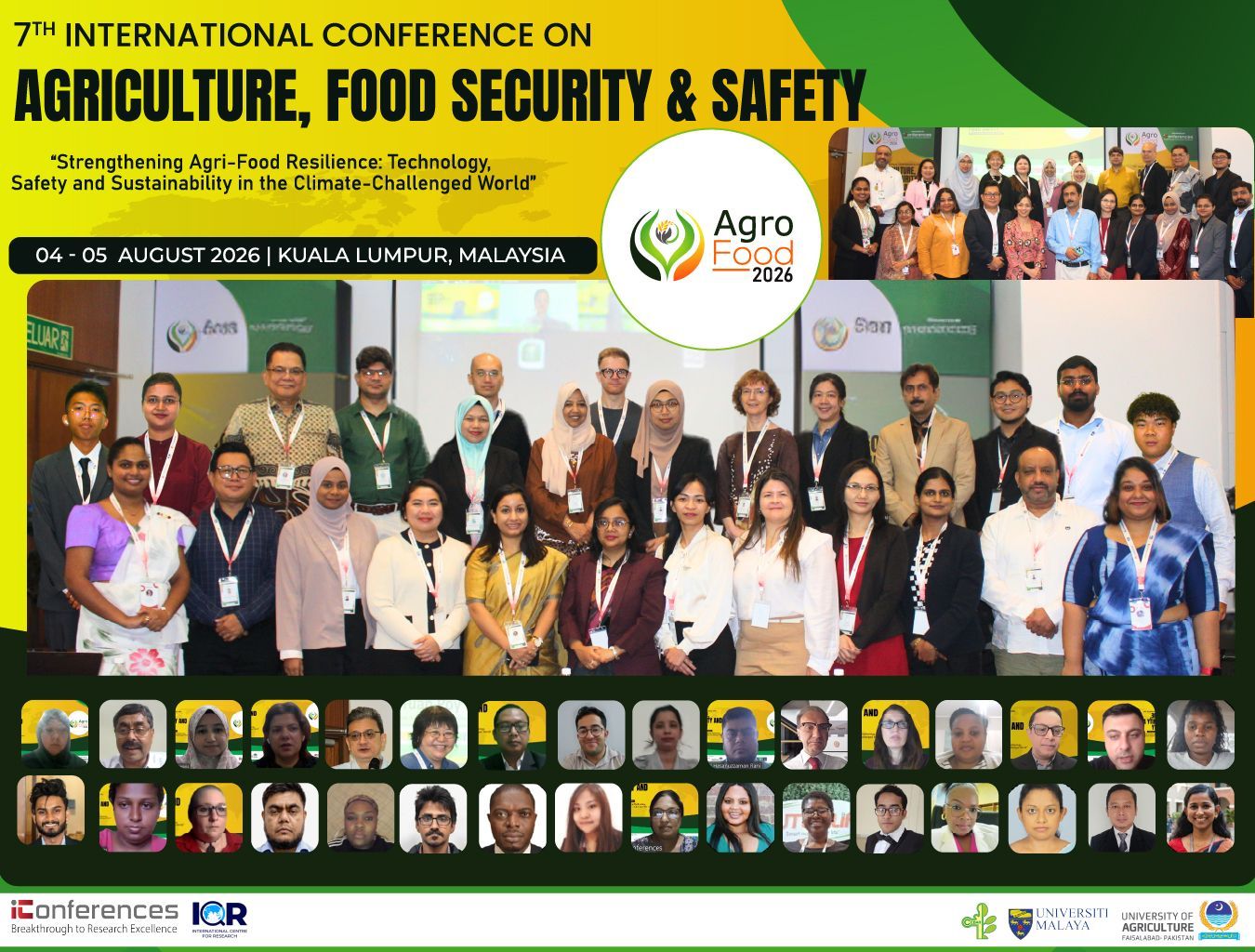
The 7th International Conference on Agriculture, Food Security, and Safety (ICAFSS 2026), held on 4–5 August 2026, where CEBAR researchers contributed to the conference through research presentations and scientific engagement.
As a conference partner, CEBAR was represented by Prof. Jennifer Harikrishna, Assoc. Prof. Dr Rosazlin Abdullah, Dr. Su-Ee Lau, and Dr. Muhammad Asyraf Mohd Amnan, who presented their research findings and engaged with researchers and professionals from around the world.
The conference provided a valuable platform for knowledge exchange, scientific discussion, and professional networking, bringing together researchers and experts to discuss key issues and developments in agriculture, food security, and food safety.
CEBAR also extends its appreciation to Umar Bashir and Afifatul Achyar Asykaruddin for their valuable support and assistance in contributing to the smooth running of the conference.
The conference marked two productive days of research sharing, collaboration, and meaningful engagement among members of the scientific community.
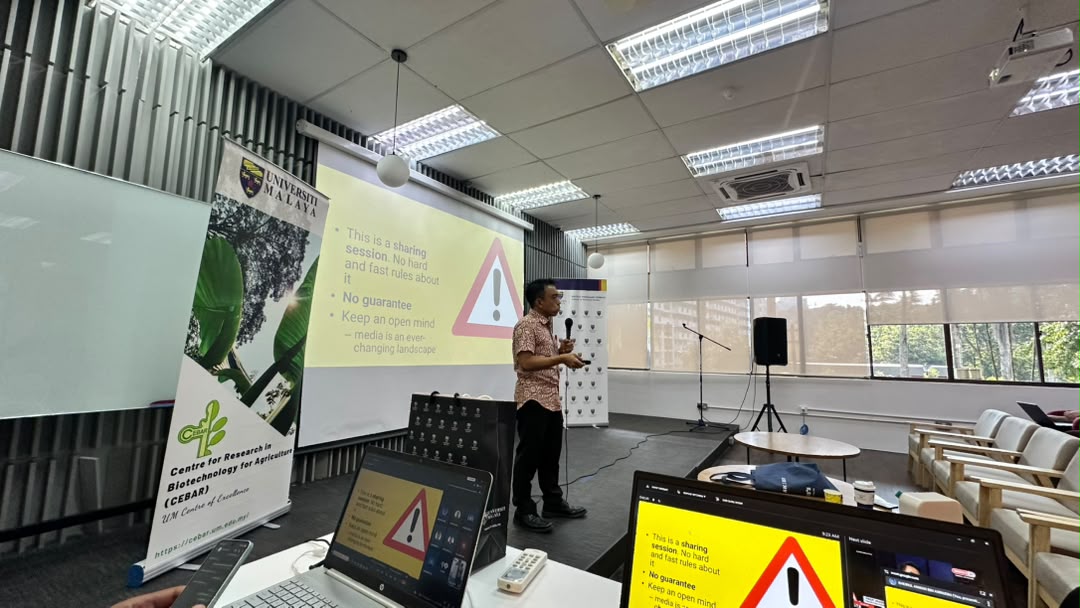
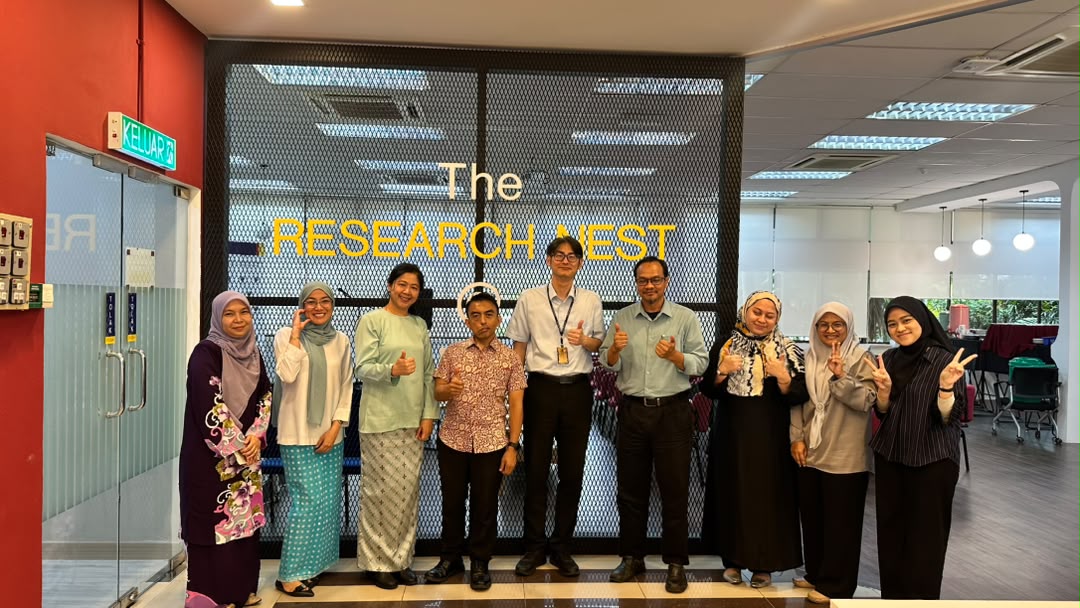
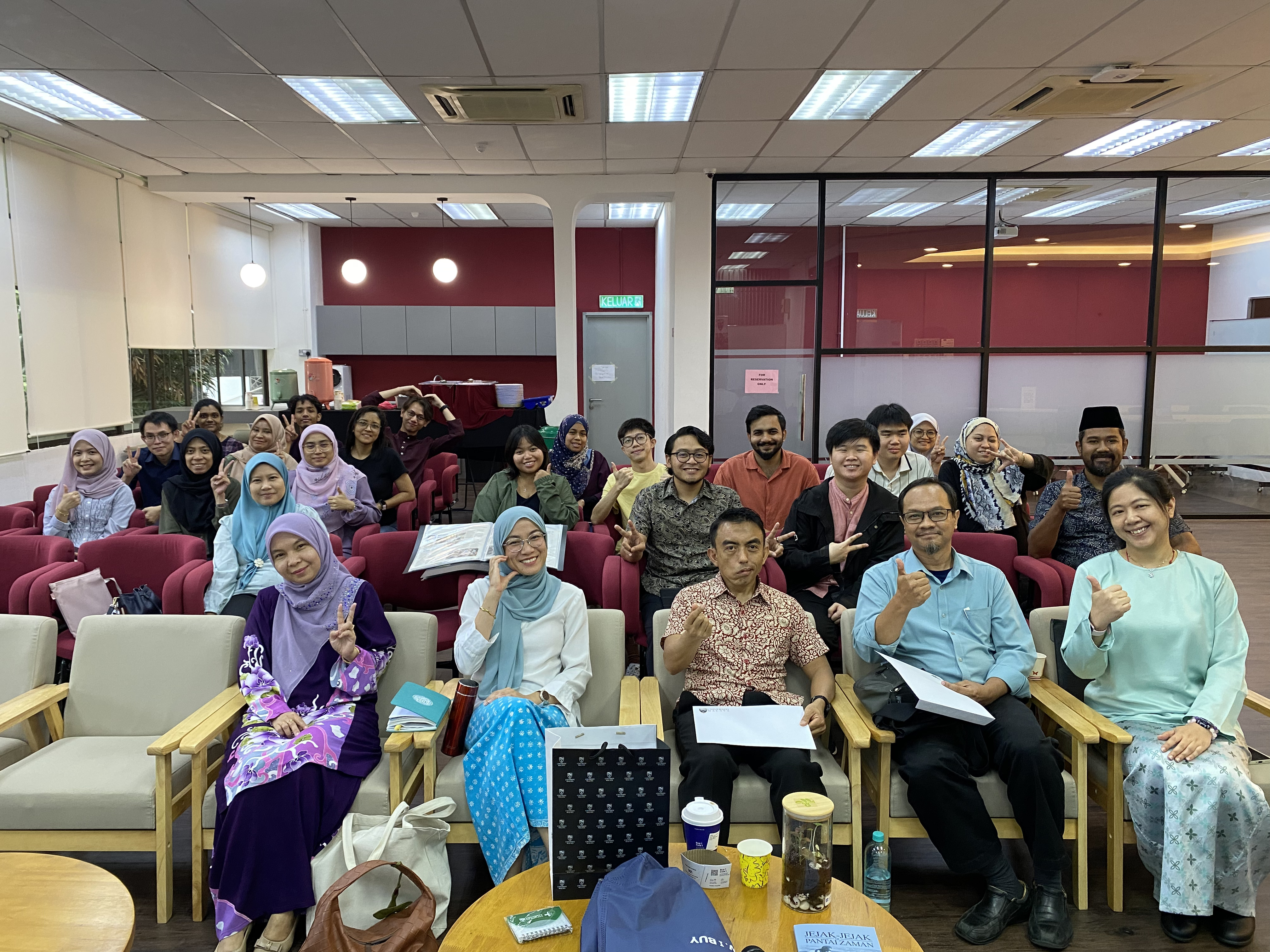
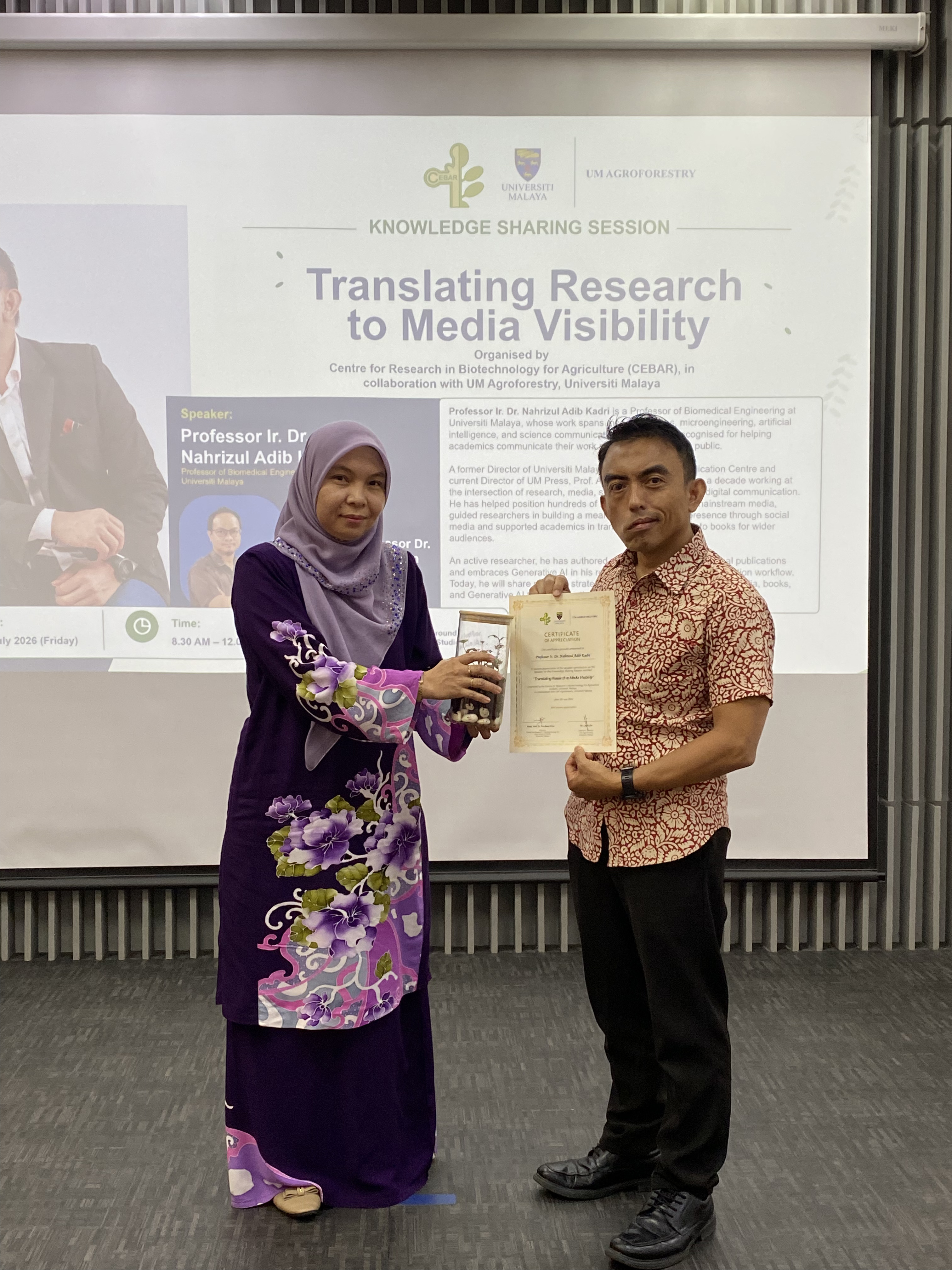
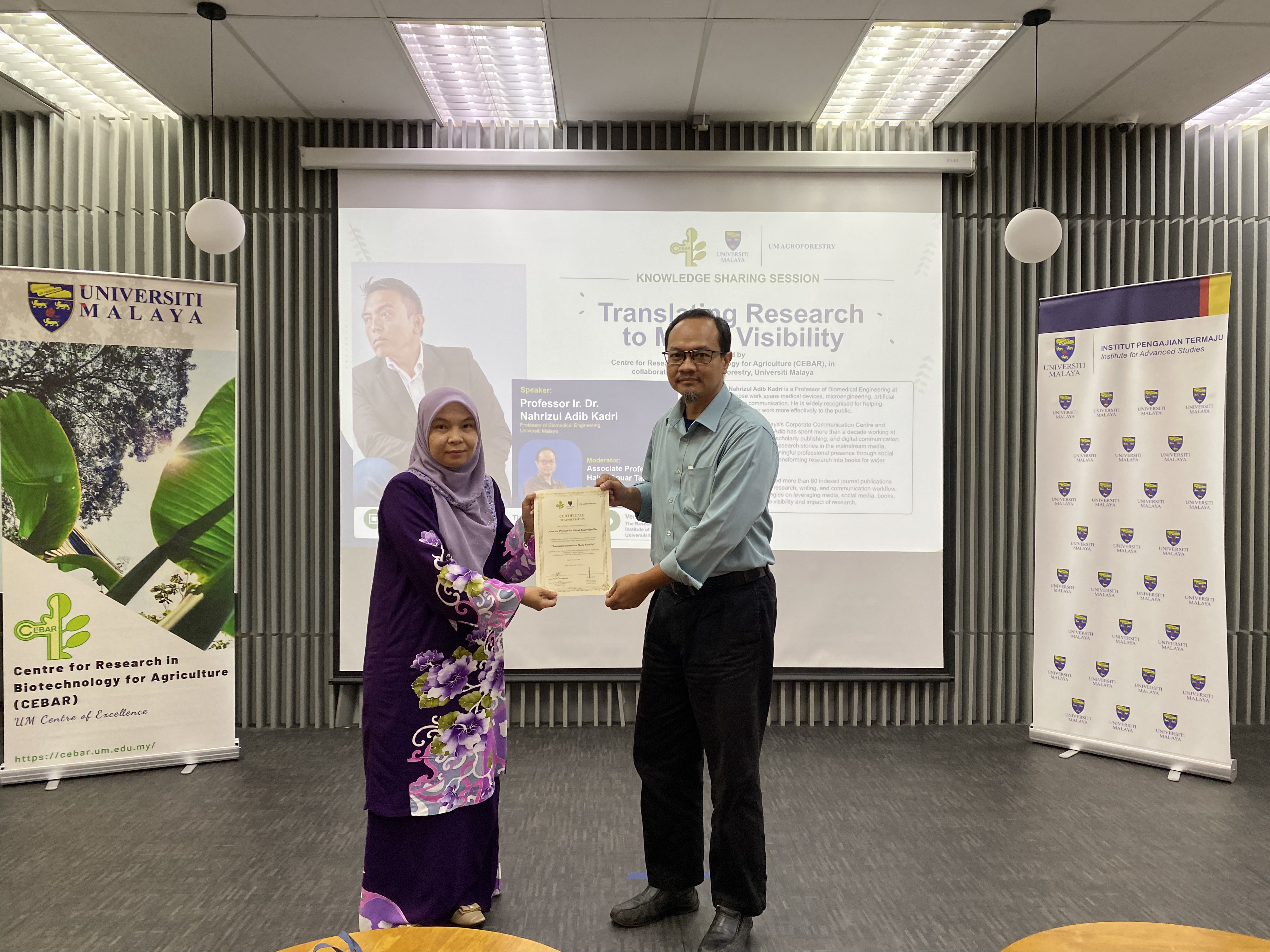
The Centre for Research in Biotechnology for Agriculture (CEBAR), in collaboration with UM Agroforestry, Universiti Malaya, organised a knowledge-sharing session entitled "Translating Research to Media Visibility" on 31 July 2026 at The Research Nest, Institute for Advanced Studies (IAS), Universiti Malaya.
The session featured Prof. Ir. Dr. Nahrizul Adib Kadri as the invited speaker, with Assoc. Prof. Dr. Hairul Anuar Tajuddin as the moderator. The session provided valuable insights into effective strategies for translating research findings into impactful media communication, enhancing research visibility, and strengthening engagement between researchers, the public, and policymakers.
Through this sharing session, participants gained a deeper understanding of the importance of communicating research beyond academic publications and leveraging media platforms to create wider societal impact.
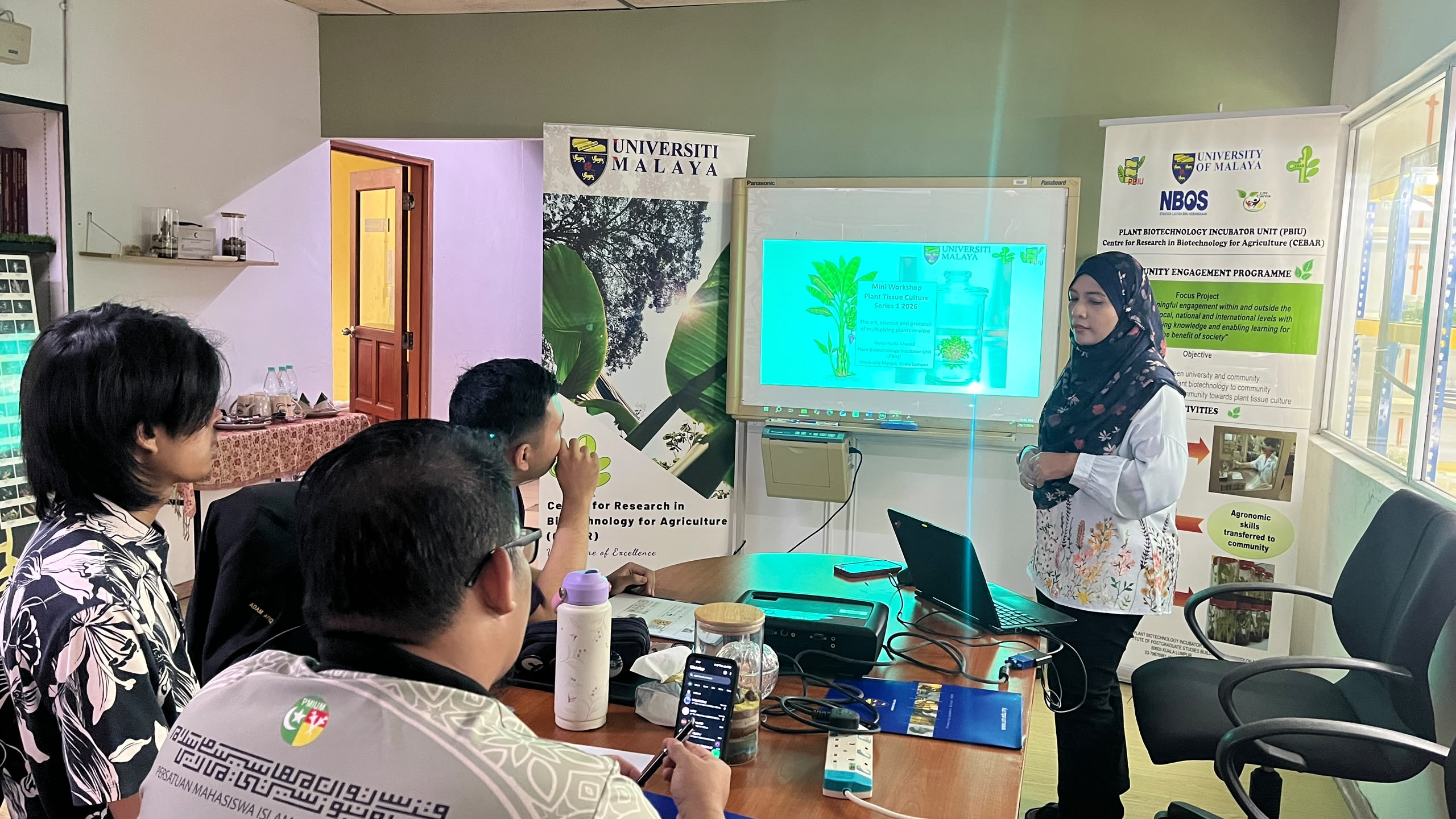
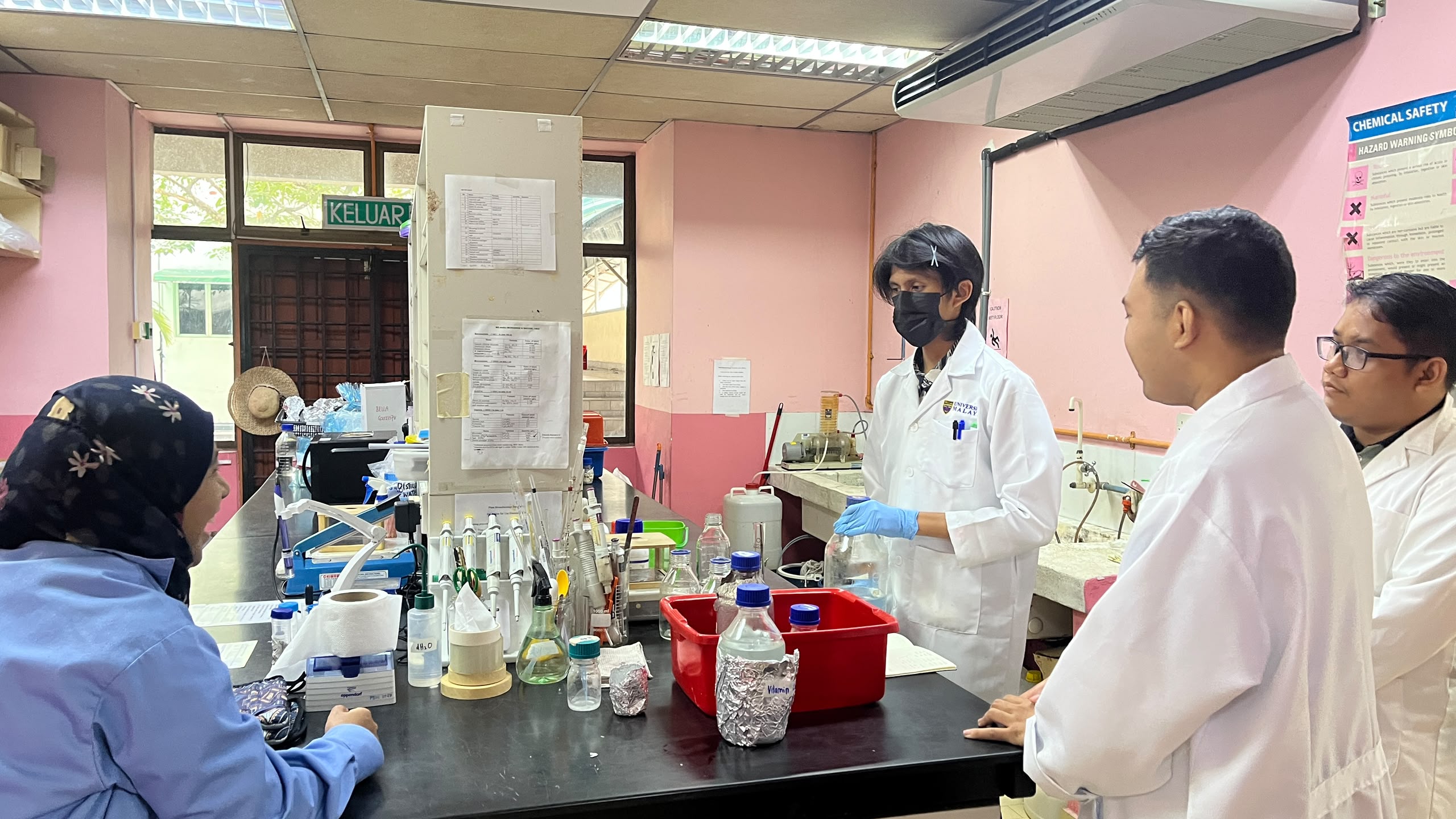
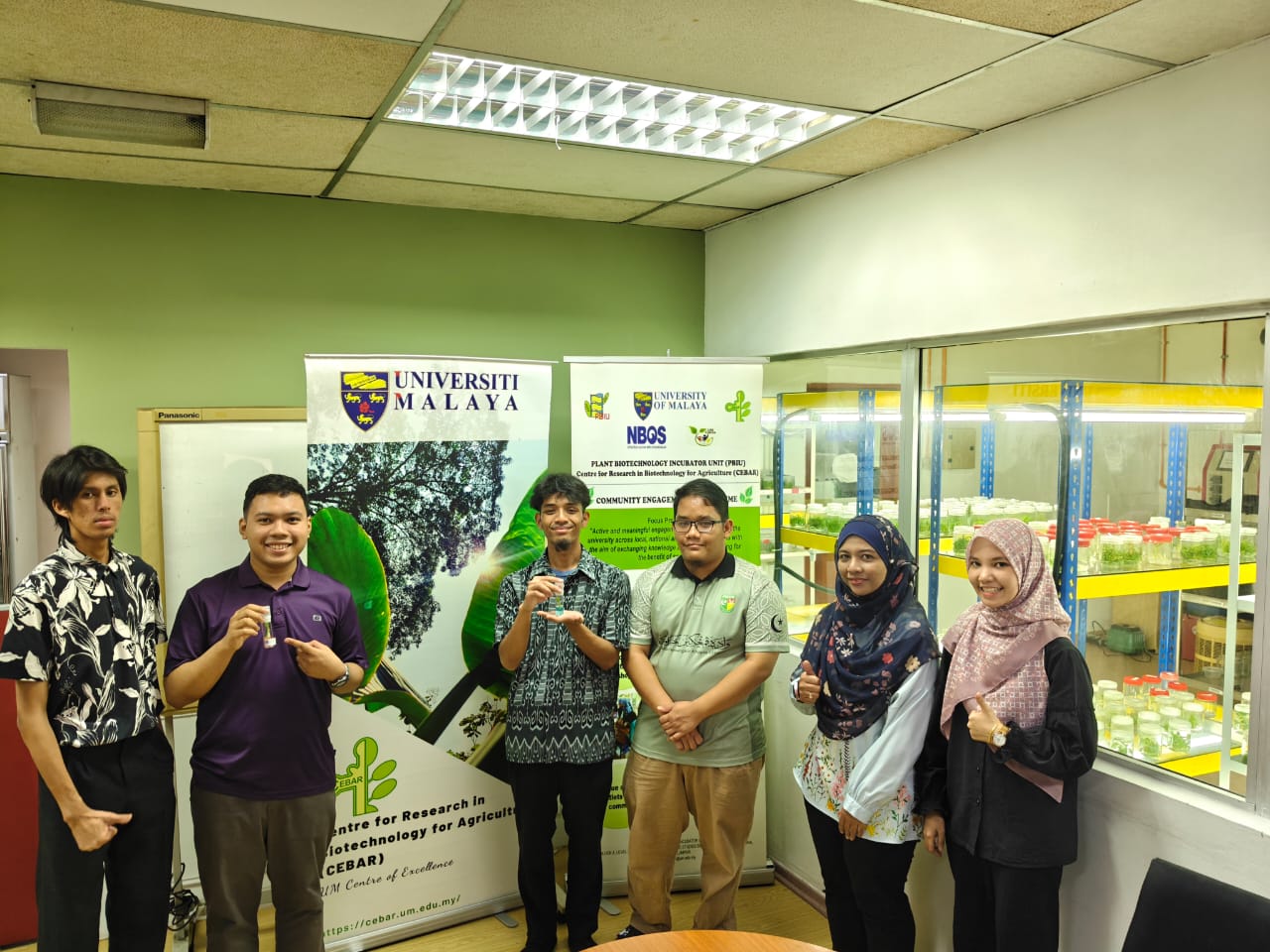
The Plant Tissue Culture Mini-Workshop Series 1 (2026) was successfully conducted on 29th July 2026 at the Plant Biotechnology Incubator Unit (PBIU), CEBAR, Universiti Malaya.
The workshop was attended by four participants, providing a small-group learning environment that allowed for personalized guidance and active interaction. This plant tissue culture mini workshop introduced participants to the fundamentals of plant tissue culture through a combination of briefing sessions and hands-on laboratory activities. Participants learned about the importance of plant tissue culture, media preparation, aseptic techniques, and plantlet propagation under the supervision of experienced facilitators.
At the end of the workshop, participants gained practical skills and a better understanding of plant biotechnology applications. The workshop was successfully carried out, achieving its objective of providing an engaging and experiential learning experience in plant tissue culture.
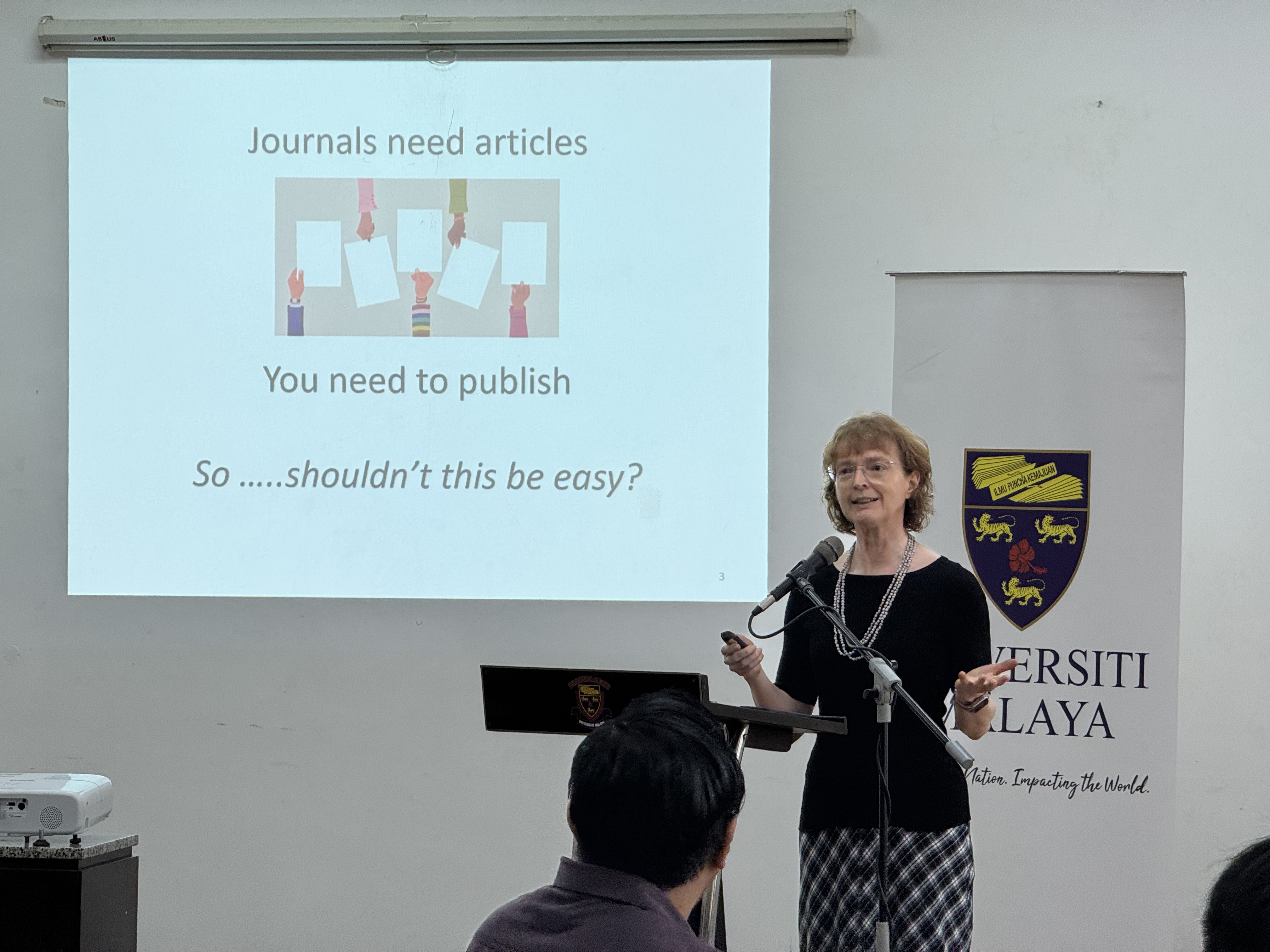
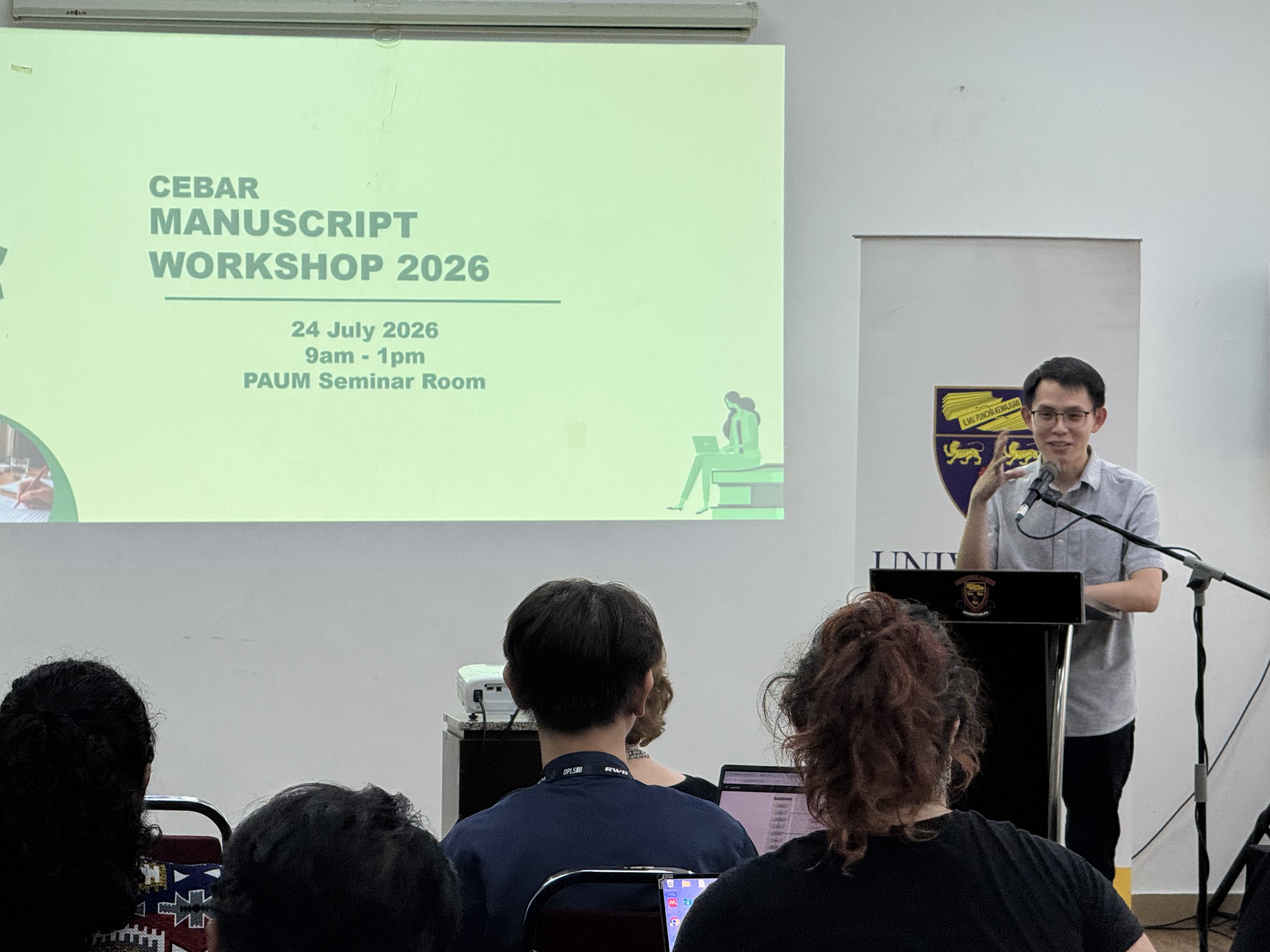
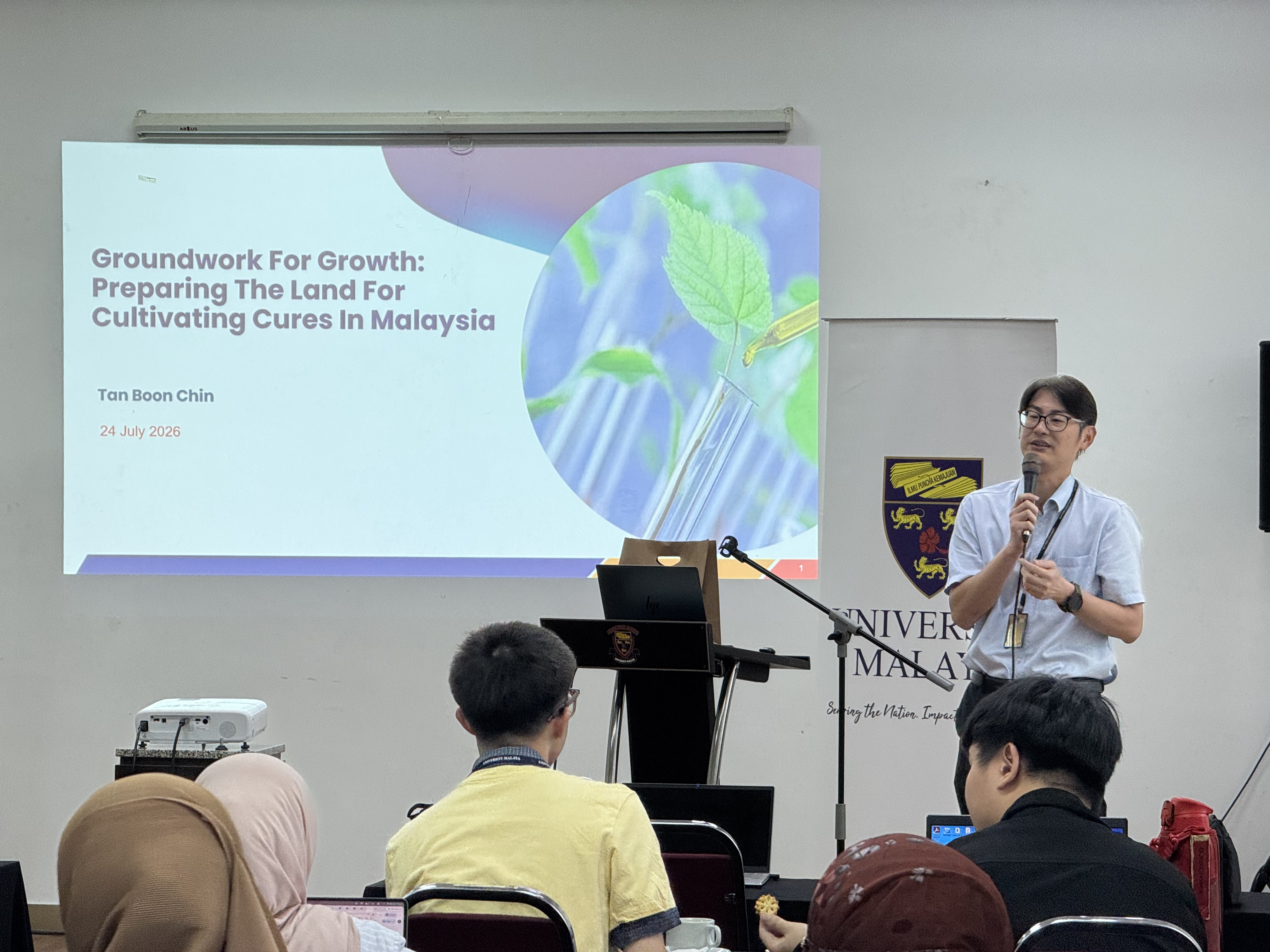
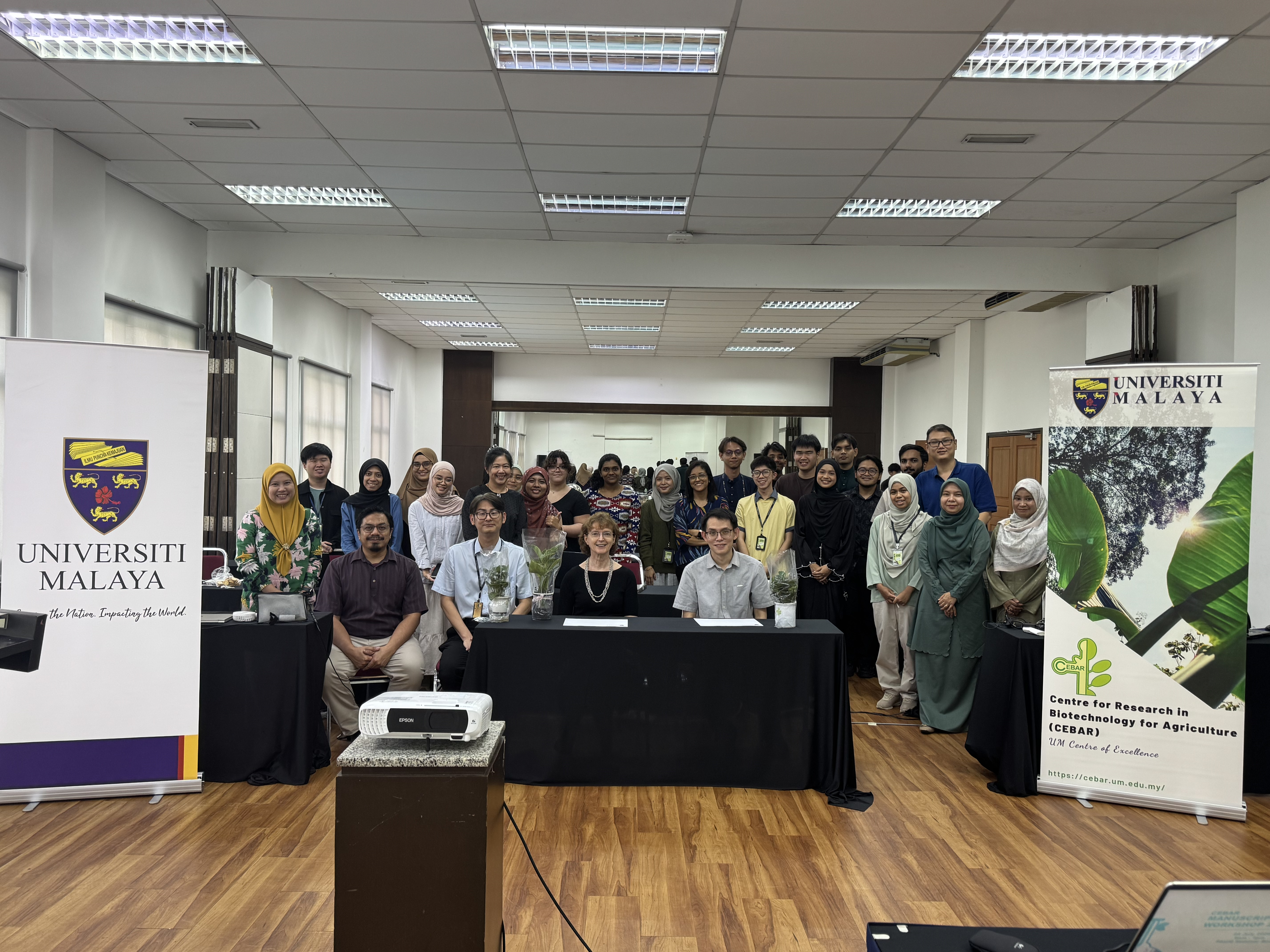
The Centre for Research in Biotechnology for Agriculture (CEBAR), Universiti Malaya successfully organised a CEBAR Manuscript Writing Workshop for student members, with participation from both postgraduate students and Principal Investigators (PIs).
The workshop aimed to strengthen participants' scientific writing and publication skills through a series of insightful sessions delivered by experienced researchers and editors. The programme commenced with “Manuscript preparation for prestigious journals: What makes a Q1 paper? Some Do’s and Don’ts” by Prof. Dr. Jennifer Ann Harikrishna, providing valuable insights into the manuscript evaluation process from an editor's perspective. This was followed by "Cite Smarter, Write Better" by Dr. Chua Kah Ooi, which highlighted effective citation management and strategies for improving academic writing. The workshop concluded with an engaging discussion and networking session, "Exploring Plant Molecular Farming", led by Assoc. Prof. Dr. Tan Boon Chin, encouraging participants to exchange ideas and explore future research collaborations.
CEBAR extends its sincere appreciation to all speakers and participants for making the workshop a meaningful and interactive learning experience. It is hoped that the knowledge and practical tips shared throughout the workshop will support participants in producing high-quality manuscripts and enhancing their research publication journey.
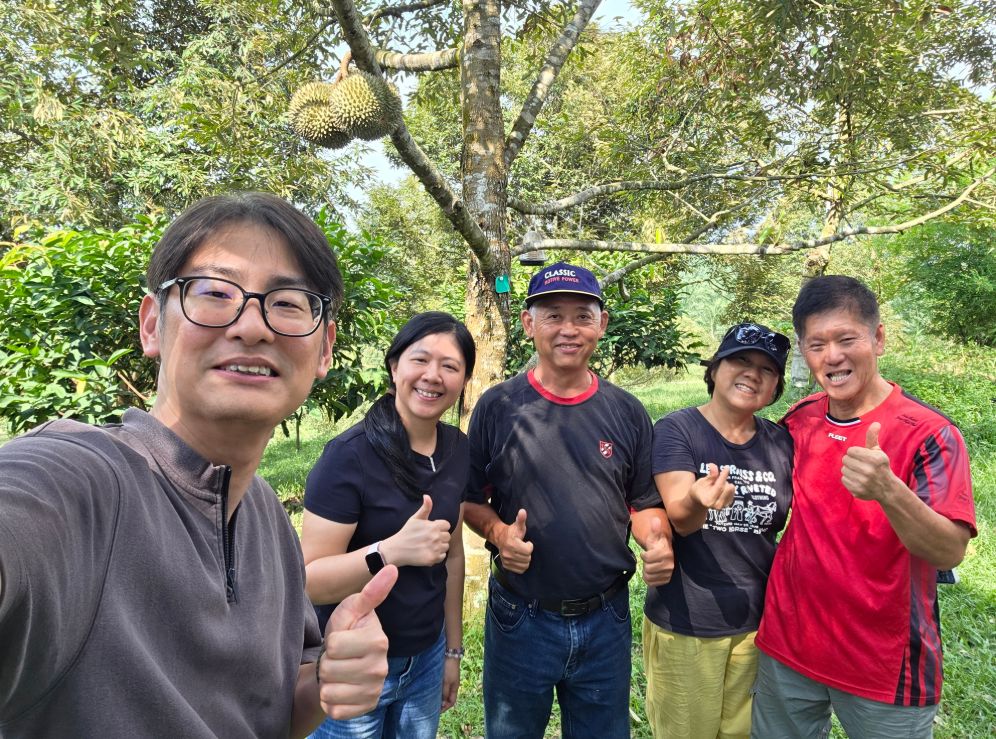
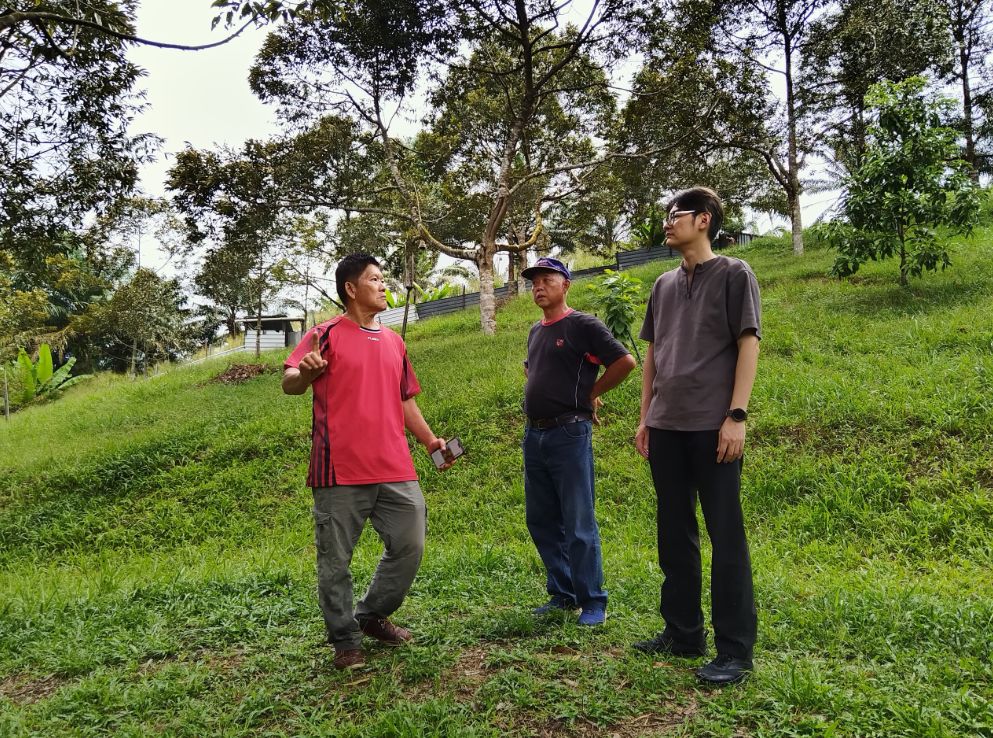
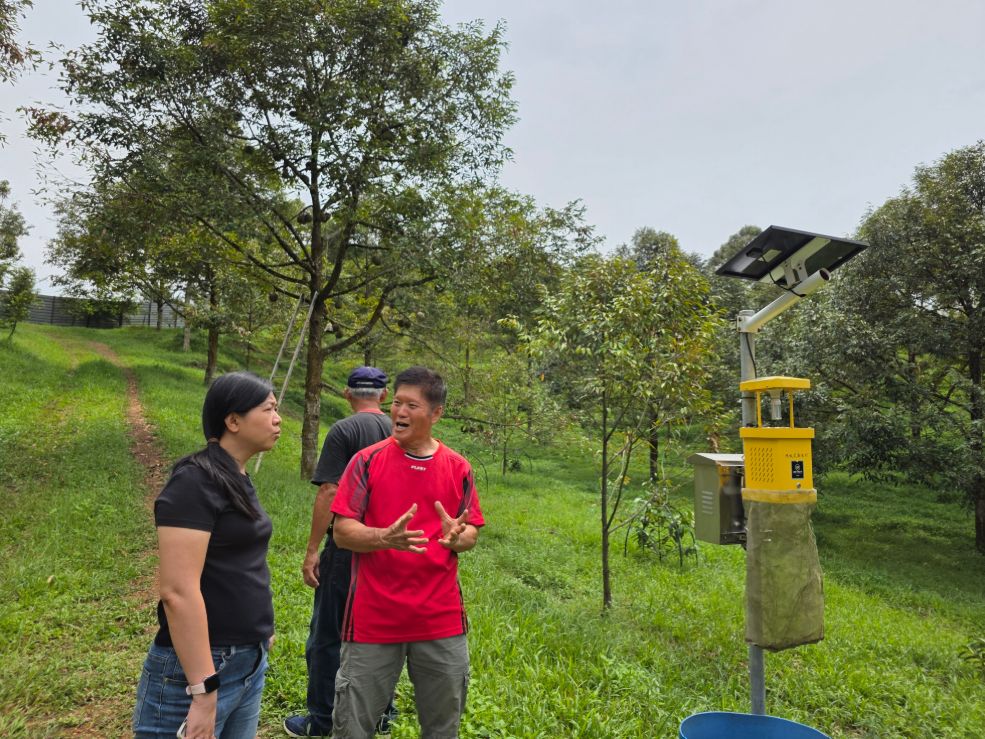
On 3 July 2026, CEBAR'S Director, Assoc. Prof. Dr. Tan Boon Chin and CEBAR Research Officer, Dr. Lau Su Ee represented CEBAR during a field visit to a durian farm in Johor as part of the Centre's ongoing efforts to strengthen engagement with the agricultural industry.
The visit provided valuable insights into the challenges faced by local durian growers and created an opportunity to discuss how biotechnology can contribute to more sustainable, resilient, and productive cultivation practices. The exchange of knowledge highlighted the importance of bridging research and industry to address real-world agricultural needs.
CEBAR looks forward to fostering future collaborations with the farming community and continuing to support innovation that advances sustainable agriculture.
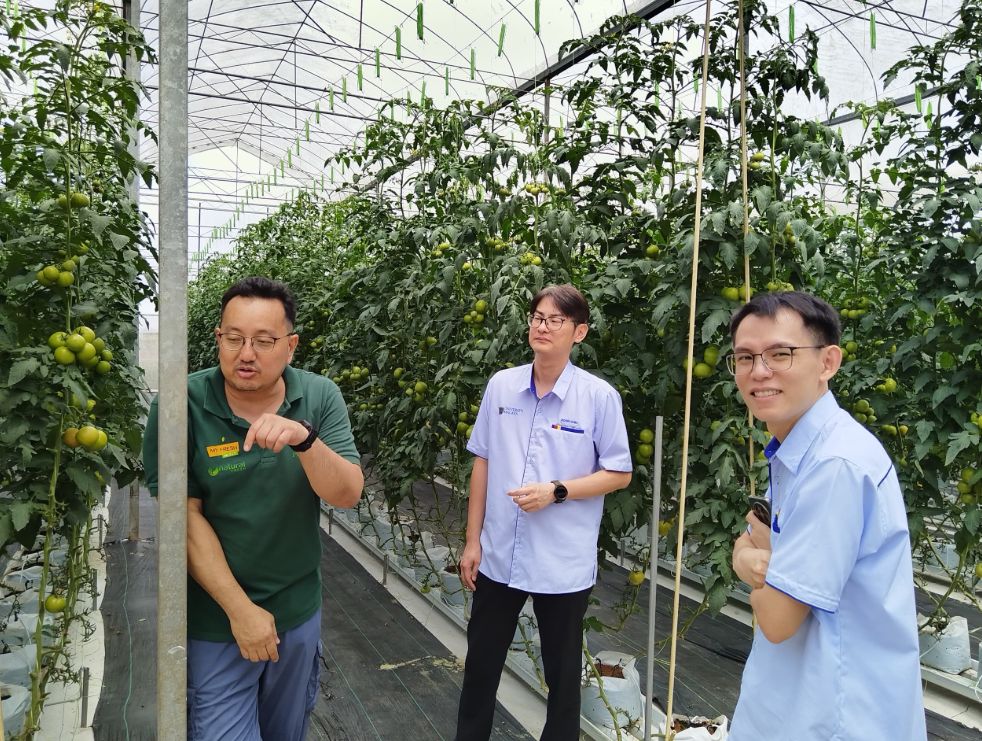
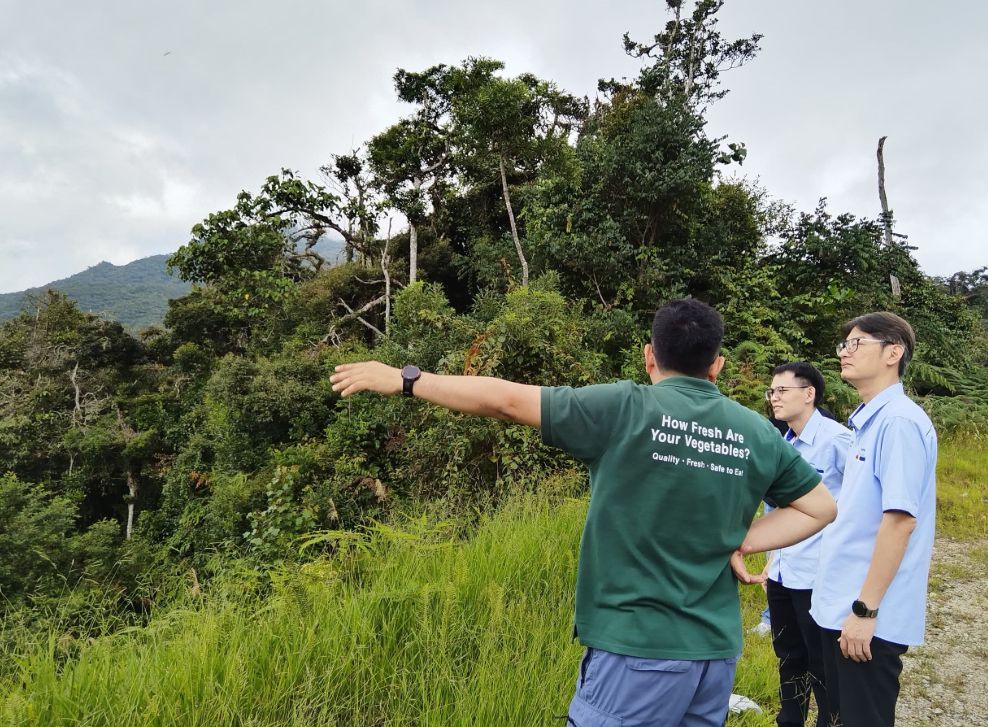
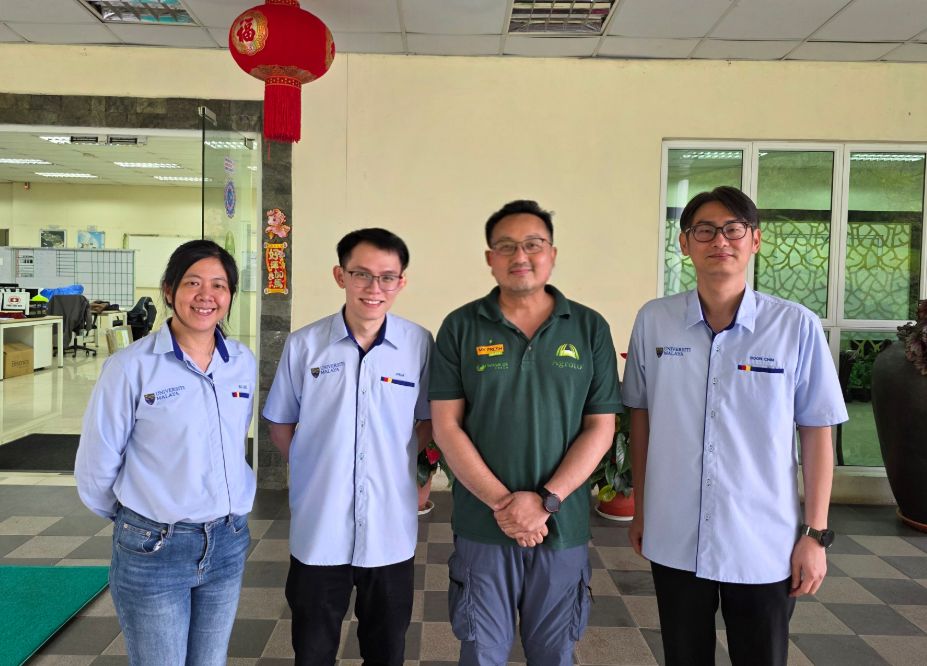
On 2 July 2026, the CEBAR team visited a farming company in Kinta Highlands to strengthen industry engagement and explore potential collaborations in agricultural biotechnology.
The visit provided an excellent opportunity for meaningful discussions, knowledge exchange, and the exploration of collaborative initiatives aimed at advancing agricultural research and innovation. Through this engagement, both parties shared insights on current challenges and future opportunities in sustainable agriculture.
CEBAR looks forward to building strong partnerships that bridge research and industry, driving innovation and contributing to the development of sustainable agricultural practices.
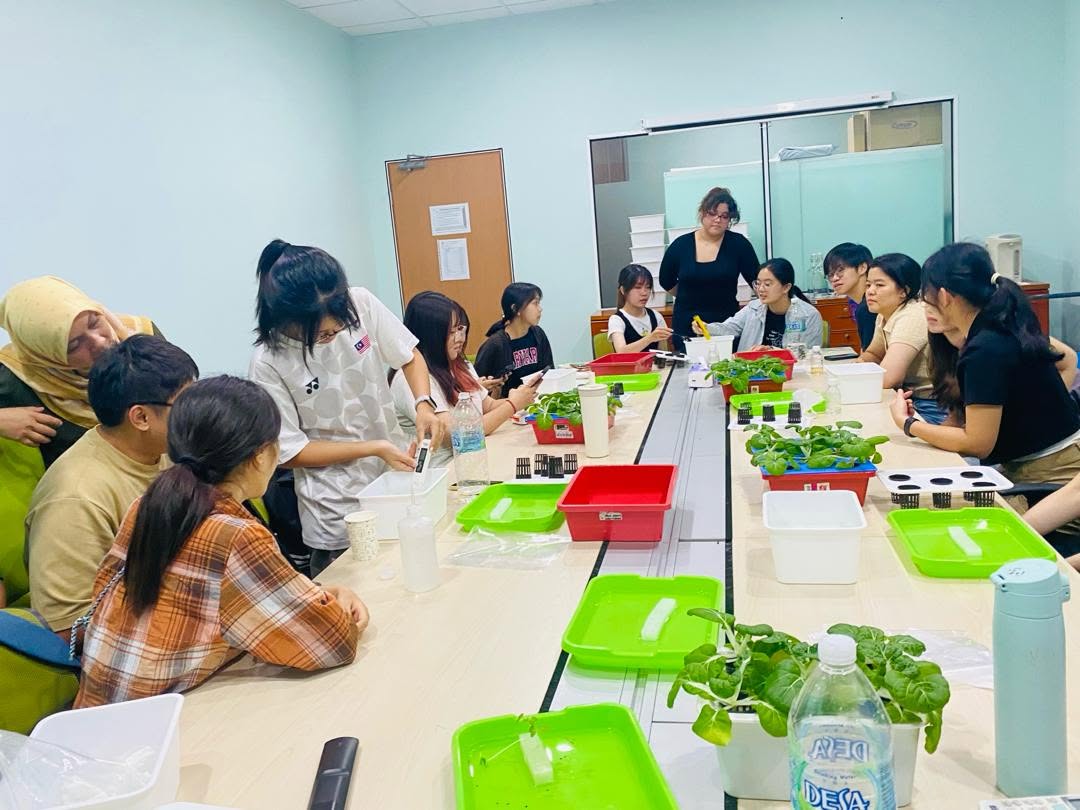
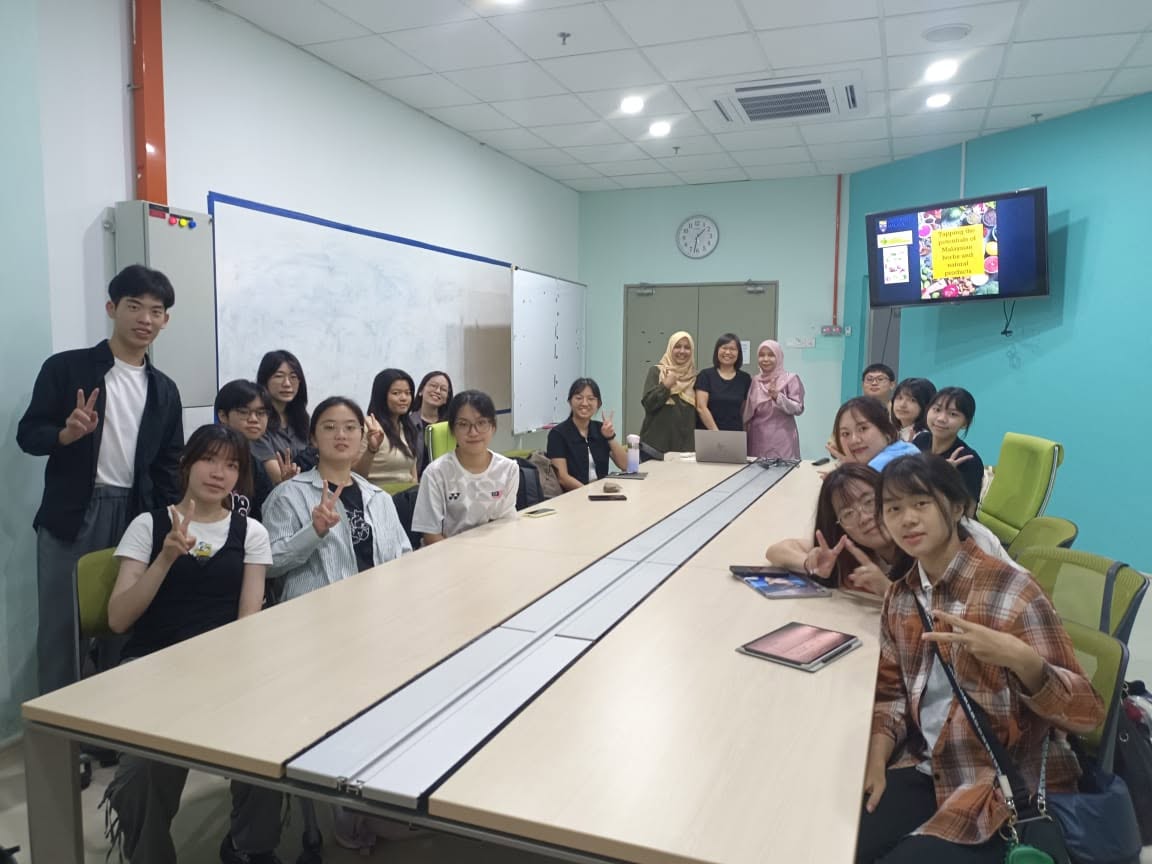
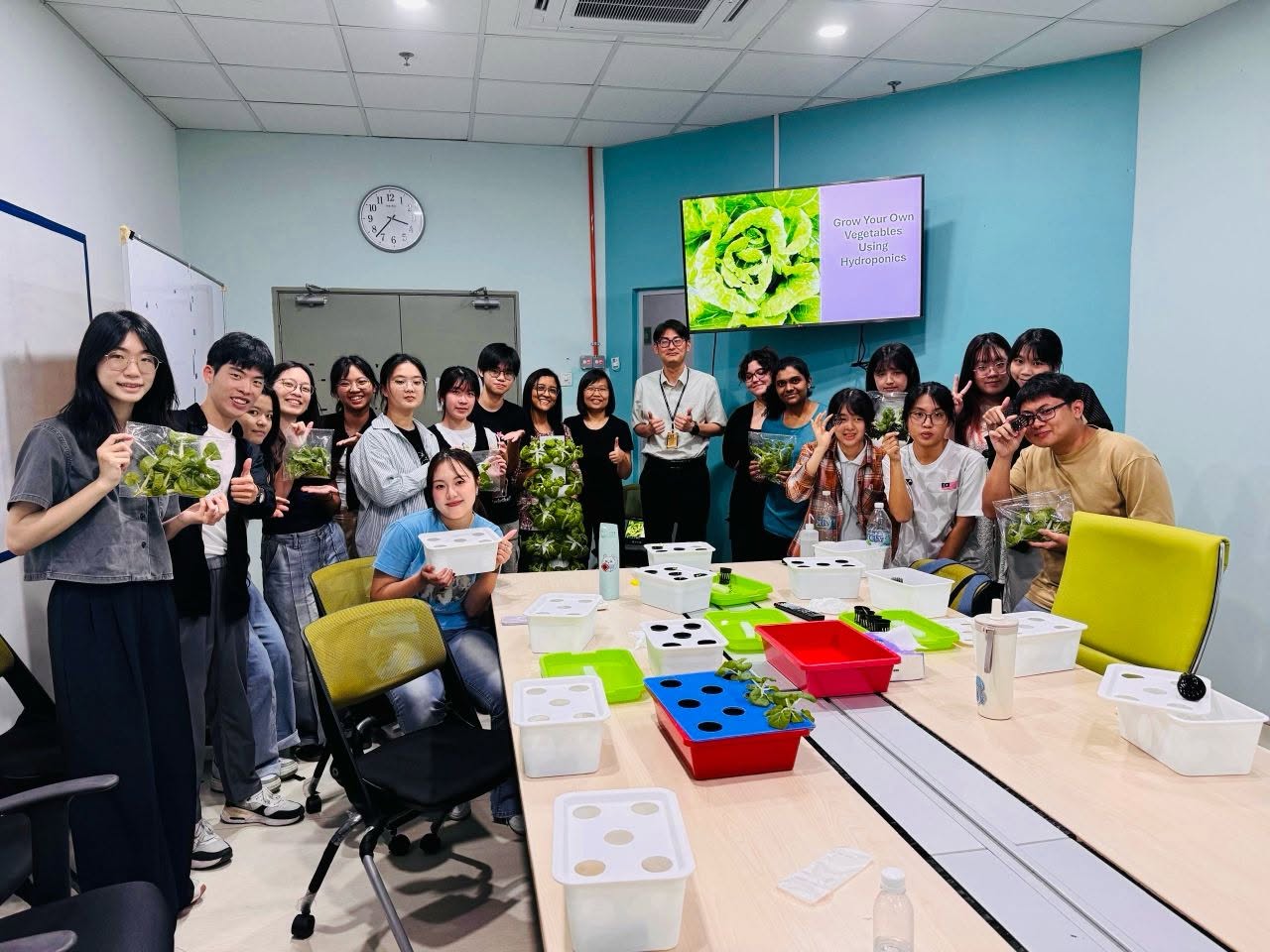
CEBAR was honoured to participate in the NCKU College of Bioscience and Biotechnology Mobility Program 2026, held on 30 June 2026. The programme was coordinated by Prof. Dr. Ivy Chung and supported by the NCKU Overseas Hub in Malaysia.
As part of the programme, Dr. Norhafiza Mohd Arshad and Dr. Purabi Mazumdar, Academic staff from CEBAR, were invited as guest speakers to share their research expertise and scientific insights with students and academics from National Cheng Kung University (NCKU), Taiwan.
The programme provided an excellent platform for academic knowledge exchange, fostering research collaboration, and strengthening international partnerships between CEBAR and NCKU.
CEBAR extends its sincere appreciation to the organisers for the invitation and the opportunity to contribute to this meaningful academic initiative. We look forward to continued collaboration and future engagements that promote excellence in research and innovation.
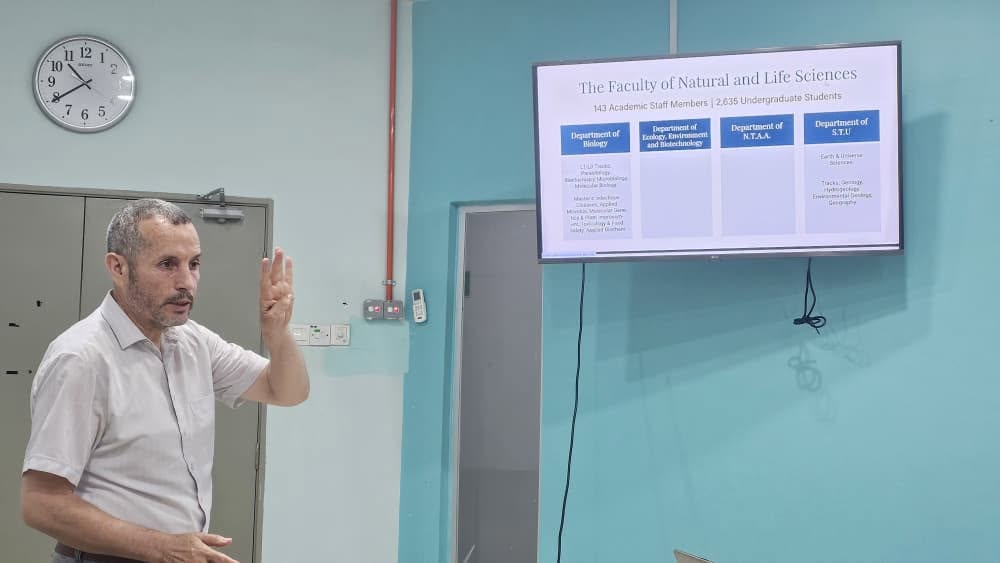
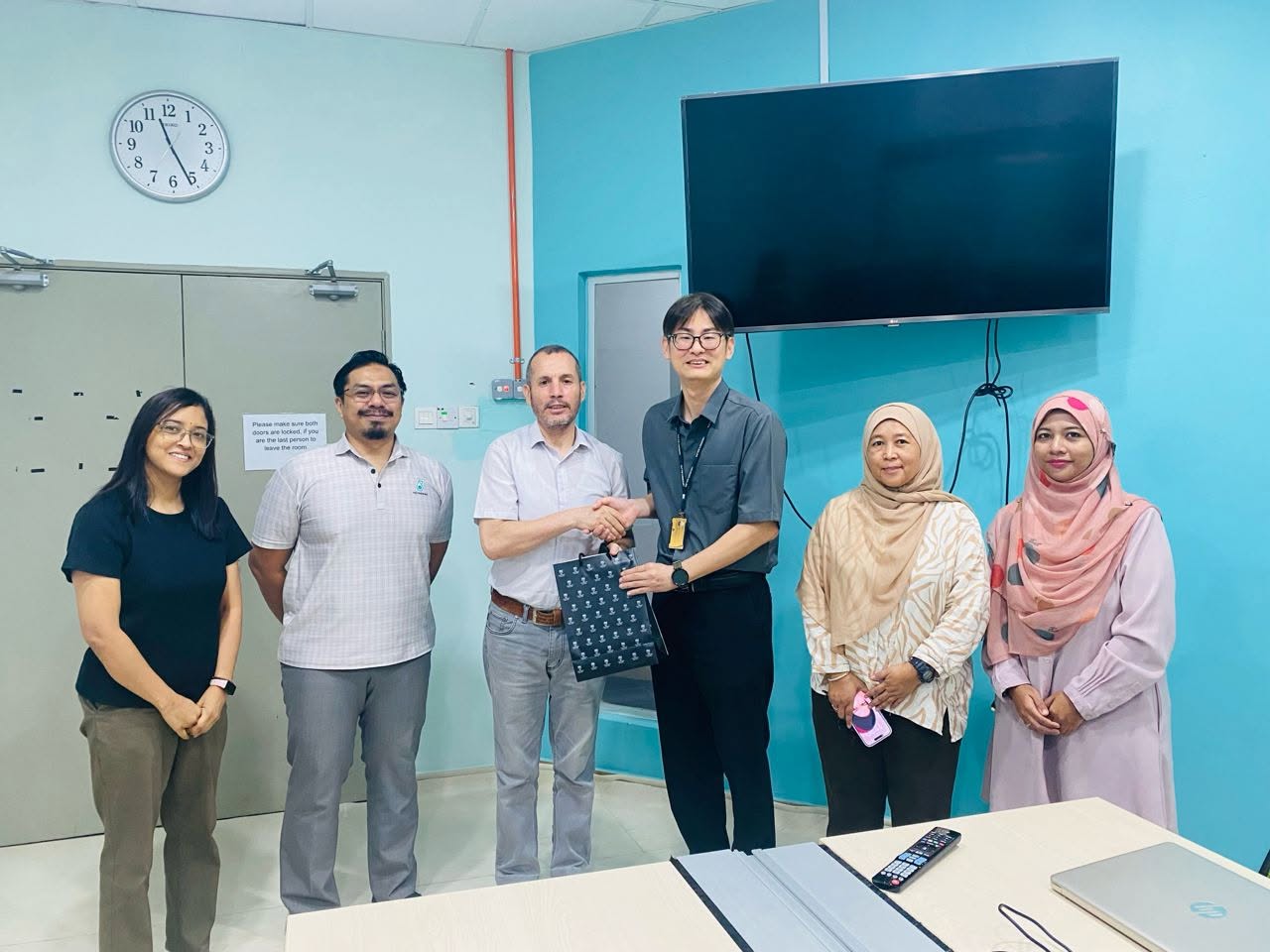
CEBAR was honoured to welcome Prof. Dr. Mohamed Boussaid from Ibn Khaldoun University of Tiaret, Algeria, for an academic visit.
Prof. Dr. Mohamed Boussaid is an expert in plant biotechnology, with research focusing on plant cell culture, particularly the regeneration and conservation of endangered plant species. His work also encompasses the application of tissue culture techniques for the production and extraction of biologically active secondary metabolites.
The visit provided an excellent platform for exchanging knowledge, sharing research experiences, and discussing potential collaborative opportunities in the fields of plant biotechnology, tissue culture, and sustainable agriculture.
CEBAR extends its sincere appreciation to Prof. Dr. Mohamed Boussaid for his visit and valuable insights. We look forward to fostering future collaborations and strengthening international research partnerships.
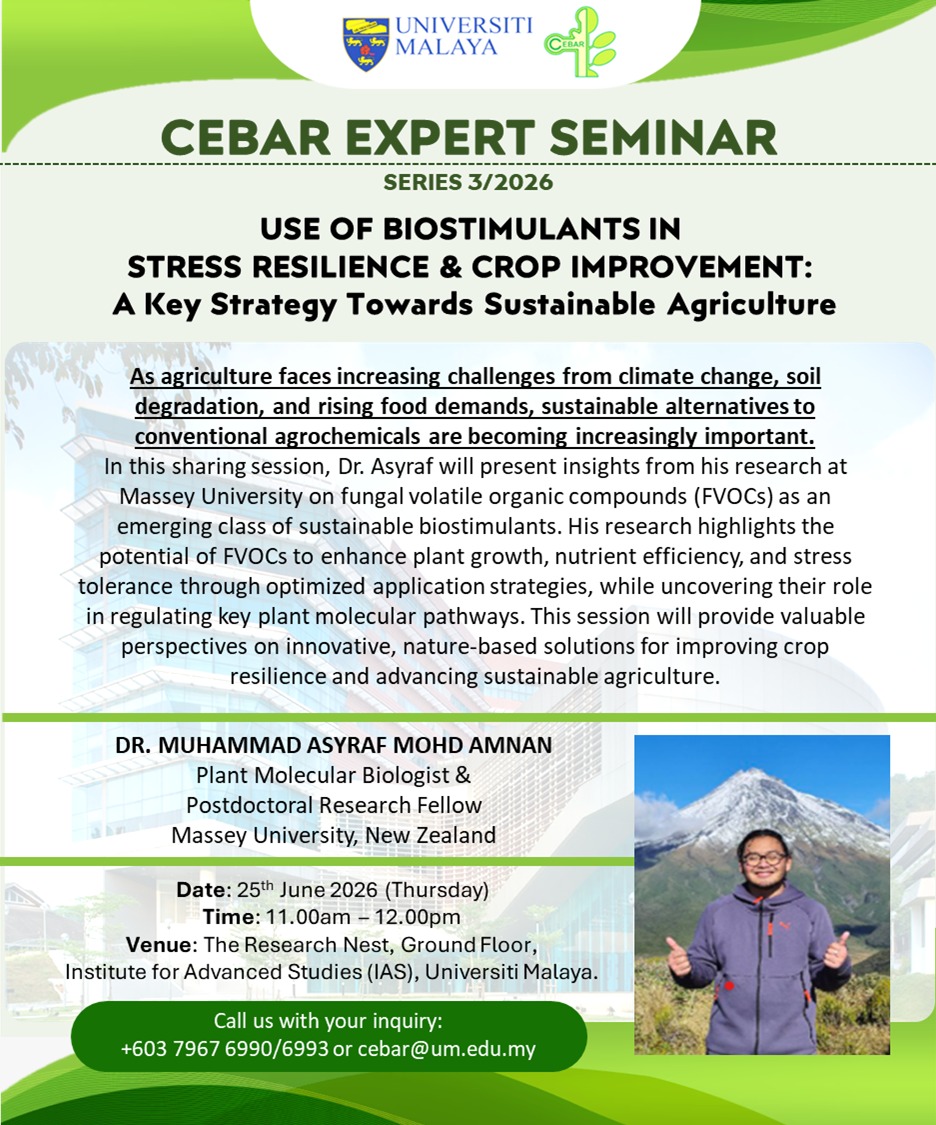
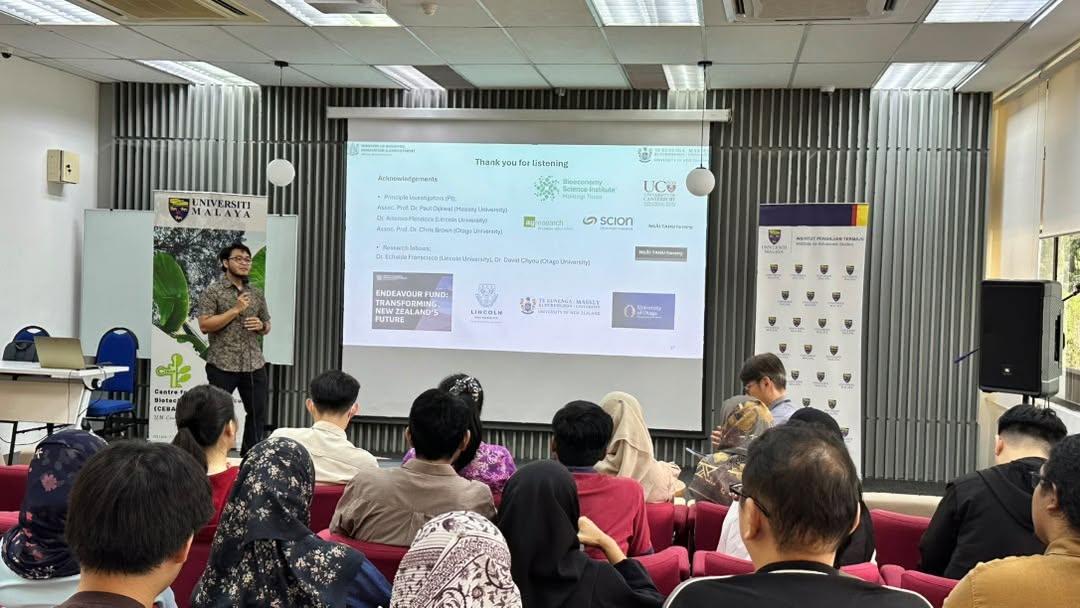
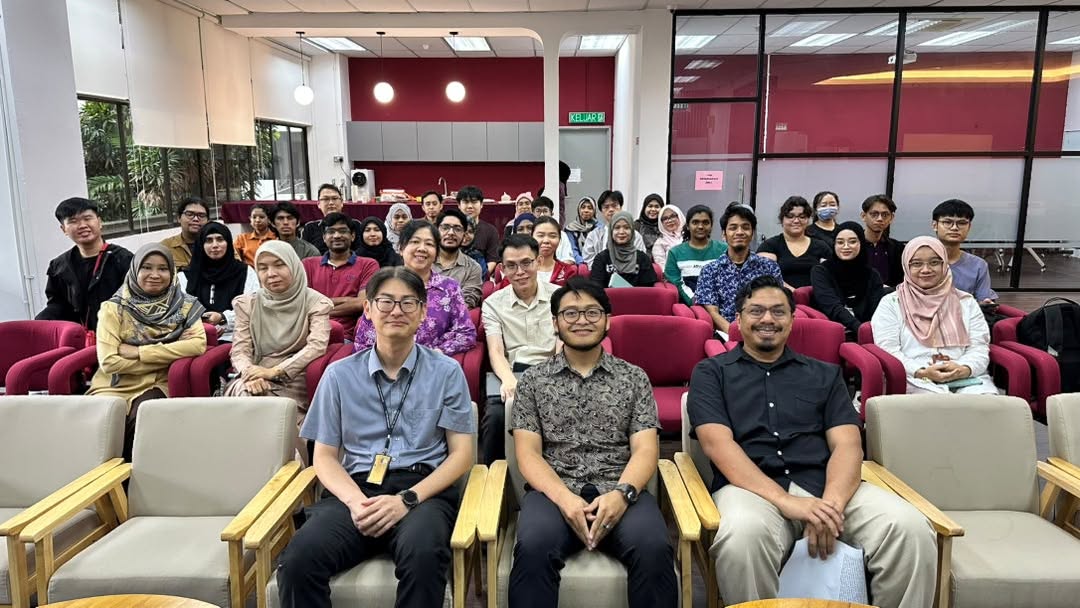
CEBAR Expert Seminar Series 3/2026 was successfully held this morning, bringing together researchers, students, and academics for an insightful session on sustainable agricultural innovation.
We were honoured to welcome Dr. Muhammad Asyraf Mohd Amnan, who shared findings from his postdoctoral research at Massey University, New Zealand. His presentation highlighted the fascinating potential of fungal volatile organic compounds (FVOCs) as a novel and sustainable class of biostimulants capable of enhancing plant growth, productivity, and resilience.
The seminar provided valuable insights into emerging biological solutions that could contribute to more sustainable agricultural practices while addressing global challenges in food security and environmental sustainability.
CEBAR extends its sincere appreciation to Dr. Muhammad Asyraf for sharing his expertise and inspiring discussions. We also thank all participants for their active engagement and commitment to advancing scientific knowledge and innovation.
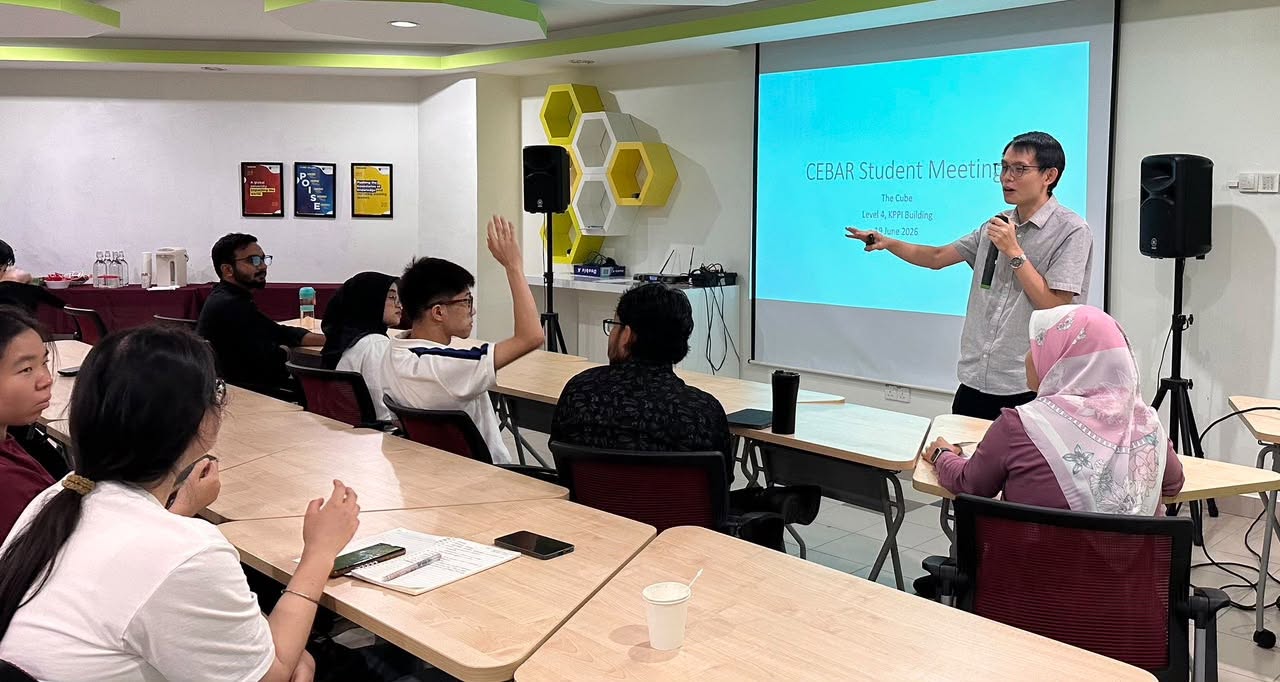
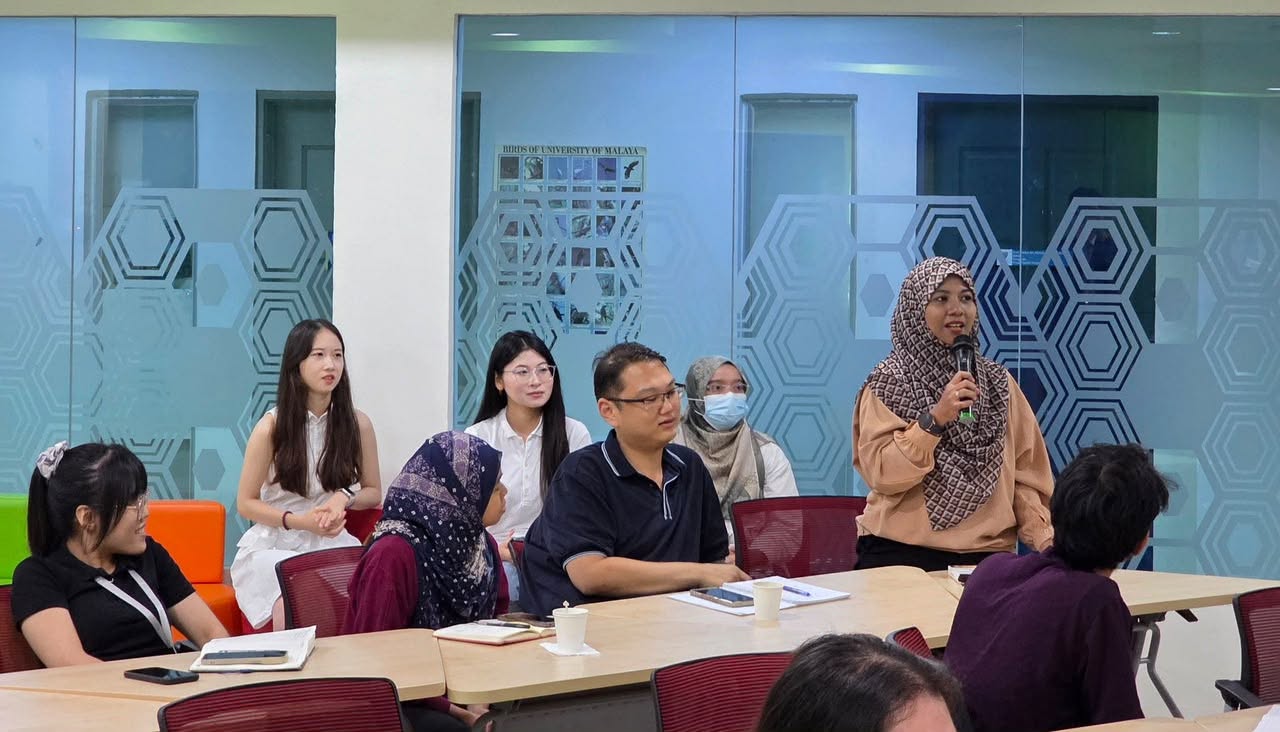
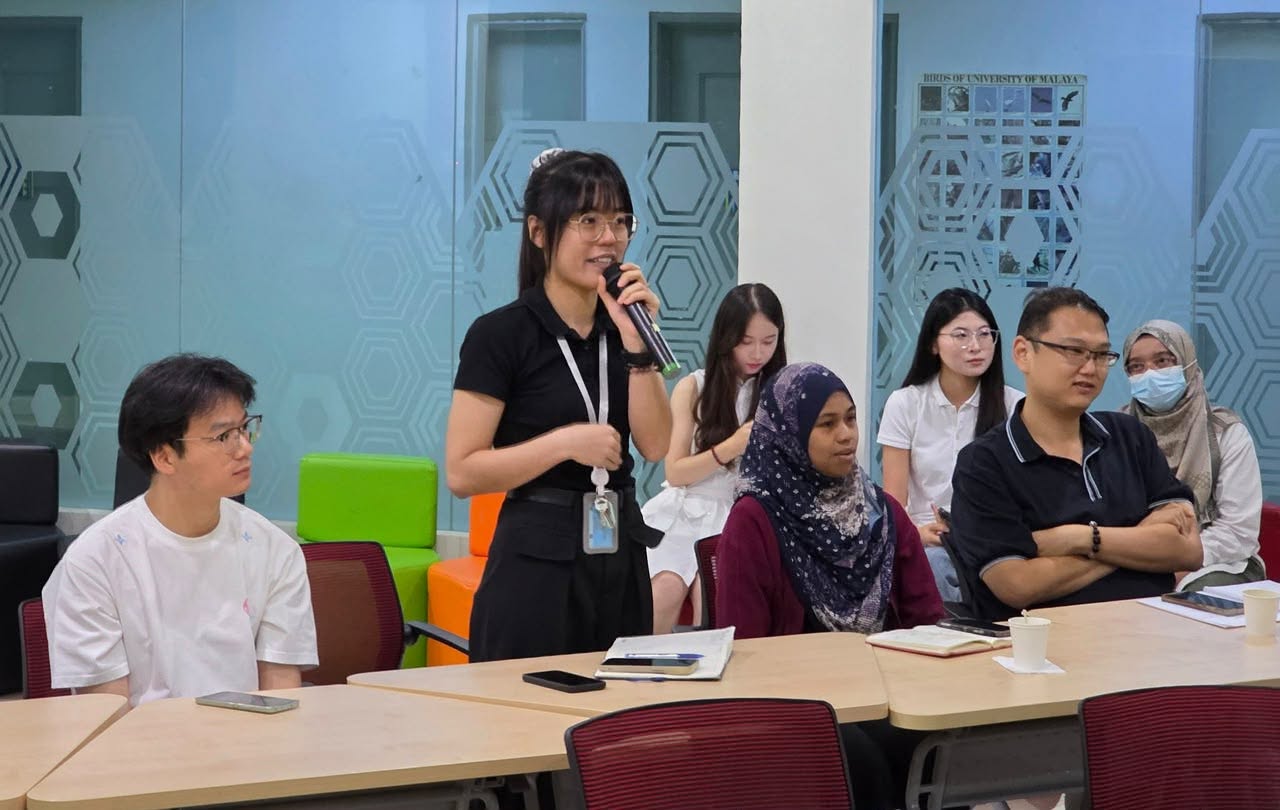
Bringing students together to connect, collaborate, and grow, the CEBAR Student Gathering 2026 was a meaningful and engaging session that provided a platform for students to share their experiences, voice challenges, and contribute ideas for the future of the centre.
The gathering also included the nomination of student club representatives and discussions on upcoming initiatives, including exciting workshops and the highly anticipated BioSymposium. Through open dialogue and active participation, students played an important role in shaping future activities and strengthening the CEBAR community.
At CEBAR, we remain committed to fostering an inclusive and supportive environment where students are empowered to develop their skills, expand their knowledge, and reach their full potential.
A heartfelt thank you to all students who participated and contributed to the insightful discussions. Together, we continue to build a vibrant scientific community dedicated to learning, innovation, and excellence.
.jpg)
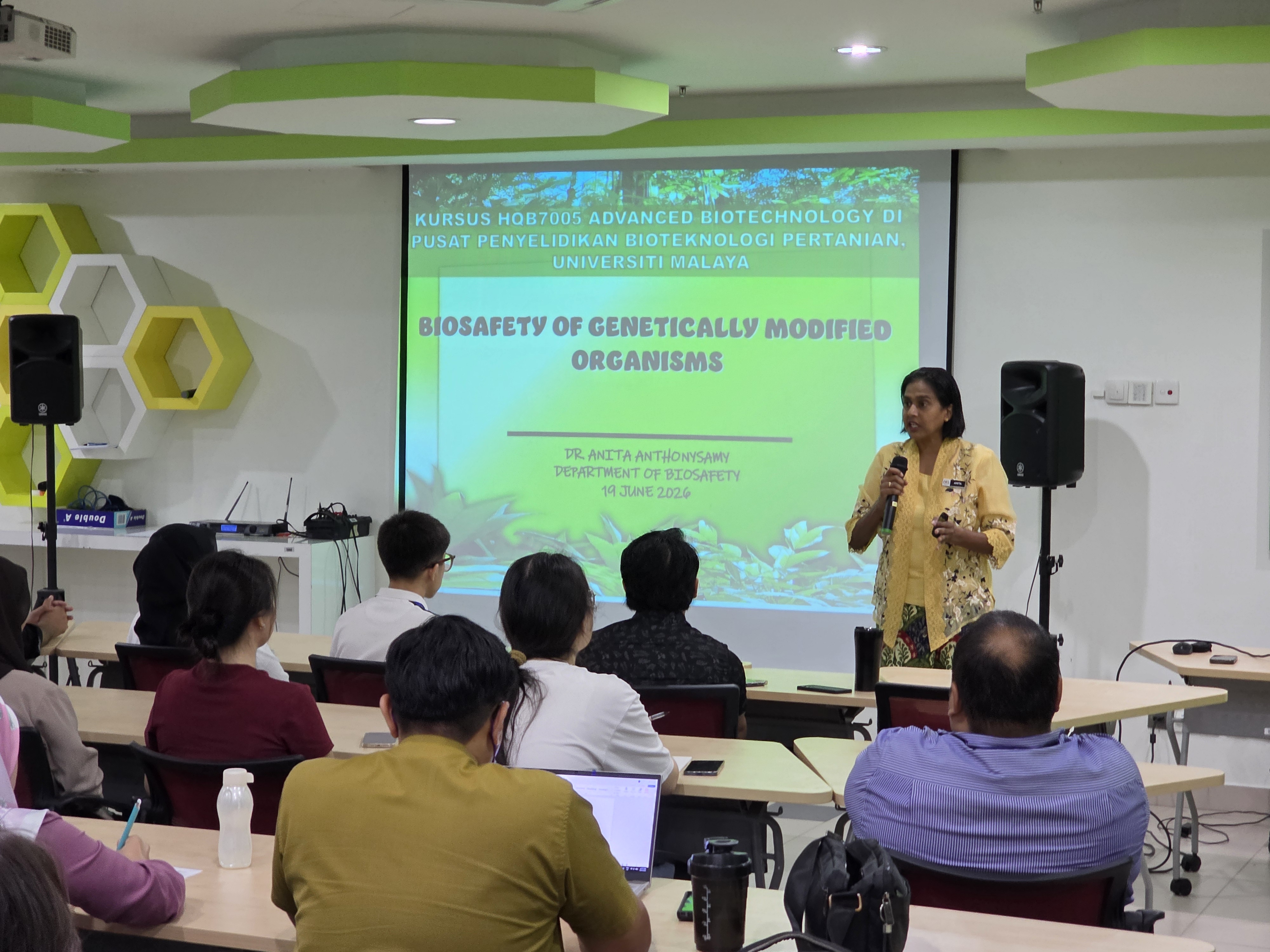
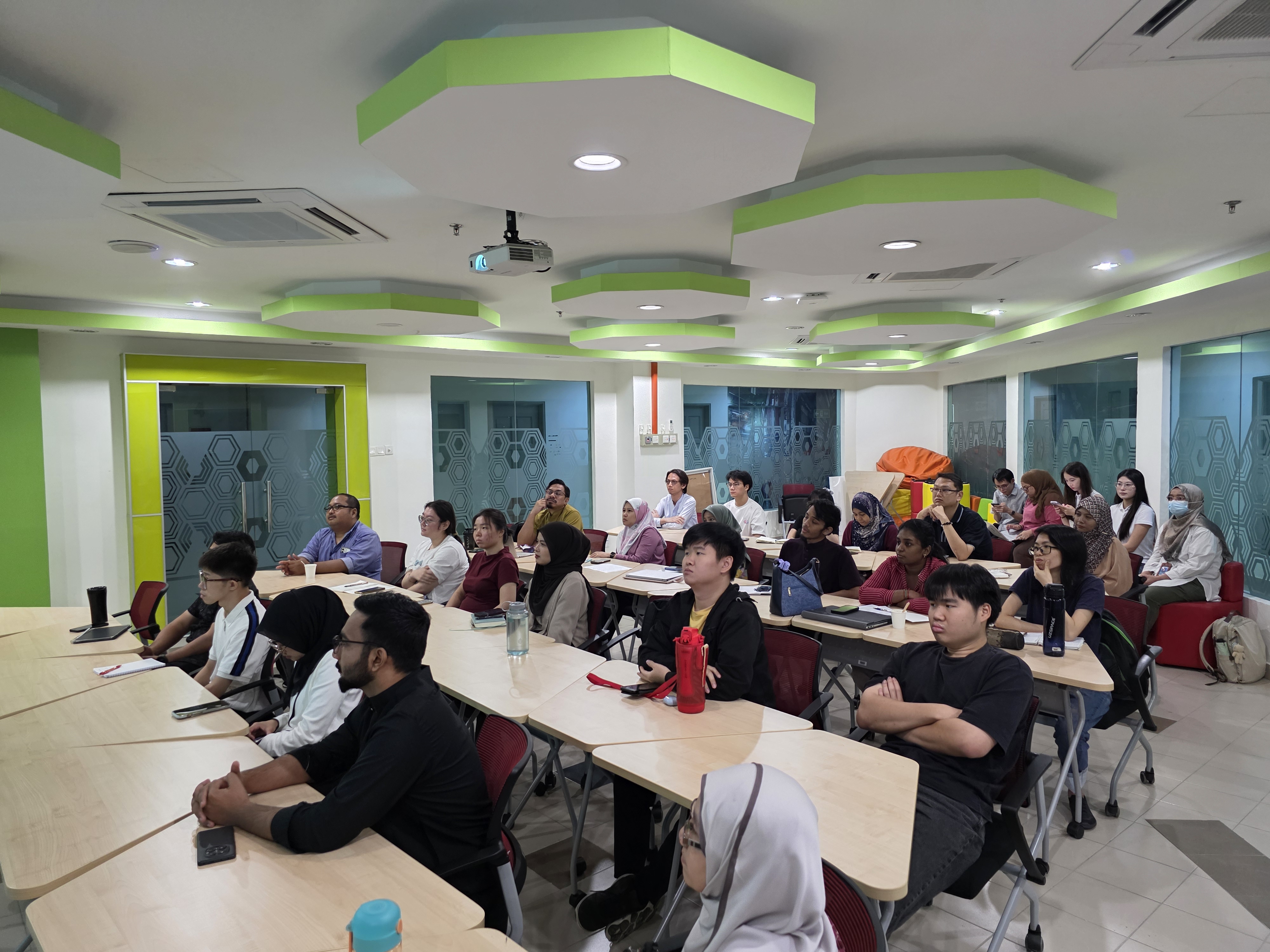
We were delighted to welcome YBrs. Dr Mohana Anita Anthonysamy, Chief Assistant Director from the Department of Biosafety, delivered an engaging session on "Biosafety of Genetically Modified Organisms" to students enrolled in the Advances in Agricultural Biotechnology course under our Master of Agricultural Biosecurity programme.
The session provided valuable insights into Malaysia's biosafety framework, regulatory considerations, and the safe application of modern biotechnology. We sincerely thank Dr Anita for sharing her expertise and enriching our students' learning experience.
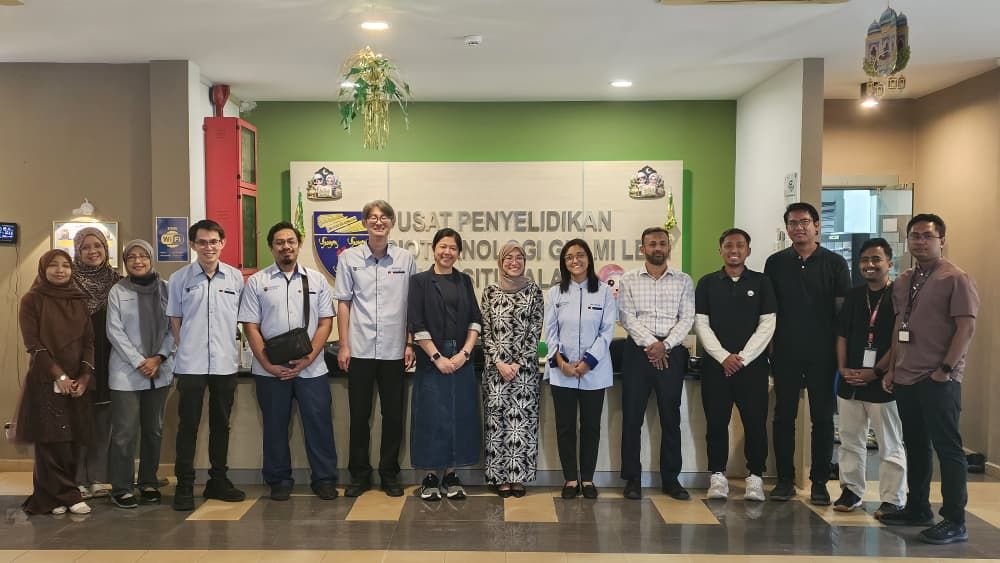
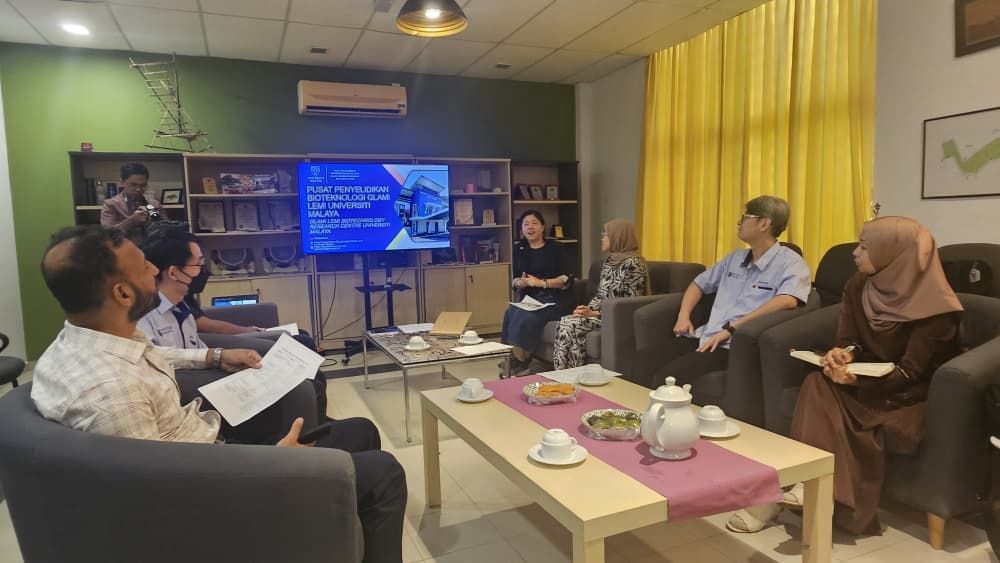
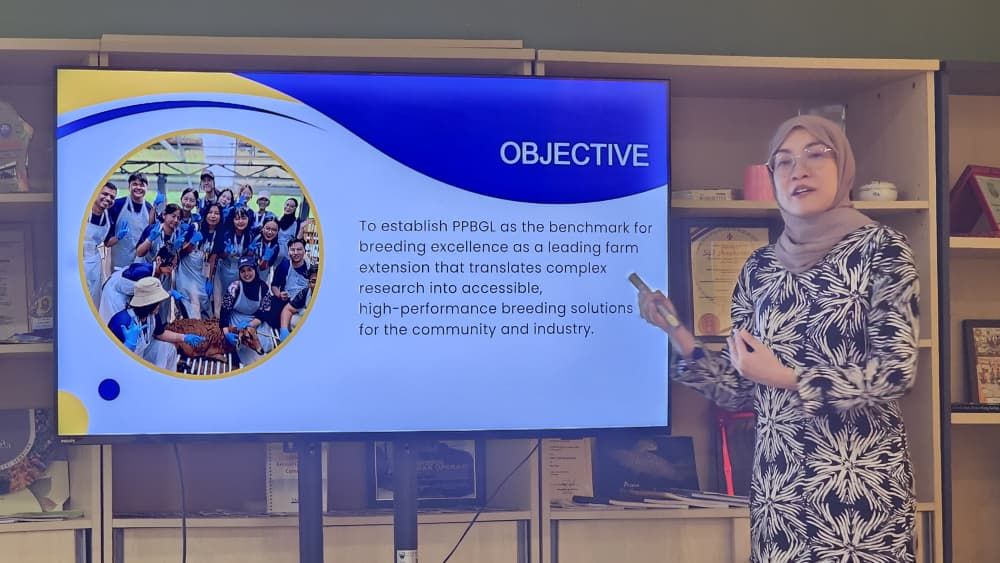
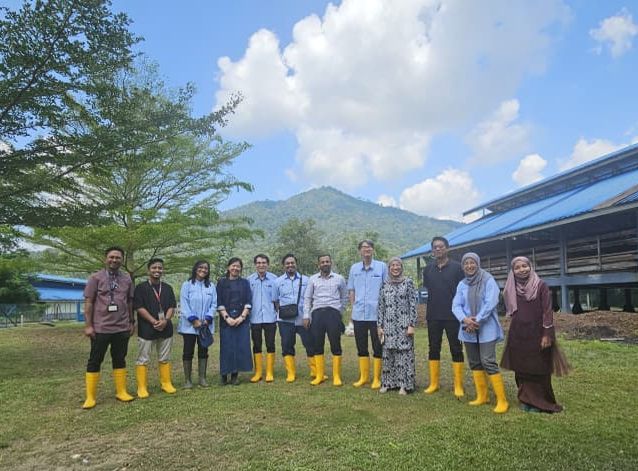
CEBAR had a really fruitful visit to Pusat Penyelidikan Bioteknologi Glami Lemi (PPBGL) Universiti Malaya on 23rd April 2026.
The CEBAR delegation was led by its Director, A/P Dr. Tan Boon Chin, accompanied by several Principal Investigators (PIs). The team was warmly welcomed by PPBGL Director Dr. Nuradilla Mohamad Fauzi, and her team.
During the visit, Dr. Nuradilla provided an insightful introduction to PPBGL, highlighting its vision, research focus, and ongoing initiatives in agricultural biotechnology and animal science. This was followed by an engaging discussion between both teams on potential areas collaboration and strategies to work synergistically in advanced agribiotechnology research at Universiti Malaya and contributing to the development of the field in Malaysia.
The visit concluded on a positive note, with both parties expressing enthusiasm for the promising opportunities for future collaboration between CEBAR and PPBGL.
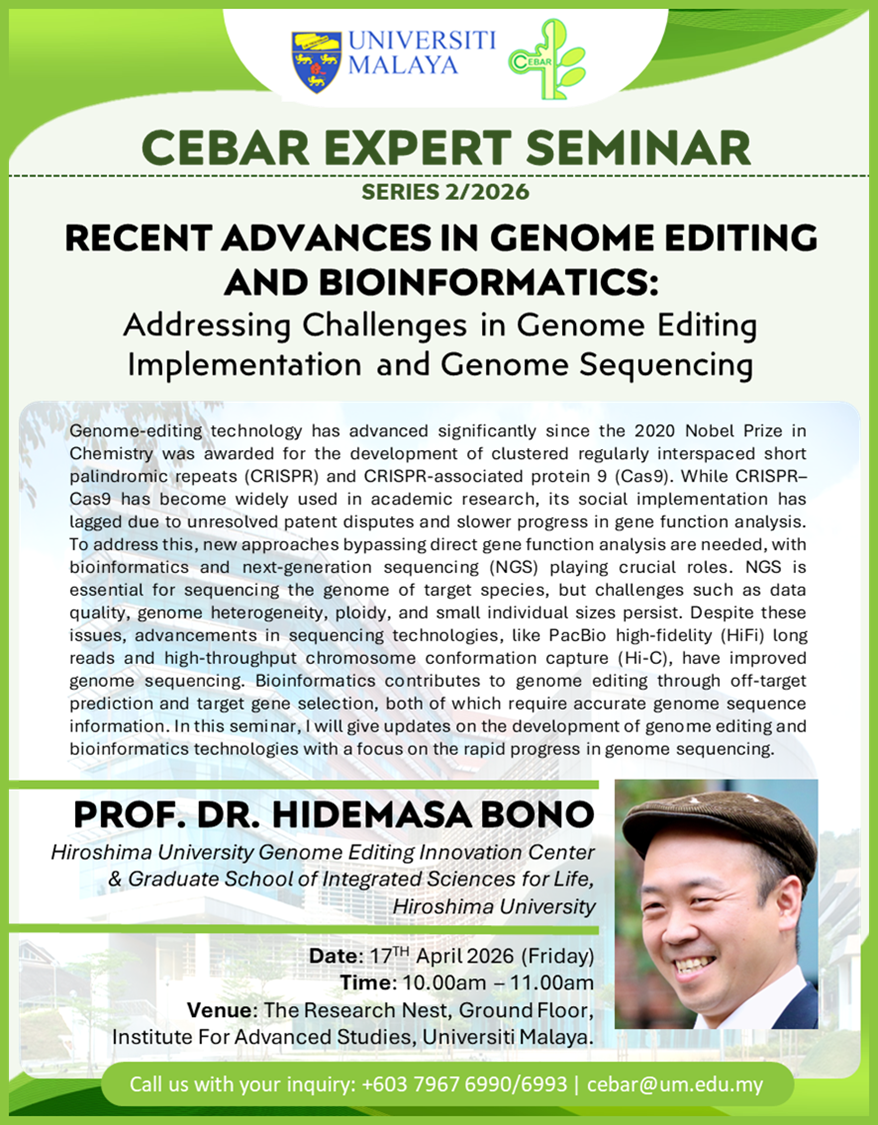
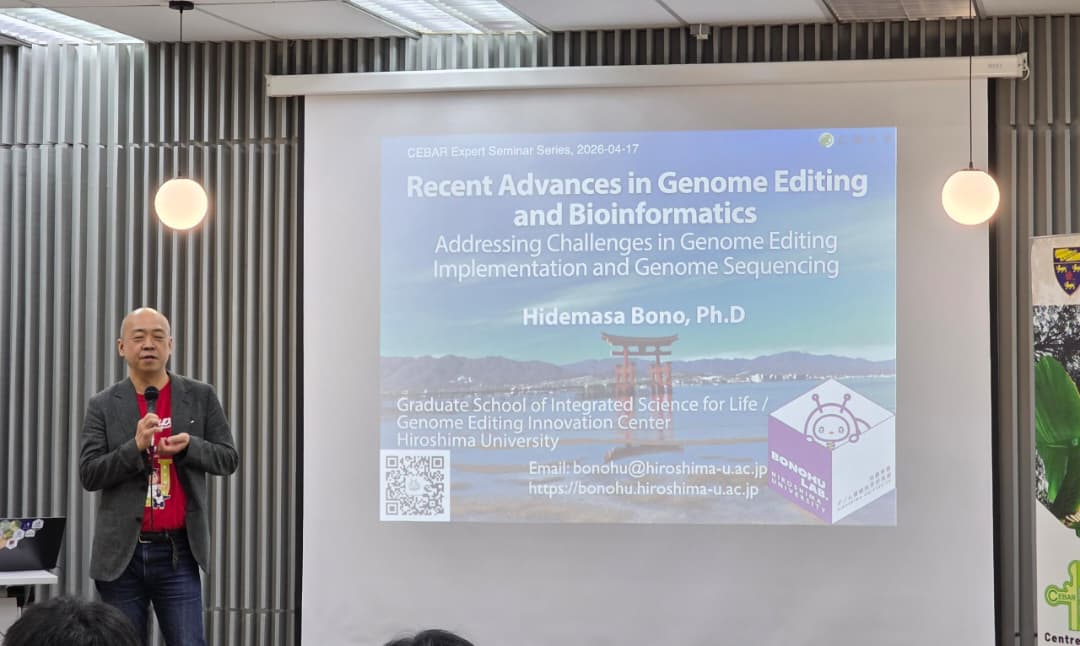
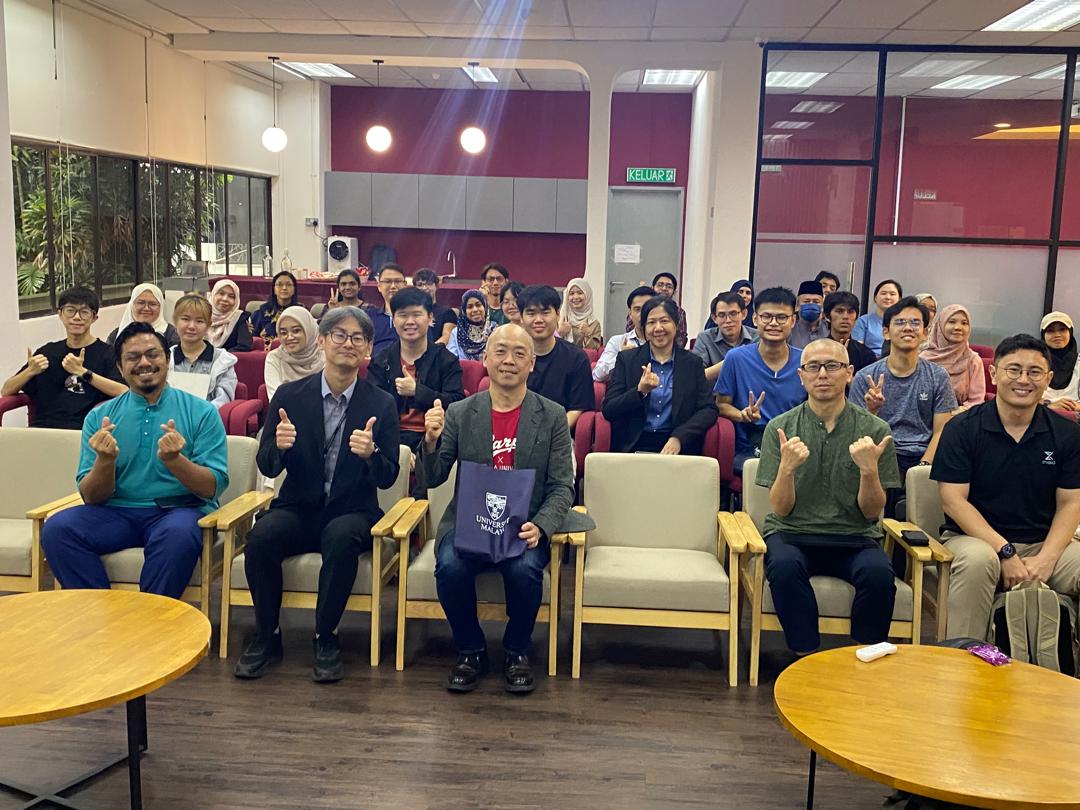
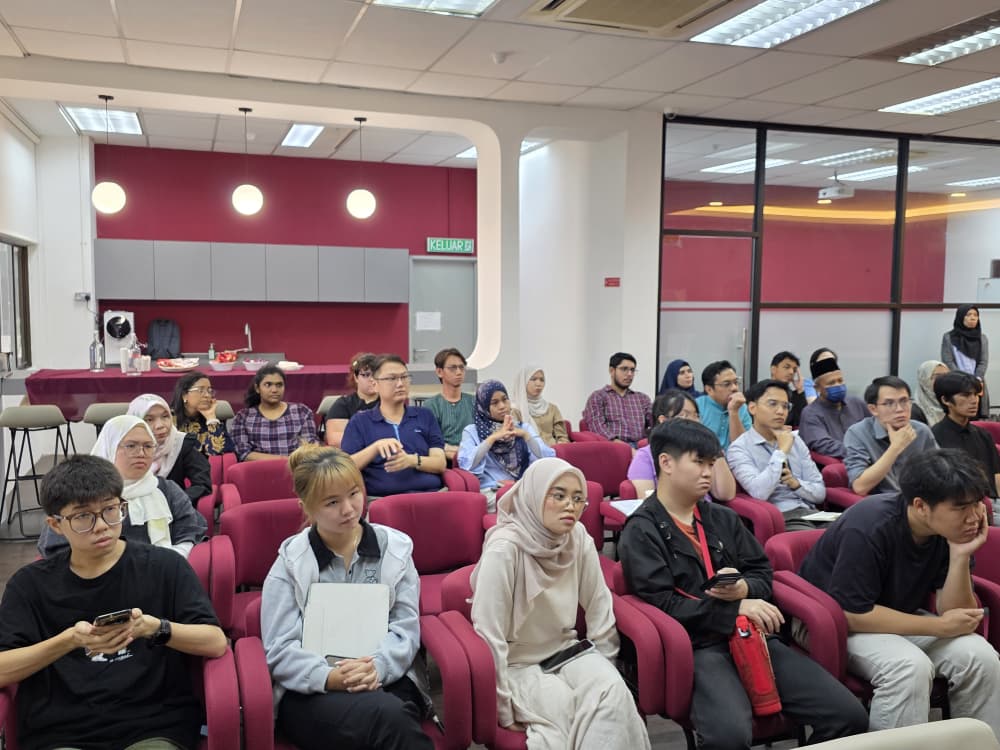
CEBAR continues its 2026 Expert Seminar Series with a distinguished session by Prof. Dr. Hidemasa Bono from the Hiroshima University Genome Editing Innovation Center and the Graduate School of Integrated Sciences for Life, Hiroshima University. A leading expert in bioinformatics and genome sciences, Prof. Bono brings valuable insights into the rapidly evolving landscape of genome editing technologies.
This seminar highlights recent advances in genome editing and bioinformatics, particularly in addressing key challenges in implementation and genome sequencing. While CRISPR-Cas9 has revolutionised research, its broader application continues to face limitations, including patent issues and gaps in gene function analysis. The session explores how emerging approaches, supported by bioinformatics and next-generation sequencing (NGS), are helping to overcome these barriers.
Overall, the seminar emphasises the importance of integrating genome editing and bioinformatics to enhance accuracy, overcome current limitations, and drive innovation in life sciences.
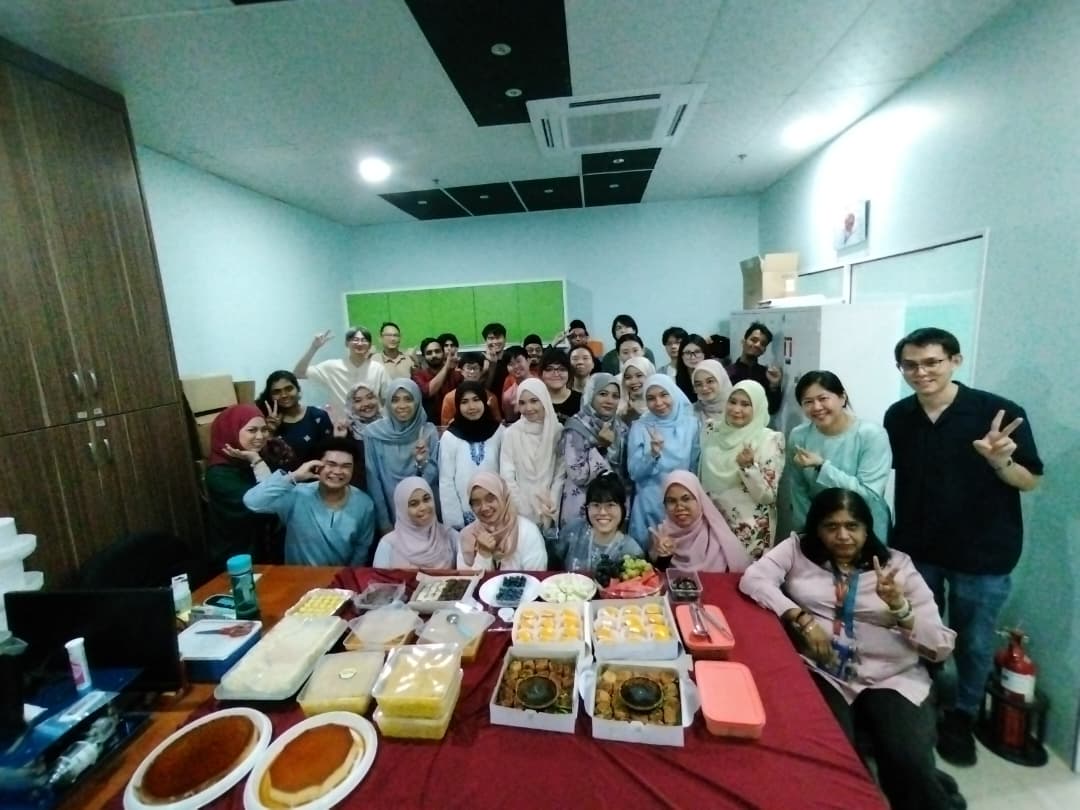
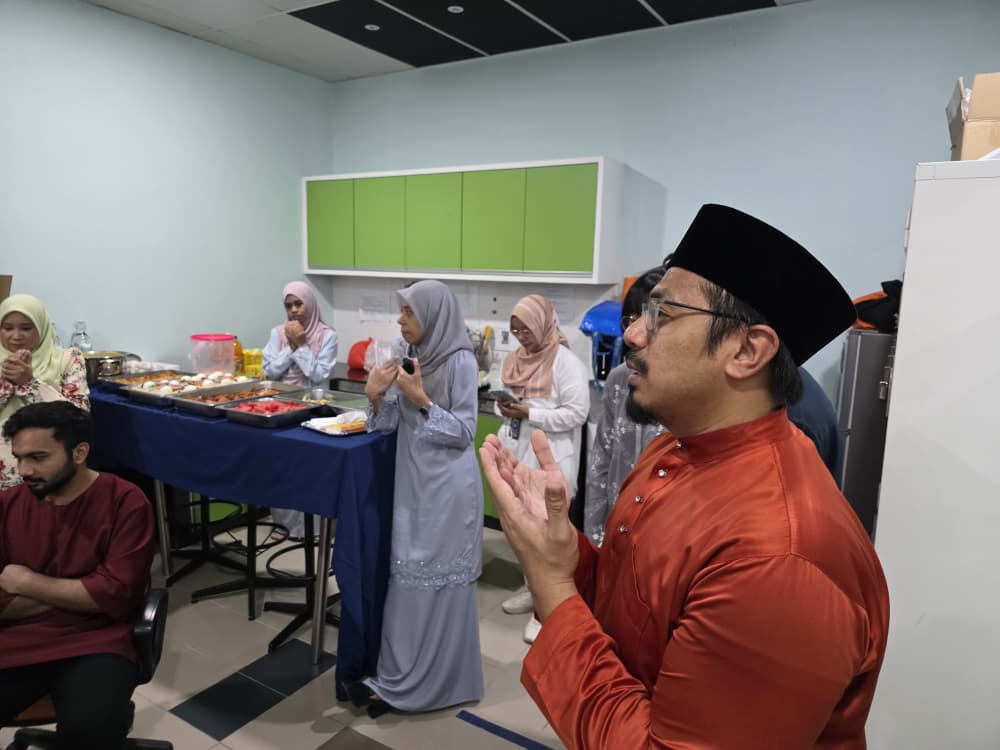
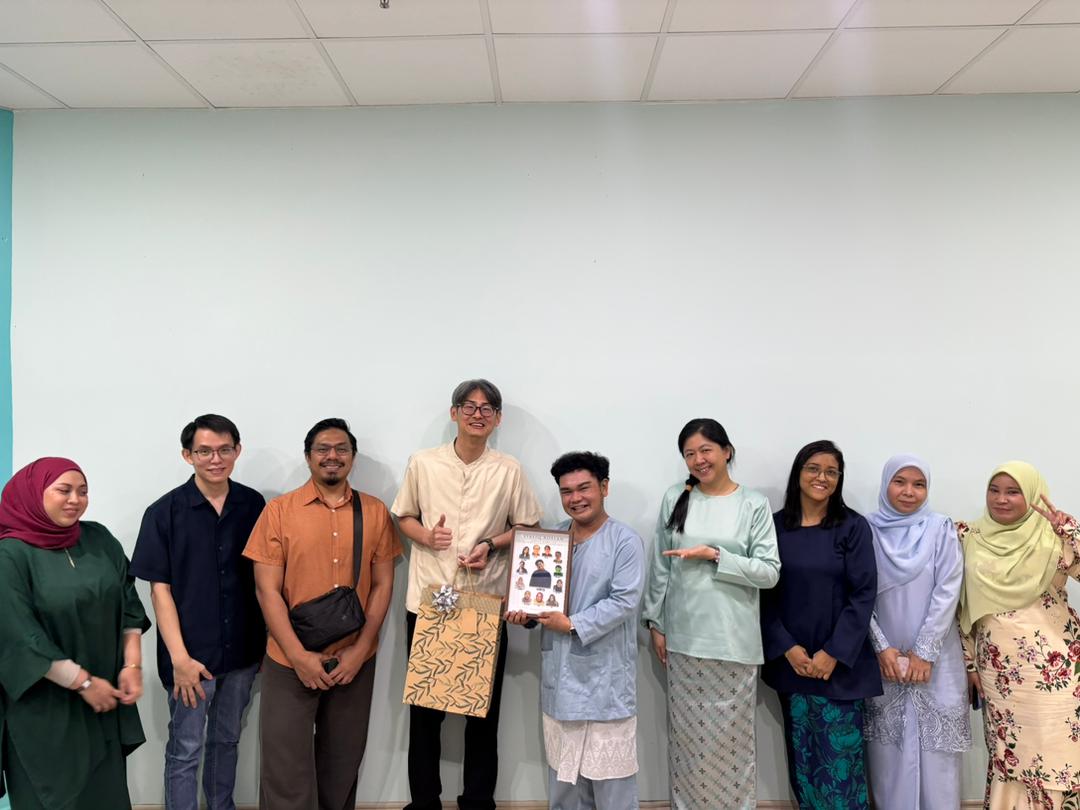
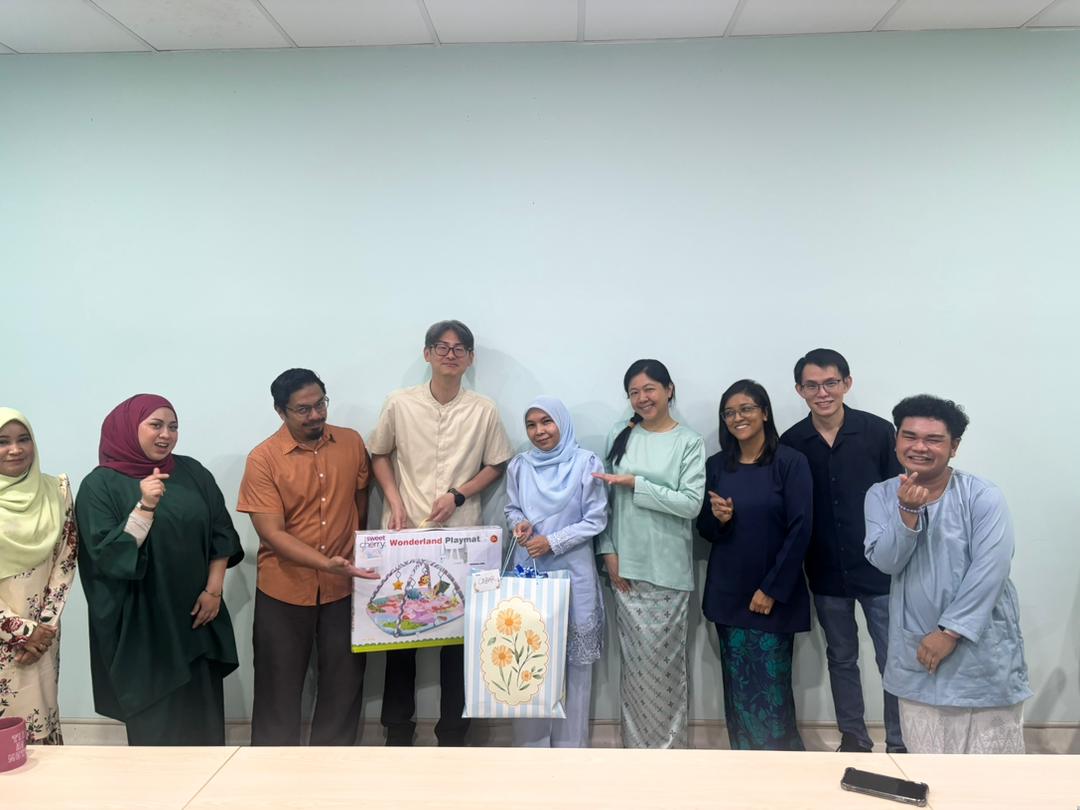
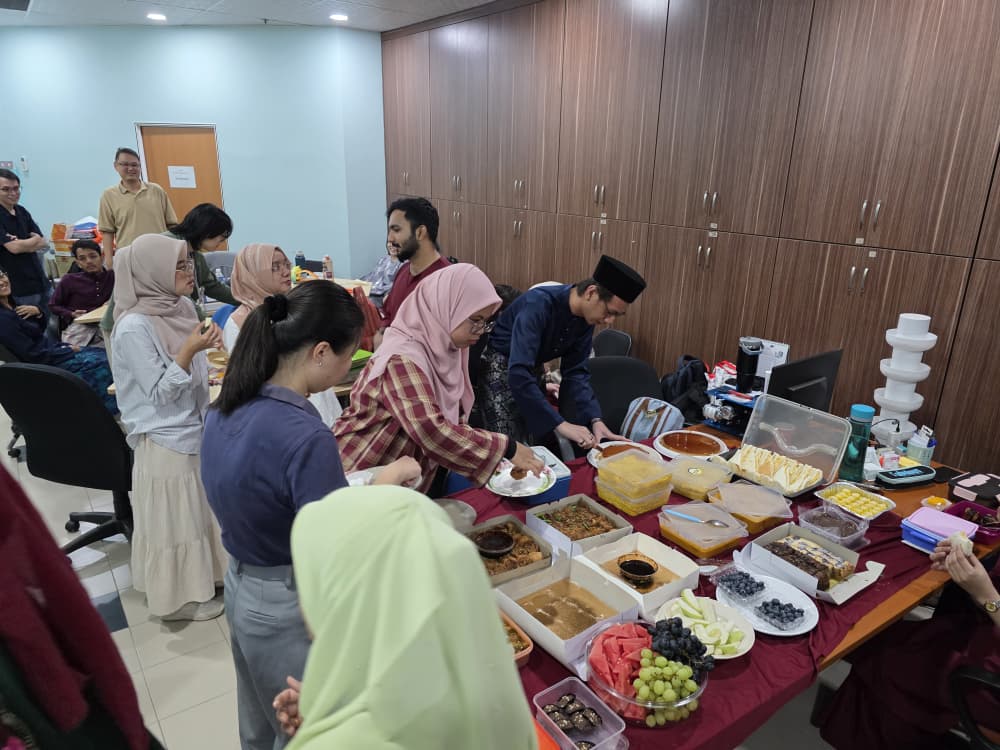
The CEBAR Raya Potluck 2026, brought together staff, students, and members of the CEBAR community in a warm and festive celebration of Hari Raya. The event showcased a vibrant spread of homemade dishes and traditional delicacies, reflecting the diversity and spirit of togetherness within the centre. Attendees embraced the occasion in traditional attire, creating a lively and culturally rich atmosphere.
A special highlight of the gathering was the presentation of a farewell token of appreciation to Mr. Syafiq, who served as a Research Assistant for eight months, in recognition of his valuable contributions. In addition, a maternity gift was presented to Dr. Norhafiza, celebrating this meaningful milestone.
Beyond the food, the potluck served as a meaningful platform to strengthen camaraderie, foster closer connections, and celebrate the values of unity, gratitude, and shared joy within the CEBAR family.
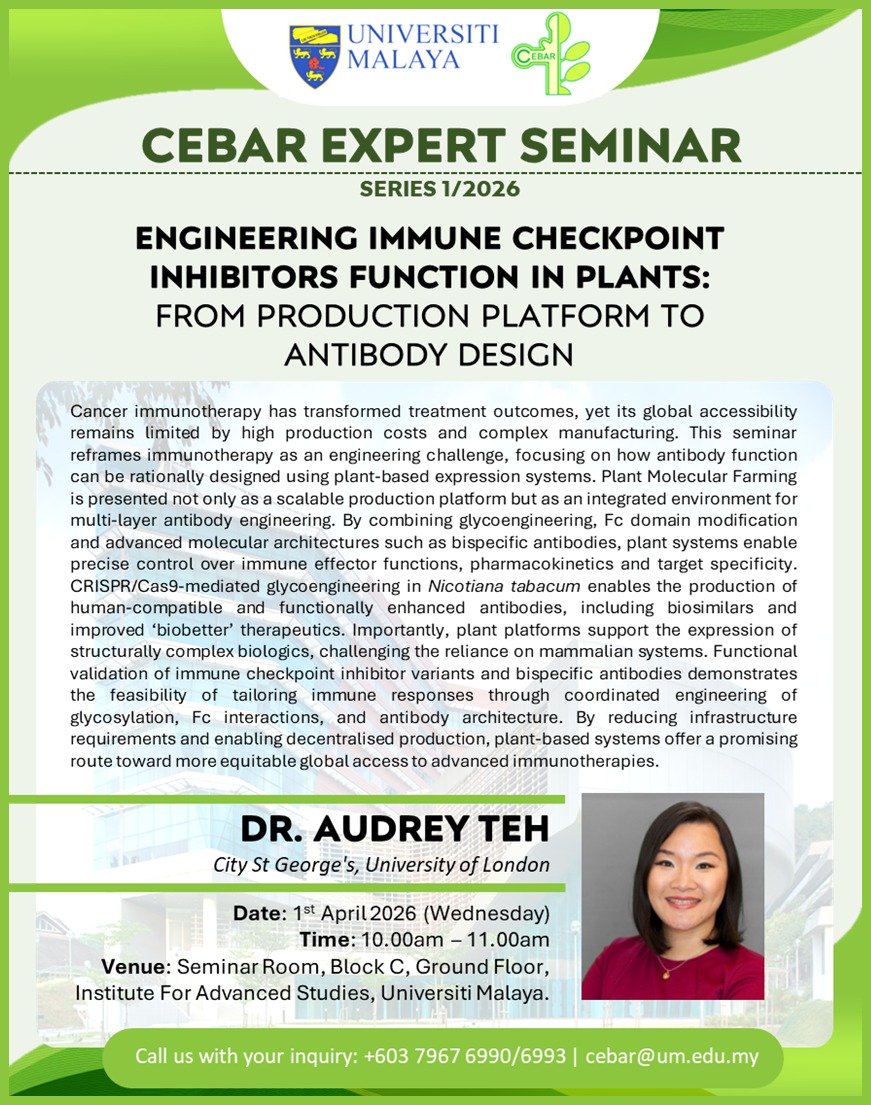
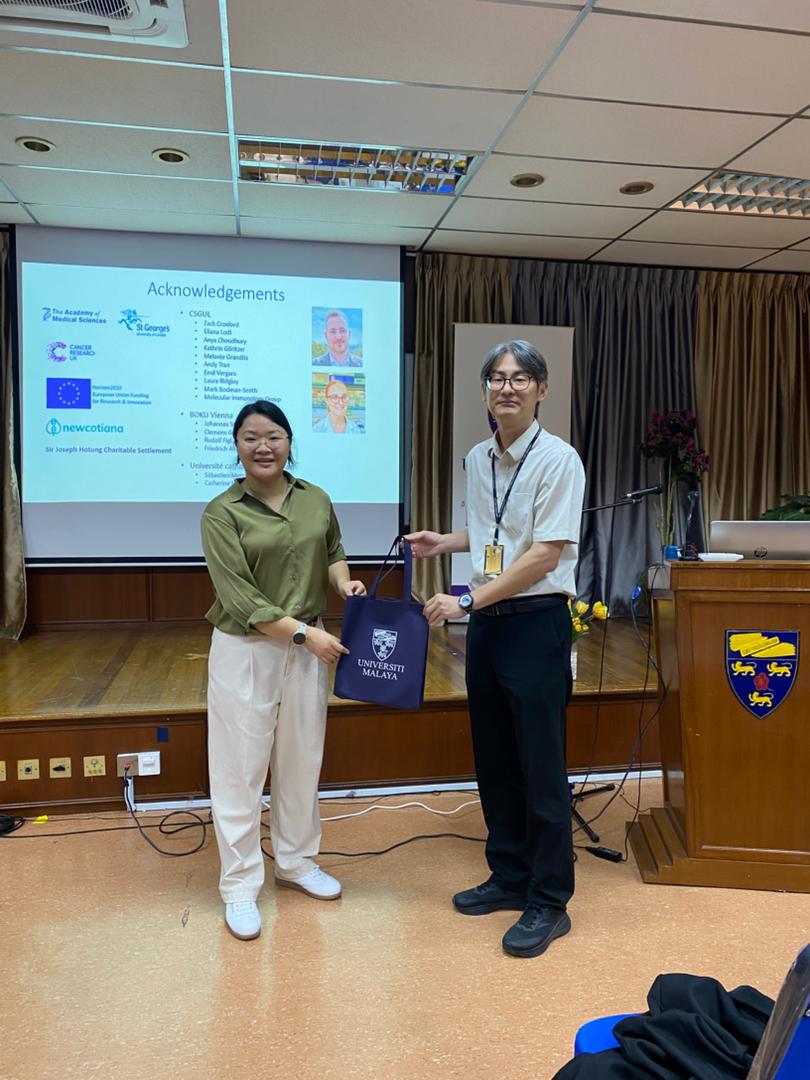
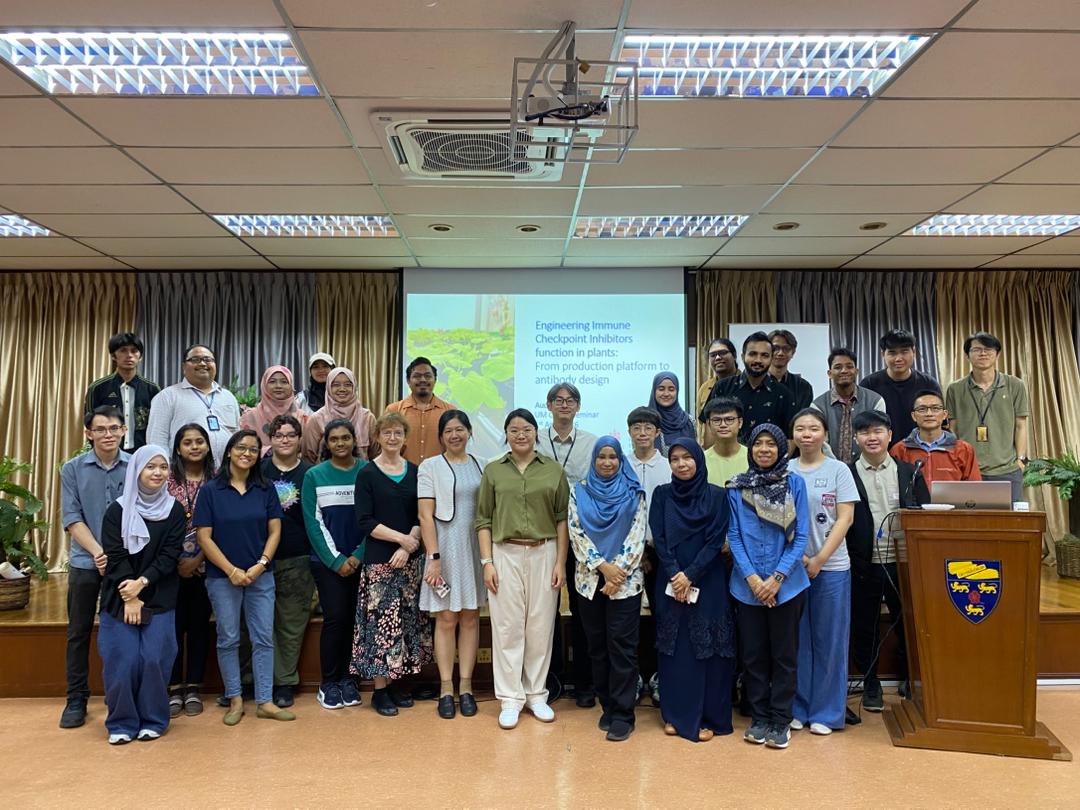
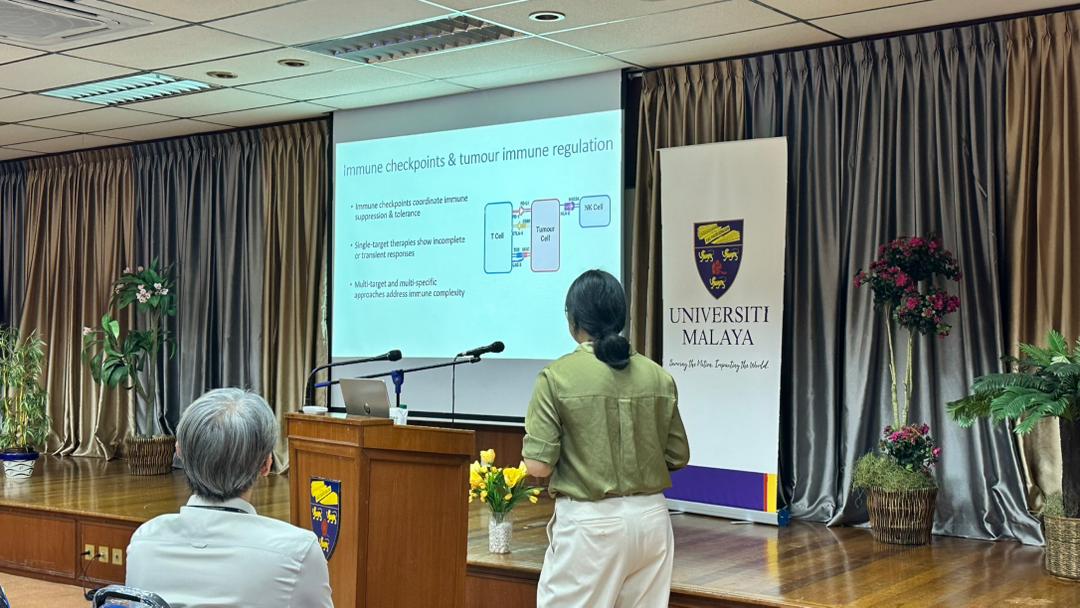
CEBAR is proud to launch its 2026 Expert Seminar Series with the first session delivered by Dr. Audrey Teh from City St George’s, University of London. As the opening speaker of the year, Dr. Teh brings her expertise in antibody engineering and plant-based biotechnology to address current challenges in cancer immunotherapy.
This seminar explores innovative approaches in engineering immune checkpoint inhibitors using plant-based systems. By positioning plant molecular farming as a scalable and cost-effective alternative, the session highlights how antibody functions can be precisely designed through advanced techniques such as glycoengineering, Fc domain modification, and bispecific antibody development.
Using Nicotiana tabacum as a model system, the seminar demonstrates how CRISPR/Cas9-mediated engineering enables the production of human-compatible and functionally enhanced antibodies. These plant-based platforms not only support the development of biosimilars and next-generation therapeutics but also provide a sustainable solution for producing complex biologics.
As the first seminar in the CEBAR Expert Seminar Series 2026, this session sets the stage for impactful discussions on advancing biotechnology solutions and improving global accessibility to immunotherapy.
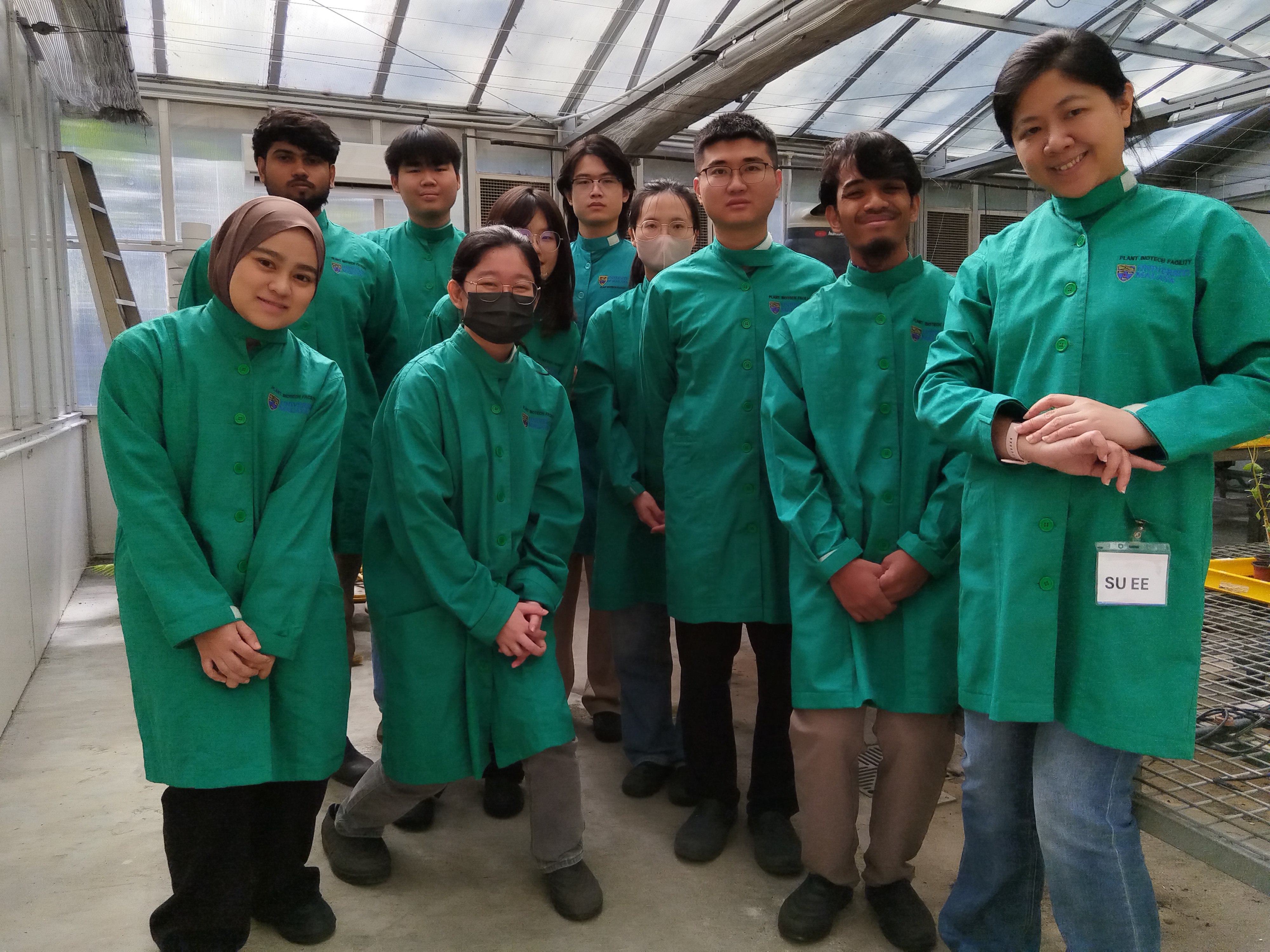
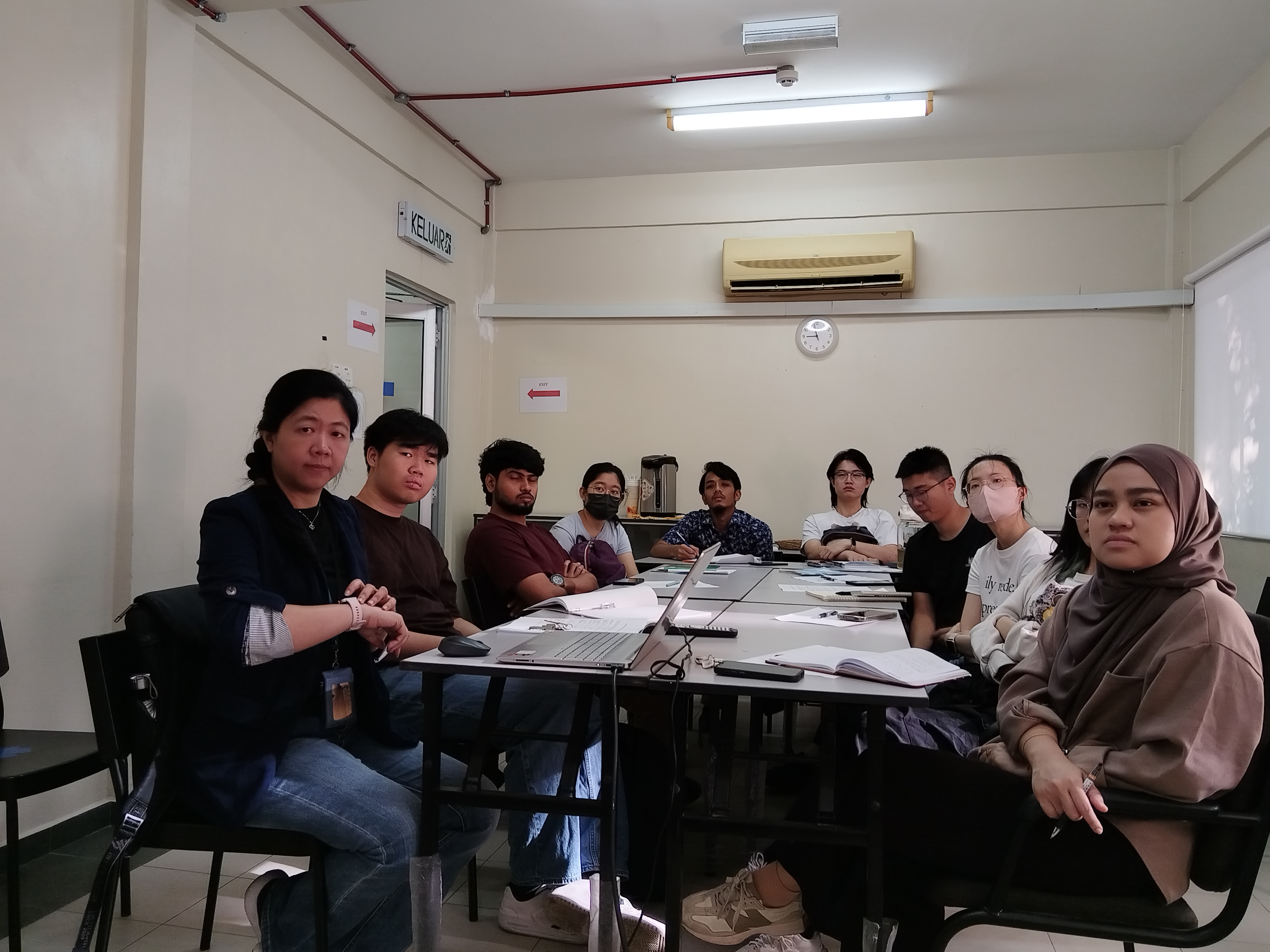
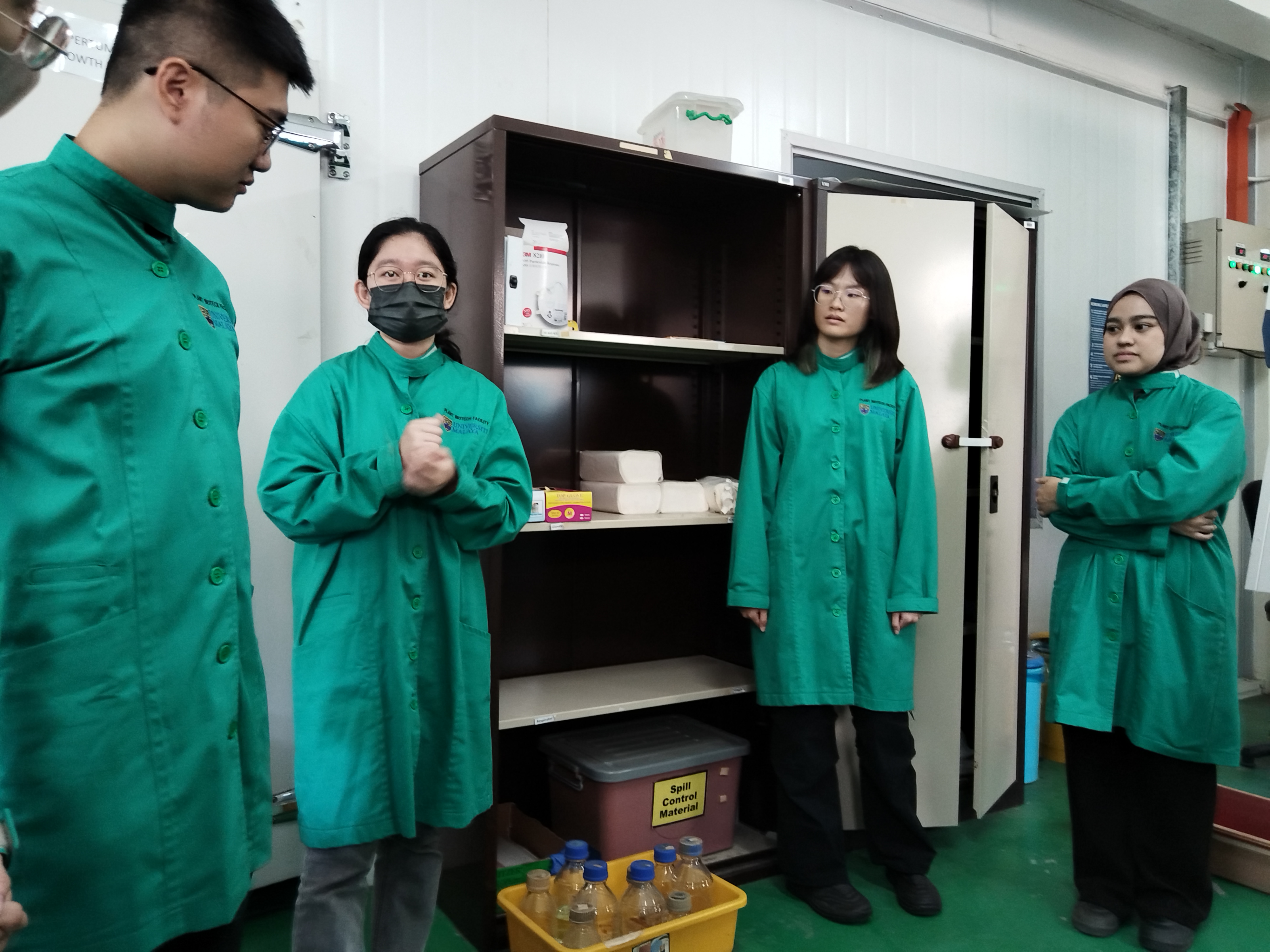
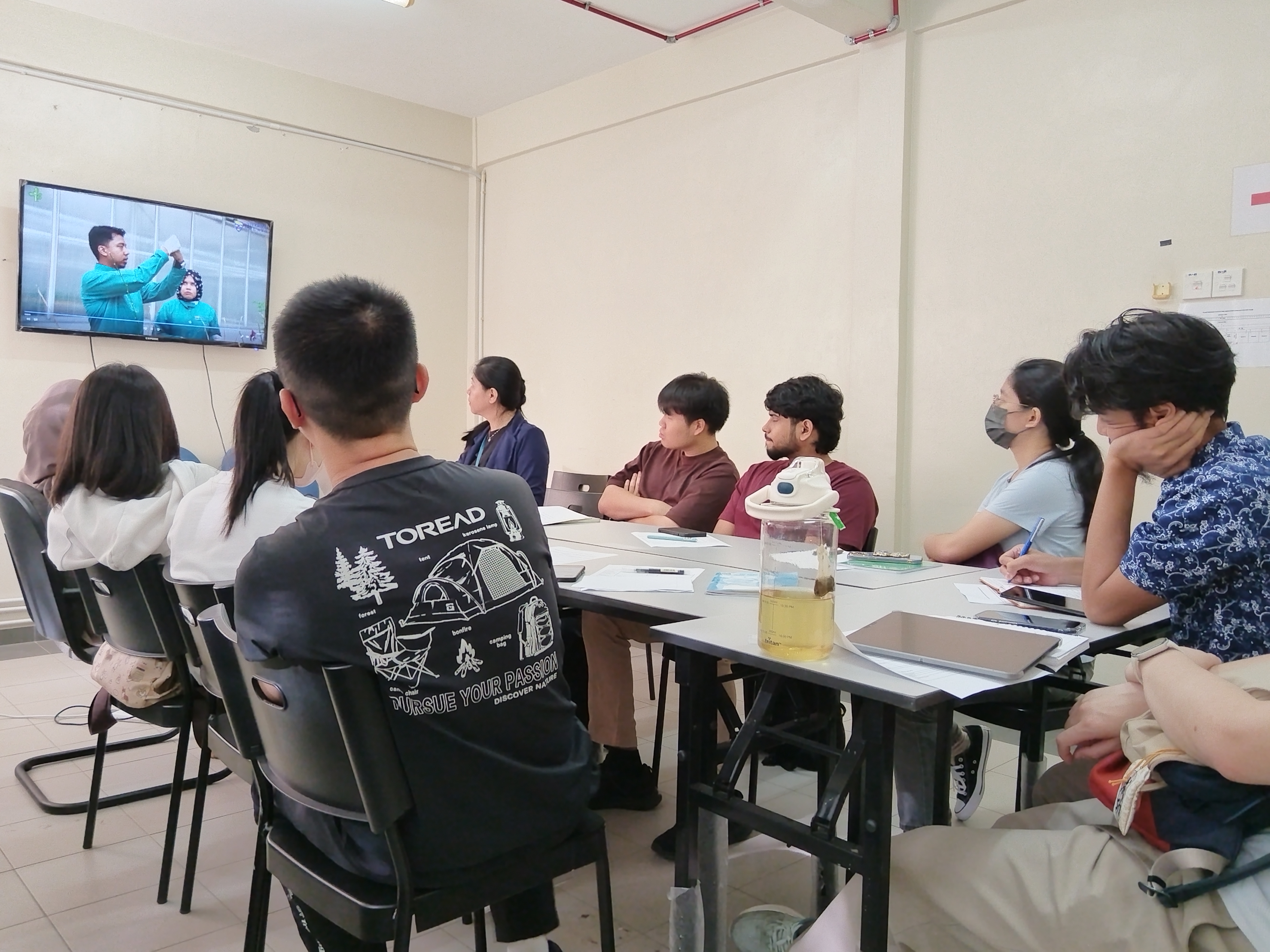
On 19th March 2026, CEBAR hosted a training session on Good Practices in Biosafety Level 2 (GP-BSL2) at the Plant Biotech Facility for our postgraduate students and laboratory personnel. The morning workshop was specifically designed to equip attendees with knowledge of national biosafety regulations, risk assessment protocols, and the safe handling of biological agents and Genetically Modified Organisms (GMOs). By the end of the session, participants demonstrated practical competency in vital BSL-2 laboratory operations, bio-waste management, and emergency response, successfully enhancing our institutional biosafety capacity and reinforcing CEBAR's ongoing commitment to safeguarding the research community through safe, responsible science.
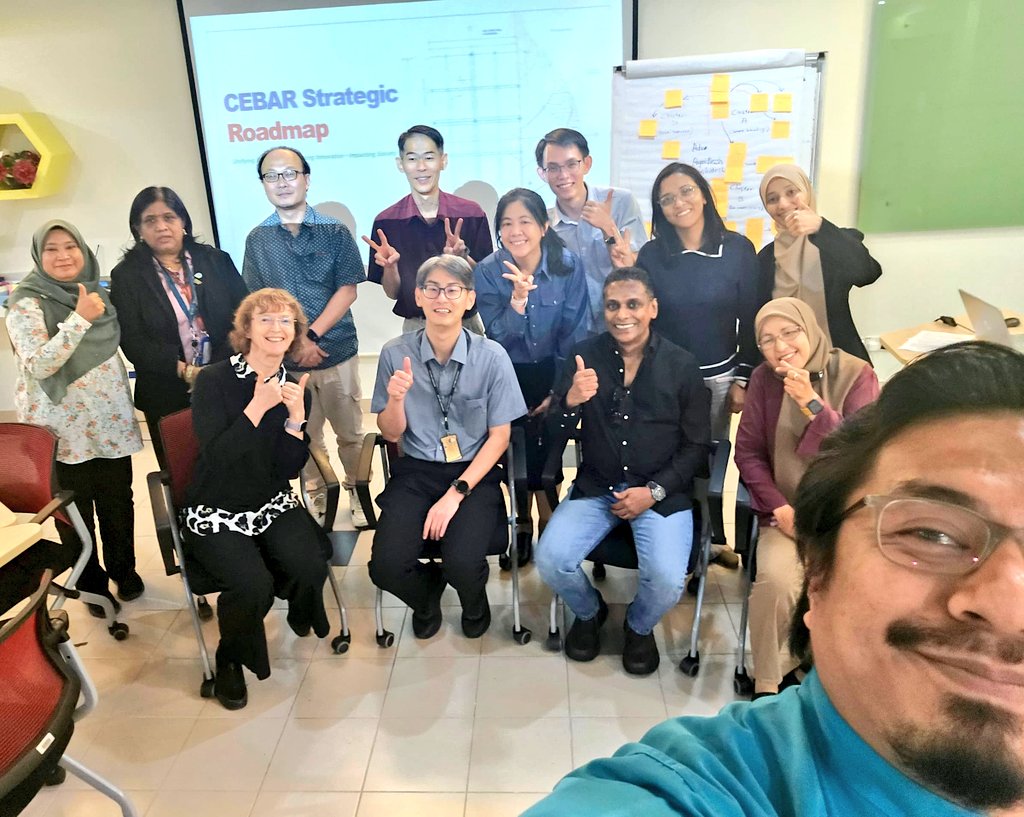
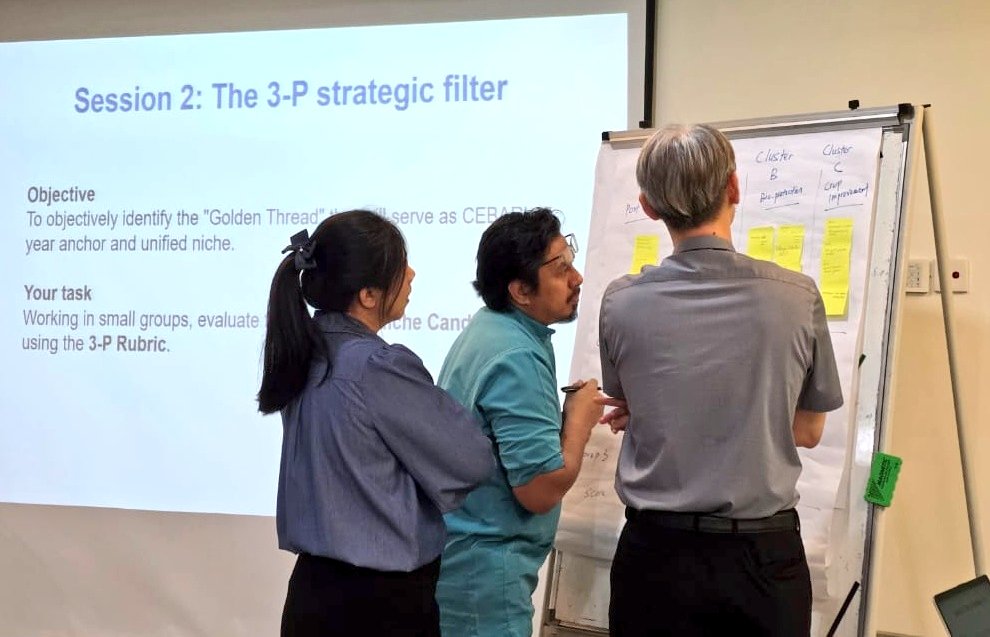
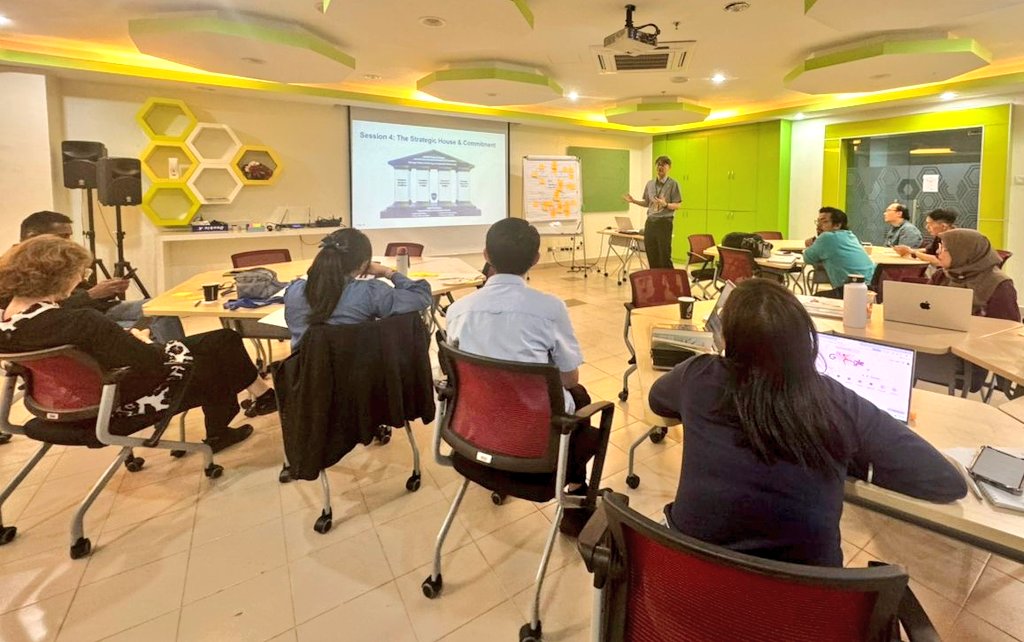
CEBAR successfully conducted a productive strategic brainstorming workshop led by CEBAR Director Assoc. Prof. Dr. Tan Boon Chin, bringing together team members to refine the centre's niche area and establish its strategic direction in advanced agri-biotechnology.
The workshop facilitated in-depth discussions, collaborative idea generation, and alignment of research priorities to strengthen CEBAR's role in agricultural biotechnology research. The outcomes of this session have resulted in a clearly defined strategic roadmap to guide future initiatives and innovations.
CEBAR extends its appreciation to all participants for their valuable contributions and insightful ideas. The centre looks forward to advancing into the next phase of impactful research and development in agri-biotechnology.
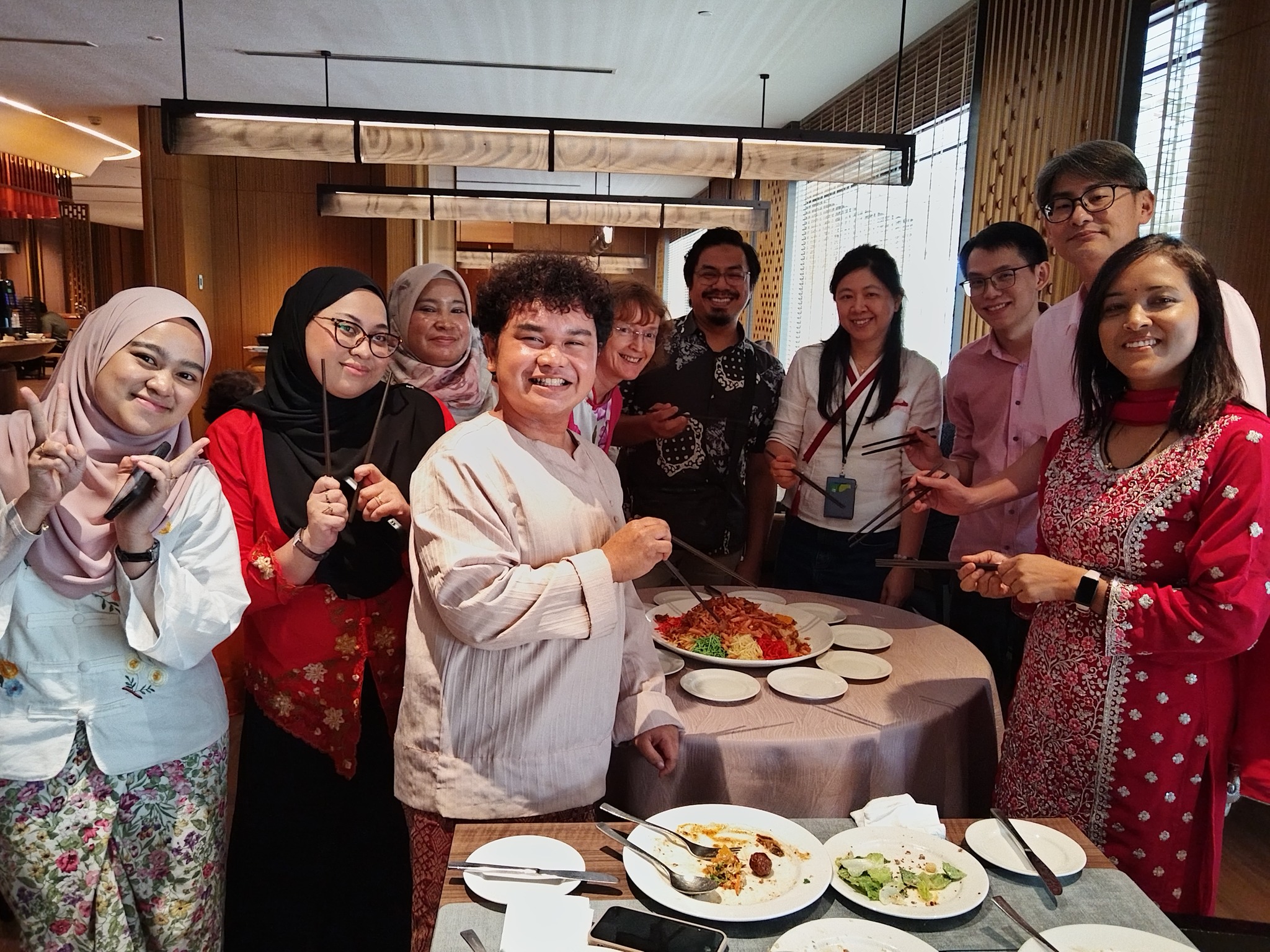
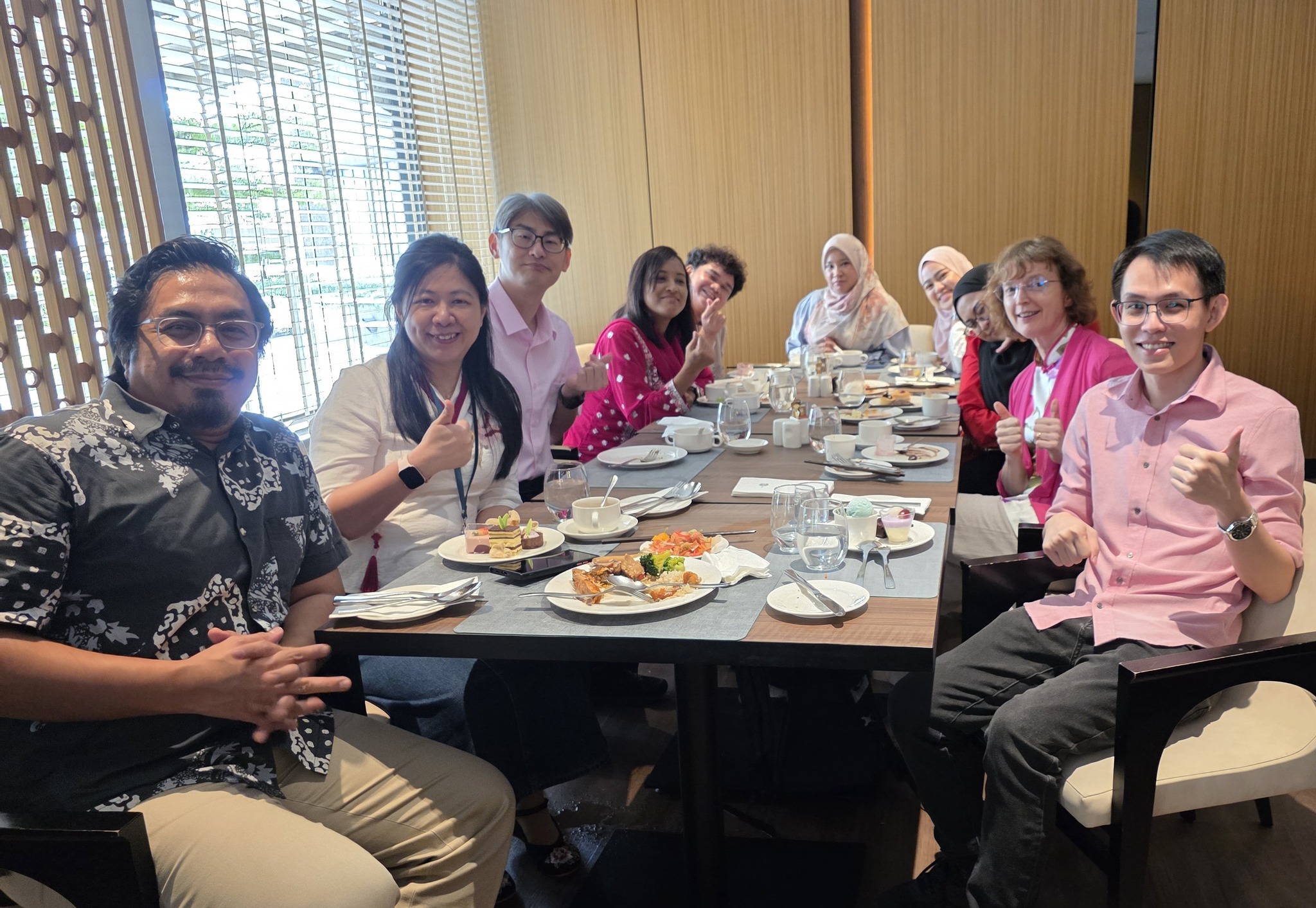
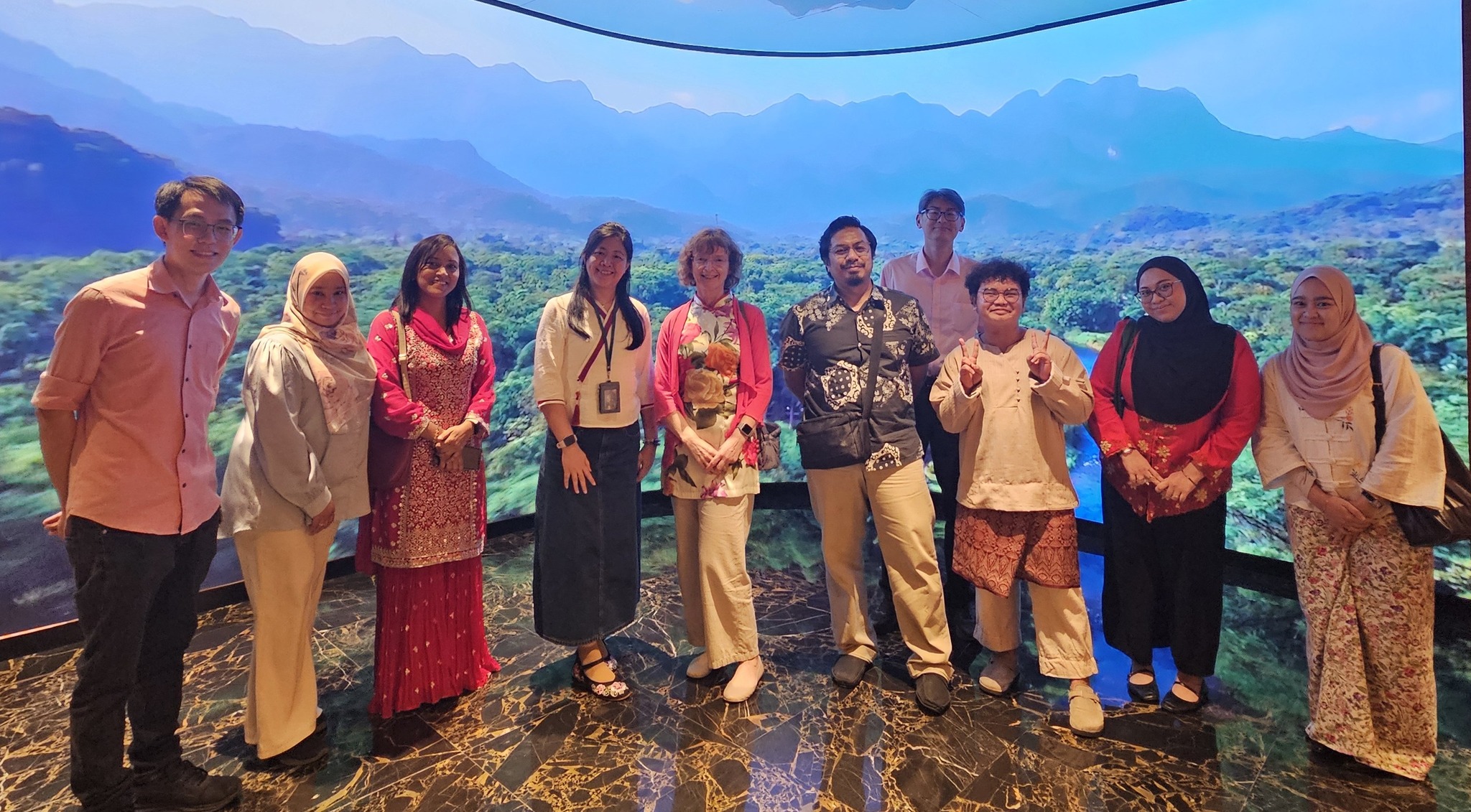
CEBAR staff members gathered for a celebratory lunch in conjunction with Chinese New Year and the upcoming Ramadan, fostering camaraderie and cultural appreciation within the centre.
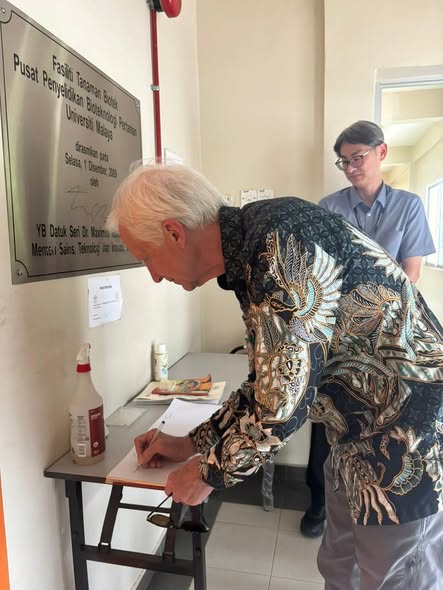
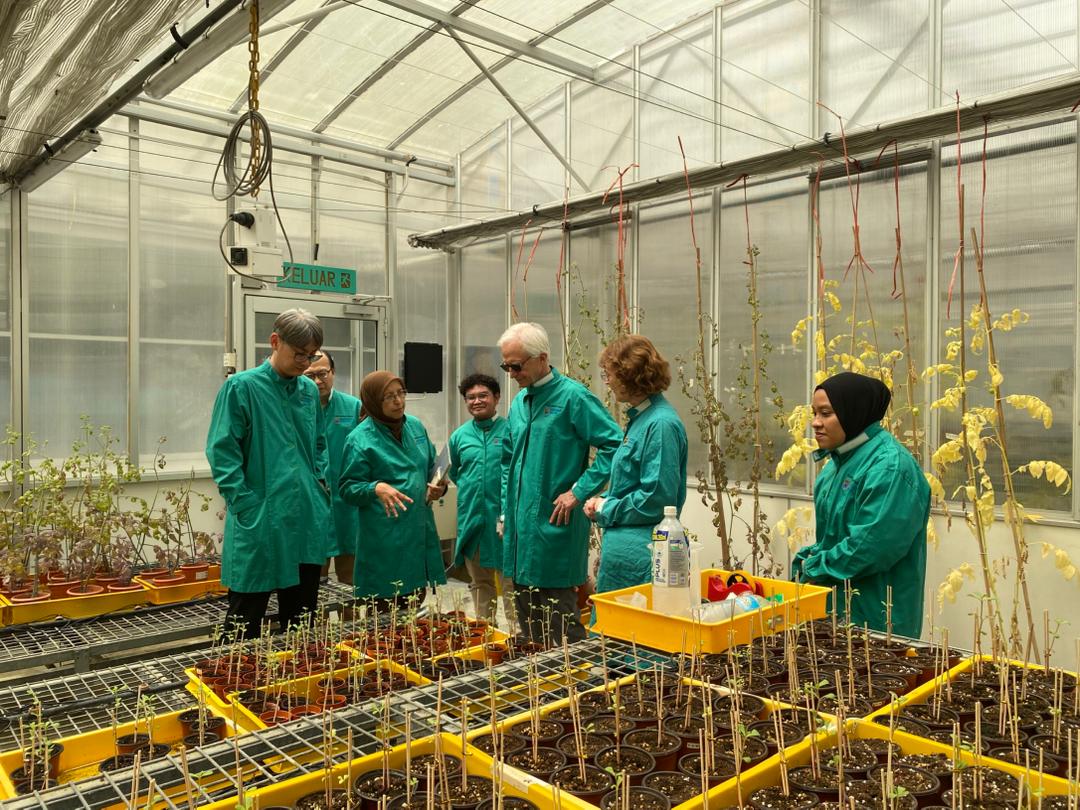
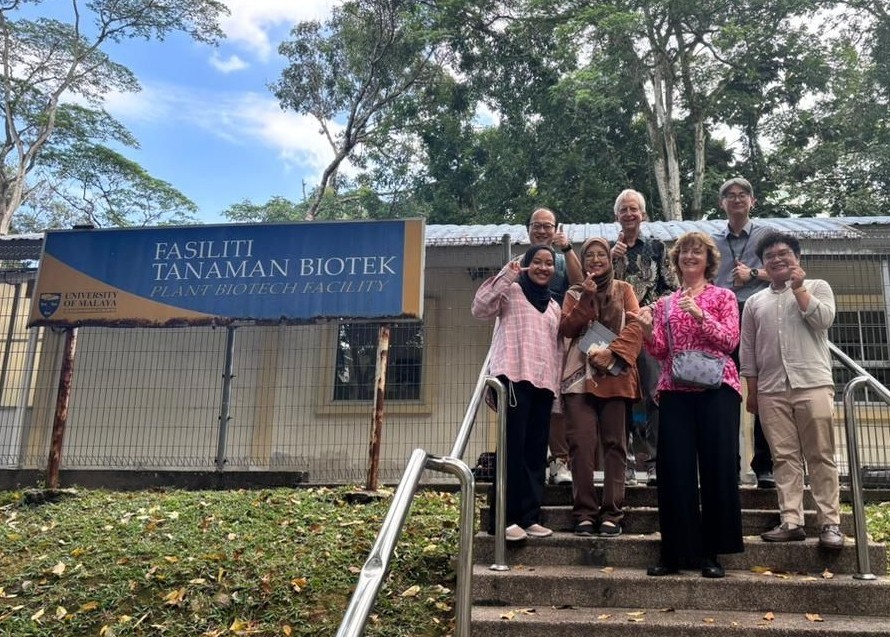
Senior Program Officer for Crops R&D and Agricultural Development from the Gates Foundation, Dr. Jim Lorenzen made a short visit to CEBAR on 3 February 2026. This visit is part of the activity arranged under the Grand Challenges Banana SE Asia Malaysia led by Prof. Dr. Jennifer Ann Harikrishna. Also in attendance were CEBAR team members Assoc. Prof. Dr. Tan Boon Chin, Assoc. Prof. Dr. Yusmin Mohd Yusuf, Dr. Teo Chee How, Project Manager Dr. Nur Syafikah Abdullah, Assistant Science Officer Ms. Noratikah Mohd Zainodin and Research Assistant Mr. Muhammad Syafiq Roslan. During the visit, Dr. Lorenzen was brought to CEBAR facilities for a tour and was also briefed on ongoing CEBAR work.
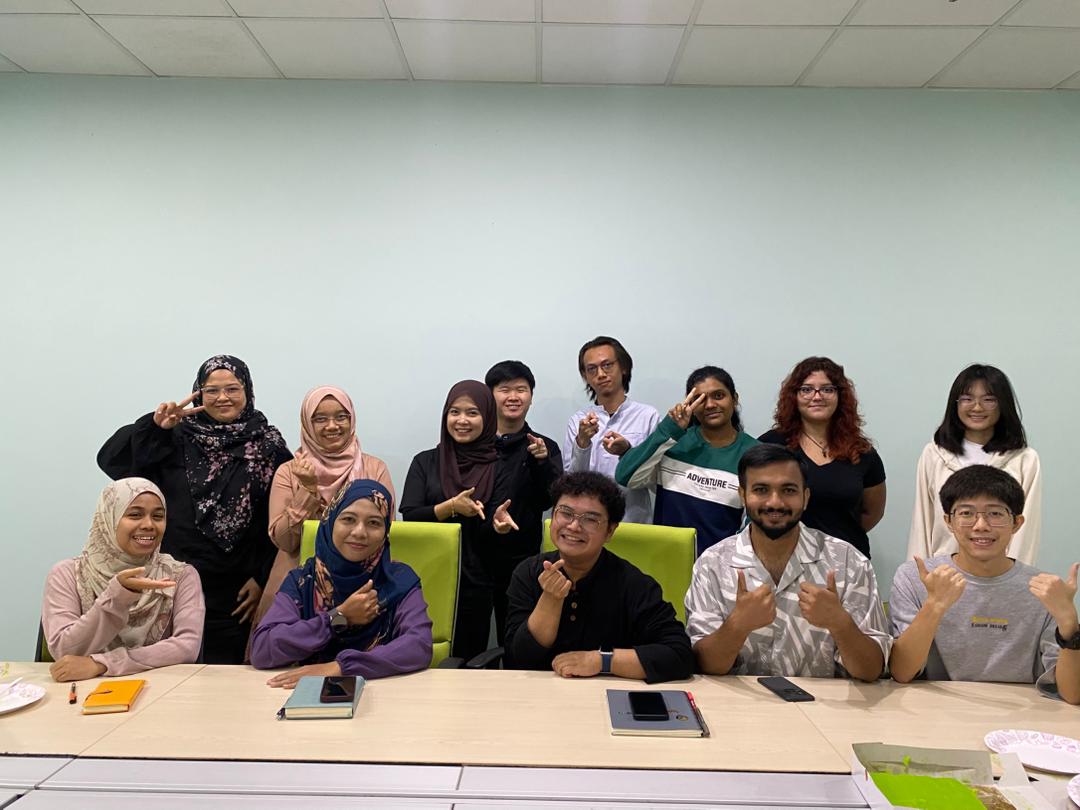
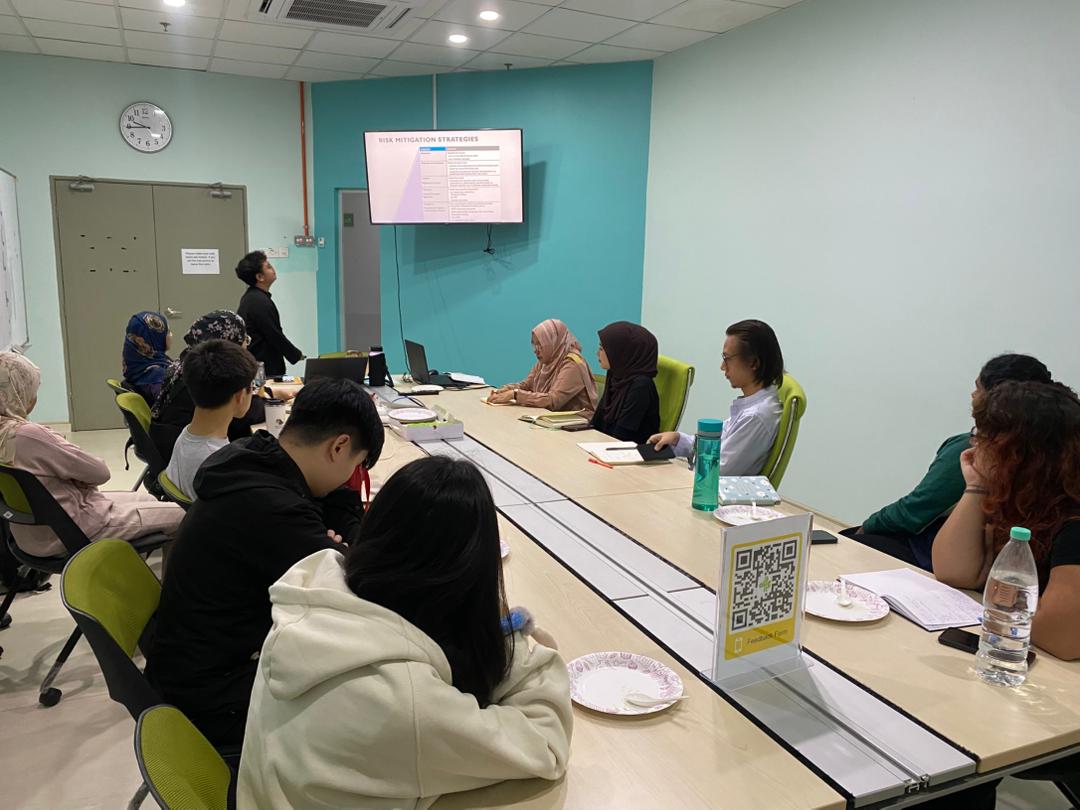
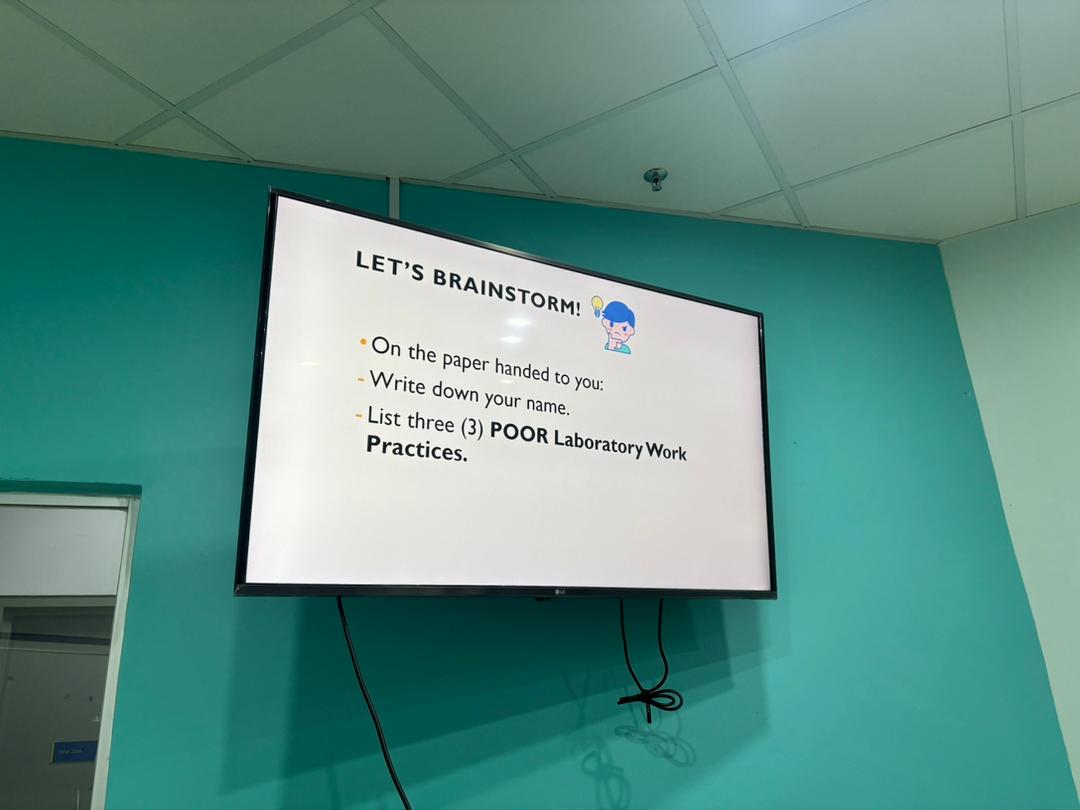
CEBAR held our in-house 'The Basics of Biosafety' workshop on 28 January 2026 to provide updated foundational biosafety knowledge and laboratory safety awareness for all CEBAR laboratory users. The four-hour training was conducted by CEBAR Research Assistant, Mr. Muhammad Syafiq Roslan and was attended by 12 current postgraduate students and industrial trainees from all CEBAR labs.
During the workshop, participants were introduced to biosafety principles and their importance in research laboratory settings, good laboratory practices (GLP) and personal protective equipment (PPE), common biological hazards and risk awareness, proper handling, storage and disposal of biological wastes as well as emergency procedures and basic response measures.
We hope that at the end of the workshop, all participants emerge with a strong culture of safety, able to minimise the risks associated with daily handling of biological materials as well as are able to ensure compliance of their work place with the national and international regulations for biological research.
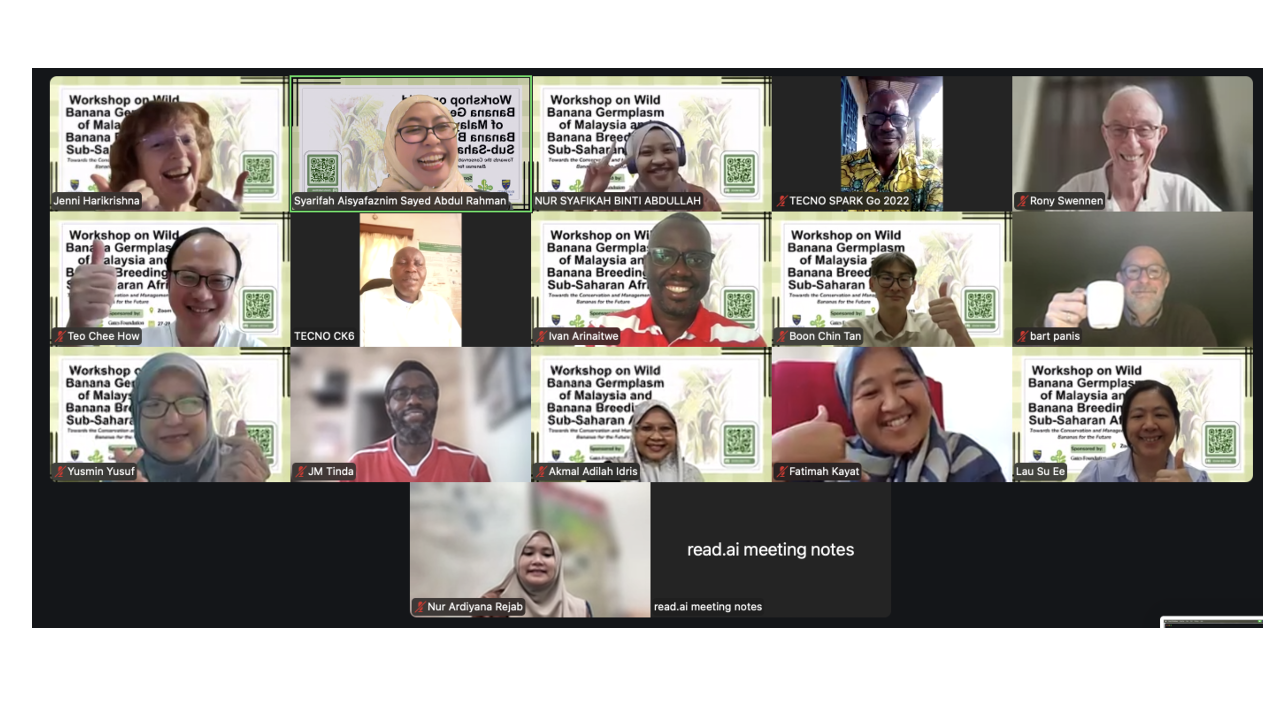
Supported by the Gates Foundation Grand Challenges, CEBAR recently hosted an international virtual workshop to bridge Southeast Asian biodiversity with the agricultural needs of Sub-Saharan Africa (SSA).
The initiative focuses on utilising Malaysia's rich wild banana (Musa acuminata) genetics to develop pre-breeding pools and enhance climate resilience in African crops.
Key workshop highlights:
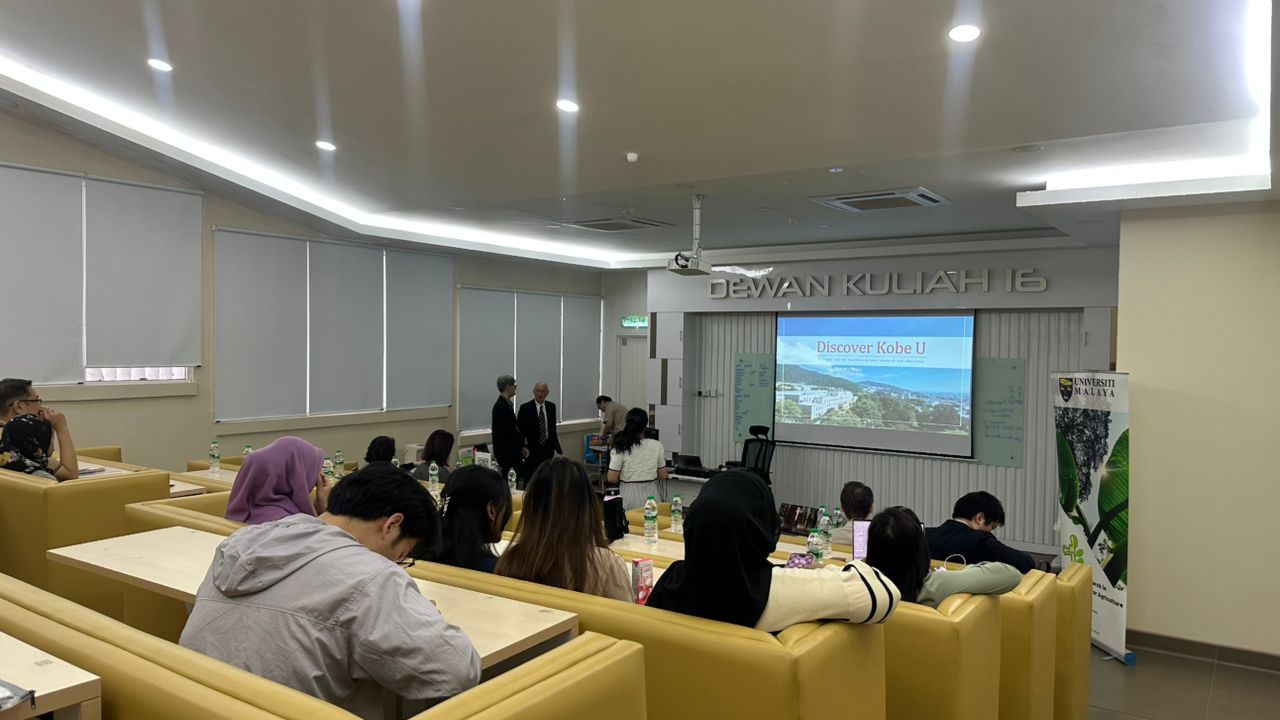
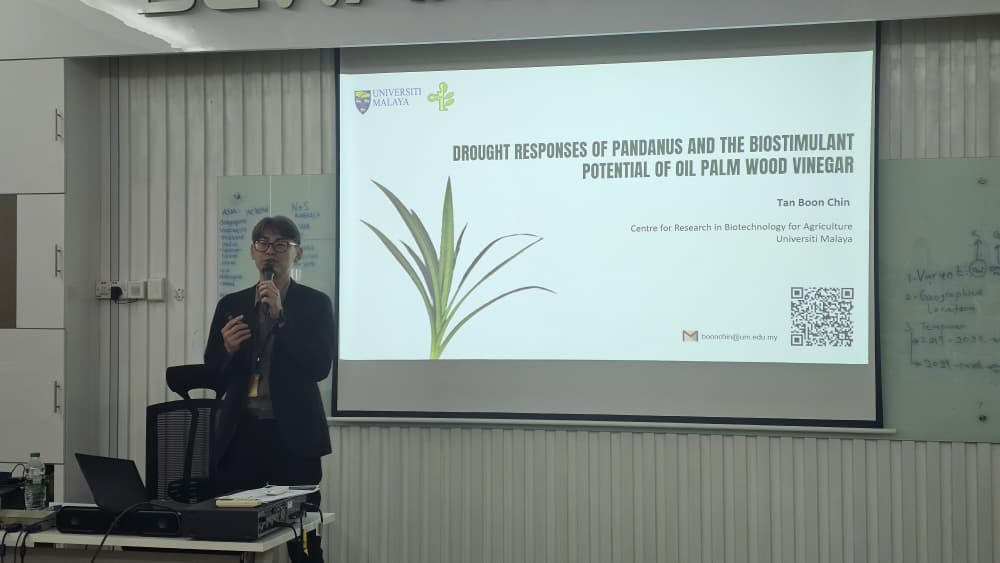
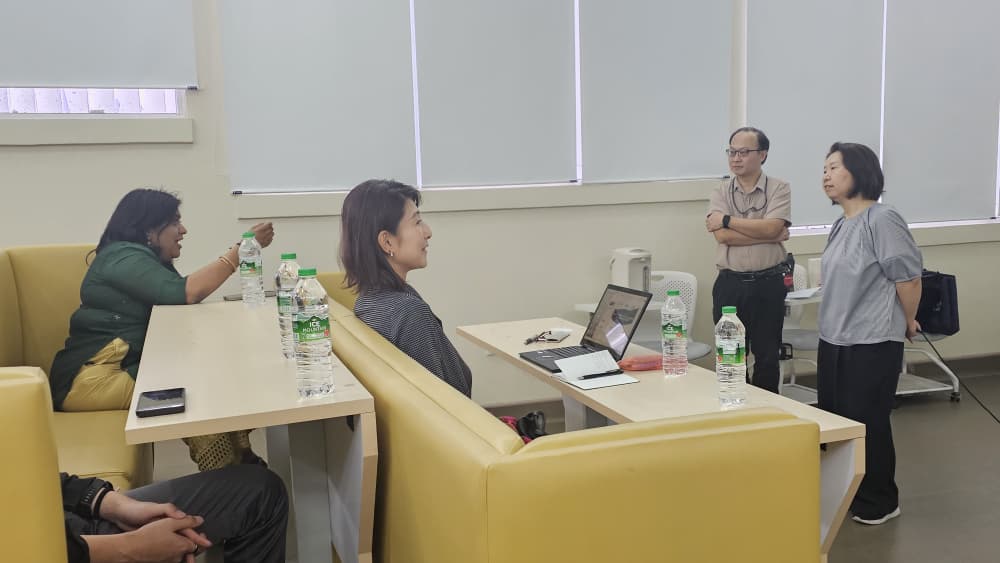
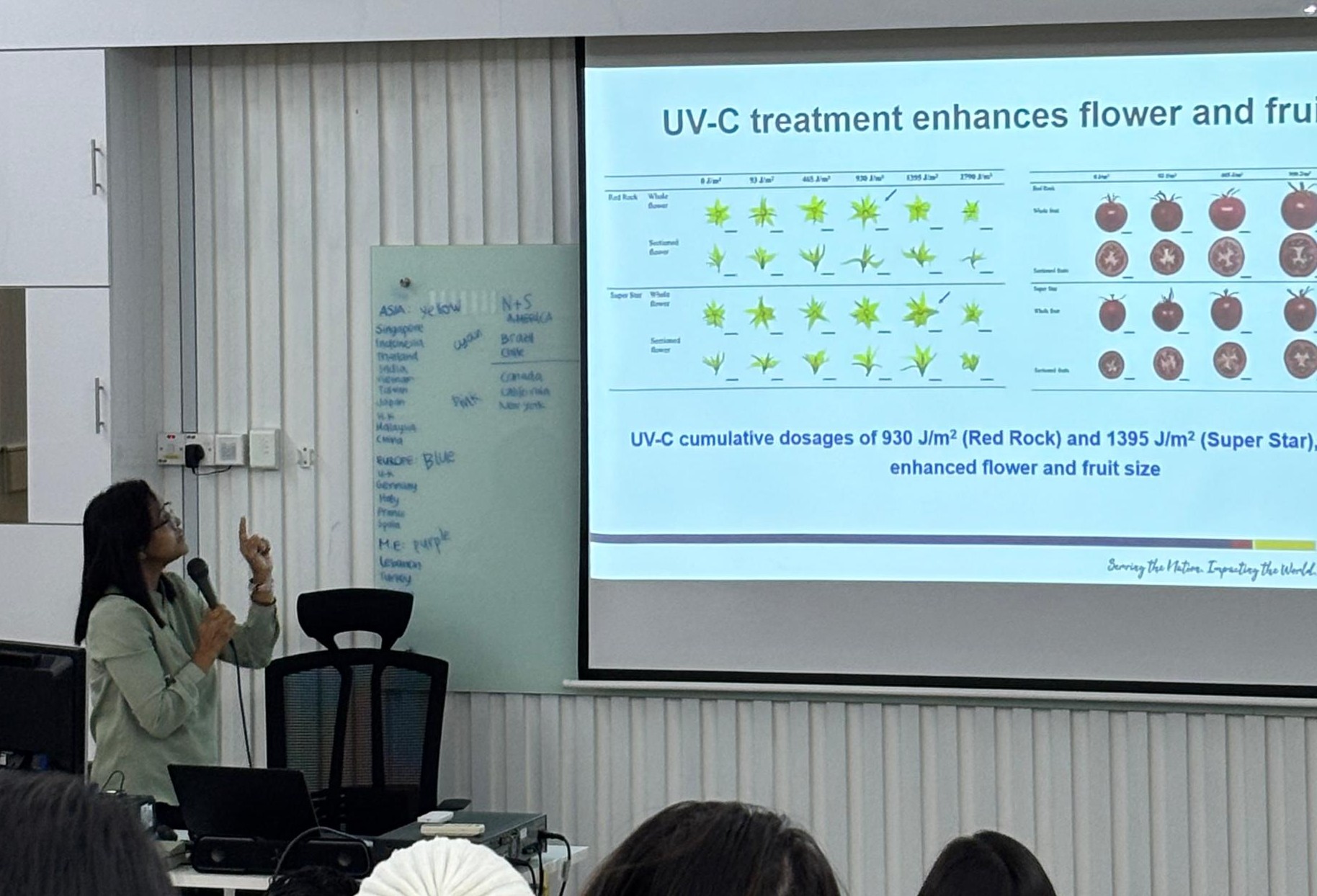
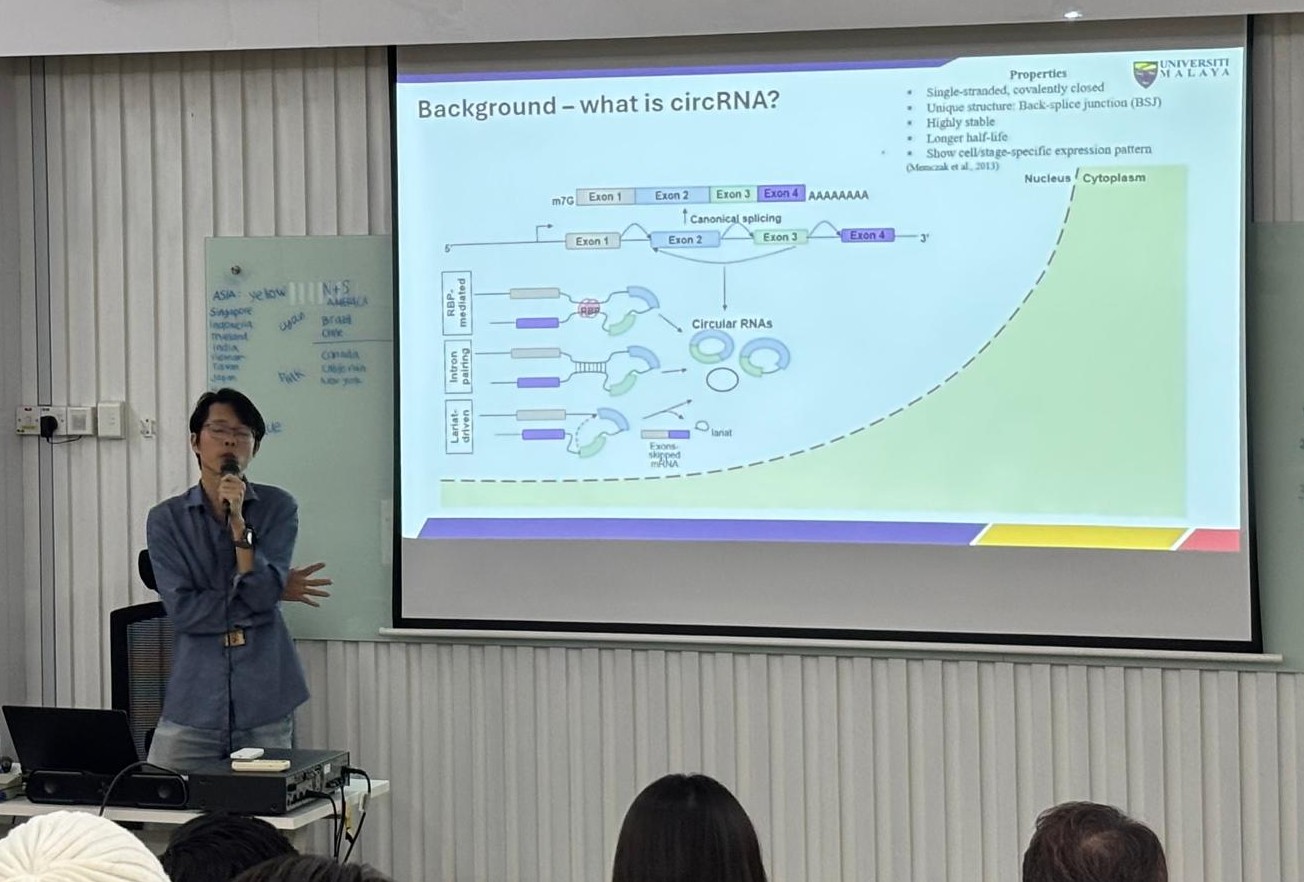
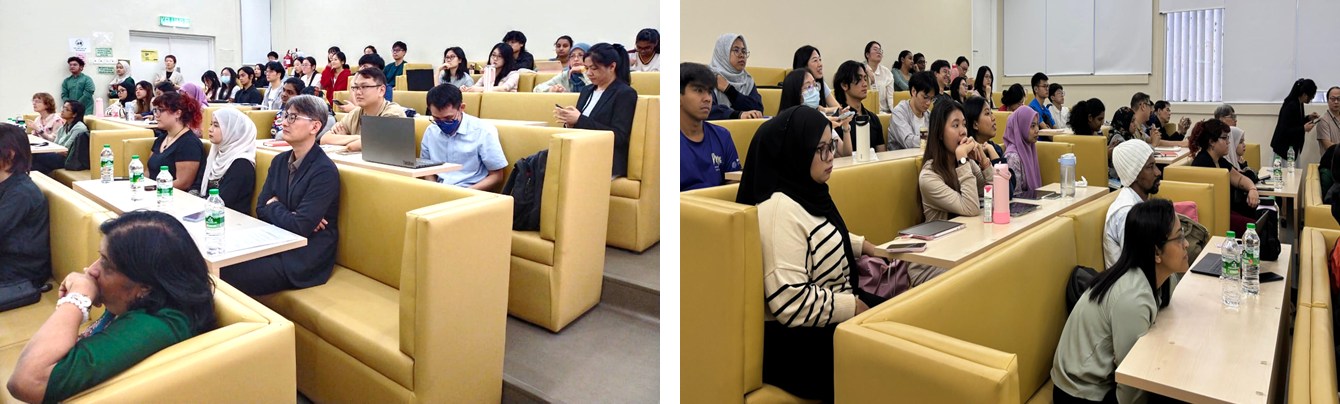
CEBAR with the support from Faculty of Science, Universiti Malaya successfully organized Universiti Malaya – Kobe University Research Symposium on Biological Sciences 2026 in conjunction with the visit by Kobe University delegation.
This symposium was held on 23rd January 2026 at Microbiology and Molecular Genetics Department, Institute of Biological Science, Faculty of Science and was attended by more than 40 participants comprised of mostly faculty members, researchers, undergraduate and postgraduate students.
Research themes presented include plant breeding of ornamental flowers, specifically looking at the role of chromosomal arrangement and diversity in influencing desirable traits in hydrangea flowers, diversity of the oral microbiome and how it can positively or negatively influence food taste, metabolic regulation and health, drought stress response in Pandan plants through proteomics analysis, UV-C treatment that improves stress tolerance, quality and yield in tomato, as well as genetic mutation profiling of Moyamoya disease in Malaysian population and genome-wide profiling of host circular RNAs in Influenza A virus-infected human macrophages and airway epithelial cells.
The presentation ended with a vibrant Q&A session, where the audience engaged deeply with the speakers through a series of thought-provoking questions and insightful contributions. We would like to thank all the attendees for their time and interest in this programme and hope that they find the symposium fruitful and inspiring.
Last Update: 22/09/2026