

Niche area:
CEBAR focuses on advanced agribiotechnology, integrating cutting-edge research to support sustainable agriculture, food security, and bioeconomic growth.
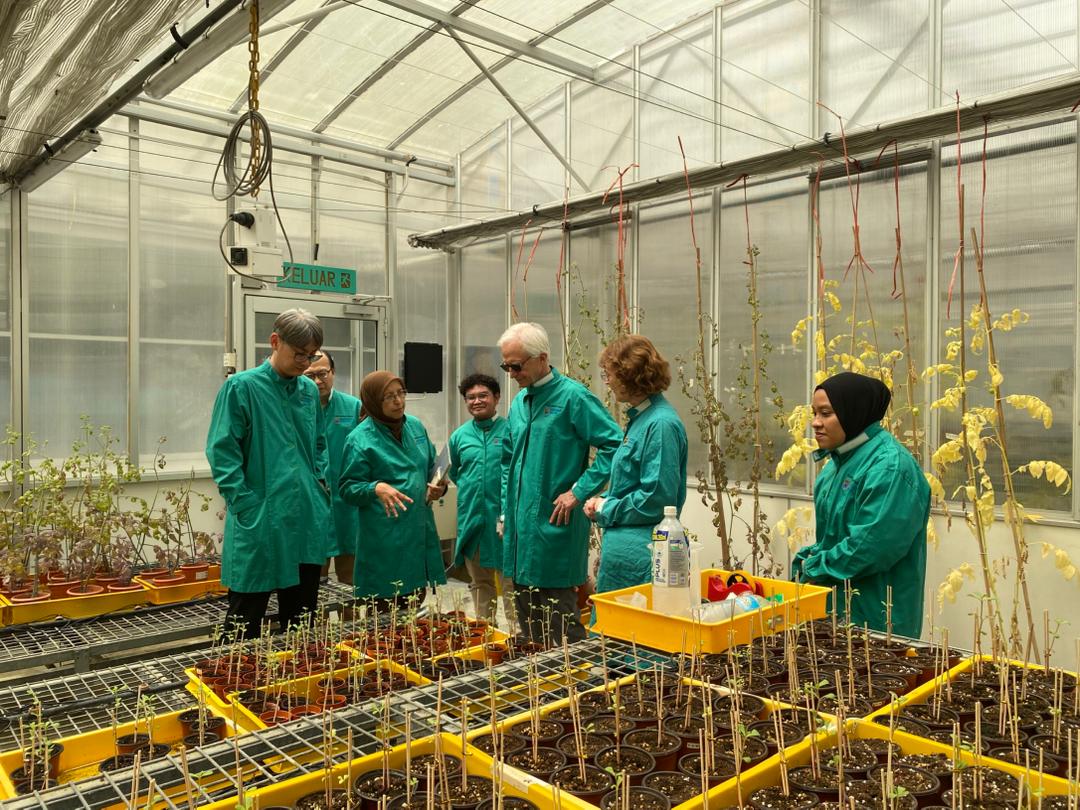
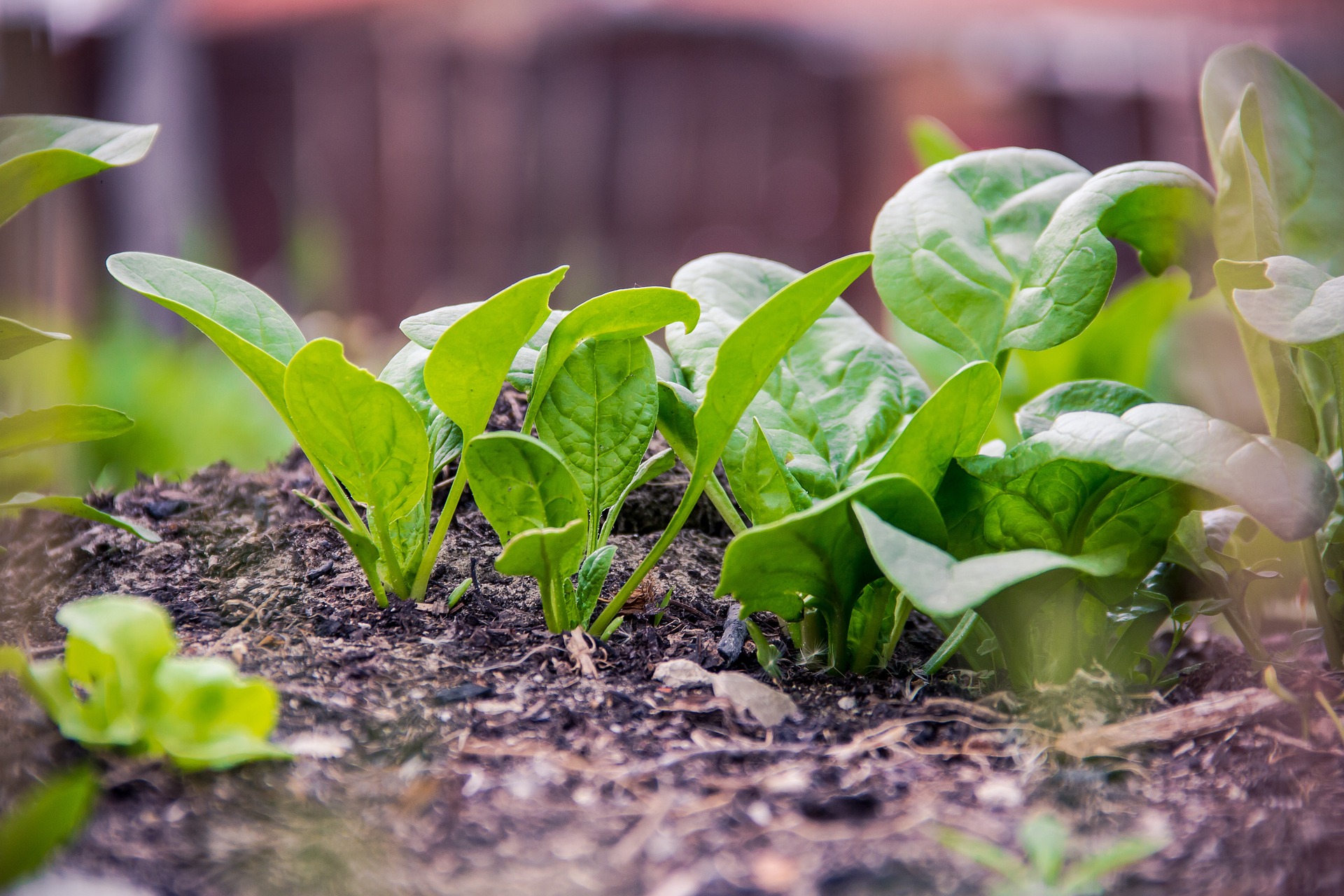
Enhancing soil ecosystems, nutrient cycling and environmental sustainability
CEBAR's soil health research focuses on improving soil fertility, nutrient dynamics and ecosystem resilience in tropical agricultural systems. Research in this cluster explores the use of biochar, organic amendments and beneficial microorganisms to enhance soil structure, nutrient availability and plant productivity, while reducing reliance on chemical inputs.
The cluster also integrates environmental sustainability approaches such as waste valorisation, biogeochemical cycling and soil remediation. By linking soil science with circular bioeconomy principles, CEBAR aims to restore degraded soils, improve long-term agricultural performance, and support climate-resilient farming systems.
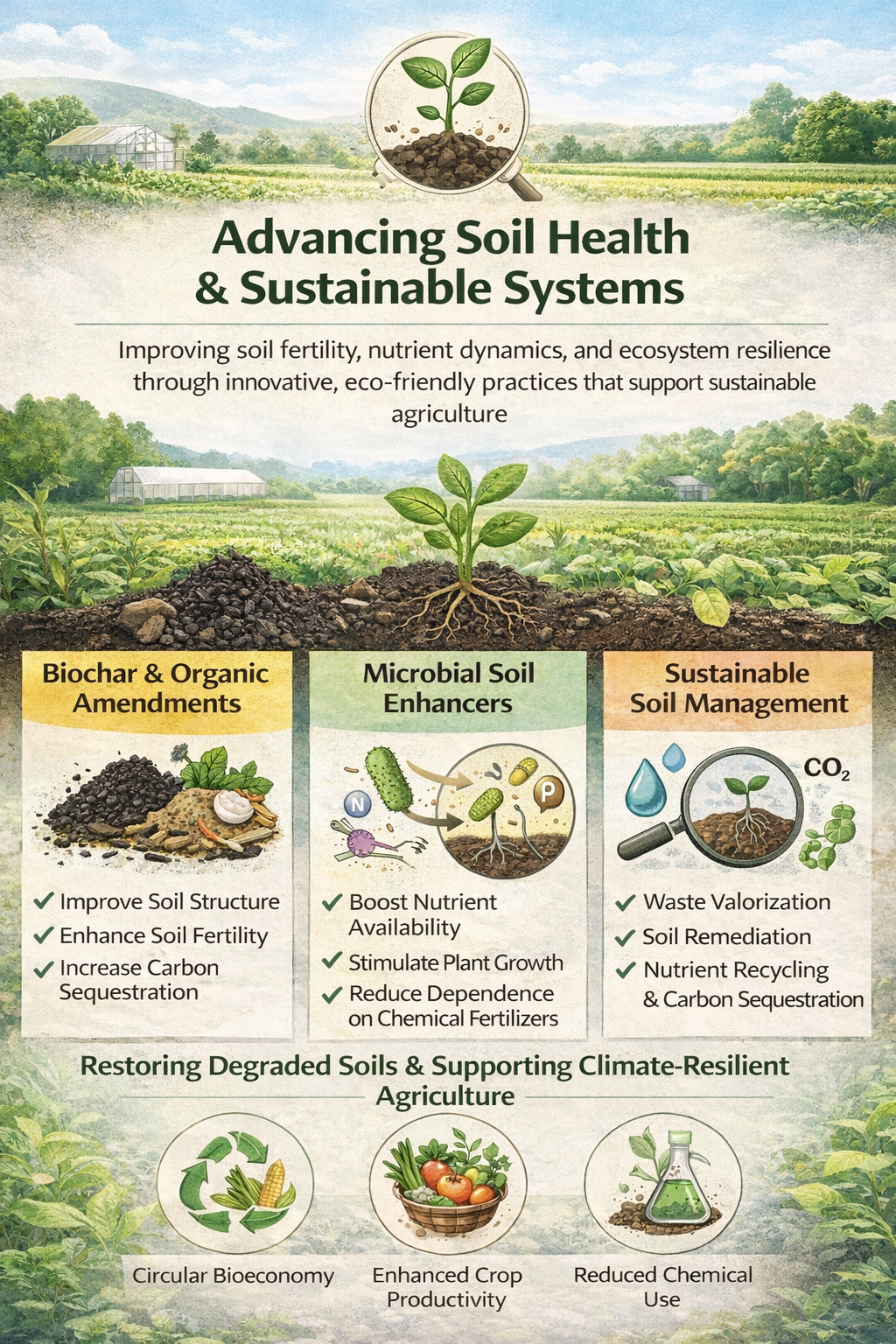
Image generated using ChatGPT
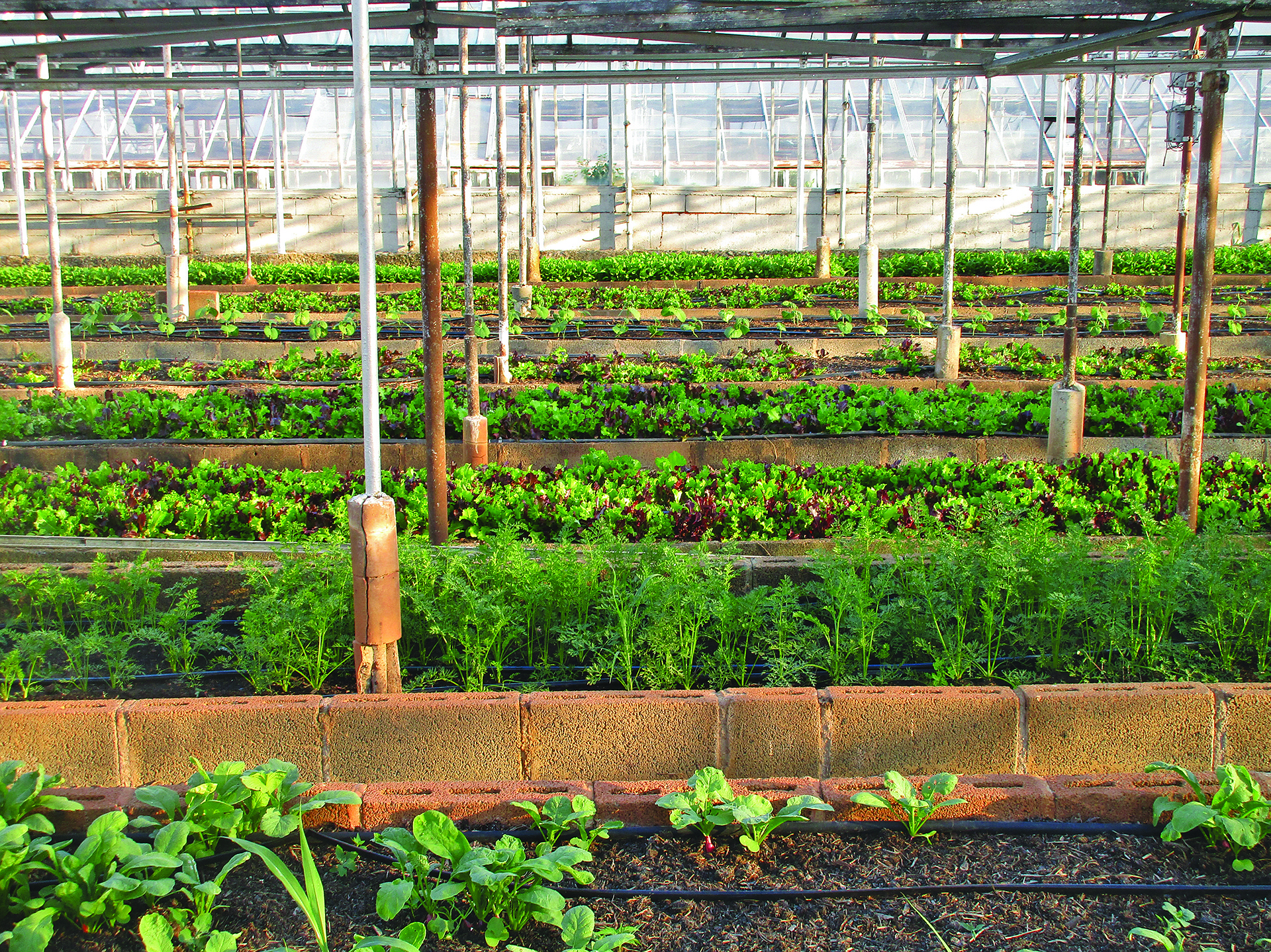
Eco-friendly protection strategies for crops and aquaculture systems
This cluster focuses on sustainable bioprotection strategies to safeguard both crops and aquatic organisms from pests, pathogens, and environmental stress. Research spans plant–microbe interactions, biological control agents, disease diagnostics and microbial ecology, alongside host–pathogen dynamics in aquaculture species such as fish and crustaceans.
By leveraging molecular biology, microbiology and immunological approaches, CEBAR researchers develop environmentally friendly alternatives to conventional chemical treatments. These efforts contribute to healthier production systems across agriculture and aquaculture while minimising ecological impact.
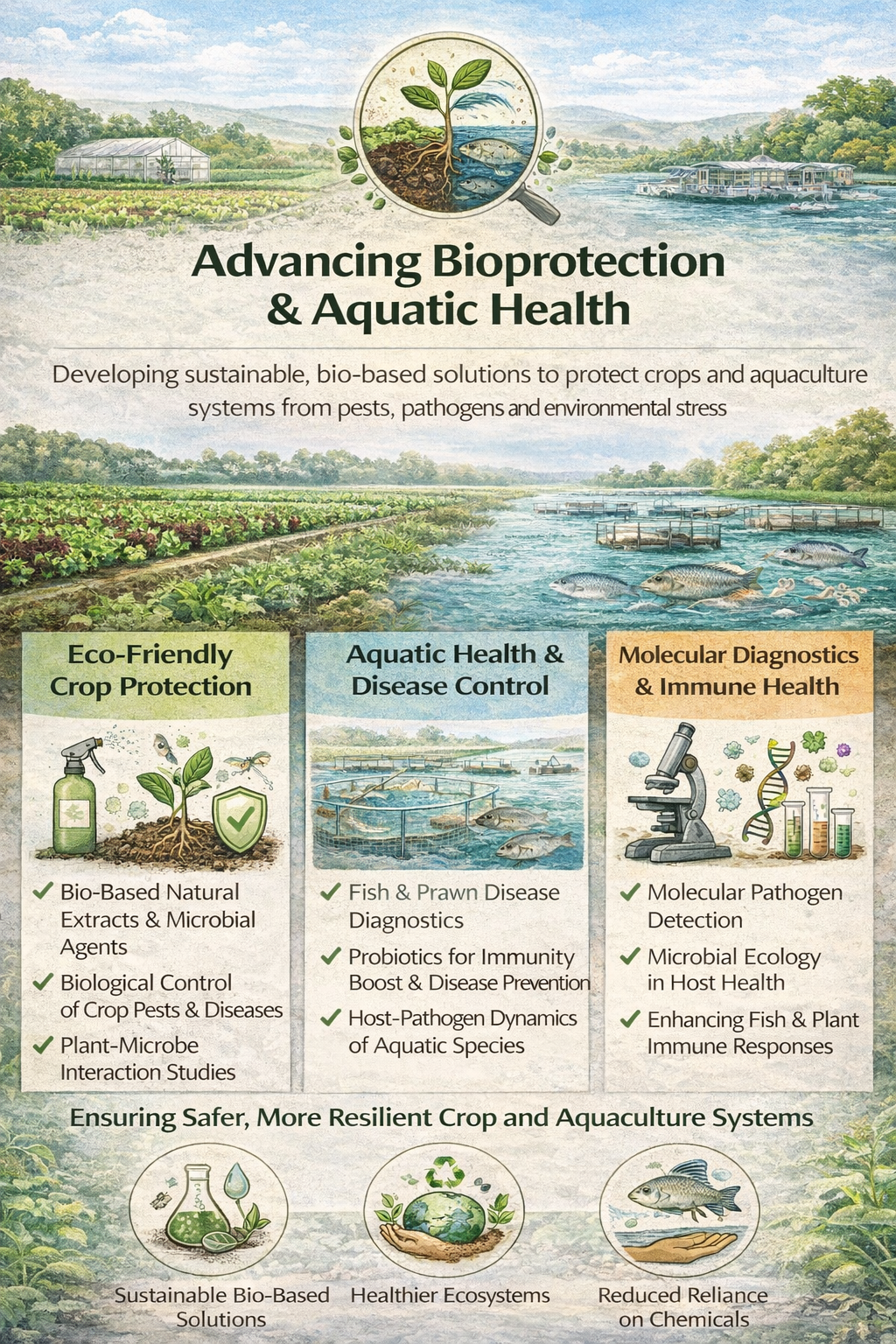
Image generated using ChatGPT
Precision breeding and genomics for crops and aquatic species
CEBAR's smart breeding research harnesses advances in genomics, molecular biology and bioinformatics to accelerate the development of high-performing and resilient plant and aquatic species. This includes genetic improvement, trait selection, functional genomics and population-level studies to enhance yield, disease resistance and environmental adaptability.
The integration of omics technologies and data-driven approaches enables precision breeding strategies tailored to local and regional needs. Through this work, CEBAR contributes to the development of improved crop varieties and aquaculture stocks capable of meeting future food security challenges.
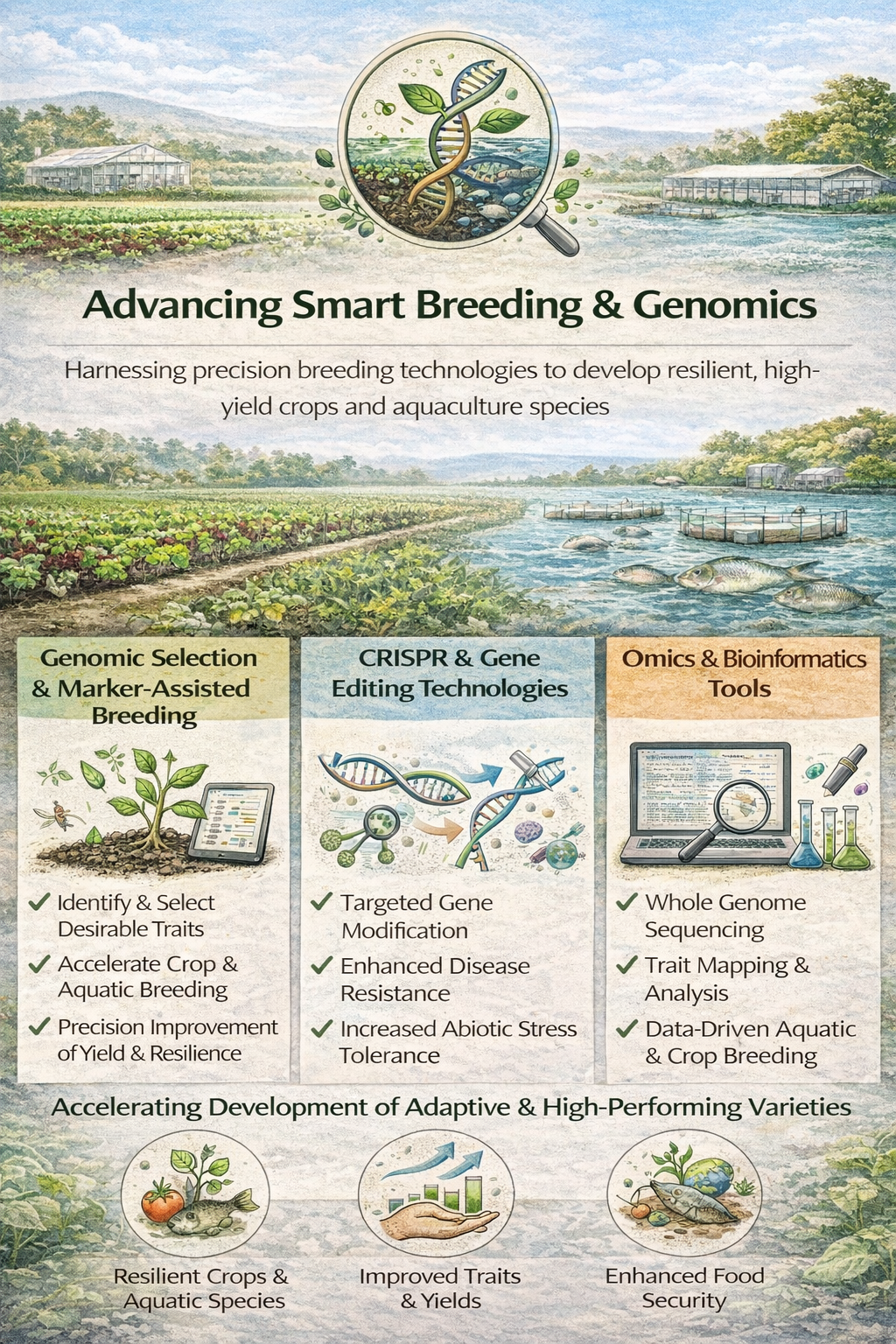
Image generated using ChatGPT

Innovations in food quality, safety and post-harvest sustainability
This cluster addresses challenges along the food value chain, focusing on post-harvest technologies that enhance food quality, safety and shelf life. Research includes preservation techniques, food processing innovations, quality assessment and the reduction of post-harvest losses in agricultural produce.
In addition, CEBAR explores functional foods, bioactive compounds and sustainable food system approaches, including waste utilisation and value-added product development. These efforts support improved food security, increased economic value and a more resilient bioeconomy.
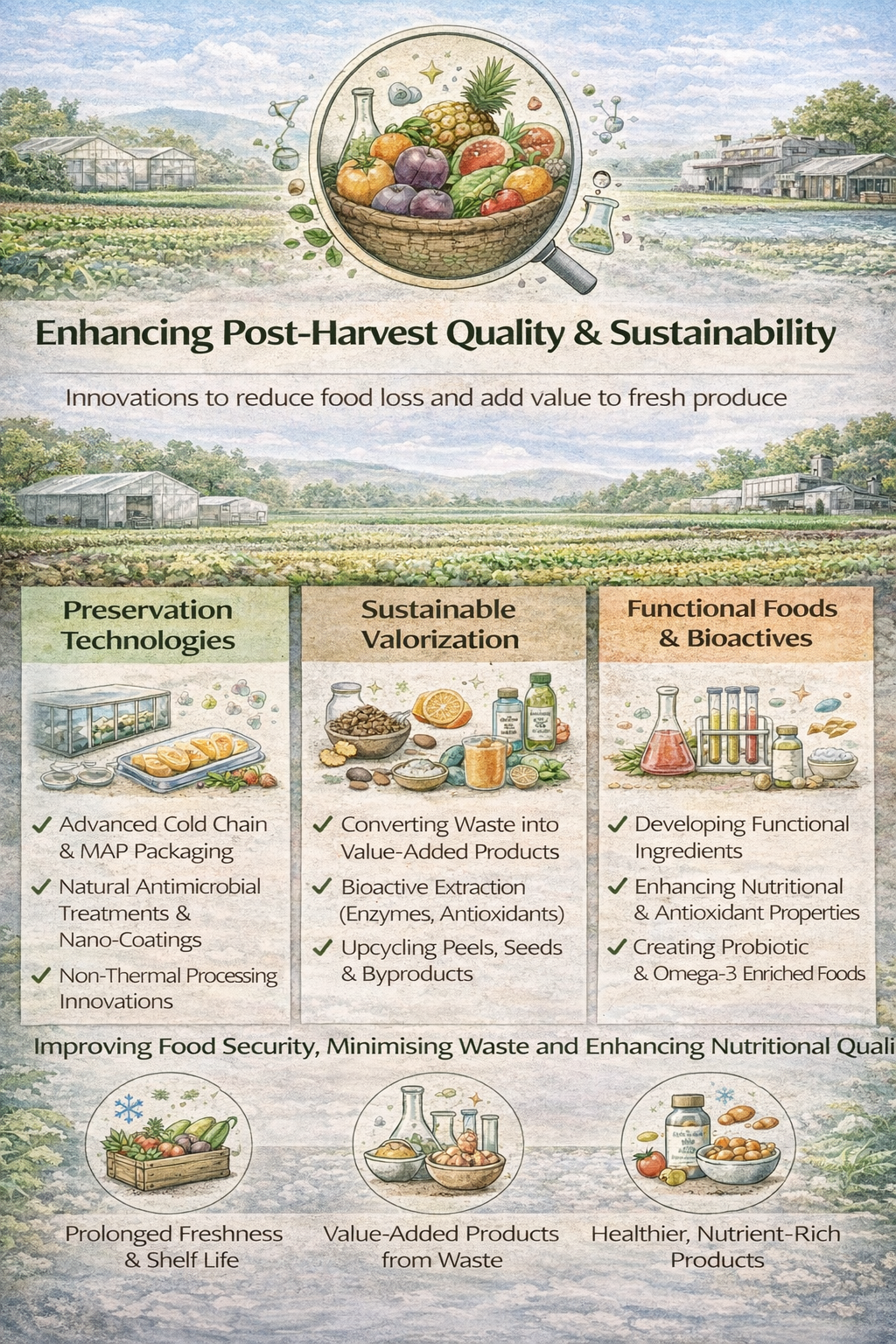
Image generated using ChatGPT
Last Update: 08/06/2026